
Technology
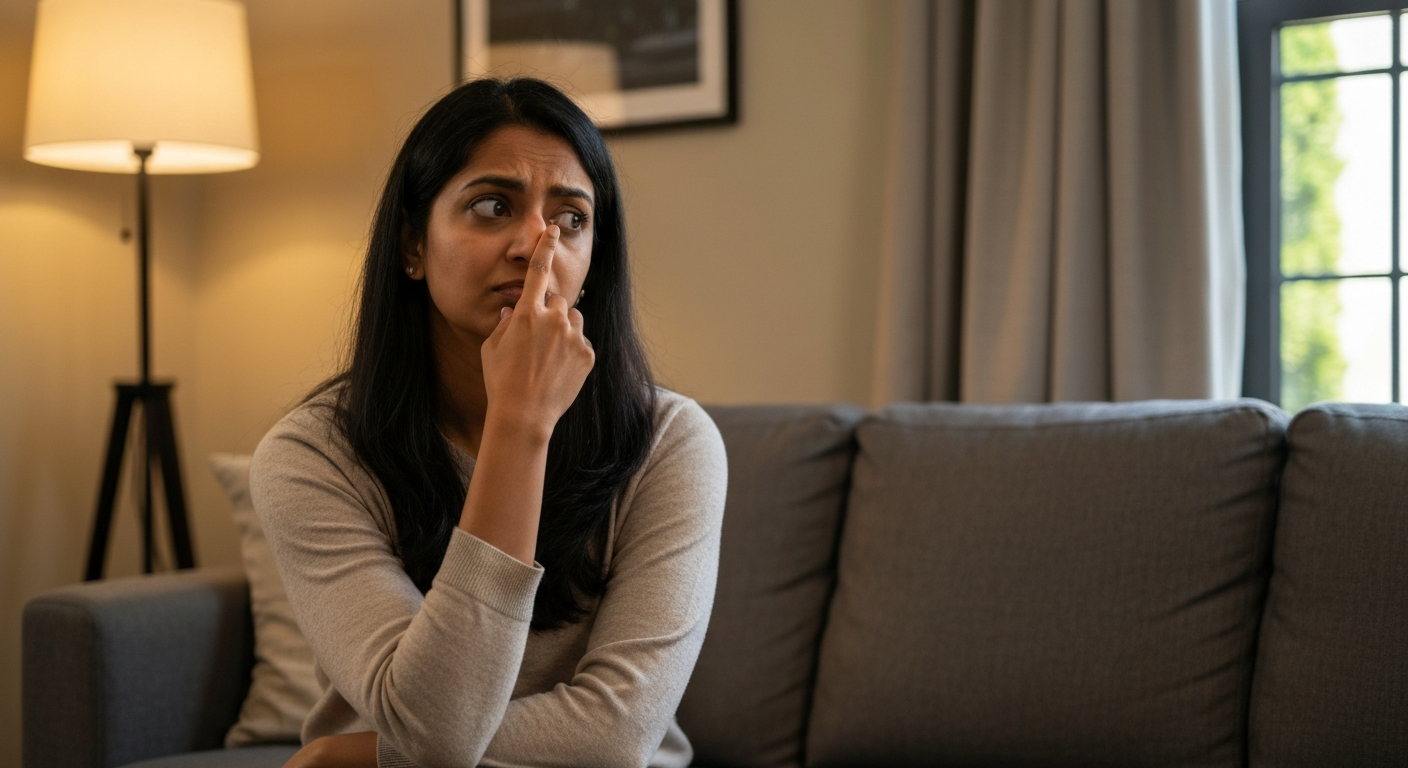

Your nose is twitching because of involuntary muscle contractions in the small muscles around your nostrils and nasal bridge — typically triggered by fatigue, stress, caffeine, or minor nerve irritation.
These fasciculations (the medical term for muscle twitches) are almost always harmless and resolve on their own within a few days. Whether your left nostril, right nostril, or the entire nose is twitching, the underlying mechanism is the same: tiny motor neurons are firing spontaneously, causing the muscle fibers they control to contract without your permission. The good news is that nose twitching rarely signals anything serious, and simple lifestyle adjustments usually stop it completely.
| ✓Our Pick |
Clinically-backed supplements for stress, sleep, and nerve health Save yourself the frustration — a proven solution with consistently positive feedback from real buyers. Learn More → |
Nose twitching happens when the muscles around your nostrils receive erratic electrical signals from nearby nerves — this is usually temporary and triggered by everyday factors like sleep deprivation or too much coffee.
The muscles responsible are primarily the nasalis and procerus muscles. These small facial muscles are controlled by branches of the facial nerve (cranial nerve VII), which is particularly sensitive to changes in your body's electrolyte balance, hydration status, and stress hormones. When something disrupts normal nerve signaling, you get that annoying flutter.
Caffeine is one of the most common culprits behind muscle twitches anywhere on your body, including your nose. It works by blocking adenosine receptors in your brain (adenosine is a neurotransmitter that promotes relaxation). This increases nerve excitability throughout your body. If you've recently increased your coffee intake or switched to a stronger brew, that could explain your nostril twitching.
"Caffeine can increase muscle excitability and has been associated with benign fasciculations in otherwise healthy individuals." — Dr. Robert Bhardwaj at the Journal of Clinical Movement Disorders
Absolutely. When you're stressed, your body releases cortisol and adrenaline. These hormones prepare your muscles for action by making nerve cells more reactive. The result? Random muscle contractions that you can't control. Many people notice facial twitches — including around the nose and eyes — during periods of high anxiety.
The twitching itself can create a feedback loop. You notice the twitch, which makes you more anxious, which makes the twitching worse. Breaking this cycle often requires consciously relaxing and redirecting your attention.
Sleep deprivation disrupts your nervous system's ability to regulate muscle activity. During deep sleep, your brain consolidates motor patterns and allows overworked neurons to recover. When you don't get enough rest, those neurons become hyperexcitable. Studies have shown that even mild sleep deprivation can increase the frequency of muscle fasciculations.
Also Read: Why Is My Nose Swelling? 7 Causes & How to Fix It
Your muscles depend on a precise balance of sodium, potassium, calcium, and magnesium to contract and relax properly. When these electrolytes are out of balance — from dehydration, excessive sweating, or dietary deficiencies — your muscles can misfire. Magnesium deficiency is particularly notorious for causing muscle twitches and spasms.
| Electrolyte | Role in Muscle Function | Common Causes of Deficiency |
|---|---|---|
| Magnesium | Regulates nerve impulses and muscle relaxation | Alcohol use, stress, poor diet |
| Potassium | Controls muscle contraction signals | Sweating, diuretics, vomiting |
| Calcium | Essential for muscle fiber activation | Low vitamin D, dairy-free diets |
| Sodium | Maintains nerve impulse transmission | Excessive water intake, endurance exercise |
When only your left or right nostril twitches, it usually means the irritation is affecting just one branch of the facial nerve — this is still benign in most cases.
The facial nerve splits into multiple branches as it travels across your face. One branch controls the muscles on your left side; another controls the right. If only one branch is being irritated — whether from sleeping on one side, localized tension, or minor inflammation — you'll feel the twitch in just one nostril.
Some people notice that their right nostril twitches more often than their left, or vice versa. This asymmetry is normal. It doesn't indicate that something is wrong with that side of your face. The nerve branches aren't perfectly identical, and one may simply be more reactive than the other.
"Unilateral fasciculations of the facial muscles are common and typically represent benign fasciculation syndrome when no other neurological symptoms are present." — American Academy of Neurology
In many spiritual traditions, nose twitching is interpreted as an omen or message — though these meanings vary widely across cultures and have no scientific basis.
While science explains nose twitching as a neurological phenomenon, various cultures have attached symbolic meanings to it for centuries. Whether you find personal significance in these interpretations is entirely up to you.
In some Eastern European and Asian traditions, nose twitching in women is believed to signal incoming news. A right nostril twitch supposedly indicates good news or a pleasant surprise, while a left nostril twitch may warn of gossip or conflict. Some interpretations suggest a woman's nose twitching means she will soon encounter an old friend or receive an unexpected visitor.
Across various folk traditions, right-side body movements are often associated with positive outcomes. Right nostril twitching has been interpreted as a sign of upcoming financial gain, good luck, or positive energy entering your life. In Hindu astrology, the right side of the body is sometimes linked to masculine energy and action.
Left nostril twitching, conversely, is sometimes viewed with more caution in certain traditions. It has been associated with warnings, emotional upheaval, or the need to pay attention to intuition. However, these interpretations vary significantly — in some cultures, left-side twitching is considered just as auspicious as right-side twitching.
| Side of Twitch | Common Spiritual Interpretations |
|---|---|
| Right nostril | Good news, financial gain, positive energy |
| Left nostril | Warning sign, emotional change, intuition |
| Tip of nose | New relationship or encounter |
| Bridge of nose | Important decision ahead |
It's worth noting that these are cultural beliefs, not medical facts. If your nose twitching is persistent or bothersome, addressing the physical causes listed above will be far more effective than any spiritual interpretation.
Most nose twitching resolves within a few days once you address the underlying trigger — reducing caffeine, improving sleep, and managing stress are the most effective interventions.
Here's what actually works:
Also Read: Why Is My Luck So Terrible? The Science Behind Bad Fortune
See a doctor if your nose twitching lasts more than three weeks, spreads to other parts of your face, or is accompanied by weakness, numbness, or other neurological symptoms.
Benign fasciculation syndrome — the medical term for harmless muscle twitches — can last for weeks or even months in some people. However, certain red flags warrant medical evaluation:
These symptoms could indicate conditions like hemifacial spasm, Bell's palsy, or — very rarely — early signs of a neurological condition. A neurologist can perform tests to rule out anything serious.
For the vast majority of people, nose twitching is nothing more than a temporary annoyance. Your facial muscles are simply responding to the normal stresses of daily life.
Nose twitching is caused by involuntary contractions of the small nasal muscles, typically triggered by caffeine, stress, fatigue, or electrolyte imbalances. Whether your left nostril, right nostril, or entire nose is twitching, the cause is usually the same — and the fix is usually simple. Cut back on stimulants, get more sleep, manage your stress, and stay hydrated. While spiritual traditions assign various meanings to nose twitching, addressing the physical triggers is what actually makes it stop. See a doctor if the twitching persists beyond three weeks or comes with other facial symptoms.
Persistent nostril twitching that lasts more than a few days usually indicates ongoing exposure to a trigger — most commonly caffeine, chronic stress, or insufficient sleep. Your body may also be low in magnesium, which is essential for proper nerve and muscle function. Try eliminating one potential cause at a time to identify your specific trigger. If twitching continues beyond three weeks despite lifestyle changes, consult a doctor to rule out benign fasciculation syndrome or other conditions.
In the overwhelming majority of cases, nose twitching is completely harmless. However, if it's accompanied by facial weakness, drooping, numbness, difficulty speaking, or muscle wasting, you should seek medical attention promptly. These additional symptoms could indicate hemifacial spasm, Bell's palsy, or — very rarely — a neurological condition affecting the facial nerve. Isolated nose twitching without other symptoms is almost never cause for concern.
This is a common folk belief in various cultures, but there's no scientific evidence to support it. The idea that nose twitching signals someone thinking about you falls into the category of superstition or spiritual interpretation. From a medical perspective, your nose twitches because of nerve and muscle activity — not because of anyone else's thoughts. That said, if this belief brings you comfort or curiosity, there's no harm in considering it alongside the practical causes.
Most episodes of nose twitching resolve within a few minutes to a few hours. Recurring bouts may continue for several days to a couple of weeks, especially during stressful periods or when you're sleep-deprived. If your nose twitching pattern persists beyond three weeks and doesn't respond to lifestyle changes, it's worth mentioning to your doctor. Benign fasciculation syndrome can cause twitches that last months, but this is manageable and not dangerous.
Evening nose twitching often occurs because that's when your body's fatigue catches up with you. Throughout the day, your nervous system compensates for tiredness, but as you wind down, nerve hyperexcitability can manifest as twitches. Additionally, if you consume caffeine in the afternoon, its effects may peak during evening hours. Stress accumulated throughout the day can also trigger twitching when you finally stop and relax. The twitching isn't worse at night — you're just more likely to notice it when you're still.
Reviewed and Updated on June 13, 2026 by George Wright