Sleep

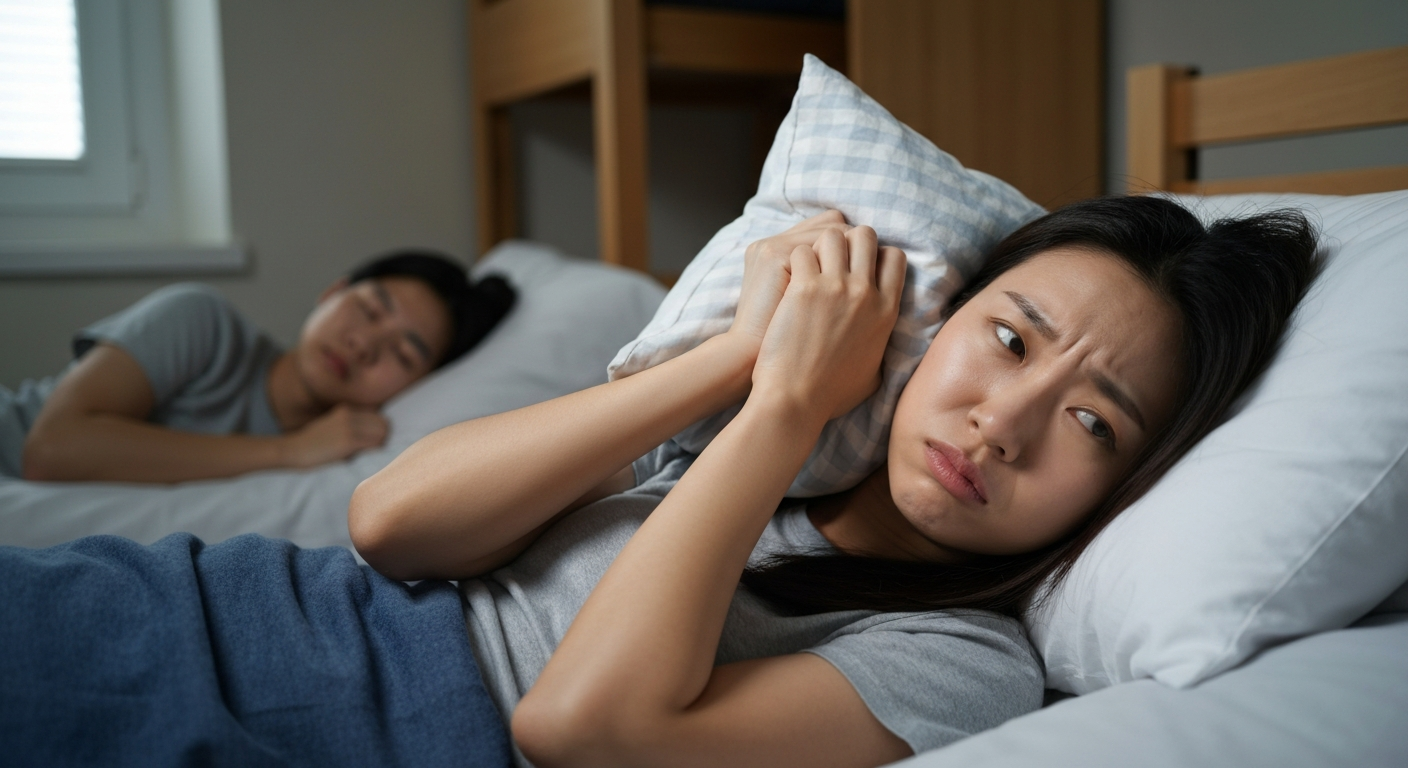
Snore guards — mandibular advancement devices (MADs) used to stop snoring — can cause temporary jaw soreness, tooth sensitivity, excessive salivation, and morning bite changes during the adjustment period. These side effects are common, typically mild, and usually resolve within 2 to 4 weeks of consistent use.
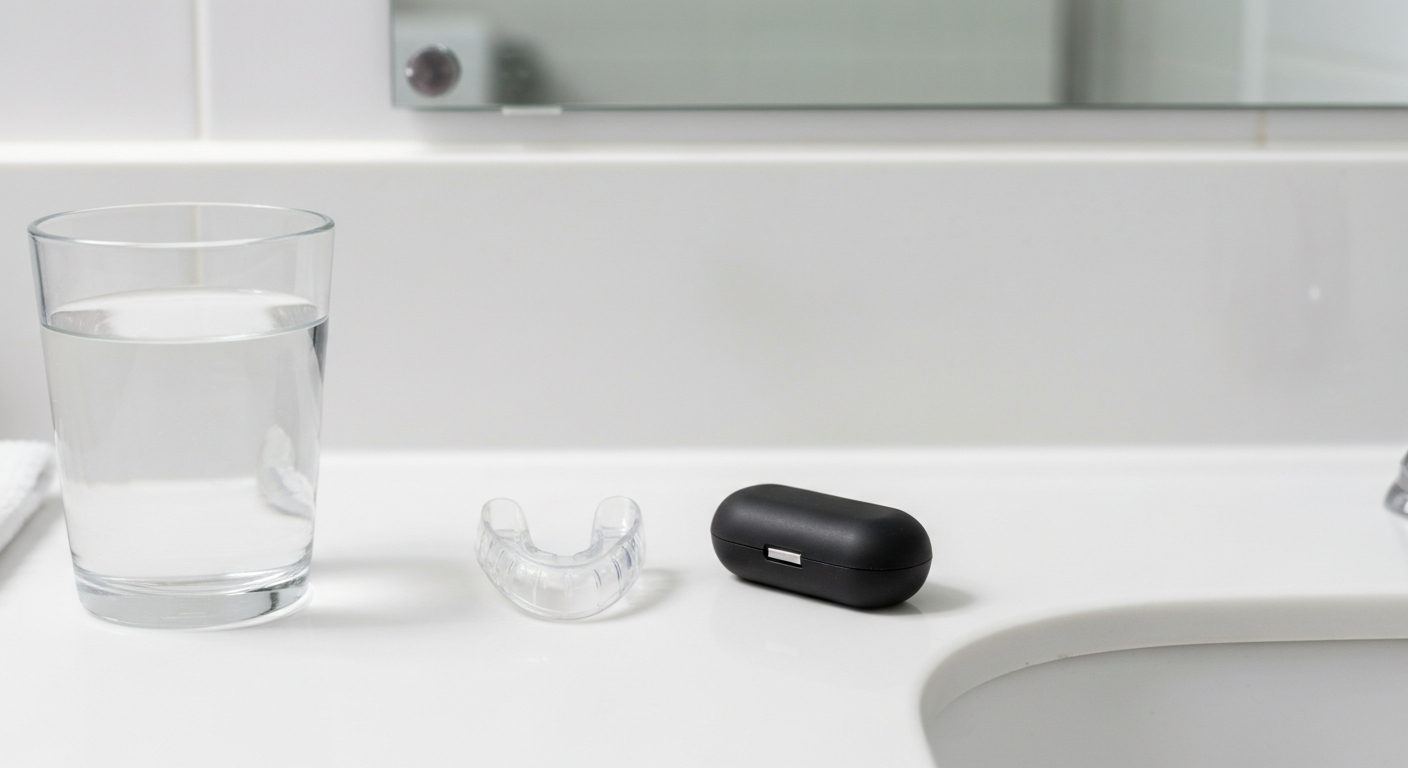
A snore guard (also called a mandibular advancement device, or MAD) is a custom-moldable or dentist-fitted mouthpiece worn during sleep that holds the lower jaw slightly forward. This forward position keeps the tongue base away from the throat wall, widens the airway, and reduces the tissue vibration that causes snoring.
Snore guards are available as OTC boil-and-bite devices (which you mold yourself at home) and as custom-fabricated appliances from a dentist or sleep medicine specialist. Both work by the same principle — jaw advancement — but custom devices produce a better fit and generally cause fewer side effects.
The term "snore guard" is particularly associated with a branded device called "Patchogue" (a brand based in the town of Patchogue, New York) and related products, though it is used generically for all anti-snoring MADs.
Most people experience several of these symptoms when first using a snore guard — they are signs that the device is working and that your jaw and muscles are adapting.
This is the most common side effect. The device holds your lower jaw forward throughout the night — a position it doesn't normally maintain. The muscles and temporomandibular joint (TMJ) are not accustomed to this position for 7 to 8 hours, and muscle fatigue creates an aching sensation that is most pronounced in the first 30 to 60 minutes after waking.
Most users find this reduces significantly within 1 to 2 weeks as the muscles adapt. Morning jaw exercises (gentle opening and closing, side-to-side movement) for 2 to 3 minutes after removing the device help accelerate adaptation.
"Muscle soreness and temporomandibular discomfort are the most commonly reported side effects of mandibular advancement device therapy. In clinical trials, these effects are rated mild to moderate by the majority of patients and resolve for most users within 2 to 4 weeks." — American Academy of Dental Sleep Medicine at aadsm.org
The device exerts force on the teeth (primarily the lower molars) to hold the jaw in its advanced position. This creates a sensation of tooth pressure or mild sensitivity that typically fades during the day as the bite returns to its normal resting position.
In some cases, particularly with ill-fitting devices, this pressure can cause localized tooth soreness that does not fully resolve. If tooth pain is severe or persistent beyond 3 weeks, the device fit should be evaluated — a poorly fitting device can cause uneven force distribution.
Your mouth produces more saliva when a foreign object is present — this is a normal protective reflex. Many new snore guard users wake to find more moisture in and around their mouth than usual. This is harmless and typically resolves within 1 to 2 weeks as the body habituates to the device.
Also Read: Mute Snore: How These Anti-Snoring Devices Work in 2026
After wearing a MAD for several hours, many users notice that their upper and lower teeth don't come together normally when they first close their mouth in the morning. The lower jaw feels slightly set back or offset from its normal position. This typically resolves within 15 to 30 minutes of being awake.
This temporary bite change is called anterior repositioning and is normal. However, if the morning bite shift takes longer than 30 minutes to resolve, or if the bite begins to feel permanently different after weeks of use, a dental evaluation is warranted. Prolonged MAD use can, in some cases, cause minor permanent occlusal changes — usually manageable but worth monitoring.
Some MAD users breathe through their mouths more at night, which leads to a dry mouth and occasionally a sore or scratchy throat on waking. Keeping a glass of water by the bed helps. A bedroom humidifier running at 40 to 50 percent humidity also reduces the severity of mouth dryness associated with nighttime mouth breathing.
Also Read: Why Snoring Causes Dry Mouth: 7 Causes & How to Fix It
People who already have TMJ issues — clicking, popping, or pain in the jaw joint — may find that a snore guard aggravates these symptoms initially. If you have pre-existing TMJ disorder, consult a dentist experienced in sleep medicine before using any MAD, as device selection and advancement amount need to be tailored carefully.
Some symptoms suggest the device needs adjustment rather than just adaptation time.
Signs that warrant device evaluation or adjustment:
- Jaw pain that is severe, worsening, or does not improve after 4 weeks
- Tooth pain that is focused on specific teeth and does not fade within 30 minutes
- Headache upon waking that begins after starting the device
- Morning bite change that takes more than 30 minutes to resolve
- Gum irritation or sores where the device contacts the gum line
For adjustable MADs, reducing the advancement by 0.5 to 1 mm can often resolve these symptoms while maintaining snoring reduction. For fixed-advancement devices, a different size or a custom-fitted appliance may be needed.
Most side effects can be managed with proper technique and gradual adaptation.
| ✓Our Pick |
Choose a snore guard that fits your teeth exactly — SnoreMeds self-impression MAD reduces common side effects through better fit Highly rated by thousands of buyers — this is one of the most effective solutions for this issue you can try at home. Learn More → |
Snore guard side effects — jaw soreness, tooth sensitivity, excess saliva, morning bite change, and dry mouth — are common, typically mild, and resolve for most users within 2 to 4 weeks of consistent wear. Morning jaw exercises and gradual advancement reduce their severity. Symptoms that worsen after 4 weeks, cause sharp pain, or don't resolve during the day indicate a fit or advancement issue that warrants device adjustment or dental evaluation. A better-fitting, custom-impression device produces fewer side effects than a generic boil-and-bite MAD.
For most users, jaw muscle soreness peaks in the first week and resolves by weeks 2 to 4 as the muscles adapt. If jaw pain is severe or doesn't improve after 4 weeks of consistent use, the device may be advancing the jaw too far, and reducing the advancement by 0.5 to 1 mm or switching to a different device is appropriate.
A properly fitted snore guard does not damage teeth — the force it exerts is distributed across multiple teeth and maintained only during sleep. However, an ill-fitting device can create focal pressure on specific teeth. Custom-fitted MADs from a dentist distribute force more evenly. Minor, reversible bite changes are possible with prolonged use and should be monitored by your dentist annually.
Excess saliva when using a snore guard is a normal reflex response to a foreign object in the mouth — similar to how food increases salivation. It is harmless and typically resolves within 1 to 2 weeks as the body habituates to the device's presence.
A snore guard should feel snug but not painful. It needs secure contact with the teeth to prevent displacement during sleep. If it feels excessively tight — causing gum blanching or leaving deep impressions after removal — the device may need remolding (for boil-and-bite versions) or dental adjustment.
Most snore guard users with crowns or implants can use MADs safely. The key is ensuring the device distributes force evenly and doesn't put excessive load on any single restored tooth. Inform your dentist about all restorations before using any MAD — a custom-fitted device that accounts for your specific dental anatomy is strongly preferred over generic versions.
Reviewed and Updated on June 17, 2026 by George Wright