Laser snore treatment, technically called laser-assisted uvulopalatoplasty (LAUP), uses a CO2 laser to reshape the soft palate and uvula in a quick in-office procedure under local anesthesia — and peer-reviewed follow-up data shows it eliminates or nearly eliminates snoring in roughly 6 out of 10 patients. It's a real, well-studied option, but it's not the first step most doctors recommend, and it works better for some causes of snoring than others.
| ✓Our Pick |
Custom-fit mouthpiece that repositions your jaw to stop snoring Save yourself the frustration — a proven solution with consistently positive feedback from real buyers. Learn More → |
How Laser Snore Treatment Actually Works
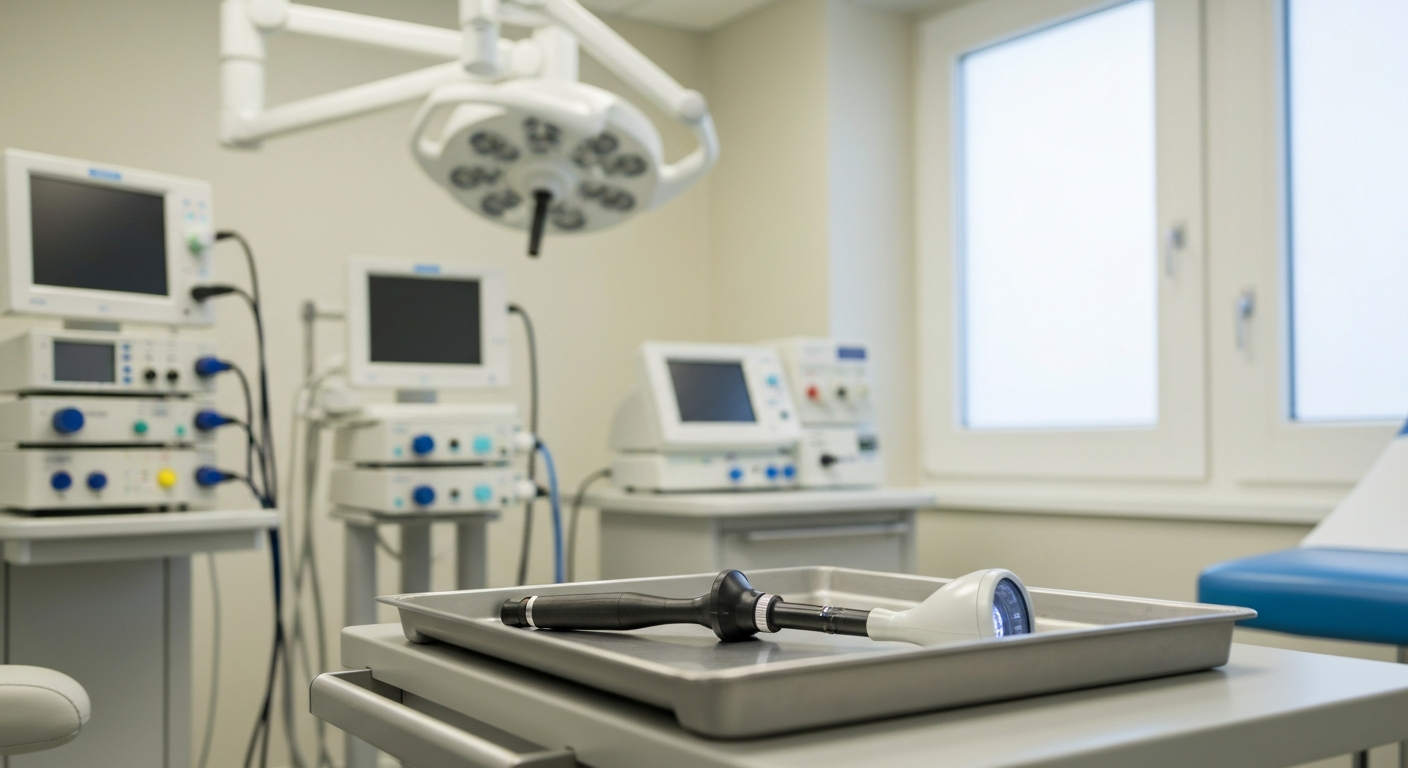
LAUP uses a carbon dioxide laser to trim and reshape the uvula and the edges of the soft palate, the tissue that vibrates and causes the classic snoring rattle. The goal is to reduce the amount of tissue available to flutter, while also tightening the area through scarring as it heals. It's performed in a single office visit, typically in under 30 minutes, using local anesthesia rather than general anesthesia — which is why it's positioned as a step below traditional uvula-removal surgery (UPPP) in terms of recovery time and discomfort.
How Well Laser Treatment Actually Works
The most-cited outcomes data comes from a peer-reviewed follow-up study of patients treated specifically for snoring.
"...resulted in complete or nearly complete elimination of snoring in 63 patients (60%), partial improvement of snoring in 30 patients (29%), and no improvement in 11 patients (10%)." — Walker RP, Grigg-Damberger MM, Gopalsami C, Totten MC, "Laser-Assisted Uvulopalatoplasty for Snoring and Obstructive Sleep Apnea: Results in 170 Patients," published in The Laryngoscope
That breakdown is worth sitting with: most patients see real improvement, a majority get a complete or near-complete fix, but roughly 1 in 10 see no change at all. It's an effective option for many people, not a guaranteed cure for everyone.
Who Laser Treatment Works Best For
Laser snore treatment targets one specific source of snoring — vibration in the soft palate and uvula. It tends to work best for people whose snoring is clearly traced to that tissue rather than to nasal obstruction, tongue-base collapse, or significant excess weight around the neck. An ENT evaluation before treatment typically confirms where your specific snoring originates, since treating the wrong tissue won't produce the results above.
Also Read: Stop Snoring Procedures: 6 Options from Office to Surgery
What to Expect: Procedure, Recovery, and Cost
| Detail |
What to expect |
| Setting |
Outpatient office or ambulatory surgery center |
| Anesthesia |
Local only |
| Procedure time |
Under 30 minutes |
| Recovery |
Sore throat for several days; most return to normal activity within a week |
| Number of sessions |
Often more than one treatment for full effect |
Multiple sessions, spaced a few weeks apart, are common rather than a single visit producing the full result. Cost varies by provider and whether insurance considers it medically necessary versus elective, so confirming coverage ahead of time is worth the call.
In Short
Laser snore treatment (LAUP) is a real, in-office procedure that reshapes the soft palate and uvula using a CO2 laser, and peer-reviewed data shows it eliminates or nearly eliminates snoring in about 60% of patients, with partial improvement in another 29%. It works best for snoring that originates in the soft palate specifically, usually requires more than one session, and is generally tried after simpler options like positional therapy and oral appliances rather than as a first step.
What You Also May Want To Know
Is laser snore treatment painful?
Most patients describe a sore throat for several days afterward rather than significant pain during the procedure itself, since it's done under local anesthesia.
How many laser treatments are usually needed?
More than one session, spaced a few weeks apart, is common for full effect, rather than a single treatment resolving snoring completely.
Does laser treatment also fix sleep apnea?
It can reduce mild-to-moderate sleep apnea and upper airway resistance in some patients, but it's primarily studied and used for snoring; more severe sleep apnea usually needs additional treatment like CPAP.
How is laser treatment different from traditional uvula surgery (UPPP)?
LAUP is less invasive, uses local anesthesia instead of general anesthesia, and has a shorter recovery, while traditional UPPP removes more tissue and is typically reserved for more severe cases.
Will insurance cover laser snore treatment?
Coverage depends on whether your insurer considers it medically necessary (often tied to a sleep apnea diagnosis) versus elective for snoring alone, so it's worth confirming with your provider before scheduling.
Reviewed and Updated on June 20, 2026 by George Wright