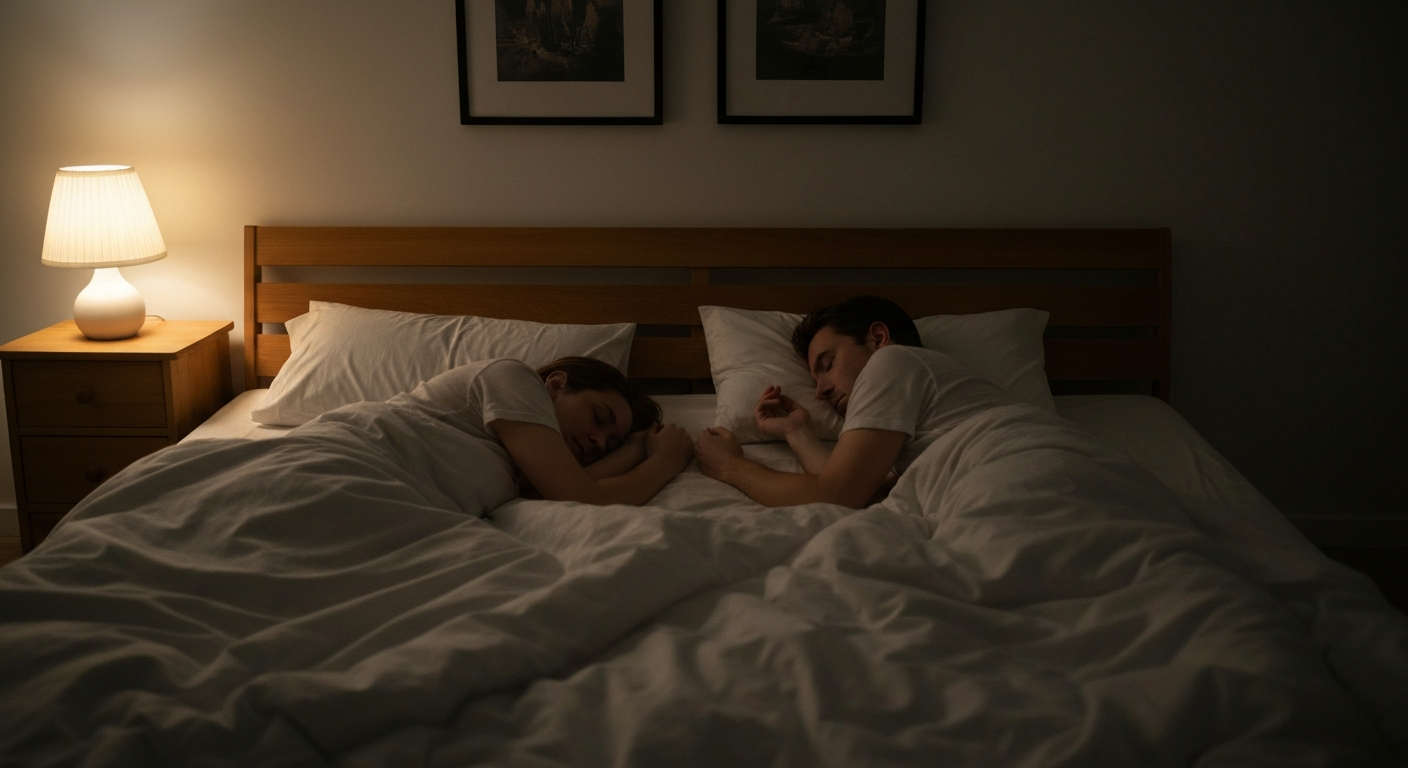
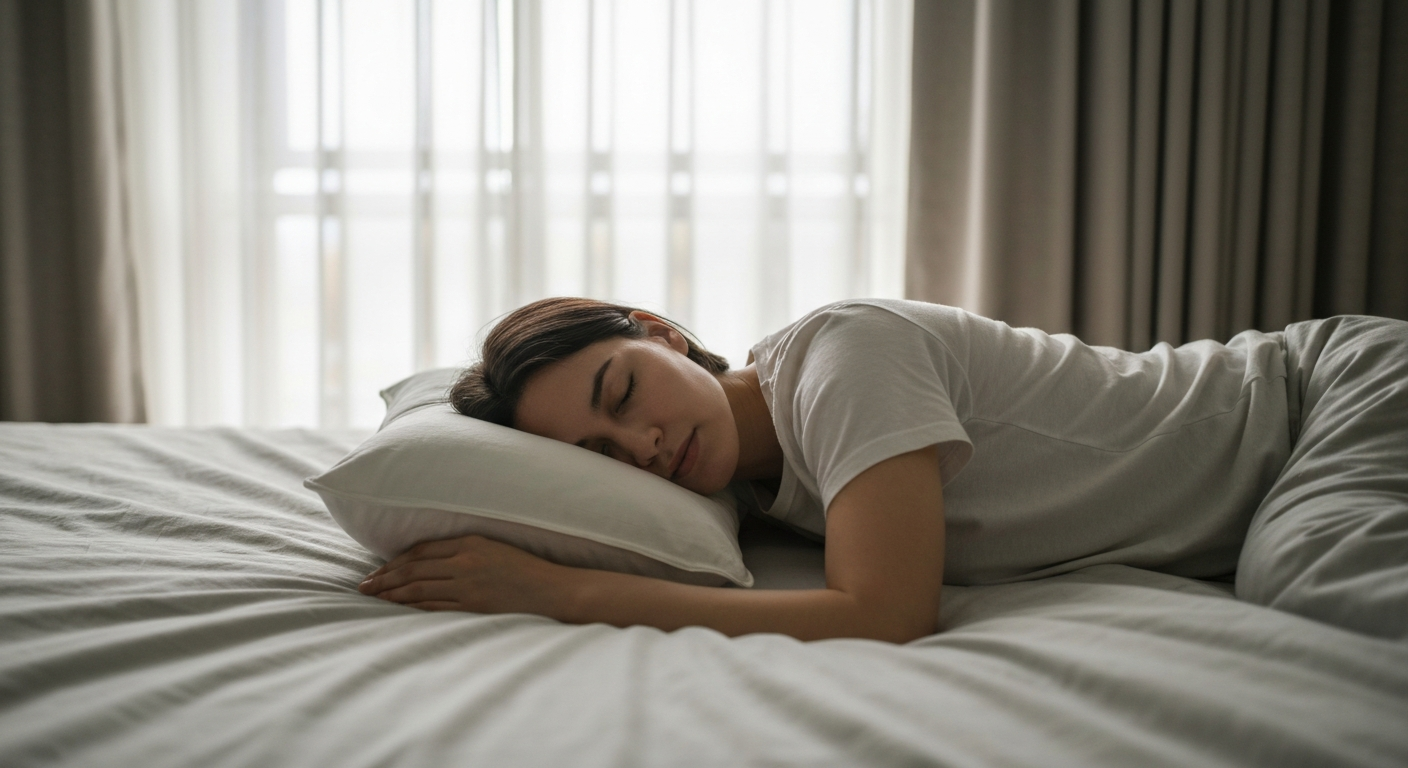
Yes, sleeping on your stomach can stop or noticeably reduce snoring, since it keeps gravity from pulling the tongue and soft palate backward into the airway the way back-sleeping does. It's not the healthiest long-term position for your neck and spine, though, which is why most sleep doctors recommend side-sleeping as a better trade-off that still helps with snoring.
| ✓Our Pick |
Custom-fit mouthpiece that repositions your jaw to stop snoring Highly rated by thousands of buyers — this is one of the most effective solutions for this issue you can try at home. Learn More → |
Why Stomach Sleeping Helps With Snoring
Snoring largely comes down to gravity acting on relaxed throat tissue, and stomach sleeping changes the direction gravity pulls in.
"When you are on your back, gravity pulls the tissues surrounding your airway downward, which makes the airway more narrow." — Alexa Fry, Senior Health Editor, medically reviewed by Heather Wright, MD, at Sleep Foundation
Face-down, that same gravitational pull works in the opposite direction — the tongue and soft palate tend to fall forward rather than backward into the throat, which keeps the airway more open and reduces the vibration that causes snoring. This is the same basic principle that makes side-sleeping effective too, just taken a step further.
The Trade-Off: Why Doctors Don't Usually Recommend It
Stomach sleeping reduces snoring, but it does so at a cost. Sleeping face-down typically forces your neck into a rotated position for hours at a time, which can strain neck and shoulder muscles and contribute to morning stiffness or headaches. It also puts pressure on the lower back, since the spine isn't well-supported in that position the way it is on your side or back with proper support.
"Having extra tissue in the neck can lead to a smaller airway size and an increased susceptibility to airway collapse." — Alexa Fry, Sleep Foundation
That airway-collapse risk is highest on the back, lower on the stomach, and lowest on the side — which is why side-sleeping is generally framed as the better long-term choice rather than stomach-sleeping, even though both outperform back-sleeping for snoring specifically.
How Stomach Sleeping Compares to Side Sleeping
| Position |
Effect on snoring |
Other considerations |
| Back |
Worst — gravity narrows the airway directly |
Most comfortable for some, but highest snoring and apnea risk |
| Stomach |
Reduces snoring |
Can strain neck and lower back over time |
| Side |
Reduces snoring |
Generally considered the best balance of comfort and airway support |
If switching to your side feels unnatural, a body pillow or a wedge behind your back can make it easier to stay there through the night, getting the same snoring benefit as stomach-sleeping without the neck strain.
In Short
Sleeping on your stomach does reduce or stop snoring for many people, because it keeps the tongue and soft palate from falling backward into the airway the way back-sleeping does — but it's a less comfortable long-term trade-off than side-sleeping, which offers a similar airway benefit without the neck and back strain. If stomach-sleeping is the only position that quiets things down, a supportive pillow setup can ease the strain, but it's worth testing side-sleeping with a body pillow first.
What You Also May Want To Know
Does sleeping on your stomach help with snoring even if I'm overweight?
It can help somewhat by reducing gravity's pull on the airway, but excess tissue around the neck narrows the airway regardless of position, so weight-related snoring usually needs more than a position change alone.
Is stomach sleeping bad for your spine?
Yes, generally. Stomach sleeping can strain the neck (from the head being turned to the side) and put uneven pressure on the lower back, which is why most sleep specialists recommend side-sleeping instead for long-term comfort.
Why does side sleeping work just as well as stomach sleeping for snoring?
Both positions keep the tongue and soft palate from falling straight back into the throat the way back-sleeping does, so they offer a similar airway benefit without stomach-sleeping's added strain on the neck and spine.
Will a body pillow help me stay off my back without sleeping on my stomach?
Yes. A body pillow or wedge positioned behind your back makes it physically harder to roll onto your back during the night, helping you stay on your side, which gets a similar snoring benefit to stomach-sleeping.
Can changing sleep position alone cure sleep apnea?
No. Position changes can reduce positional snoring and mild positional sleep apnea, but moderate to severe sleep apnea typically needs additional treatment, such as a CPAP machine or an oral appliance, evaluated by a sleep specialist.
Reviewed and Updated on June 20, 2026 by George Wright