Sleep
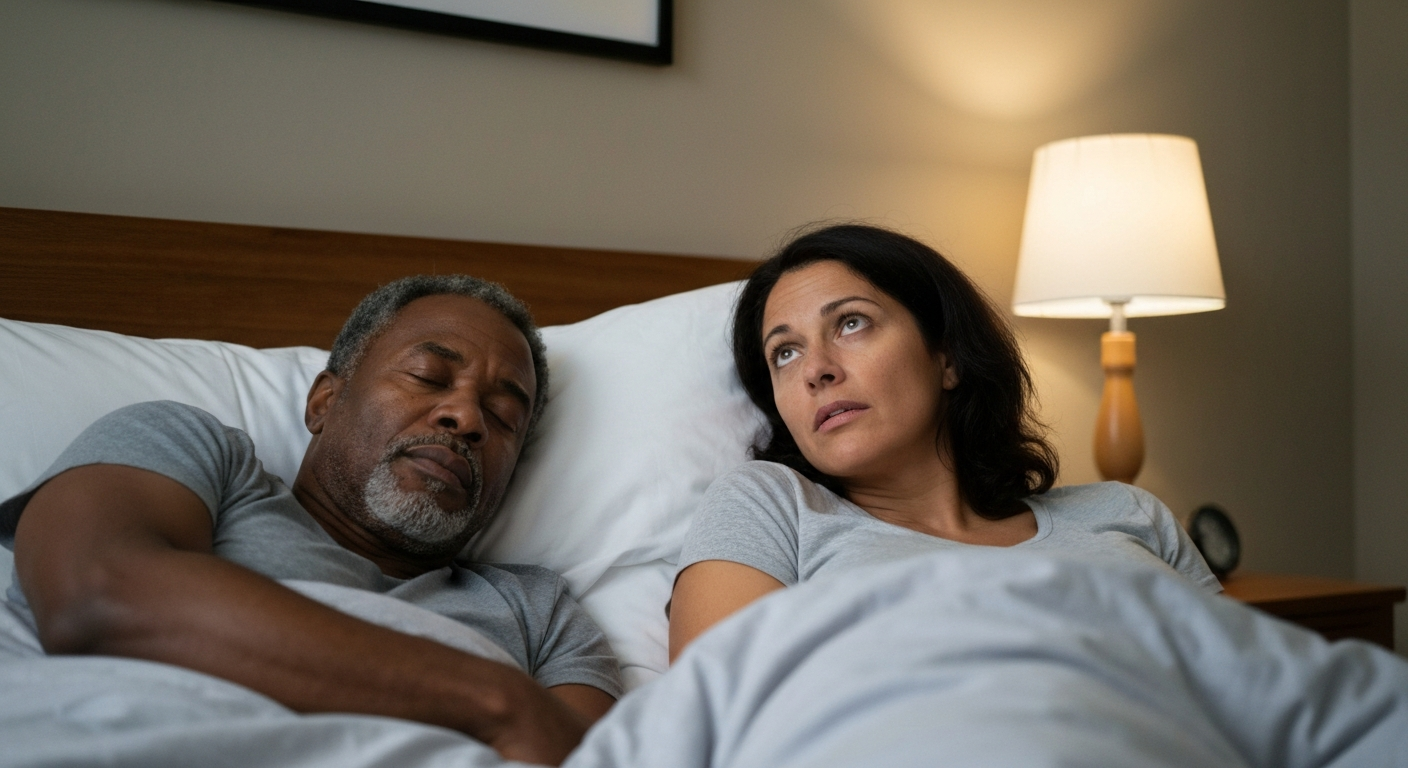

Snoring itself is not inherently dangerous — but it can be a warning sign of obstructive sleep apnea, a condition that raises the risk of high blood pressure, heart disease, stroke, and type 2 diabetes. Whether snoring is bad for you depends on its frequency, loudness, and whether breathing pauses accompany it.
Primary snoring — snoring without breathing disruptions — does not directly harm health. But loud, nightly snoring accompanied by gasping, choking, or breathing pauses is a key symptom of obstructive sleep apnea (OSA), which carries serious long-term health risks.
Primary snoring occurs when the airway narrows during sleep and causes soft tissue to vibrate without actually obstructing breathing. The snorer breathes continuously, blood oxygen stays normal, and sleep architecture is relatively undisturbed. This type of snoring is a nuisance, particularly for bed partners, but it does not damage health directly.
Obstructive sleep apnea is different. The airway repeatedly collapses completely during sleep, stopping airflow for 10 seconds or more. Oxygen levels drop with each event. The brain triggers a micro-arousal to restart breathing — often with a gasp or snort. These events can occur 30 to 90 times per hour in severe cases, fragmenting sleep without the person ever fully waking.
"Obstructive sleep apnea is associated with increased risk of hypertension, cardiovascular disease, metabolic syndrome, and impaired cognitive function. Snoring is the most common presenting symptom." — American Heart Association at heart.org
Even primary snoring — without apnea — can disrupt sleep quality for the snorer by causing partial arousals and reducing time in restorative deep sleep.
The vibration of snoring produces sound that the snorer's own auditory system detects. In lighter sleep stages, this self-generated noise can trigger brief arousals — short awakenings that don't reach full consciousness but do disrupt the sleep cycle. Over time, this can increase daytime sleepiness and reduce cognitive performance.
The throat muscles also experience micro-trauma from prolonged vibration over years of snoring. Research published in the Annals of Otology, Rhinology and Laryngology has found that habitual heavy snorers show changes in the muscle fiber composition of the soft palate and uvula — changes that can reduce the airway's ability to stay open, potentially worsening snoring over time.
Also Read: Does Snoring Make Your Throat Sore? Yes — Here Is Why
Sleep apnea is the condition that makes snoring medically serious. The repeated oxygen drops and sleep fragmentation from apnea events impose a measurable cardiovascular and metabolic burden.
| Risk | Evidence Level | Relative Risk Increase |
|---|---|---|
| High blood pressure | Strong | 2–3x in untreated OSA |
| Atrial fibrillation | Moderate | OSA present in 50%+ of A-fib patients |
| Type 2 diabetes | Moderate | OSA worsens insulin resistance |
| Stroke | Moderate | 2–4x in untreated severe OSA |
| Depression | Moderate | OSA increases depressive symptoms |
| Motor vehicle accidents | Strong | Daytime sleepiness from OSA raises crash risk 3x |
These risks increase with severity (apnea-hypopnea index — the number of events per hour) and with duration of untreated disease.
"The cardiovascular consequences of obstructive sleep apnea include increased rates of hypertension, coronary artery disease, arrhythmia, and stroke. These risks are substantially reduced with effective OSA treatment." — National Heart, Lung, and Blood Institute at nhlbi.nih.gov
See a doctor if snoring is accompanied by any of the following — these indicate apnea rather than primary snoring.
Any combination of these symptoms alongside loud, regular snoring warrants a sleep study evaluation.
Chronic snoring — especially when associated with apnea — creates cardiovascular stress through two mechanisms: intermittent hypoxia (oxygen deprivation) and sleep fragmentation. Both trigger inflammatory and autonomic nervous system responses that accumulate damage over years.
Each apnea event drops blood oxygen, triggers a stress-hormone surge (cortisol and adrenaline), and briefly spikes blood pressure. Repeated hundreds of times per night, this chronic micro-stress on the cardiovascular system contributes to arterial stiffness and elevated resting blood pressure.
People who have snored heavily for decades but have never been evaluated for sleep apnea should consider a sleep study — particularly if they have hypertension, atrial fibrillation, or unexplained daytime fatigue.
The appropriate intervention depends on whether the snoring is primary or apnea-associated. Start with a doctor visit if you have any of the warning signs above.
For primary snoring without apnea symptoms, evidence-based home interventions are effective: sleeping on your side, avoiding alcohol within three hours of sleep, managing nasal congestion, and using a mandibular advancement device (MAD). MADs hold the jaw forward during sleep, widening the airway and reducing tissue vibration.
| ✓Our Pick |
Stop snoring with a custom-fit jaw-repositioning mouthpiece — SnoreMeds ships direct Backed by strong customer feedback — the most recommended solution in forums and Q&A communities. Learn More → |
For confirmed sleep apnea, CPAP therapy remains the gold standard. Mandibular advancement devices are also effective for mild to moderate apnea and are preferred by patients who cannot tolerate CPAP.
Light, occasional snoring is generally not bad for your health — it is a mechanical nuisance, not a disease. But loud, nightly snoring with gasping, breathing pauses, or daytime sleepiness is a red flag for obstructive sleep apnea, a condition that raises cardiovascular and metabolic risk over years of untreated disease. If you snore heavily and have any of the warning signs above, a sleep study is the right next step. For primary snoring without apnea signs, side sleeping, alcohol limits, and a mandibular advancement device are effective home interventions.
Also Read: How to Reduce Snoring During Sleep: 8 Proven Methods
Not automatically. Light, occasional snoring is extremely common and does not indicate a health problem in otherwise healthy people. Consistent loud snoring — especially with daytime fatigue, gasping, or breathing pauses — is a sign that warrants medical evaluation for sleep apnea, which does have health consequences if untreated.
Prolonged heavy snoring can cause microscopic trauma to the muscles and mucosa of the soft palate and uvula. Some research shows changes in soft palate muscle composition in long-term habitual snorers. This may progressively worsen snoring over time, but it does not cause the severe health effects associated with untreated sleep apnea.
No. Snoring is a symptom that occurs in both primary (benign) snoring and sleep apnea. Not all snorers have apnea. The key distinguishing signs are breathing pauses, gasping, and daytime sleepiness. A formal sleep study (polysomnography or home sleep test) is the only way to confirm or rule out sleep apnea.
Snoring becomes more common and often more severe with age. Throat muscles lose tone with age, making the airway more prone to collapsing. Hormonal changes — particularly in women after menopause — also increase snoring prevalence. Weight gain associated with aging is another contributing factor. Snoring that develops or worsens notably in middle age warrants evaluation.
Yes. Snoring in children — particularly when accompanied by mouth breathing, restless sleep, or behavioral problems — can indicate childhood obstructive sleep apnea, often caused by enlarged tonsils or adenoids. In children, untreated OSA can affect cognitive development and school performance. A pediatric ENT or sleep specialist evaluation is warranted for snoring children who seem fatigued or inattentive.
Reviewed and Updated on June 17, 2026 by George Wright