Gadgets
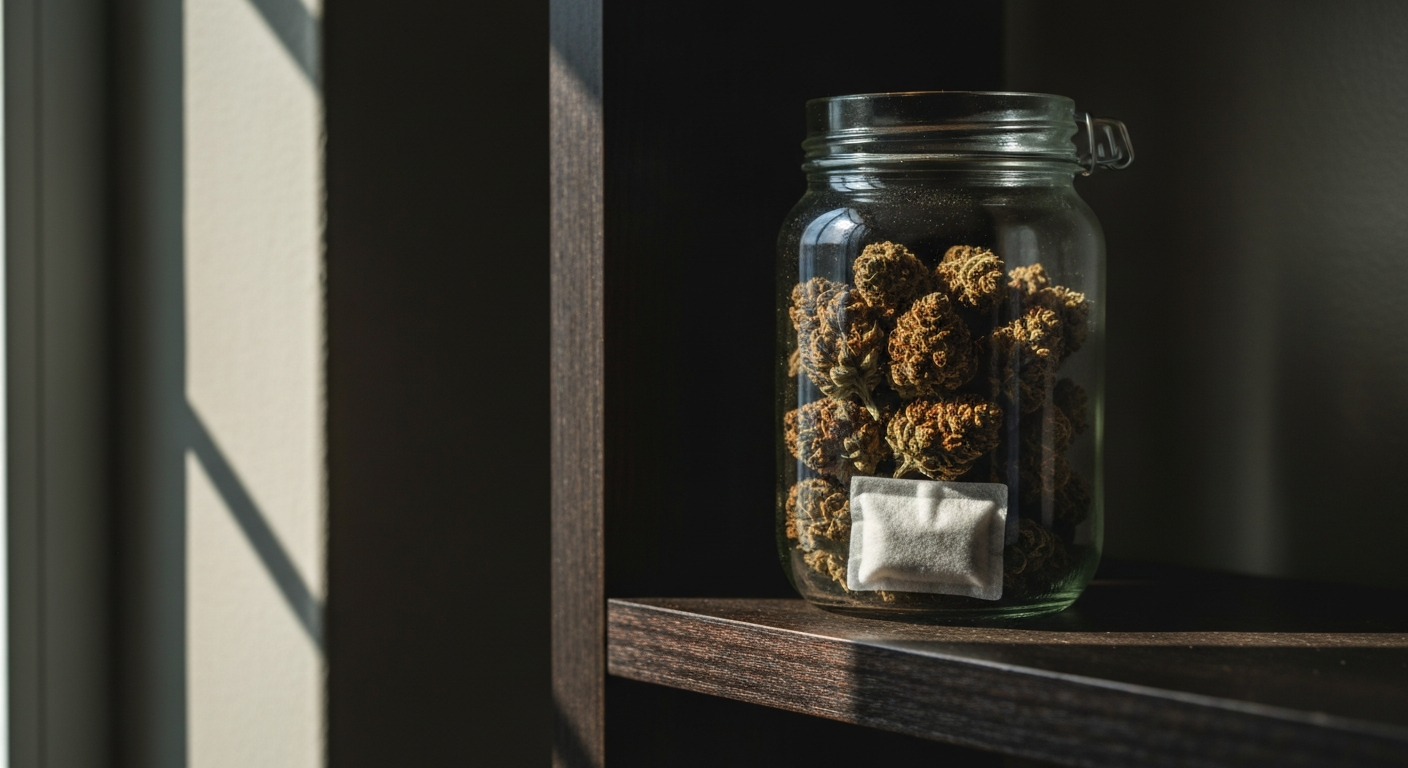

Your weed is brown because it was exposed to light, heat, or oxygen during storage, or it was harvested and cured improperly — all of which degrade THC into CBN and break down chlorophyll, leaving behind a dull brown color and diminished potency.
Brown cannabis isn't necessarily dangerous to smoke, but it typically indicates the cannabinoids and terpenes have degraded significantly. The good news: you can often salvage mildly brown weed and definitely prevent future batches from turning. This guide explains exactly why cannabis turns brown and what you can do about it in 2026.
| ✓Our Pick |
Airtight storage containers for keeping cannabis fresh Great value for money — this product tackles the root cause rather than just masking the symptoms. See on Amazon → |
Brown weed results from chemical degradation — specifically the breakdown of chlorophyll (which gives cannabis its green color) and the conversion of THC to CBN through oxidation and exposure to UV light.
Fresh, properly cured cannabis should be green with hints of purple, orange, or other colors depending on the strain. When you open a bag and find brown, tan, or grayish-brown buds instead, something went wrong at some point between harvest and your hands.
The browning process involves two main chemical changes. First, chlorophyll — the pigment responsible for the green color in plants — breaks down when exposed to light, heat, or simply over time. Second, THC (tetrahydrocannabinol) oxidizes into CBN (cannabinol), a less psychoactive cannabinoid that contributes to a sleepy, sedative effect rather than the typical high.
UV light is one of the biggest culprits. Sunlight and even strong artificial light trigger photodegradation, breaking down both the color compounds and the cannabinoids. This is why dispensaries store products in opaque or UV-blocking containers and why leaving your stash on a sunny windowsill is a terrible idea.
"Light, particularly UV light, is the single greatest factor in the degradation of cannabinoids." — Dr. Paul Shortell at the University of Mississippi School of Pharmacy
Excessive heat accelerates the degradation process dramatically. Temperatures above 70°F (21°C) speed up the conversion of THC to CBN, and temperatures above 86°F (30°C) can dry out terpenes — the aromatic compounds that give cannabis its flavor and contribute to its effects. Storing weed in a hot car, near a heater, or in an attic during summer can brown it within days.
Every time you open your container, you're introducing fresh oxygen. Oxygen triggers oxidation reactions that convert THC to CBN and degrade terpenes. This is why vacuum-sealed containers or those with one-way valves are preferred for long-term storage.
Cannabis that was rushed through the curing process or harvested at the wrong time often turns brown faster and may already show discoloration before you even buy it.
Curing is the controlled drying process that preserves cannabinoids and terpenes while breaking down chlorophyll slowly. When growers skip this step or rush through it, the chlorophyll doesn't break down properly during curing — instead, it degrades unevenly later, leaving brown patches and a harsh, grassy taste.
Harvest timing matters too. Cannabis harvested too late — when trichomes have already turned amber — starts its life cycle with higher CBN levels and degrades to brown more quickly. Over-mature buds may look slightly brown or amber from day one.
| Factor | Effect on Color | Effect on Potency |
|---|---|---|
| UV light exposure | Fades green to brown | Converts THC to CBN |
| Heat above 70°F | Accelerates browning | Degrades THC and terpenes |
| Oxygen exposure | Gradual browning | Oxidizes cannabinoids |
| Poor curing | Uneven brown patches | Harsh taste, lower quality |
| Late harvest | Amber/brown from start | Higher CBN, lower THC |
| Humidity too low | Dry, brown, crumbly | Terpene loss |
| Humidity too high | Brown mold spots | Potentially dangerous |
Also Read: Why Is My Room So Stuffy? 6 Causes & Easy Fixes
Cannabis doesn't technically expire like food, but it does degrade — and old weed almost always turns brown regardless of how well it was stored.
Even under perfect conditions (cool, dark, airtight), cannabis will slowly brown over time. Most experts suggest cannabis maintains peak quality for 6 to 12 months when stored properly. After one year, THC levels drop measurably. After two years, even well-stored cannabis will likely be brown, low in potency, and lacking in terpenes.
A 2019 study published in the Journal of Pharmacy and Pharmacology found that cannabis stored at room temperature lost approximately 16% of its THC content after one year. At higher temperatures, that loss accelerated dramatically.
If you inherited someone's old stash from the back of a drawer or found a forgotten jar from years ago, the brown color is simply age catching up. It's probably safe to smoke but won't deliver the experience you're hoping for.
Brown weed from age or light exposure looks uniformly dull, while mold appears as fuzzy white, gray, or dark spots — and moldy cannabis should never be smoked.
This distinction matters for your health. Aged brown weed is low quality but generally safe. Moldy weed can cause serious respiratory infections, especially in people with compromised immune systems.
Here's how to tell them apart:
If you see any fuzz, webbing, or distinct spots — especially combined with an off-putting smell — discard the cannabis entirely. No amount of potency is worth a lung infection.
"Aspergillus and other molds can colonize cannabis and produce mycotoxins that pose serious health risks when inhaled." — Dr. Monica Taing at Green Flower
Mildly brown cannabis can still be used, especially for edibles or concentrates, but severely degraded weed with no smell and a crumbly texture is best discarded.
If your weed is just slightly brown and still has some aroma, you have options:
If the cannabis crumbles to dust when touched, has absolutely no smell, or tastes unbearably harsh when smoked, there's not much left to salvage. At that point, the cannabinoids and terpenes are essentially gone.
Proper storage means keeping cannabis in an airtight, UV-blocking container at 60-68°F with 55-62% relative humidity — this can preserve freshness for up to a year or longer.
Prevention is far easier than trying to revive degraded cannabis. Follow these storage guidelines:
Glass mason jars work well for short-term storage. For longer preservation, use containers specifically designed for cannabis with UV-blocking glass or opaque materials. Avoid plastic bags (they create static that pulls trichomes off the buds) and clear containers (they let light through).
Store your container in a cool, dark place — a drawer, closet, or cupboard away from heat sources. Never store cannabis in the refrigerator (too much humidity fluctuation) or freezer (trichomes become brittle and break off).
The ideal relative humidity for cannabis storage is 55-62%. Below 50%, the buds dry out and terpenes evaporate. Above 65%, you risk mold growth. Humidity control packs (like Boveda or Integra Boost) maintain optimal moisture levels automatically.
Open your container only when you need to access the contents. If storing large amounts, divide into smaller containers so you're not exposing your entire supply every time. Vacuum-sealing works for very long-term storage but can crush delicate buds.
Also Read: Why Is My Antifreeze Brown? 6 Causes & How to Fix It
Sometimes brown coloration isn't degradation at all — certain strains naturally display brown, purple, or amber hues, and well-made hash or concentrates can be brown by design.
Before assuming your cannabis has gone bad, consider these possibilities:
The key differentiator is freshness. Naturally brown cannabis will still smell pungent and feel sticky with visible trichomes. Degraded cannabis smells flat or like hay and crumbles easily.
Brown weed results from light, heat, oxygen, or age breaking down chlorophyll and converting THC to CBN. While it's usually safe to consume, brown cannabis is weaker, harsher, and less flavorful than fresh product. Check for mold (fuzzy spots, musty smell) before using, and store future purchases in airtight, UV-blocking containers at cool temperatures with controlled humidity to prevent browning.
Brown weed from age or poor storage is generally safe to smoke — it just won't be as potent or pleasant as fresh cannabis. However, if the browning includes fuzzy patches, white spots, or a musty/ammonia smell, that indicates mold, which is dangerous to inhale. Always inspect closely before using.
A hay-like smell usually indicates the cannabis was dried too quickly or cured improperly. Proper curing slowly breaks down chlorophyll while preserving terpenes. When rushed, chlorophyll breaks down unevenly, and terpenes evaporate before they can develop, leaving that grassy, hay-like odor instead of the expected aroma.
Yes, but expect a different and weaker experience. As THC converts to CBN over time, the effects shift from an energetic high to a more sedative, sleepy feeling. Very old cannabis may barely produce any noticeable effects because most of the active cannabinoids have degraded.
Properly stored cannabis (cool, dark, airtight, 55-62% humidity) maintains peak quality for 6 to 12 months. After that, quality declines gradually. By 18-24 months, most cannabis will show significant degradation in color, smell, and potency regardless of storage conditions.
Color alone doesn't determine potency — genetics, growing conditions, and harvest timing matter far more for THC content. However, brown coloration on cannabis that was originally green typically indicates degradation and reduced potency. Fresh, properly cured cannabis should have vibrant colors and visible trichome crystals.
Reviewed and Updated on June 12, 2026 by George Wright