
Technology
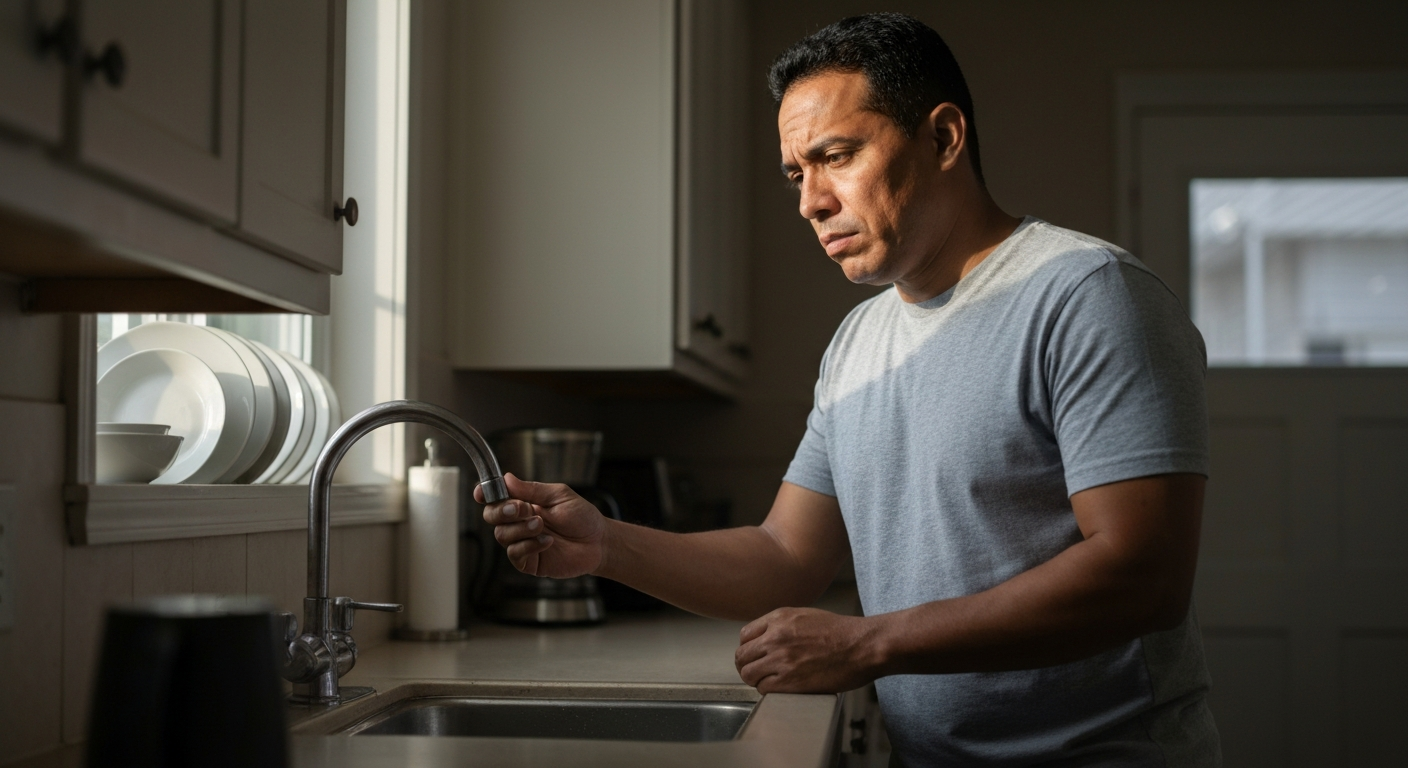

Your water is off because of one of five common issues: an unpaid bill triggered a utility shutoff, your main water valve got accidentally closed, a burst pipe or major leak forced an emergency shutoff, your local water company is performing scheduled maintenance, or there's a problem with your water meter or service line.
Discovering no water flowing from your taps is stressful, especially when you don't know why. The good news is that most causes are straightforward to diagnose and many you can fix yourself within minutes. This guide walks you through every reason your water might be shut off in your house and exactly what to do about each one.
| ✓Quick Fix |
What Actually Works for This, Fast Many readers dealing with this exact issue start with something like this before trying anything else. See on Amazon → |
Water outages fall into two categories: issues inside your home that you control, and external problems caused by your utility company or municipal infrastructure.
Understanding which type you're dealing with determines your next steps. Here's a quick diagnostic overview:
| Cause | Signs | Who Fixes It | Typical Resolution Time |
|---|---|---|---|
| Unpaid bill | Prior warning notices, service termination letter | You (pay balance) | 1–24 hours after payment |
| Closed main valve | No water anywhere in house, no warning | You (open valve) | 5 minutes |
| Burst pipe or major leak | Wet spots, water damage, high bill | You or plumber | Hours to days |
| Utility maintenance | Neighborhood also affected, advance notice | Water company | 2–8 hours typically |
| Meter or service line issue | Low pressure first, then no water | Water company | Varies widely |
If you've missed water bill payments, your utility can legally disconnect service after providing written notice—usually 10 to 30 days depending on your state.
This is the most common reason for an unexpected water shutoff. Utility companies are required to send termination notices before disconnecting service, but these letters can get lost, overlooked, or sent to an outdated address.
Check for signs of a billing-related shutoff:
- A door hanger or notice posted at your property
- Recent mail from your water utility you may have missed
- A past-due balance when you log into your account online
- A lock or tag on your water meter
"Most water utilities must provide at least two notices before shutting off service for non-payment, and many states prohibit shutoffs during extreme weather or for households with medical needs." — National Consumer Law Center at NCLC Reports
To restore service after a billing shutoff, you'll typically need to pay the past-due amount plus any reconnection fees. Many utilities offer payment plans or hardship programs if you're struggling—call and ask before assuming you must pay everything at once.
A closed main valve is the fastest problem to fix—and surprisingly common after recent plumbing work, home repairs, or if someone in your household accidentally turned it.
Your home has at least one main water shut-off valve that controls all water entering the building. If this valve is closed, nothing will flow from any faucet, showerhead, or appliance.
Where to find your main shut-off valve:
- Basements: Usually on the front wall facing the street, near the water meter
- Crawl spaces: Along the perimeter wall closest to the street
- Slab foundations: Often in the garage, near the water heater, or in a utility closet
- Outdoor locations: In a buried box near the property line (common in warmer climates)
The valve looks like either a wheel (gate valve) or a lever (ball valve). Turn a wheel counterclockwise to open; turn a lever parallel to the pipe to open. If the valve hasn't been touched in years, it may be stiff—apply steady pressure rather than forcing it.
Also Read: Why Is My Breaker Tripping? 6 Causes & How to Fix It
A significant leak or burst pipe can trigger your home's pressure to drop to zero, and in some cases, you or a family member may have shut off the water to prevent flooding.
Burst pipes are especially common in winter when temperatures drop below freezing, but they can happen year-round due to corrosion, high water pressure, or pipe age.
Signs a leak is causing your water outage:
- Wet spots on walls, ceilings, or floors
- The sound of running water when nothing is turned on
- A recent spike in your water bill
- Visible water pooling in your yard or basement
- Mold or mildew smell in enclosed spaces
If you suspect a burst pipe, locate your main shut-off valve immediately and close it to prevent further damage. Then inspect visible pipes for cracks, bulges, or active spraying. Burst pipes behind walls or underground require a licensed plumber with leak detection equipment.
"Homeowners should know the location of their main water shut-off valve before an emergency occurs. A burst pipe can release 4 to 8 gallons of water per minute, causing thousands of dollars in damage within an hour." — Insurance Information Institute at III.org
When your neighbors also have no water, the problem is almost certainly with the municipal supply—either a water main break or planned maintenance work.
Water utilities perform routine maintenance on pipes, hydrants, and treatment facilities that occasionally requires temporarily shutting off service to certain areas. They're supposed to notify affected customers in advance, though emergency repairs happen without warning.
How to check for area-wide outages:
- Visit your water utility's website (most have outage maps)
- Call your utility's automated service line
- Check local news or community social media groups
- Ask neighbors if they're also without water
If it's a planned outage, your utility should provide an estimated restoration time. For emergency main breaks, repairs typically take 4 to 12 hours depending on the severity and location.
During an area outage, avoid running faucets or flushing toilets more than necessary. When water returns, run cold water for a few minutes to clear any air or sediment before drinking or bathing.
A malfunctioning water meter, a meter that's been shut off at the curb, or damage to your service line between the meter and your home can all cause complete water loss.
Your water meter sits in a box or pit near the street and measures how much water enters your property. It has its own shut-off valve (called a curb stop) that only the water company is supposed to operate.
Check your meter box if accessible:
- Is there a lock or tag on the meter valve?
- Is the meter itself damaged or leaking?
- Are there signs of recent utility work in the area?
If the meter valve is closed and there's no billing issue, contact your water company—they may have accidentally closed it while working on a neighbor's service, or there could be a problem with your account.
Damage to the service line (the pipe running from the meter to your house) can cause water loss without any visible signs above ground. If you've ruled out other causes and your neighbors have water, request a service line inspection from your utility.
Work through this checklist systematically to identify whether the problem is inside your home, at your meter, or with the municipal supply.
Step 1: Check multiple faucets throughout your house. If only one fixture has no water, the problem is localized to that fixture's supply line. If no fixtures work, continue to step 2.
Step 2: Locate and inspect your main shut-off valve. Open it fully if it's partially or completely closed. Wait 30 seconds and test faucets again.
Step 3: Check your water meter box. Look for locks, tags, visible damage, or signs of recent work. Note whether the meter dial is moving (indicating water is flowing somewhere).
Step 4: Ask neighbors if they have water. If they don't, skip to contacting your utility about an area outage.
Step 5: Call your water utility. They can tell you if there's a shutoff on your account, an area outage, or a known issue with your service line.
Step 6: If the utility confirms the problem is on your side of the meter, inspect visible pipes for leaks and consider calling a licensed plumber.
Also Read: Why Is My Electric Bill So High?
Contact your water utility immediately—most will restore service the same day once payment is made, and many offer hardship programs you may not know about.
If you're facing a billing-related shutoff, you have more options than you might realize:
Payment assistance programs exist in most states. The Low Income Home Energy Assistance Program (LIHEAP) covers water bills in some jurisdictions. Many utilities have their own customer assistance funds for households experiencing temporary hardship.
Negotiate a payment plan before service is terminated. Once water is actually shut off, reconnection fees apply—often $25 to $100 or more. It's cheaper to arrange a plan while you still have service.
Request a medical exemption if applicable. Most states prohibit water shutoffs to households with residents who have serious medical conditions that require water access. You'll typically need documentation from a healthcare provider.
Dispute incorrect charges in writing. If your bill is wrong due to a meter error or leak, file a formal dispute. Utilities cannot shut off service while a legitimate dispute is pending in most jurisdictions.
| ✓Our Pick |
Whole-house water filter systems (protects from sediment and rust issues) Backed by strong customer feedback — the most recommended solution in forums and Q&A communities. See on Amazon → |
Your water is off because of an unpaid bill, a closed main valve, a leak or burst pipe, municipal maintenance, or a meter problem. Start by checking if neighbors have water—if they don't, it's an area outage and you wait for repairs. If they do, inspect your main shut-off valve next; it's the fastest fix if someone accidentally closed it. For billing shutoffs, contact your utility about payment plans or assistance programs. Burst pipes require immediate valve closure and likely a plumber. When in doubt, your water company can tell you exactly why your service is interrupted and what you need to do to restore it.
Payments can take 1–3 business days to process, so your utility may have initiated the shutoff before your payment cleared. Cross-postings between payment processors and utility billing systems cause delays, especially over weekends. Call your utility with your payment confirmation number—they can often restore service immediately once they verify the payment.
If only your home is affected, the problem is between your water meter and your fixtures. Check your main shut-off valve first—it may be partially closed. If the valve is open, you likely have a leak, a frozen pipe, or a blockage in your main supply line. Inspect visible pipes and listen for running water sounds behind walls.
This varies by state and reason for shutoff. For maintenance, utilities typically aim to restore service within 4–8 hours. For non-payment shutoffs, service stays off until you pay and request reconnection—there's no legal limit. However, many states require utilities to reconnect within 24 hours of receiving payment.
If your main valve inside your home is closed, yes—open it yourself. However, if the utility shut off your water at the meter or curb stop, turning it back on yourself is illegal in most jurisdictions and may result in fines, back-billing, or criminal charges. The curb stop requires a special tool and is utility property.
Shutting off water doesn't directly cause pipes to burst, but if temperatures drop below freezing while water is off, residual water in pipes can freeze and expand. If you're facing an extended shutoff during cold weather, drain your pipes by opening faucets at the lowest point in your home and flushing toilets to minimize freeze risk.
Reviewed and Updated on June 20, 2026 by George Wright