
Finance
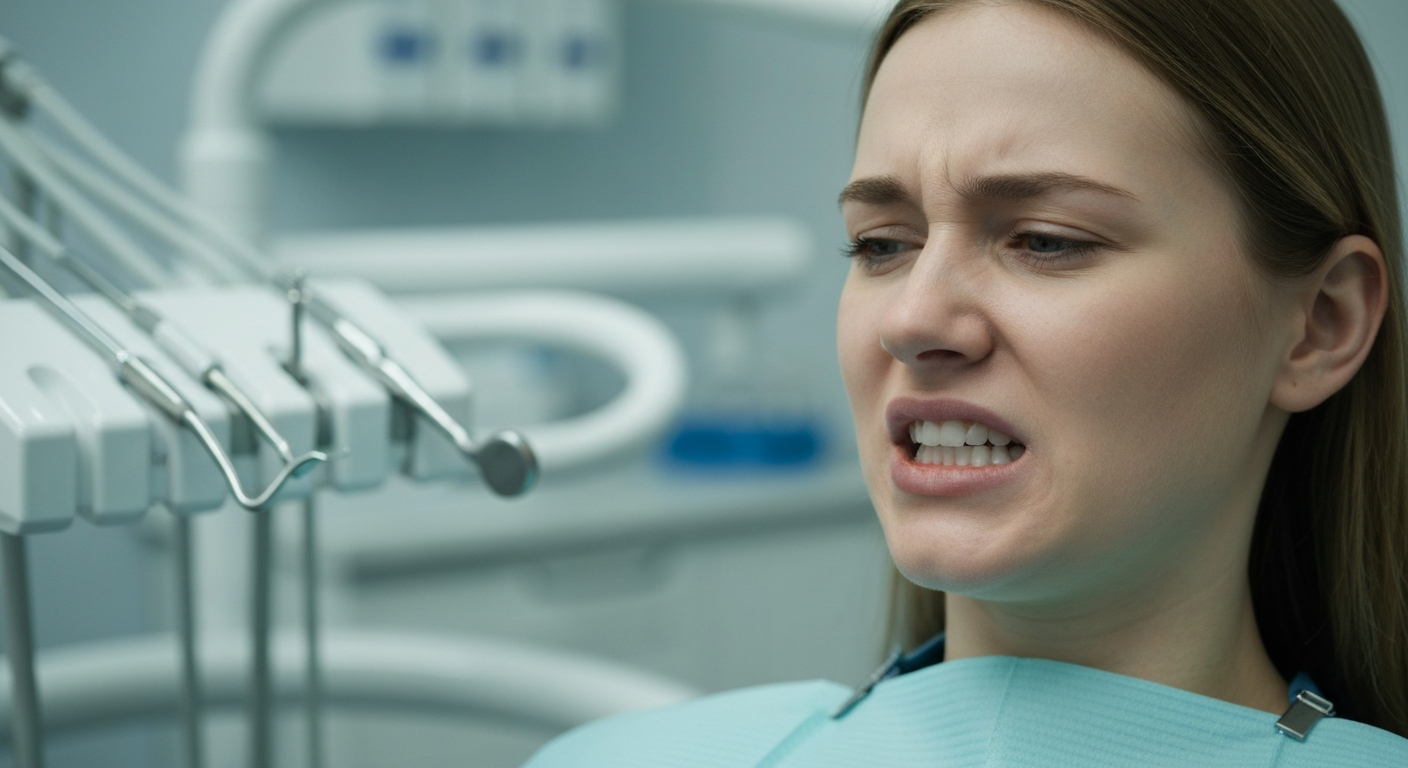

A swollen jaw typically signals an infection, dental problem, or injury — the most common culprits are abscessed teeth, impacted wisdom teeth, salivary gland blockages, and TMJ disorders, though lymph node swelling from illness can also cause noticeable puffiness along the jawline.
Jaw swelling can appear suddenly or build gradually over days, and the underlying cause determines whether you need urgent care or can manage it at home. The location of the swelling (one side vs. both, near the ear vs. under the chin), accompanying symptoms like pain or fever, and how quickly it developed all provide important clues. This guide walks you through the most likely reasons your jaw is swollen in 2026, what each condition looks like, and when you need to see a doctor or dentist right away.
An abscessed tooth is one of the most common reasons for jaw swelling — bacteria from a deep cavity or cracked tooth spread into the surrounding bone and soft tissue, causing a painful, localized lump that can make your whole face look puffy.
When decay reaches the inner pulp of your tooth, bacteria multiply and create a pocket of pus called an abscess. This infection doesn't stay contained — it spreads into the jawbone and the soft tissue around it, causing significant swelling that often appears near the affected tooth but can extend across your entire cheek or under your chin.
You'll typically notice:
- Throbbing pain that gets worse when you bite down or lie flat
- A visible bump on your gum near the tooth (sometimes with a white or yellow head)
- Swelling that's warm to the touch
- A foul taste in your mouth if the abscess drains
- Fever and general feeling of being unwell
"Dental abscesses can be serious because the infection can spread to other parts of the body, including the brain, in rare cases. Symptoms include intense, throbbing pain, swelling in the face or cheek, and fever." — Cleveland Clinic
A dental abscess won't resolve on its own — you need professional treatment to drain the infection and either save the tooth with a root canal or extract it. Left untreated, the infection can spread to your neck, airway, or bloodstream, which can become life-threatening.
Also Read: Why Is My Jaw Popping When I Eat? 6 Causes & Fixes
Wisdom teeth that can't fully emerge through the gum create a perfect environment for infection, leading to swelling at the back of the jaw that can extend to your cheek, ear, and neck.
Most people's mouths don't have enough room for their third molars, which typically try to come in between ages 17 and 25. When a wisdom tooth is partially impacted (only partway through the gum), a flap of tissue covers part of it. Food and bacteria get trapped under this flap, causing an infection called pericoronitis.
Signs of wisdom tooth problems include:
- Swelling concentrated at the back corner of your jaw
- Pain that radiates to your ear or down your neck
- Difficulty opening your mouth fully
- Red, inflamed gum tissue around the partially visible tooth
- Bad breath and an unpleasant taste
Even fully impacted wisdom teeth (completely under the gum) can develop cysts or infections that cause jaw swelling. If you're in your late teens or twenties and experiencing swelling near the angle of your jaw, wisdom teeth should be high on your list of suspects.
| ✓Our Pick |
Custom night guard for jaw clenching and grinding Trusted by professionals and everyday users alike — a smart investment that pays for itself. Learn More → |
Blocked or infected salivary glands cause swelling under your jaw or in front of your ears — the swelling often gets worse right before or during meals when your glands try to produce saliva.
You have three pairs of major salivary glands: the parotid glands (in front of each ear), submandibular glands (under your jaw), and sublingual glands (under your tongue). Any of these can become blocked by a stone (sialolithiasis) or infected (sialadenitis).
| Gland | Location | Swelling Appears |
|---|---|---|
| Parotid | In front of ear | Cheek and side of face |
| Submandibular | Under jawbone | Under chin, along jawline |
| Sublingual | Under tongue | Floor of mouth, under chin |
Salivary stones form when minerals in your saliva crystallize, blocking the duct that drains the gland. When you eat (especially sour or citrus foods), your gland produces saliva that can't escape, causing sudden, painful swelling that may partially subside between meals.
Symptoms of salivary gland problems include:
- Swelling that increases during eating
- Pain when swallowing or opening your mouth wide
- Dry mouth if the gland is significantly blocked
- Pus draining into your mouth if the gland is infected
- A palpable lump if the stone is near the duct opening
"Salivary gland stones are the most common cause of inflammatory salivary gland disease. About 80% of stones occur in the submandibular gland, 19% in the parotid gland, and 1% in the sublingual gland." — American Academy of Otolaryngology
Small stones sometimes pass on their own with increased hydration, warm compresses, and gentle massage. Larger stones or infected glands need medical treatment — possibly antibiotics, a minor procedure to remove the stone, or in severe cases, surgery.
Also Read: Why Is My Jaw Tight? 7 Causes & How to Get Relief
Temporomandibular joint (TMJ) disorders can cause swelling in front of your ears where the jaw hinges — this is often accompanied by clicking, popping, or difficulty opening your mouth.
Your TMJ is the hinge connecting your lower jaw to your skull, and it's one of the most complex joints in your body. When this joint becomes inflamed due to arthritis, injury, teeth grinding (bruxism), or jaw misalignment, you may notice swelling along with other symptoms.
TMJ-related swelling typically presents as:
- Puffiness in front of one or both ears
- Tenderness when you press on the joint
- Pain that worsens when chewing
- Clicking, popping, or grinding sounds when you move your jaw
- Feeling like your jaw gets "stuck" or locks
Unlike infection-related swelling (which is usually warm, red, and progresses quickly), TMJ inflammation tends to develop gradually and fluctuate with jaw use. Stress often makes it worse because many people clench or grind their teeth without realizing it, especially at night.
If you wake up with jaw swelling and pain that improves somewhat during the day, nighttime teeth grinding is a likely contributor. A custom night guard can protect your teeth and reduce the strain on your TMJ.
Enlarged lymph nodes are your body's response to infection — when you're fighting off a cold, throat infection, or dental problem, the lymph nodes under your jaw can swell to the size of grapes or larger.
You have a chain of lymph nodes running along your jawline and under your chin. These small, bean-shaped structures filter lymph fluid and trap bacteria, viruses, and other foreign particles. When they're working hard to fight an infection, they enlarge and become tender.
Common causes of swollen jaw lymph nodes include:
- Upper respiratory infections (colds, flu, sinus infections)
- Strep throat or tonsillitis
- Ear infections
- Dental infections
- Mononucleosis ("mono")
- Skin infections on the face or scalp
Lymph node swelling from common infections typically:
- Affects multiple nodes (though one may be larger)
- Feels soft and moveable under the skin
- Is tender to the touch
- Resolves within 2-3 weeks as the infection clears
"Lymph nodes swell when an infection or illness affects them. This typically occurs from a common infection like a cold. But lymph node swelling could be due to a more serious condition, including cancer." — Mayo Clinic
If your lymph node swelling persists for more than two weeks, the node is hard and immoveable, or you have unexplained weight loss, night sweats, or fatigue, see your doctor promptly to rule out more serious causes.
A blow to the face, sports injury, or even biting down on something hard can cause immediate jaw swelling from bruising, muscle damage, or in serious cases, a fracture.
Traumatic jaw swelling usually has an obvious cause — you got hit in the face, fell, or had a dental procedure. The swelling develops quickly (within minutes to hours) and is often accompanied by bruising.
Signs your jaw swelling might be from injury:
- Clear memory of impact or trauma
- Bruising or discoloration of the skin
- Pain that's worst at the injury site
- Swelling that peaks within 24-48 hours then gradually improves
- Difficulty opening or closing your mouth
If you suspect a jaw fracture — especially if your bite feels "off," you can't close your teeth normally, or you have numbness in your chin or lip — seek emergency care immediately. A fractured jaw needs proper immobilization to heal correctly.
For minor injuries, the standard RICE protocol helps: Rest (don't chew gum or tough foods), Ice (20 minutes on, 20 minutes off), Compression isn't practical for the jaw, and Elevation (sleep with your head slightly raised).
Also Read: Why Is My Jaw Crooked? 5 Causes & Treatments
While infections and dental problems cause most jaw swelling, other conditions — including allergic reactions, mumps, and rarely tumors — can also be responsible.
Allergic reactions can cause rapid facial swelling, including the jaw area. If swelling comes on suddenly after eating a new food, taking medication, or being stung by an insect, and especially if you have difficulty breathing or throat tightness, seek emergency care immediately.
Mumps, though less common due to vaccination, still occurs and causes characteristic swelling of the parotid glands on both sides of the face. The classic "chipmunk cheek" appearance plus fever and fatigue suggest mumps, which is highly contagious.
| Condition | Key Features | Urgency |
|---|---|---|
| Allergic reaction | Rapid onset, hives, breathing difficulty | Emergency |
| Mumps | Both sides swollen, fever, fatigue, unvaccinated | See doctor within 24 hours |
| Tumors/growths | Painless, slowly growing, hard, immoveable | See doctor within 1-2 weeks |
| Cellulitis | Spreading redness, warm skin, fever | Urgent care same day |
Tumors and cysts in the jaw are rare but do occur. A painless lump that grows slowly over weeks to months, feels hard, and doesn't move when you press on it warrants medical evaluation — most jaw lumps aren't cancer, but early evaluation is important.
The location, timing, associated symptoms, and whether swelling is on one side or both can help narrow down the cause before you see a doctor.
Use this diagnostic checklist:
Location:
- Near a specific tooth → dental abscess
- Back corner of jaw (late teens/early 20s) → wisdom teeth
- Under jaw, worse with eating → salivary gland
- In front of ear → TMJ or parotid gland
- Along jawline, moveable lumps → lymph nodes
Timing:
- Sudden onset after eating → allergic reaction (urgent)
- Gradual over days with fever → infection
- Worse in morning, improves during day → nighttime grinding/TMJ
- Worse during meals → salivary gland blockage
Associated symptoms:
- Toothache → dental infection
- Ear pain, clicking when chewing → TMJ
- Sore throat, cold symptoms → lymph node response to infection
- Fever, pus, bad taste → active infection (needs treatment)
Some jaw swelling signals a medical emergency — knowing the red flags can save your life.
Go to the emergency room immediately if you have:
- Difficulty breathing or swallowing
- Swelling that's spreading rapidly down your neck
- Fever over 101°F (38.3°C) with jaw swelling
- Trismus (inability to open your mouth more than two finger-widths)
- Signs of allergic reaction (hives, throat tightness, dizziness)
A severe dental infection can spread to the spaces in your neck and compromise your airway — this is called Ludwig's angina and is a life-threatening emergency. If you have a swollen jaw plus difficulty breathing, swallowing, or speaking, don't wait.
See a dentist or doctor within 24-48 hours if you have:
- Moderate swelling with toothache
- Swelling that's getting progressively worse
- Low-grade fever with facial swelling
- Pus draining from your gum or mouth
- Swelling after a dental procedure that isn't improving
Jaw swelling most commonly results from dental infections (abscessed teeth, impacted wisdom teeth), salivary gland blockages, TMJ inflammation, or swollen lymph nodes fighting off illness. The location and timing of your swelling, along with symptoms like fever, pain when eating, or clicking sounds, help identify the cause. While many causes are treatable with antibiotics or minor procedures, rapid swelling with breathing difficulty, spreading redness, or high fever requires emergency care — these can signal dangerous infections that spread quickly.
One-sided jaw swelling usually points to a localized problem — a dental abscess on that side, an impacted wisdom tooth, a blocked salivary gland, or swollen lymph nodes responding to a one-sided infection like an ear infection. It's less likely to be a systemic illness (like mumps, which typically affects both sides) and more likely something affecting a specific tooth, gland, or lymph node group. If you can point to a specific tooth that's been bothering you, that's your most likely culprit.
Stress doesn't directly cause jaw swelling, but it can trigger the conditions that do. Stress commonly leads to teeth clenching and grinding (bruxism), which inflames the TMJ and surrounding muscles, causing puffiness and pain around the joint. Stress also suppresses your immune system, making you more susceptible to infections that cause lymph node swelling. If you notice jaw swelling during high-stress periods, nighttime grinding is worth investigating — many people don't realize they do it.
If your swelling is mild, appeared after a minor injury, or seems connected to a cold you're already recovering from, watching it for 2-3 days is reasonable. However, seek same-day care if you have fever, the swelling is worsening, you can't open your mouth properly, or you have severe tooth pain. Get emergency care immediately if swelling is spreading to your neck, you have trouble breathing or swallowing, or you have signs of a severe allergic reaction.
Antibiotics treat bacterial infections — so if your jaw swelling is from an abscessed tooth, infected salivary gland, or cellulitis, antibiotics are part of the solution. However, antibiotics alone often aren't enough for dental abscesses; the source of infection (the dead tooth or trapped food debris) needs to be addressed through dental treatment. Antibiotics also won't help TMJ-related swelling, viral infections, or allergic reactions.
Yes, though most jaw swelling has treatable causes. Warning signs of serious conditions include: a painless, hard, immoveable lump (which should be evaluated for tumors),
Reviewed and Updated on May 21, 2026 by George Wright