
Health
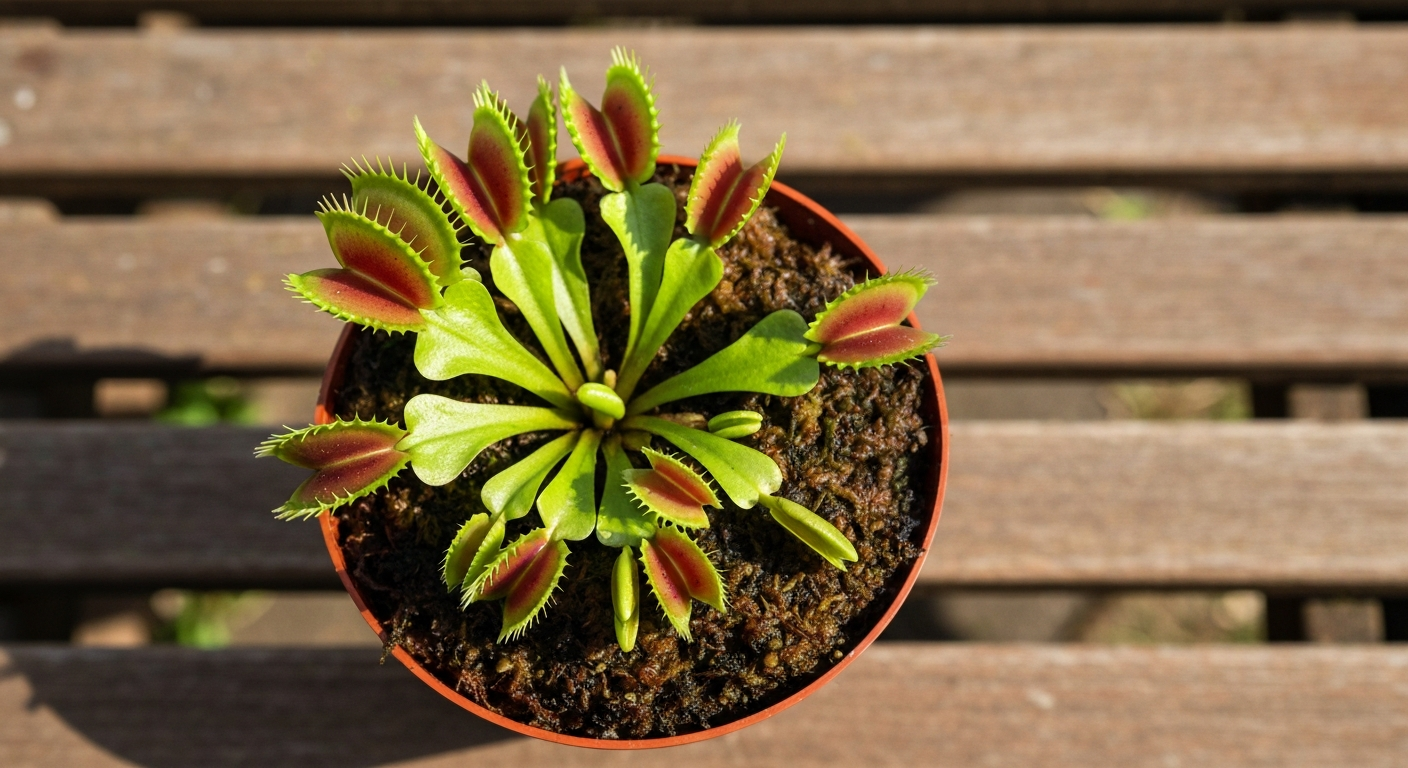

A Venus flytrap stops closing when it has been triggered too many times without catching food, is in poor health from inadequate light or wrong soil, is dormant, or the trap is already at the end of its lifespan — each of these is fixable with a straightforward care adjustment.
Also Read: Why Is My Rhubarb Green? 6 Causes & Growing Tips
A trap closes when its trigger hairs are stimulated twice within 20 seconds. If it fails to close, the problem is almost always that the trap is exhausted, unhealthy, or being tripped incorrectly.
Venus flytraps (Dionaea muscipula) use one of the fastest mechanical movements in the plant kingdom. Each trap has three to four trigger hairs on its inner surface. A single touch causes a small electrical charge. A second touch within 20 seconds — or enough cumulative stimulation — triggers a hydraulic snap that closes the trap in less than a second. This two-touch mechanism evolved to prevent the plant from wasting energy closing on raindrops or non-food debris.
The International Carnivorous Plant Society notes that each trap can only open and close a limited number of times before it becomes exhausted and dies back naturally, while a healthy new trap grows from the rosette base to replace it.
"Each trap can only open and close a limited number of times before it dies. Do not repeatedly trigger traps for amusement — it stresses the plant and depletes the traps faster than they can be replaced." — International Carnivorous Plant Society at carnivorousplants.org
Seven causes account for virtually all closing failures. Work through them in the order below — the first two are by far the most common.
This is the number one reason a Venus flytrap trap fails to close. Each individual trap has a finite energy budget — typically 3 to 7 cycles of opening and closing before it begins to die back. If you or a curious visitor has triggered the trap repeatedly with a finger, pen, or small object, it may simply be exhausted and unable to close again. A trap that has turned black is dead and will not recover — but the plant itself is fine, and a fresh trap will grow from the base.
Solution: Stop triggering traps unnecessarily. Let existing traps rest and catch insects on their own.
Venus flytraps need at least four to six hours of direct sunlight daily. In low light, the plant cannot photosynthesize enough energy to power the hydraulic mechanism that snaps the trap shut. An underpowered trap closes sluggishly or not at all. Outdoors is ideal. Indoors, a south-facing window or supplemental grow lighting (fluorescent or LED at 2,000+ lux) is necessary.
Plants that have been kept in dim light for weeks often show pale, yellowish leaves alongside closing failure. Gradual transition to higher light — not sudden full sun — avoids sunburn.
Venus flytraps are native to the Carolinas and require a winter dormancy period of 3 to 5 months at cool temperatures (35–50°F). During dormancy, traps slow dramatically or stop responding entirely. The plant looks sick — small, limp, and unresponsive — but this is normal and healthy. If your plant stopped closing in late autumn or winter and temperatures in its environment dropped below 55°F, it is likely dormant. Let it rest in a cool, bright location and resume normal care in spring.
Venus flytraps require poor, acidic soil — pure peat moss and perlite or sphagnum moss only. Potting mix, compost, or fertilized soil kills them. The nutrients in standard soil damage the root system, preventing the plant from translocating the energy needed for trap movement. If your plant has been in the wrong soil for months, it may be slowly dying from root damage. Repot immediately into pure sphagnum or a 50/50 peat-perlite blend.
Also Read: Why Is My Anthurium Leaves Turning Brown? 7 Causes & Fixes
Venus flytraps are sensitive to minerals in tap water. Fluoride, chlorine, and dissolved salts build up in the soil over time, poisoning the roots. Only distilled water, reverse-osmosis water, or collected rainwater should be used — never tap, filtered pitcher, or bottled spring water. If you have been using tap water, flush the pot thoroughly with distilled water or repot into fresh medium.
A trap that has caught and is digesting prey remains sealed for 5 to 12 days. It will not respond to external stimulation during this time because it is already active. If a trap appears closed but is not blackening, check whether there is a small insect inside. Give it time — the trap will reopen once digestion is complete.
Chronic stress from underwatering, overwatering, incorrect pot size, or root rot weakens the entire plant's ability to power its traps. A healthy Venus flytrap has bright green outer leaves, dark red inner surfaces, and firm, upright traps. A plant with soft, rotting roots, pale coloring throughout, or persistent trap failure across all traps likely has a systemic issue requiring repotting and improved care conditions.
"Dionaea muscipula is uniquely adapted to low-nutrient, acidic, bog-like conditions. The most common cultivation mistakes are using the wrong soil type and incorrect water. These two errors cause more plant deaths than all other factors combined." — Tamlin Dawnstar at Flytrap Care
| Symptom | Most Likely Cause | Fix |
|---|---|---|
| One trap won't close, others fine | That trap is exhausted | Leave it — new traps will grow |
| All traps slow or unresponsive | Insufficient light | Move to brighter location |
| Traps limp and pale in winter | Normal dormancy | Keep cool and bright; resume care in spring |
| Yellowing leaves, weak traps | Wrong soil or tap water | Repot to peat/perlite; switch to distilled water |
| One trap permanently sealed | Currently digesting prey | Wait 5–12 days for reopen |
If just one Venus flytrap trap won't close, it has likely been triggered too many times and is exhausted — new traps will replace it naturally. If all the traps are slow or unresponsive, the plant needs more light or a soil and water correction. Flytraps grown in the right conditions — full sun, distilled water, and unamended acidic soil — rarely have persistent closing problems.
No. Repeatedly triggering a Venus flytrap for entertainment depletes its traps. Each closure consumes stored energy the plant could use to catch real prey. Trigger the plant only when you are feeding it or performing a legitimate health check, not for amusement.
In a well-lit outdoor location, Venus flytraps catch their own insects and do not need supplemental feeding. Indoors, feed one insect per trap (live or recently dead) every two to four weeks during the growing season. Never feed meat, cheese, or human food — only appropriate live insects or freeze-dried bloodworms.
Black traps are dead traps, which is completely normal — each trap lives for only a limited number of cycles. The trap turns black, dries, and falls off while the plant grows new traps from the rosette center. Black traps are a concern only when new growth is also dying or the entire plant is blackening from the base up, which signals root rot.
Yes, but it grows more slowly. Venus flytraps photosynthesize like other plants and can survive without any insect feeding, especially if given adequate light. Insects supplement nitrogen in their nutrient-poor natural environment. A healthy, well-lit plant in the right soil will live without feeding; it will simply produce smaller, less vigorous traps over time.
Reviewed and Updated on June 5, 2026 by George Wright