
Technology
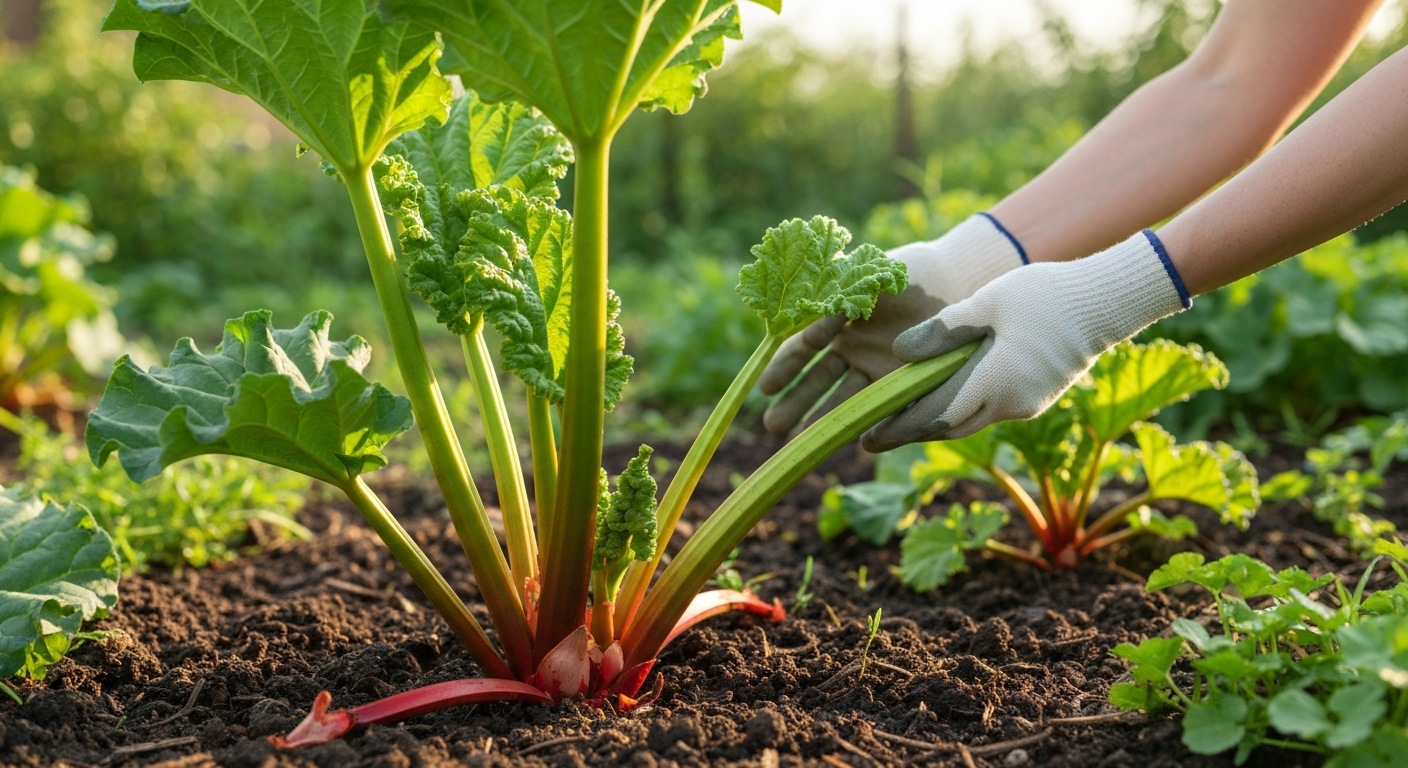

Your rhubarb is green instead of red because of its variety — many rhubarb cultivars are naturally green-stalked, and this is completely normal and edible. While we often picture rhubarb as having those iconic crimson stalks, color is primarily determined by genetics, not ripeness or growing conditions. Green rhubarb tastes just as good and is equally safe to eat, though environmental factors like sunlight exposure, soil nutrients, and temperature can influence how much red pigment develops in varieties that do produce it.
| ✓Our Pick |
Soil test kits and garden fertilizers for better rhubarb harvests This is the go-to fix recommended by professionals — save time and money by getting it right the first time. See on Amazon → |
Yes — the most common reason your rhubarb is green is simply that you're growing a green variety, and these are just as valuable for cooking as their red counterparts.
Rhubarb comes in three main color categories: red-stalked, green-stalked, and speckled (pink or green with red flecks). The popular Victoria variety, one of the most widely grown in American gardens, produces predominantly green stalks with only slight pink blushing near the base. Other common green varieties include Riverside Giant and German Wine.
The red color in rhubarb stalks comes from anthocyanins — the same pigments that make blueberries blue and red cabbage red. Green varieties simply produce less of this pigment due to their genetic makeup. This has nothing to do with the plant's health, age, or your gardening skills.
| Variety Type | Common Examples | Stalk Color | Flavor Profile |
|---|---|---|---|
| Red varieties | Crimson Red, Canada Red, Valentine | Deep red throughout | Sweeter, milder tartness |
| Green varieties | Victoria, Riverside Giant, German Wine | Green to light pink | More tart, robust flavor |
| Speckled varieties | Timperley Early, Glaskin's Perpetual | Pink-green with streaks | Balanced sweet-tart |
If you inherited your rhubarb plant from a previous homeowner or received divisions from a neighbor, you may simply have a green variety without realizing it. This is extremely common since rhubarb plants can live for 20 years or more and get passed around gardening communities.
Light exposure plays a secondary role in rhubarb color development — stalks grown in shade tend to be greener, while those receiving more direct sunlight develop deeper red tones (if the variety has that genetic potential).
Anthocyanin production in plants is triggered partly by UV light exposure. Rhubarb planted in a shadier spot in your garden may never develop as much red pigment as the same variety grown in full sun. If your rhubarb bed is under a tree canopy or on the north side of your house, this could explain the greener stalks.
However, sunlight alone cannot make a genetically green variety turn red. Think of it like hair color — environmental factors can make blonde hair lighter or darker, but they cannot turn blonde hair black. The genetic baseline determines the range of possible colors.
For varieties that can produce red pigment, aim for 6 to 8 hours of direct sunlight daily. Morning sun is particularly beneficial because it provides good light intensity without the extreme heat of afternoon sun that can stress the plant.
Also Read: Why Is My Ductwork Sweating? 6 Causes & How to Fix It
Nutrient deficiencies and soil pH imbalances can affect rhubarb pigmentation, though variety still matters most.
Rhubarb thrives in rich, well-draining soil with a pH between 6.0 and 6.8. When soil conditions are suboptimal, the plant prioritizes survival over pigment production. Specifically, these soil factors can influence color:
Nitrogen levels. Too much nitrogen encourages leafy green growth at the expense of stalk color development. If you've been heavily fertilizing your rhubarb or planting it near a lawn that receives regular nitrogen applications, this could contribute to greener stalks.
Phosphorus availability. Phosphorus plays a role in anthocyanin synthesis. Soils low in phosphorus may produce plants with less red coloration. A soil test can reveal whether this is an issue in your garden.
Organic matter content. Rhubarb grown in rich, composted soil with plenty of organic matter tends to develop better color than plants in poor, depleted soil. The diverse nutrients and beneficial microorganisms in healthy soil support all plant processes, including pigment production.
"Rhubarb is a heavy feeder that benefits from annual applications of well-rotted manure or compost in early spring." — University of Minnesota Extension
If your rhubarb was red when you first planted it and has gradually become greener over the years, soil depletion could be a factor. Amend the bed with 2 to 3 inches of compost each spring and consider a balanced organic fertilizer.
Cool spring temperatures encourage red pigment development, while warm weather tends to produce greener stalks.
Anthocyanin production increases when rhubarb experiences cool nights followed by sunny days — the classic early spring pattern in northern climates. This temperature fluctuation triggers the plant to produce protective pigments. As temperatures warm consistently above 75°F, stalks harvested later in the season often appear greener than those cut in April or May.
This explains why the same plant can produce reddish stalks in early spring and greener ones by June. It also explains regional differences — gardeners in cooler climates like Minnesota or Maine often report redder rhubarb than those growing it in warmer zones.
If you want redder stalks, focus your harvest on the early spring flush when temperatures are still cool. By mid-summer, many varieties naturally produce greener growth regardless of their genetic potential for red color.
Green rhubarb stalks are completely safe and edible — color indicates variety and growing conditions, not toxicity or ripeness.
There's a common misconception that green rhubarb is unripe or somehow dangerous. This likely stems from confusion with the leaves, which are genuinely toxic due to high oxalic acid concentrations. The stalks — whether red, green, or speckled — contain much lower oxalic acid levels and are safe to eat.
The only difference you might notice is in flavor. Green varieties tend to be slightly more tart than red ones, which some bakers actually prefer because the tartness balances better with sugar in pies and jams. The color also affects aesthetics — a strawberry-rhubarb pie made with green rhubarb will look different than one made with red stalks, but it will taste just as delicious.
"All rhubarb varieties are edible. The color of the stalk does not indicate ripeness or sweetness." — Iowa State University Extension
For recipes where appearance matters, you can compensate by adding strawberries, raspberries, or a few drops of natural food coloring. Many commercial rhubarb products use green varieties because they're often more productive and vigorous than red cultivars.
If you have a variety capable of producing red pigment, optimizing growing conditions can maximize color development.
Start with these practical steps:
Test your soil pH. Aim for 6.0 to 6.8. Add garden lime if too acidic or sulfur if too alkaline.
Apply compost annually. Spread 2 to 3 inches of well-rotted compost around the crown in early spring, keeping it a few inches away from the central buds.
Ensure adequate sunlight. Transplant to a sunnier location if your current spot receives less than 6 hours of direct sun.
Harvest early. Pick stalks in the early spring flush when cool nights promote anthocyanin production.
Avoid over-fertilizing with nitrogen. Skip lawn fertilizer near rhubarb beds and use balanced organic amendments instead.
Force rhubarb for redder stalks. Covering the crown with a forcing pot or bucket in late winter produces pale pink to red stalks that are sweeter and more tender. This traditional technique blocks light and triggers early growth.
If you've optimized conditions and still have green rhubarb, accept that you likely have a green variety. Consider planting a known red cultivar like Canada Red or Valentine in a different spot if red color is important to you.
There's no practical reason to replace a healthy green rhubarb plant unless the specific color matters for your purposes.
Green varieties are often more vigorous, disease-resistant, and productive than their red counterparts. Victoria, the most common green variety, has been popular since the 1800s precisely because it's reliable and produces abundant harvests. Replacing a mature, productive plant with a red variety means starting over with a 2- to 3-year establishment period before you can harvest normally.
If you want red rhubarb for aesthetic reasons — perhaps for naturally pink rhubarb syrup or a picture-perfect pie — add a red variety to your garden rather than removing the green one. This gives you options for different recipes and extends your harvest since different varieties mature at slightly different times.
| Consideration | Keep Green Rhubarb | Add or Switch to Red |
|---|---|---|
| Plant health | Healthy, productive | Consider if underperforming anyway |
| Harvest quantity | Green varieties often more productive | Red varieties may yield less |
| Flavor preference | More tart, robust | Slightly sweeter, milder |
| Appearance in recipes | Less important | Critical for your purposes |
| Time to harvest | Immediate, established plant | 2-3 years for new plant |
Your rhubarb is green primarily because of its variety — green-stalked cultivars like Victoria are extremely common and perfectly normal. While sunlight, soil conditions, and temperature can influence pigmentation in varieties capable of producing red color, genetics set the baseline. Green rhubarb is completely safe, equally nutritious, and often more tart than red varieties, making it excellent for baking. If you want redder stalks, optimize growing conditions with full sun, balanced soil, and early-season harvesting — or add a known red variety to your garden alongside your productive green plant.
Green rhubarb tends to be slightly more tart and has a more robust, earthy flavor compared to red varieties. Red rhubarb is often described as milder and sweeter, though both still require sugar when cooking due to their natural acidity. Many bakers actually prefer green varieties because the stronger tartness balances better with sweet ingredients in pies, crisps, and jams.
You cannot fundamentally change a green variety into a red one — genetics determine the color range. However, if your variety has red potential, you can encourage more pigment by ensuring full sun exposure, maintaining proper soil nutrition, and harvesting during cool spring weather. Forcing rhubarb under a dark pot also produces paler pink stalks in varieties with red genetics.
Green rhubarb stalks are safe to eat raw, though most people find them too tart to enjoy without cooking and sweetening. The green color does not indicate toxicity — only the leaves are dangerous due to high oxalic acid levels. Raw rhubarb can be thinly sliced and added to salads or dipped in sugar for a tangy snack.
This seasonal shift is normal. Cool spring temperatures trigger anthocyanin (red pigment) production, so early-season stalks often show more red coloration. As temperatures rise above 75°F in late spring and summer, stalks produced during this warmer period typically appear greener even on the same plant. Harvest early for the reddest stalks.
Canada Red and Valentine are popular choices for home gardeners wanting reliably red stalks. Crimson Red produces deep red coloration throughout the stalk rather than just near the base. When purchasing, buy from reputable nurseries that label varieties clearly, since many "rhubarb" plants sold at big-box stores are unlabeled Victoria or other green cultivars.
Reviewed and Updated on June 3, 2026 by George Wright