
Technology
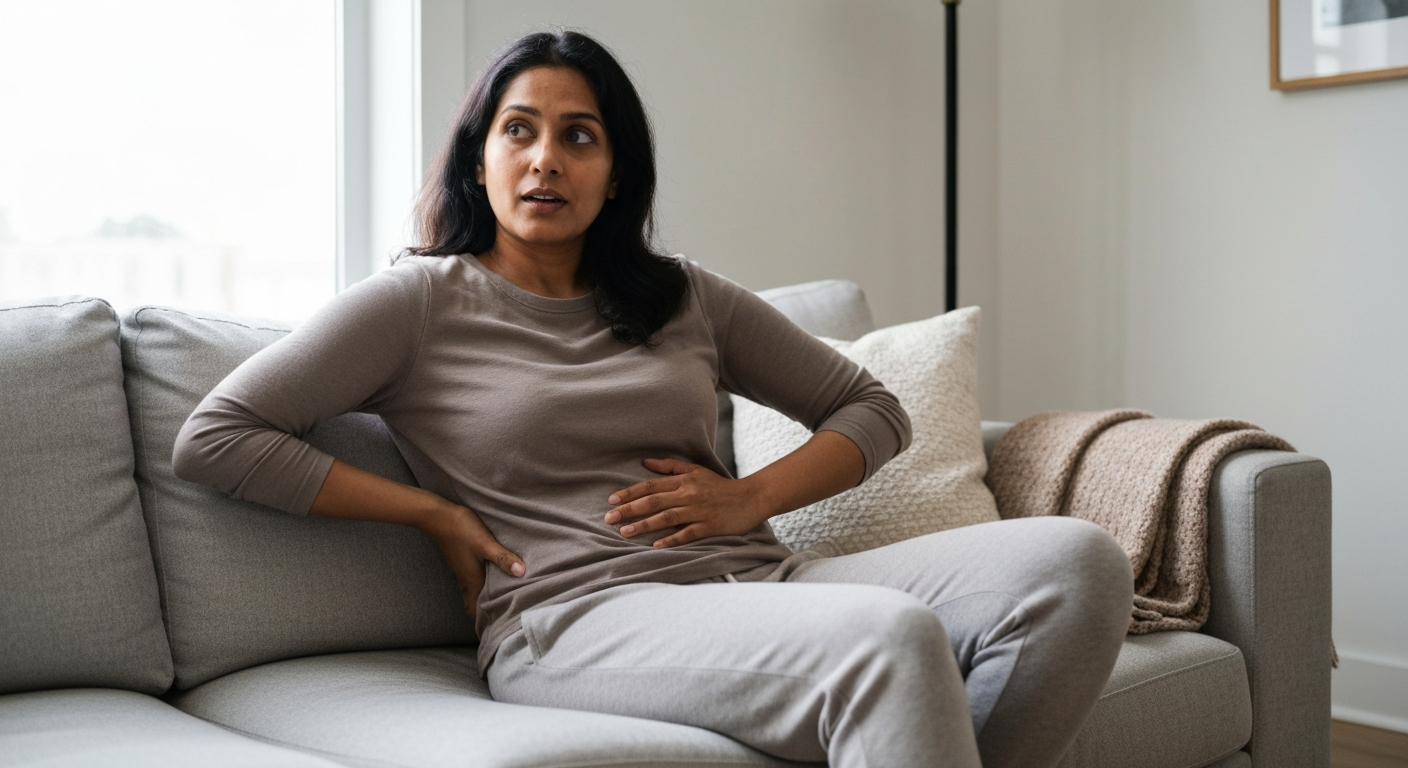

That sudden flutter or pulsing sensation in your lower abdomen is almost always caused by involuntary muscle contractions in or around the uterus—triggered by hormonal shifts, muscle fatigue, ovulation, digestive activity, or stress—and is rarely a sign of pregnancy or anything serious.
The twitching you're feeling can be unsettling, especially when you're not pregnant and wondering what's happening inside your body. The good news is that uterine twitching is extremely common, and most causes resolve on their own without treatment. Whether you notice it during your period, mid-cycle, or randomly throughout the month, understanding what's behind these sensations can help you decide when to simply wait it out and when to check in with your doctor.
Uterine twitching is typically described as a fluttering, pulsing, or vibrating sensation deep in the lower abdomen, usually lasting a few seconds to a few minutes.
Women describe the sensation in different ways—some say it feels like a muscle spasm similar to an eyelid twitch, while others compare it to a phone vibrating in their pocket. The twitching can occur on one side or centrally, and it may happen once or repeat several times throughout the day.
It's worth noting that what feels like uterine twitching might actually originate from nearby structures. The pelvic floor muscles, intestines, and even the round ligaments that support the uterus can all produce similar sensations. Because these structures are so close together, pinpointing the exact source isn't always straightforward.
The most frequent triggers include hormonal fluctuations, muscle fatigue, ovulation, digestive movements, caffeine intake, stress, and—less commonly—early pregnancy implantation.
Yes, and this is one of the most common causes. During ovulation, which typically occurs mid-cycle, the follicle releases an egg from the ovary. This process can cause a brief, sharp sensation called mittelschmerz (German for "middle pain"), but it can also trigger mild muscle contractions in the uterus and surrounding tissues. Some women experience this as twitching or fluttering that lasts anywhere from a few minutes to a few hours.
Absolutely. Estrogen and progesterone levels fluctuate significantly throughout your menstrual cycle, and these hormones directly affect uterine muscle activity. Progesterone, in particular, has a relaxing effect on smooth muscle tissue. When progesterone levels drop—such as right before your period—the uterine muscle may become more excitable and prone to small, involuntary contractions.
"The myometrium, or muscular layer of the uterus, is highly responsive to hormonal signals. Even subtle shifts in estrogen and progesterone can alter contractile patterns." — Dr. Rebecca Brightman, OB-GYN at Mount Sinai Hospital
During menstruation, your uterus contracts to help shed its lining. These contractions are caused by prostaglandins—hormone-like chemicals that trigger muscle contractions. While most women experience these as period cramps, some feel them as twitching, pulsing, or fluttering sensations instead of (or in addition to) pain.
The intensity varies widely. Higher prostaglandin levels typically mean stronger contractions, which is why some women have barely noticeable periods while others are doubled over with cramps. Twitching during your period is simply your uterus doing its job.
| ✓Our Pick |
Custom supplement formulas for hormonal balance No special skills required — straightforward to use and most orders ship quickly. Learn More → |
More often than you'd think. The intestines sit directly behind and beside the uterus, and normal digestive processes—peristalsis, gas movement, or even food being processed—can create sensations that feel like they're coming from the uterus. This is especially common after eating, when digestive activity increases.
If you notice the twitching tends to happen after meals or when you're hungry, your gut might be the actual culprit rather than your uterus.
Caffeine stimulates the central nervous system and can increase muscle excitability throughout the body. If you've recently increased your coffee intake or consumed energy drinks, you may notice more frequent muscle twitches—including in the pelvic area. The same applies to other stimulants and certain medications that affect the nervous system.
Stress triggers the release of cortisol and adrenaline, which can cause muscles throughout your body to tense and then release in small spasms. The pelvic floor muscles are particularly susceptible because many women unconsciously clench them during times of stress. This tension can radiate to surrounding structures, including the uterus.
"Chronic stress can lead to pelvic floor dysfunction, which may manifest as twitching, pressure, or spasms in the lower abdomen." — American College of Obstetricians and Gynecologists
If you're sexually active and not using birth control, implantation is worth considering. When a fertilized egg attaches to the uterine lining—typically 6 to 12 days after ovulation—some women report feeling a flutter, twinge, or mild cramping. However, this sensation is brief and usually occurs only once, not repeatedly.
If you're experiencing ongoing twitching and are wondering whether you could be pregnant, a home pregnancy test taken after a missed period is the most reliable way to find out.
Also Read: Why Is My Nose Twitching? 7 Causes & How to Stop It
Most uterine twitching has nothing to do with pregnancy—it's simply your body responding to hormonal shifts, muscle fatigue, or external factors like caffeine and stress.
This is the most common concern women have when they Google "uterus twitching," and the reassuring answer is that pregnancy is just one of many possible causes. The uterus is a muscular organ that contracts regularly throughout the menstrual cycle, not just during pregnancy or menstruation.
| Cause | When It Typically Occurs | Duration | Other Symptoms |
|---|---|---|---|
| Ovulation | Mid-cycle (days 12–16) | Minutes to hours | Mild one-sided discomfort, increased discharge |
| Hormonal shifts | Before/after period | Varies | Mood changes, bloating, breast tenderness |
| Period contractions | During menstruation | Throughout period | Cramping, bleeding |
| Digestive activity | After eating | Minutes | Bloating, gurgling sounds |
| Caffeine/stimulants | After consumption | Hours | Jitteriness, increased heart rate |
| Stress | During anxious periods | Varies | Muscle tension, sleep problems |
| Pelvic floor tension | Ongoing | Recurring | Pressure, discomfort during intercourse |
If your twitching is brief, painless, and doesn't come with other concerning symptoms, pregnancy is unlikely to be the cause—especially if you have a negative pregnancy test and your period arrives on schedule.
Seek medical attention if the twitching is accompanied by severe pain, heavy bleeding, fever, or if it persists for more than a few days without explanation.
Most uterine twitching is harmless and resolves on its own. However, certain symptoms warrant a doctor's visit:
These symptoms could indicate conditions like ovarian cysts, fibroids, endometriosis, or pelvic inflammatory disease—all of which are treatable but require proper diagnosis.
Simple strategies like reducing caffeine, managing stress, applying heat, and staying hydrated can help minimize involuntary muscle contractions.
If your twitching is mild and intermittent, these approaches often provide relief:
Cut back on caffeine — Try reducing your intake by half for a week and see if the twitching decreases.
Apply gentle heat — A warm compress or heating pad on your lower abdomen can relax smooth muscle tissue and ease spasms.
Practice stress reduction — Deep breathing, yoga, or meditation can help release tension in the pelvic floor muscles.
Stay hydrated — Dehydration can contribute to muscle spasms throughout the body, including the pelvic region.
Track your cycle — Noting when twitching occurs in relation to your period can help you identify hormonal patterns.
Limit alcohol — Alcohol can dehydrate you and affect hormone levels, potentially worsening muscle spasms.
If you notice the twitching always happens at the same point in your cycle, that's a strong indicator that hormones are the primary driver—and it's likely nothing to worry about.
Uterine twitching is almost always caused by normal muscle activity responding to hormonal changes, ovulation, period contractions, digestive movements, or external factors like caffeine and stress. If you're not pregnant and the twitching is brief and painless, it's typically harmless and resolves on its own. However, if you experience severe pain, abnormal bleeding, or persistent symptoms, see a doctor to rule out conditions like fibroids, cysts, or endometriosis.
The uterus is a muscular organ that contracts regularly throughout your cycle, not just during pregnancy. Hormonal fluctuations—especially around ovulation and before your period—trigger these small contractions. Caffeine, stress, pelvic floor tension, and even digestive activity can also cause sensations that feel like uterine twitching. A negative pregnancy test and normal period confirm that pregnancy isn't the cause.
During menstruation, your body releases prostaglandins—chemicals that cause the uterine muscle to contract and shed its lining. Some women feel these contractions as cramps, while others experience them as twitching, fluttering, or pulsing. Higher prostaglandin levels mean stronger, more noticeable contractions. This is completely normal and part of how your period works.
It can be. When the ovary releases an egg mid-cycle, it can trigger mild contractions in the uterus and surrounding tissues. Some women feel this as a twinge, flutter, or brief twitching sensation, often on one side. If you notice the twitching consistently happens around days 12 to 16 of your cycle, ovulation is a likely explanation.
Occasional daily twitching that's brief and painless is usually not concerning—it may simply reflect normal muscle activity, digestive movements, or hormonal changes. However, if the twitching persists for more than a week, is accompanied by pain or bleeding, or interferes with your daily life, see a doctor to rule out conditions like fibroids, ovarian cysts, or pelvic floor dysfunction.
Yes. Stress triggers the release of cortisol and adrenaline, which can cause muscles throughout your body to tense and then release in small spasms. Many women unconsciously clench their pelvic floor muscles when stressed, and this tension can produce twitching sensations in the lower abdomen. Relaxation techniques, deep breathing, and reducing caffeine can help.
Reviewed and Updated on June 13, 2026 by George Wright