
DIY
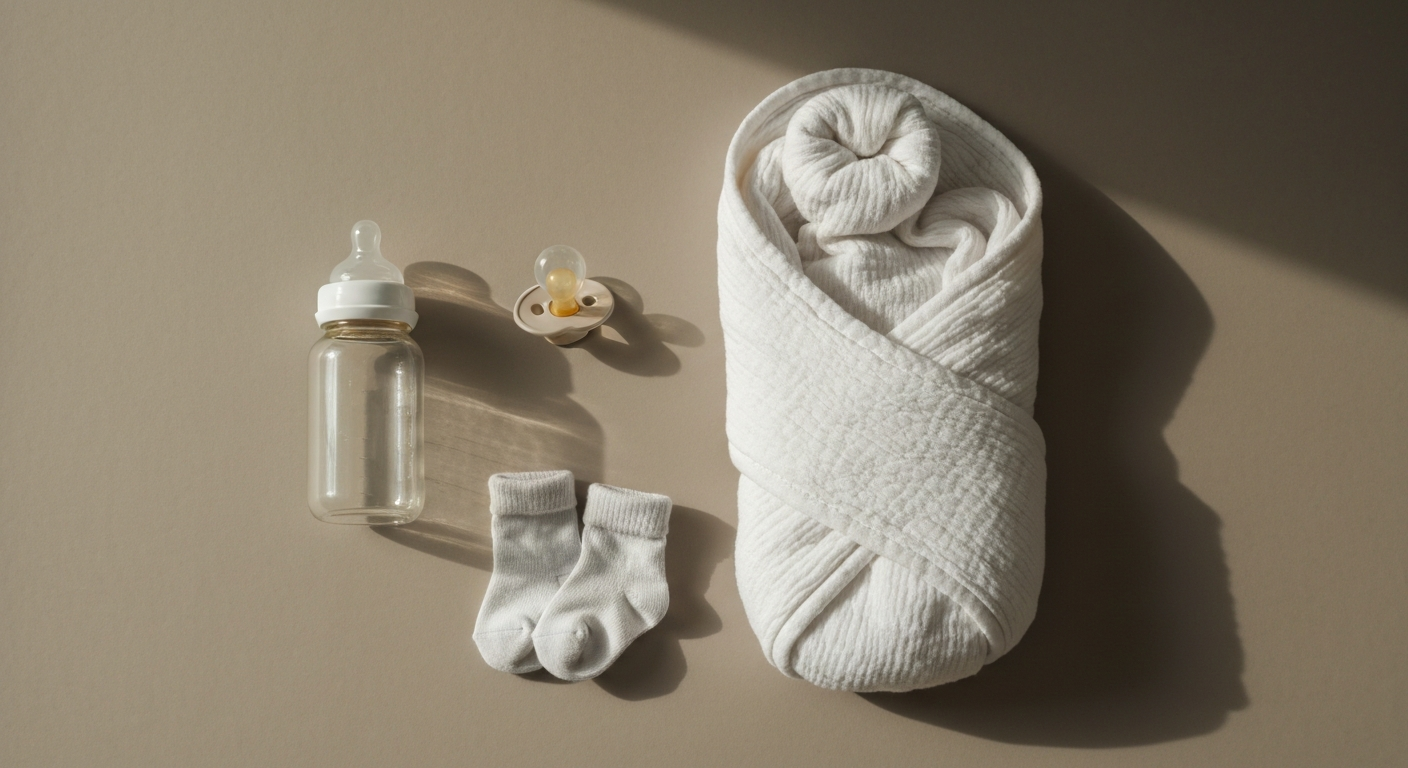

Toddlers hit because their brains are still developing impulse control and emotional regulation—they're not being malicious, they're communicating frustration, overstimulation, or big feelings the only way they know how.
Watching your sweet child wind up and smack you in the face can feel shocking, embarrassing, and even hurtful. But hitting is one of the most common behaviors in children ages 1–3, and it doesn't mean you're raising an aggressive child or doing something wrong as a parent. Understanding why toddlers hit—and responding with calm, consistent strategies—can transform this exhausting phase into an opportunity to teach emotional skills that last a lifetime.
Toddlers hit primarily because the part of their brain responsible for impulse control (the prefrontal cortex) won't fully develop until their mid-twenties—they literally cannot stop themselves the way adults can.
When a toddler feels frustrated, scared, or overwhelmed, their brain enters "fight or flight" mode. Without the neurological wiring to pause and think, they react physically. Hitting, biting, and throwing are all normal expressions of emotions that toddlers don't yet have words for.
"Young children are impulsive by nature. The prefrontal cortex, which helps us control our impulses and consider the consequences of our actions, is one of the last parts of the brain to fully mature." — American Academy of Pediatrics
This doesn't mean you should ignore hitting or accept it as inevitable forever. It means your response should focus on teaching rather than punishing—because your toddler genuinely needs help learning what to do instead.
Yes. Child development research in 2026 continues to confirm that physical aggression peaks between ages 2 and 3, then steadily declines as language skills improve and emotional regulation develops. Most children who hit as toddlers do not become aggressive older children or adults when caregivers respond consistently and calmly.
Understanding the specific trigger behind your toddler's hitting helps you address the root cause—not just the behavior itself.
Frustration is the number one reason toddlers hit. They want something they can't have, can't communicate what they need, or can't make their body do what they want it to. The emotional intensity overwhelms their underdeveloped coping skills, and hitting becomes the release valve.
Tiredness and sensory overload dramatically reduce a toddler's already limited self-control. A child who hits more often at the end of the day, during busy outings, or when they've skipped a nap is likely reacting to physical exhaustion or too much stimulation.
Even negative attention is attention. If hitting reliably produces a big reaction from you—yelling, lengthy lectures, or dramatic facial expressions—your toddler may repeat the behavior simply to engage you. This isn't manipulative; it's cause and effect at its most basic level.
Toddlers are natural scientists. They experiment constantly: "What happens if I do this?" Hitting you is one way they test boundaries, learn about cause and effect, and figure out social rules. Your consistent response teaches them where the line is.
Language development directly correlates with physical aggression. Toddlers with fewer words hit more often because they have no other way to say "I'm angry" or "I don't like that." As vocabulary expands, hitting typically decreases.
Children imitate what they see—whether that's older siblings, daycare peers, or media. If your toddler has witnessed hitting as a response to conflict, they may copy it without understanding that it's hurtful.
The most effective response to toddler hitting is immediate, calm, and consistent—stop the behavior, name the emotion, and redirect to an acceptable alternative.
| Step | What to Do | Why It Works |
|---|---|---|
| 1. Stay calm | Lower your voice, keep your face neutral | Big reactions can reinforce hitting as attention-getting |
| 2. Stop the hit | Gently catch their hand or move away | Prevents harm, shows the boundary |
| 3. Name the feeling | "You're angry that I took the marker" | Builds emotional vocabulary |
| 4. State the rule | "Hitting hurts. I won't let you hit me" | Clear, simple, without shaming |
| 5. Offer an alternative | "You can stomp your feet or squeeze this ball" | Teaches acceptable outlets |
| 6. Reconnect | After calm, offer a hug or comfort | Maintains attachment security |
"When children feel connected and understood, they are more likely to cooperate. Discipline works best when it flows from a warm relationship, not from fear." — Dr. Daniel Siegel, clinical professor of psychiatry at UCLA School of Medicine
Avoid time-outs for children under 3—most toddlers don't yet understand the connection between their behavior and being isolated, and it can feel like rejection rather than discipline.
Consistency is everything. It takes dozens—sometimes hundreds—of repetitions for a toddler to internalize a rule. If your child continues hitting, ask yourself:
- Are all caregivers responding the same way?
- Is my child overtired, hungry, or overstimulated?
- Am I unintentionally giving the behavior too much attention?
Adjust one variable at a time and give changes at least 2–3 weeks to show results.
Also Read: Why Is My Ex in My Dreams? 7 Reasons & What They Mean
Most toddler hitting resolves naturally by age 4, but certain patterns warrant evaluation by a pediatrician or child psychologist.
Consider professional guidance if your toddler:
- Hits with increasing frequency or intensity after age 3–4
- Seems unable to calm down even with your support
- Hurts themselves, animals, or other children regularly
- Shows no remorse or awareness that hitting causes pain
- Has significant speech delays alongside aggression
Your pediatrician can rule out sensory processing differences, developmental delays, or other factors that might make self-regulation harder for your child.
While toddler hitting is a normal developmental phase, hitting between adults is domestic violence—and no article about "why is my partner hitting me" should ever normalize it.
If you searched this article because your spouse, partner, girlfriend, or husband is hitting you, please understand: there is no developmental explanation, no "phase," and no excuse for violence between adults. What toddlers do out of neurological immaturity, adults do as a choice.
| Toddler Hitting | Adult Hitting |
|---|---|
| Developmentally normal (ages 1–3) | Never normal at any age |
| Stems from underdeveloped brain | Stems from choice and control |
| Decreases with teaching and time | Typically escalates without intervention |
| Appropriate response: teach skills | Appropriate response: seek safety |
If your wife, husband, girlfriend, or boyfriend is hitting you, please contact the National Domestic Violence Hotline at 1-800-799-7233 or text START to 88788. You deserve safety and support.
| ✓Our Pick |
Parenting stress relief supplements from Approved Science Trusted by professionals and everyday users alike — a smart investment that pays for itself. Learn More → |
Toddler hitting is a normal—if frustrating—developmental phase caused by immature impulse control, limited language, and big emotions. Responding with calm consistency, naming feelings, and teaching alternatives helps your child develop the emotional regulation skills they need. Most children outgrow hitting by age 4 with patient, loving guidance. If hitting persists, intensifies, or you have concerns about your child's development, consult your pediatrician. And remember: while toddler aggression is developmentally expected, hitting between adults is domestic violence and requires immediate support.
Hitting between adult partners is domestic violence, regardless of gender. There is no acceptable reason for a spouse to hit you. If your wife is hitting you, this is abuse, and you deserve help. Contact the National Domestic Violence Hotline at 1-800-799-7233—they support all genders and relationship types.
A husband hitting you is domestic violence and a crime. This is not something to manage alone or explain away. Please reach out to the National Domestic Violence Hotline at 1-800-799-7233 or text START to 88788 for confidential support and safety planning.
Violence in dating relationships is abuse, regardless of who initiates it. If your girlfriend hits you, this is not okay and not your fault. The National Domestic Violence Hotline (1-800-799-7233) provides free, confidential support for anyone experiencing relationship violence.
Yes, most children significantly reduce or stop hitting by age 4 as their language skills improve and their prefrontal cortex develops. Consistent, calm responses from caregivers help speed this process. If hitting continues or worsens after age 4, consult your pediatrician.
No. Hitting a child to teach them not to hit is confusing and counterproductive—it models the exact behavior you're trying to stop. Research consistently shows that physical punishment increases aggression in children rather than reducing it. Focus on calm teaching and natural consequences instead.
Reviewed and Updated on June 12, 2026 by George Wright