
Cars
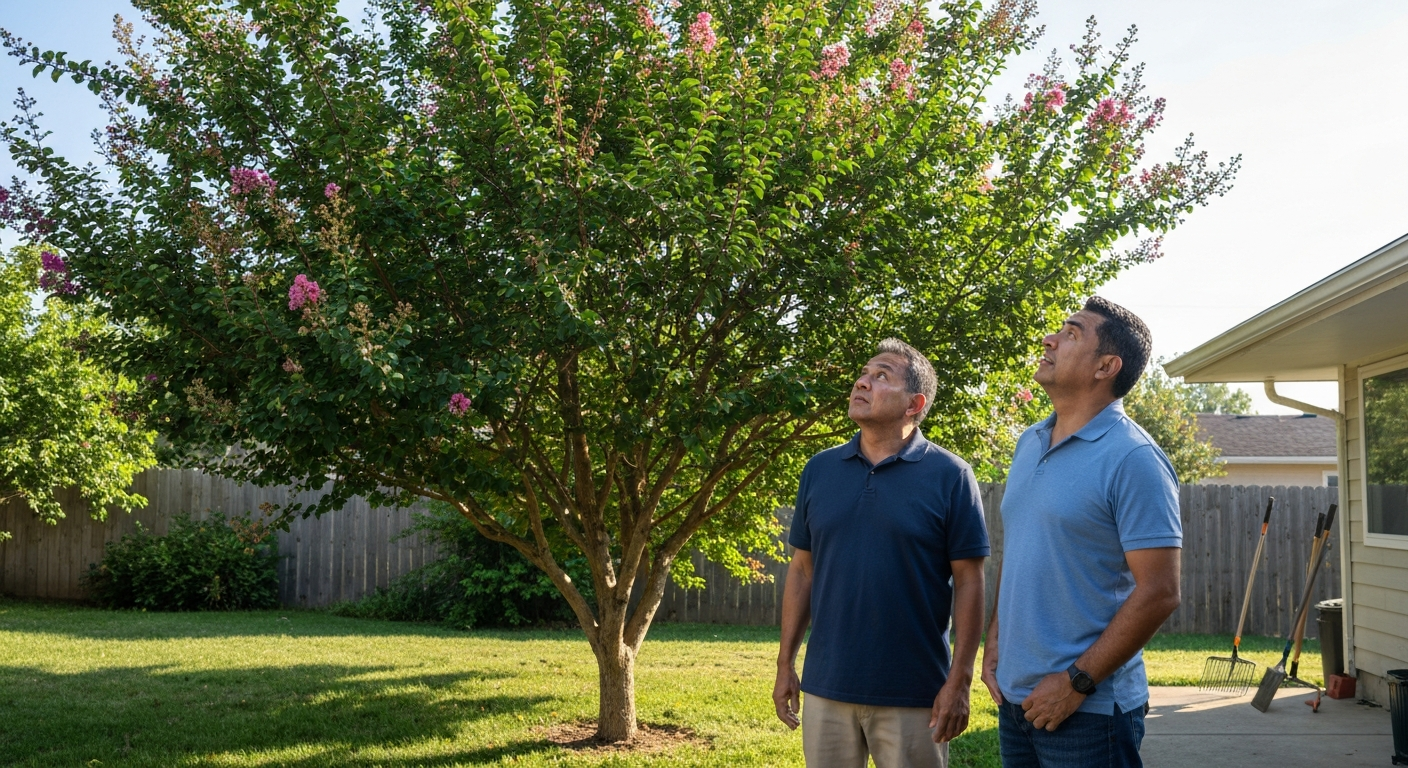

Your crepe myrtle isn't blooming because it's either getting too little sunlight (it needs at least 6 hours of direct sun daily), was pruned at the wrong time, is receiving too much nitrogen fertilizer, or is too young to flower yet.
These flowering trees are famously low-maintenance, but they do have specific requirements for producing those signature summer blooms. The good news is that most causes of a flowerless crepe myrtle are fixable with simple adjustments to care, timing, or location.
Crepe myrtles are sun-worshippers that need a minimum of 6 hours of direct sunlight daily to produce flowers — anything less and they'll grow leaves but skip the blooms entirely.
If your crepe myrtle is planted near a building, under a larger tree, or on the north side of your house, it may simply not be getting enough light energy to support flower production. Crepe myrtles use sunlight to fuel the photosynthesis process that creates the sugars needed for bloom development. Without adequate light, the plant prioritizes survival over reproduction.
Walk outside at different times throughout the day and observe your tree. Morning sun is helpful, but afternoon sun is particularly important for flower development because it's more intense. If you notice your crepe myrtle is in shade for most of the afternoon, that's likely your culprit.
"Crape myrtles bloom best in full sun. When grown in partial shade, flowering is reduced." — Dr. Gary Knox at University of Florida IFAS Extension
Young trees that were once in full sun may also gradually lose light as surrounding trees and shrubs mature. A crepe myrtle that bloomed beautifully five years ago may now be shaded out by neighboring plants that have grown significantly.
Pruning your crepe myrtle in late spring or summer removes the new growth where flower buds form, which eliminates that season's blooms.
Crepe myrtles bloom on "new wood" — the fresh growth that emerges in the current growing season. If you prune after new growth has started in spring, you're cutting off the very branches that would have produced flowers. The tree won't die, but it won't bloom either.
The correct pruning window is late winter through very early spring, before new growth begins. In most of the southern United States, this means February through early March. Pruning during this dormant period allows the tree to push out fresh growth in spring, and that new growth will carry the summer's flowers.
Severe pruning — cutting back major limbs to stubs — is colloquially called "crepe murder" by horticulturists. While this practice won't kill the tree, it can delay blooming. The tree spends energy regrowing large amounts of foliage rather than producing flowers. Light, selective pruning of crossed branches or suckers is all most crepe myrtles need.
| Pruning Approach | Effect on Blooming |
|---|---|
| Late winter (dormant) | Encourages strong blooms on new growth |
| Late spring (after leaf-out) | Removes flower buds, reduces or eliminates blooms |
| Summer (during bloom season) | Removes developing flowers |
| Heavy "topping" any time | Delays blooming while tree regrows foliage |
Also Read: Why Is My Room So Stuffy? 6 Causes & Easy Fixes
Excess nitrogen fertilizer pushes crepe myrtles to produce lush green foliage at the expense of flowers — a classic case of "all leaves, no blooms."
Nitrogen is the first number in fertilizer ratios (the N in N-P-K). Lawn fertilizers are typically high in nitrogen because grass needs it for green growth. If you're fertilizing your lawn and your crepe myrtle's roots extend into that area, or if you're directly applying a high-nitrogen fertilizer to the tree, you may be accidentally suppressing blooms.
Crepe myrtles actually prefer nutrient-poor to moderately fertile soil. In most cases, established trees don't need fertilizer at all. If you do fertilize, choose a balanced formula (like 10-10-10) or one slightly higher in phosphorus (the middle number), which supports flower and root development.
Signs of nitrogen overload include:
- Unusually dark green, abundant foliage
- Rapid, leggy growth
- Few or no flowers despite healthy-looking leaves
- Soft, succulent new growth that's susceptible to pests
If you suspect over-fertilization, stop all fertilizer applications for at least one growing season. The soil will naturally balance out over time as rainfall leaches excess nutrients away.
Crepe myrtles typically need to be 2–5 years old before they bloom reliably, so a young tree that hasn't flowered yet may simply need more time to mature.
Trees grown from seed or small cuttings take longer to reach blooming age than larger nursery specimens. If you planted a small crepe myrtle within the past two years and it's otherwise healthy — growing well, with good leaf color — patience may be your best strategy.
That said, most crepe myrtles sold at garden centers are already old enough to bloom. If you purchased a tree that was already 4–6 feet tall and it hasn't bloomed after one full growing season in the ground, age probably isn't the issue.
"Crape myrtles may take a year or two to become established in the landscape before they bloom well." — Clemson Cooperative Extension
Late spring frosts, unusually cool summers, or planting a variety not suited to your USDA zone can all prevent or delay crepe myrtle blooms.
Crepe myrtles are hardy in USDA zones 6–9, depending on the variety. In zone 6 and the colder parts of zone 7, the trees may die back to the ground in harsh winters. They'll regrow from the roots, but this sets back bloom timing significantly because the plant has to rebuild its structure before it can flower.
Late spring frosts are another culprit. If a frost hits after your crepe myrtle has started pushing new growth, it can damage or kill the emerging flower buds. The tree will often recover and produce a later, lighter bloom, but sometimes the damage is severe enough to eliminate flowering for that year.
| Climate Factor | Impact on Blooming |
|---|---|
| Late spring frost | Kills emerging flower buds |
| Cool, wet summer | Delays bloom timing by 2–4 weeks |
| Planting wrong variety for zone | Winter dieback, no blooms |
| Extreme summer heat (105°F+) | Temporary bloom pause, resumes when temps drop |
In 2026, check your local frost dates and be prepared to cover small trees with frost cloth if a late cold snap is forecast after growth has started.
Compacted soil, poor drainage, or root damage from construction can stress crepe myrtles enough to stop them from blooming.
Crepe myrtles tolerate a wide range of soil types, but they do need reasonably good drainage. If your soil stays waterlogged after rain, the roots may be suffocating. Oxygen-starved roots can't support the energy demands of flowering. Symptoms of waterlogged roots include yellowing leaves, wilting despite wet soil, and overall poor vigor.
Compacted soil — common in new construction areas or high-traffic zones — physically restricts root growth. Without a healthy root system, the tree can't absorb the water and nutrients it needs for blooming.
Recent construction near the tree, including trenching for utilities, building additions, or driveway installation, can sever major roots. A crepe myrtle that suddenly stops blooming after nearby construction is likely suffering from root damage. Recovery can take 2–3 years, depending on severity.
Aphids and the sooty mold they create can stress crepe myrtles, while powdery mildew attacks leaves and reduces the plant's overall energy for flowering.
Crepe myrtle aphids are tiny insects that feed on new growth and secrete a sticky substance called honeydew. Black sooty mold grows on this honeydew, coating leaves and blocking sunlight. Heavy infestations weaken the tree and can reduce or delay blooming.
Check the undersides of leaves for small, pale green insects. A strong spray of water from a garden hose can knock aphids off the tree. For severe infestations, horticultural oil or insecticidal soap are effective options.
Powdery mildew appears as a white, powdery coating on leaves, especially in humid conditions or when trees are planted in too much shade. While mildew alone rarely kills a crepe myrtle, it reduces photosynthesis and overall plant vigor. Many newer crepe myrtle varieties are bred for mildew resistance — if your tree is highly susceptible, consider replacing it with a resistant cultivar like 'Natchez,' 'Tuscarora,' or 'Sioux.'
To encourage blooms this year, ensure full sun exposure, avoid pruning after March, cut back on fertilizer, and water deeply during dry spells.
Here's a practical checklist for the current growing season:
If your tree still doesn't bloom after implementing these changes, the problem may be environmental (shade from maturing nearby trees) or the tree itself may be a poor specimen. In that case, transplanting to a sunnier location — best done in late fall or early winter when the tree is dormant — or replacing with a new tree may be the most effective solution.
| ✓Our Pick |
Search crepe myrtle fertilizer and bloom boosters Trusted by professionals and everyday users alike — a smart investment that pays for itself. See on Amazon → |
Your crepe myrtle isn't blooming most likely because of insufficient sunlight, improper pruning timing, too much nitrogen fertilizer, or the tree's young age. Check that the tree receives at least 6 hours of direct sun, prune only in late winter, ease up on fertilizer, and give young trees 2–3 years to mature. Address any pest issues like aphids, and ensure soil drainage is adequate. With these adjustments, most crepe myrtles will reward you with abundant summer blooms.
Crepe myrtles typically begin blooming in late June to early July in most regions, with peak bloom occurring in July and August. The exact timing depends on your climate zone and the specific variety. In the Deep South, blooms may start as early as late May, while in zone 6, blooming often doesn't begin until mid-July.
A crepe myrtle that bloomed previously but stopped often indicates a change in conditions — new shade from growing trees, incorrect pruning timing, an increase in fertilizer, or weather damage like a late frost that killed flower buds. Review what's different from last year to identify the cause.
Yes, overwatering can prevent blooming by suffocating roots and creating conditions for root rot. Crepe myrtles are drought-tolerant once established and prefer soil that dries out between waterings. If your soil stays constantly wet, reduce watering frequency or improve drainage.
Crepe myrtles will survive in partial shade but typically won't bloom well, if at all. They need a minimum of 6 hours of direct sunlight daily for reliable flowering. Trees in shady locations often produce only foliage or sparse, disappointing blooms. Transplanting to a sunnier spot is the best solution.
Most crepe myrtles sold at nurseries are mature enough to bloom in their first year after planting, though some may take a year or two to establish before blooming heavily. Trees grown from seed or small cuttings may need 3–5 years to reach blooming maturity.
Reviewed and Updated on June 12, 2026 by George Wright