Health
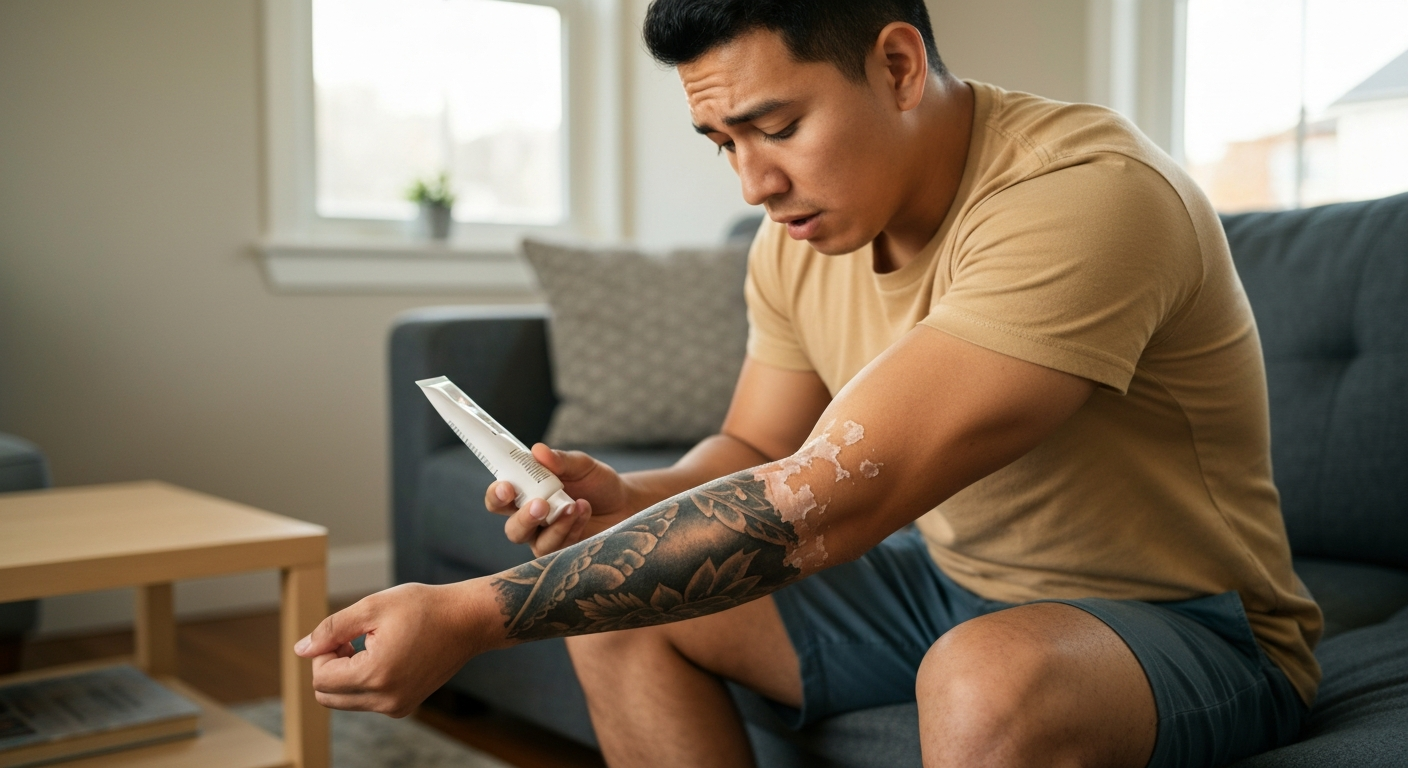

Your tattoo is cracking because the skin is too dry during the healing process, causing the protective scab layer to lose moisture, shrink, and split apart — this is normal in the first 1–3 weeks and rarely indicates a problem with the tattoo itself.
| ✓Our Pick |
Fragrance-free tattoo aftercare lotion for faster healing A well-reviewed choice that delivers real results — worth every penny for anyone dealing with this. See on Amazon → |
Seeing your fresh ink develop what looks like dry, cracked skin can be alarming, especially when you've invested time, money, and pain into getting it. The good news is that tattoo cracking is one of the most common parts of the healing process. Your skin is essentially recovering from thousands of tiny puncture wounds, and as it repairs itself, the top layer naturally dries out, tightens, and sometimes splits. Understanding why this happens — and what to do about it — will help you protect your tattoo and ensure it heals with sharp lines and vibrant color.
Tattoo cracking happens when the thin scab layer that forms over fresh ink loses moisture faster than the skin beneath it can replenish, creating visible fissures as the dried surface contracts.
When a tattoo artist works on your skin, they're depositing ink into the dermis (the second layer of skin) while repeatedly puncturing the epidermis (the outer layer). Your body responds to this controlled trauma by forming a protective barrier — a thin scab made of plasma, blood cells, and dried skin. This scab is meant to shield the wound while new skin grows underneath.
The problem arises when this protective layer dries out too quickly. Just like a dry lakebed cracks as water evaporates, your tattoo's surface layer will split when it loses moisture. The underlying skin remains healthy, but the stiff, dried outer layer can no longer flex with your movements, so it cracks instead.
Several factors accelerate this drying process. Low humidity environments (especially in winter with central heating), direct sunlight exposure, hot showers, and insufficient moisturizing all pull moisture away from healing skin. Over-washing the tattoo can strip natural oils, while under-moisturizing leaves the scab with nothing to keep it supple.
Mild surface cracking with no pain, swelling, or discharge is a normal part of tattoo healing — but cracking combined with redness spreading beyond the tattoo, fever, pus, or increasing pain may indicate infection.
Most tattoo cracking falls into the "annoying but harmless" category. You'll typically notice it between days 3 and 14 of healing, when the initial plasma weeping has stopped and the scab is drying out. The cracks usually appear as fine lines across the tattooed area, sometimes making the design look temporarily faded or uneven.
Normal cracking looks like:
- Fine surface fissures without depth
- Dry, flaky skin that may peel
- Mild itching
- No spreading redness beyond the tattoo border
- No unusual smell or discharge
Signs that cracking may indicate a problem include:
- Deep cracks that ooze fluid
- Redness that extends well beyond the tattoo's edges
- Increasing pain rather than decreasing over time
- Yellow or green discharge
- Fever or chills
- Hot skin around the tattoo area
"Signs of infection include redness, warmth, swelling of the skin, and pus. Some tattoo infections can be serious and may require hospitalization for treatment with intravenous antibiotics." — U.S. Food & Drug Administration
If you notice any infection warning signs, contact your tattoo artist first — they've seen countless healing tattoos and can often tell you whether what you're experiencing is normal. If symptoms persist or worsen, see a healthcare provider promptly.
Preventing tattoo cracking comes down to maintaining consistent moisture levels without over-saturating the healing skin — a balance achieved through proper washing, thin moisturizer application, and environmental awareness.
The moisturizer you choose makes a significant difference. Heavy petroleum-based products like pure Vaseline can actually trap bacteria and suffocate the skin, while lightweight, fragrance-free lotions absorb properly without clogging pores. Look for products specifically formulated for tattoo aftercare, or use unscented lotions with ingredients like shea butter, coconut oil, or vitamin E.
Apply a thin layer of moisturizer 2–3 times daily after gently washing the tattoo. The key word is thin — you want a light coating that absorbs within minutes, not a thick layer that sits on top of the skin. Over-moisturizing can trap moisture and lead to "tattoo bubbling," where the scab becomes waterlogged and pulls away prematurely.
Hot water strips natural oils from your skin and accelerates moisture loss from your healing tattoo. During the first two weeks of healing, take lukewarm showers and limit water exposure on the tattooed area to 5 minutes or less. Let water run over the tattoo briefly rather than soaking it directly, and pat dry immediately with a clean paper towel (not a cloth towel, which can harbor bacteria).
Avoid baths, swimming pools, hot tubs, and ocean water entirely until your tattoo is fully healed — typically 2–4 weeks. Submerging a healing tattoo can waterlog the scab, introduce bacteria, and cause both cracking and infection.
Dry indoor air is a major contributor to tattoo cracking, especially during winter months when heating systems drastically reduce humidity levels. If you live in a dry climate or spend most of your time in air-conditioned or heated environments, consider using a humidifier in your bedroom to maintain air moisture while you sleep.
Avoid sitting directly in front of fans, heaters, or air conditioning vents, which can accelerate skin drying. If you work outdoors in winter, keep the tattooed area covered with loose, breathable fabric to protect it from cold, dry wind.
If your tattoo is already cracking, increase your moisturizing frequency slightly, avoid picking at any loose skin, and keep the area clean — the cracks will heal as new skin grows beneath the dried surface.
Here's what to do when you notice cracking:
The cracking phase typically lasts 3–7 days. During this time, you may notice what looks like colored skin flaking off — this is normal and doesn't mean you're losing ink. The ink is deposited in the dermis, below the epidermis layer that's shedding.
Also Read: Why Is My Jaw Itching? 6 Causes & How to Stop It
Normal healing-related cracking will not permanently affect your tattoo's appearance — the design typically looks fully vibrant again within 4–6 weeks once healing is complete.
During the cracking and peeling phase, your tattoo will look faded, dull, or patchy. This is sometimes called the "ugly duckling phase" and causes panic for many first-time tattoo owners. Rest assured that what you're seeing is the dried surface layer, not the actual ink in your skin.
The ink sits in the dermis, which is protected beneath the epidermis. As the damaged epidermis sheds and new skin grows, your tattoo will gradually regain its sharpness and color saturation. Most tattoos look close to their final appearance by week 4, though complete healing can take up to 6 weeks.
However, certain behaviors during healing can cause permanent damage:
| Behavior | Potential Consequence |
|---|---|
| Picking at scabs or peeling skin | Ink loss, scarring, patchy spots |
| Sun exposure without protection | Fading, especially in colored areas |
| Submerging in water (pools, baths) | Infection risk, ink pullout |
| Using scented lotions or harsh soaps | Irritation, allergic reaction, prolonged healing |
| Over-moisturizing | Bubble formation, scab detachment |
If you accidentally pick off a scab or notice a spot where ink has clearly been lost, don't panic. Most tattoo artists offer free touch-ups within the first few months for exactly this reason. Wait until the tattoo is fully healed, then contact your artist to schedule a quick touch-up session.
Contact your tattoo artist if cracking seems severe, if you notice ink loss, or if you're unsure whether your healing is progressing normally — reputable artists want their work to heal well and are happy to answer questions.
Your tattoo artist has seen thousands of healing tattoos and can often diagnose issues from a quick photo. Don't hesitate to reach out if:
Most shops have an Instagram or text line specifically for aftercare questions. Artists genuinely care about their work healing properly — a bad heal reflects on their portfolio and reputation.
"Proper aftercare in the first two weeks of getting a tattoo is very important to prevent any skin infections." — American Academy of Dermatology Association
Tattoo cracking is a normal part of the healing process caused by the protective scab layer drying out and losing flexibility. It typically occurs between days 3–14 and resolves on its own as new skin grows beneath the surface. Prevent excessive cracking by keeping the tattoo moisturized with thin layers of fragrance-free lotion, avoiding hot showers, staying hydrated, and protecting the area from dry air. Never pick at cracking or peeling skin — let it shed naturally to preserve your ink. If cracking is accompanied by signs of infection (spreading redness, pus, fever, or worsening pain), contact your tattoo artist or a healthcare provider promptly.
Peeling and cracking often happen together because they're both caused by the same process — your outer skin layer drying out as it heals. The scab tightens (causing cracks) and eventually starts to flake off (peeling). This overlap typically occurs around days 5–10 of healing. Keep moisturizing consistently and avoid the urge to help the peeling along by picking at loose skin.
Pure petroleum jelly (Vaseline) is generally not recommended for healing tattoos. While it creates a moisture barrier, it's too heavy and can trap bacteria while preventing the skin from breathing. Instead, use a lightweight, fragrance-free tattoo aftercare product or unscented lotion. Apply a thin layer that absorbs within a few minutes rather than sitting on top of the skin.
The cracking phase typically lasts 3–7 days, usually occurring between days 3–14 of the overall healing timeline. The exact timing depends on your skin type, the tattoo's size and location, and your aftercare routine. Larger tattoos and areas with thicker skin (like arms or legs) may take slightly longer to progress through this phase.
Some temporary dullness is normal immediately after the cracking and peeling phase ends. A thin layer of new skin sits over the ink, which can make colors appear muted. This "milky" or "cloudy" appearance fades over the following 2–4 weeks as the new skin matures. Your tattoo should look vibrant again by week 4–6.
No — by the time cracking occurs, your tattoo should be past the initial wrapping stage. Most artists recommend removing the initial bandage after 2–24 hours and leaving the tattoo open to air after that point. Wrapping a cracking tattoo traps moisture and heat, which can promote bacterial growth and interfere with the natural healing process.
Reviewed and Updated on May 27, 2026 by George Wright