Health
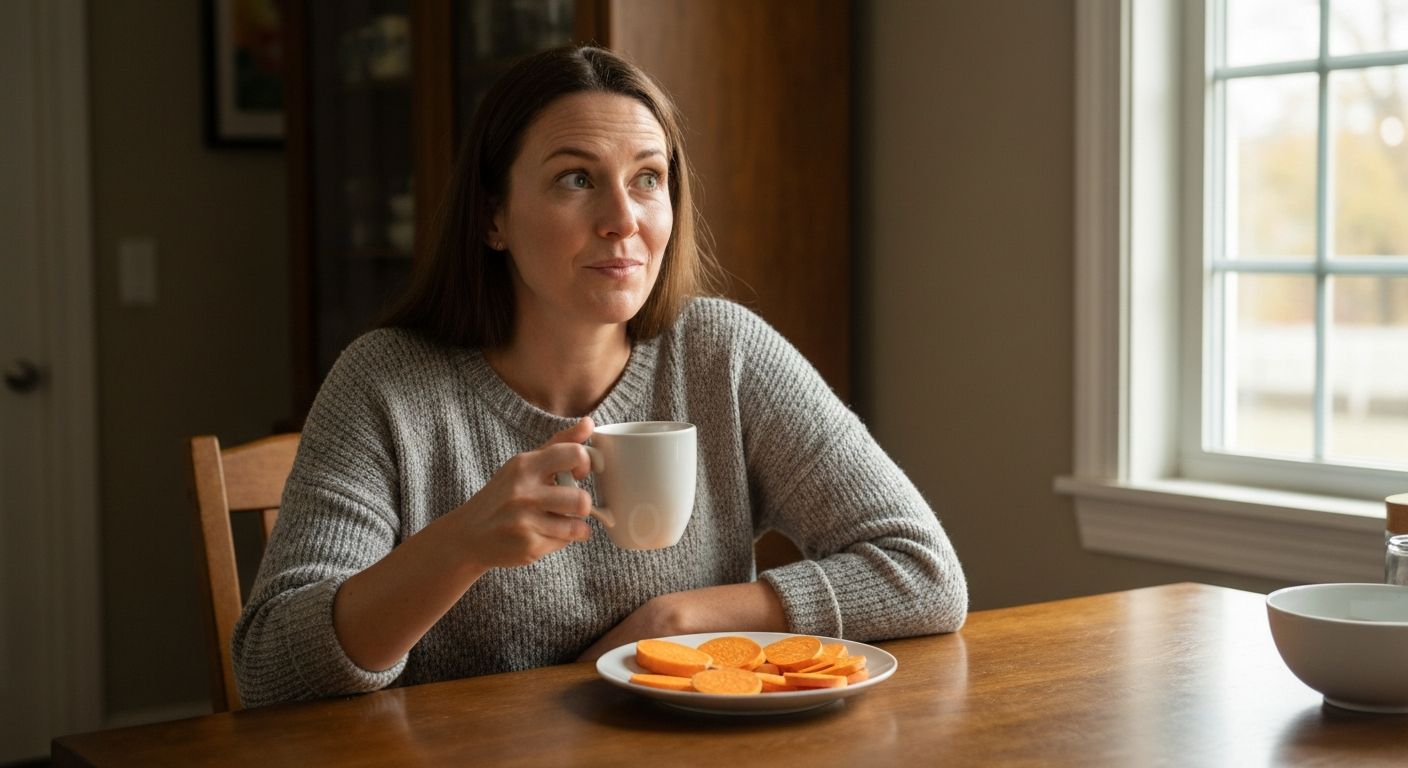

Orange poop usually signals one of three things: you've eaten a lot of orange or red foods (carrots, sweet potatoes, foods with artificial coloring), you're taking supplements containing beta-carotene, or bile isn't properly breaking down fats in your digestive system — with the first two being harmless and the third worth monitoring if it persists beyond a day or two.
| ✓Our Pick |
Science-backed digestive health supplements for gut balance One of the highest-rated products in its category — a reliable fix used by thousands of people. Learn More → |
Normal brown stool gets its color from bile, a digestive fluid produced by your liver; when something interferes with bile production, flow, or gets processed alongside strongly pigmented foods, your poop can shift toward orange, yellow, or other unexpected shades.
Your liver continuously produces bile, a yellow-green fluid that travels to your gallbladder for storage. When you eat, bile is released into your small intestine to help break down fats. As bile moves through your digestive tract, bacteria chemically transform it into a substance called stercobilin — this is what gives healthy stool its characteristic brown color.
Orange stool typically happens when:
- Pigmented foods move through your system faster than usual
- You've consumed large amounts of orange or red-pigmented foods
- Something is blocking or reducing bile flow
- Medications or supplements are altering your digestive chemistry
The good news? Most cases of orange stool are temporary and completely harmless. Understanding the specific cause helps you know whether to simply wait it out or schedule a doctor's visit.
Also Read: Why Is My Poop Green? 7 Causes & What to Do About It
Yes — beta-carotene-rich foods are the most common cause of orange poop, and it's completely harmless.
Foods high in beta-carotene include:
| Food | Beta-carotene per cup |
|---|---|
| Sweet potato (baked) | 23,018 mcg |
| Carrots (cooked) | 13,418 mcg |
| Butternut squash | 9,368 mcg |
| Pumpkin (canned) | 17,003 mcg |
| Cantaloupe | 3,232 mcg |
| Apricots (dried) | 4,698 mcg |
Beta-carotene is a fat-soluble pigment your body converts into vitamin A. When you eat more than your body can process, the excess pigment passes through your digestive system and colors your stool orange. This effect is more pronounced if you eat these foods raw or in large quantities over several days.
"Carotenemia from dietary sources is entirely benign and will resolve once intake of carotenoid-rich foods is reduced." — National Institutes of Health
Artificial food colorings — especially Red 40 and Yellow 6 — can absolutely turn your stool orange, particularly when consumed in large amounts.
Common culprits include:
- Orange soda and sports drinks
- Cheese-flavored snacks (Cheetos, Doritos)
- Candy and frosting
- Flavored gelatin
- Breakfast cereals marketed to children
These dyes aren't fully absorbed by your digestive system. Instead, they pass through relatively intact, tinting your stool along the way. If you recently ate a bag of cheese puffs or drank several orange sodas, that's likely your answer.
Supplements containing beta-carotene, high-dose vitamin A, or multivitamins with these ingredients can produce noticeably orange stool.
Your body has a limit to how much beta-carotene it can convert to vitamin A at once. Any excess circulates in your bloodstream and eventually exits through your stool (and can even turn your skin slightly orange if levels get high enough — a harmless condition called carotenemia).
Check your supplement labels. Many multivitamins, "eye health" formulas, and immune-support products contain significant amounts of beta-carotene.
Certain aluminum-based antacids can give stool an orange or pale tan color by interfering with normal bile processing.
Antacids work by neutralizing stomach acid, but they can also affect how bile interacts with your food as it moves through your intestines. Aluminum hydroxide-containing products (like some Maalox formulations) are particularly associated with this effect.
If you recently started taking antacids and noticed the color change, this is likely the connection. The effect typically resolves once you stop taking the medication.
Antibiotics, particularly rifampin (used for tuberculosis and certain other infections), are well-documented to cause orange-colored stool, urine, sweat, and even tears.
Rifampin is a red-orange colored medication that's processed through your liver and excreted through multiple pathways. If you're taking this antibiotic and seeing orange stool, it's a completely expected side effect — not a cause for concern.
Other antibiotics can indirectly affect stool color by disrupting your gut bacteria, which play a role in processing bile. This usually results in lighter-colored or yellowish stool rather than distinctly orange.
When food moves through your digestive system unusually quickly, bile doesn't have enough time to fully break down, leaving stool yellowish-orange instead of brown.
Normal digestive transit time ranges from 10 to 73 hours. When diarrhea, stomach viruses, or digestive conditions speed this up significantly, the chemical transformation that turns bile from yellow-green to brown doesn't complete properly.
Conditions that can speed up transit time include:
- Gastroenteritis (stomach flu)
- Irritable bowel syndrome (IBS)
- Food intolerances
- Stress and anxiety
- Excessive caffeine consumption
If your orange stool is also loose or watery, rapid transit is likely the cause.
In rare cases, persistently orange or pale stool can indicate that bile isn't reaching your intestines properly — potentially due to gallstones, bile duct blockage, or liver conditions.
When bile flow is blocked, stool loses its brown pigment source and appears pale, clay-colored, or orange-yellow. This is one situation where the color change genuinely warrants medical attention.
Warning signs that suggest a bile flow problem:
- Orange or pale stool persisting for more than a week
- Stool that's greasy, floating, or foul-smelling
- Yellowing of your skin or eyes (jaundice)
- Dark urine
- Abdominal pain, especially in the upper right quadrant
- Nausea or unexplained weight loss
"Pale or clay-colored stools may indicate a problem with the drainage of the biliary system, which includes the gallbladder, liver, and pancreas." — Cleveland Clinic
Also Read: Why Is My Poop Black? 7 Causes & When to Worry
Orange stool in dogs often indicates rapid digestion, dietary factors, or — more concerning — bile duct or liver issues, making it worth monitoring closely and discussing with a vet if it persists.
Dogs can experience many of the same causes as humans, but there are some dog-specific considerations.
| Cause | Likely if... | Action needed |
|---|---|---|
| Diet change | Recently switched foods or gave new treats | Monitor for 2–3 days |
| Carrots/pumpkin | Added to food as fiber supplement | Harmless — no action |
| Rapid digestion | Loose or soft stool alongside color change | Ensure hydration |
| Bile duct issue | Stool is persistently pale/orange + lethargy, vomiting, or jaundice | Vet visit urgently |
| Liver or gallbladder problem | Orange stool + yellow gums/eyes, loss of appetite | Vet visit urgently |
Many dog owners add pumpkin puree to their pet's food as a fiber source for digestive health. While beneficial, large amounts can turn stool orange — this is harmless.
Orange stool in dogs becomes concerning when it persists for more than 48 hours without an obvious dietary explanation, or when accompanied by:
- Lethargy or unusual tiredness
- Loss of appetite
- Vomiting
- Yellow coloring in the eyes, gums, or skin
- Abdominal swelling or tenderness
These signs can indicate liver disease, gallbladder problems, or other conditions requiring prompt veterinary attention.
| 🐾Find a Vet |
Find a specialist vet near you VetClinic.info is a free directory of board-certified specialist vets across the US — find an orthopedic surgeon, oncologist, neurologist, or emergency clinic near you in seconds. Find Near You → |
| ✓Our Pick |
24/7 emergency vet fund with online vet access Consistently earns five-star reviews — reliable, well-supported, and genuinely effective. Learn More → |
Use this decision tree to narrow down your likely cause:
Step 1: Review the last 24–48 hours
- Did you eat carrots, sweet potatoes, pumpkin, or cantaloupe? → Likely beta-carotene
- Did you eat orange-colored snacks, candy, or drinks? → Likely food dye
- Did you start new supplements or vitamins? → Check for beta-carotene content
Step 2: Check your medications
- Taking rifampin? → Expected side effect
- Taking antacids? → Possible cause
- Recently on antibiotics? → May have disrupted gut bacteria
Step 3: Assess your digestion
- Is stool also loose, watery, or urgent? → Likely rapid transit
- Do you have stomach flu symptoms? → Rapid transit from illness
Step 4: Look for warning signs
- Stool is also greasy or foul-smelling? → Possible fat malabsorption
- Yellowing of eyes or skin? → See a doctor promptly
- Persistent for over a week with no dietary cause? → See a doctor
Most orange stool resolves within a few days once you identify and address the dietary cause; however, certain symptoms warrant prompt medical evaluation.
Schedule a doctor's appointment if:
- Orange stool persists for more than one week
- You notice greasy, floating, or unusually foul-smelling stool
- You experience unexplained weight loss
- You have persistent abdominal pain
- Your skin or eyes appear yellowish
Seek same-day medical attention if:
- You have severe abdominal pain alongside orange stool
- You notice blood in your stool
- You develop fever, chills, or signs of infection
Your doctor may order blood tests to check liver function, imaging studies to examine your bile ducts and gallbladder, or stool tests to assess fat absorption.
Also Read: Why Is My Poop Dark Green? 7 Causes & When to Worry
For diet-related orange stool, simply reducing intake of high-pigment foods or supplements will return your stool to brown within one to three days.
If food dyes are the culprit:
1. Reduce or eliminate artificially colored foods and drinks
2. Check ingredient labels for Red 40 and Yellow 6
3. Allow 24–48 hours for normal color to return
If beta-carotene is the cause:
1. Reduce portions of orange vegetables temporarily
2. Balance meals with other vegetable colors
3. If supplements are involved, consider lowering the dose
If rapid transit is the issue:
1. Stay hydrated with water and electrolytes
2. Avoid caffeine and alcohol temporarily
3. Eat bland, binding foods (rice, bananas, toast)
4. Allow your gut to recover naturally
For persistent cases without an obvious cause, keeping a food diary for one week can help you and your doctor identify patterns.
Orange poop is usually harmless and caused by eating beta-carotene-rich foods (carrots, sweet potatoes, pumpkin), consuming artificial food dyes, or taking supplements high in vitamin A. The same general causes apply to dogs. If the color persists beyond a week, accompanies greasy or foul-smelling stool, or comes with symptoms like jaundice or abdominal pain, see a doctor to rule out bile duct or liver issues.
Stress itself doesn't directly cause orange stool, but it can speed up your digestive transit time. When stressed or anxious, your gut motility increases, meaning food moves through faster and bile doesn't fully convert to its final brown color. This can produce yellowish-orange stool. Managing stress and eating slowly can help normalize digestion.
If you ate a large amount of carrots or other beta-carotene-rich foods, your stool should return to normal brown within one to three days once you reduce your intake. The pigment needs to fully clear your digestive system, which typically takes 24–72 hours depending on your individual transit time.
Orange stool on its own is not a typical sign of cancer. However, persistent pale or clay-colored stool (which can appear orange-ish) combined with other symptoms like unexplained weight loss, jaundice, or abdominal pain could indicate bile duct or pancreatic issues that warrant medical evaluation. Isolated orange stool from food or supplements is not concerning.
A single instance of orange dog poop is usually not a cause for concern, especially if your dog recently ate something orange-colored or had a dietary change. Monitor your dog for the next 24–48 hours. If the orange color persists, your dog seems lethargic, loses appetite, or shows signs of jaundice, contact your veterinarian for guidance.
Parasitic infections are not typically associated with orange stool specifically. Parasites more commonly cause diarrhea, mucus in stool, or visible worms. However, if a parasitic infection causes rapid digestive transit, stool might appear lighter or yellowish-orange due to incomplete bile processing. If you suspect a parasitic infection, see your doctor for proper testing.
Reviewed and Updated on May 29, 2026 by George Wright