Finance
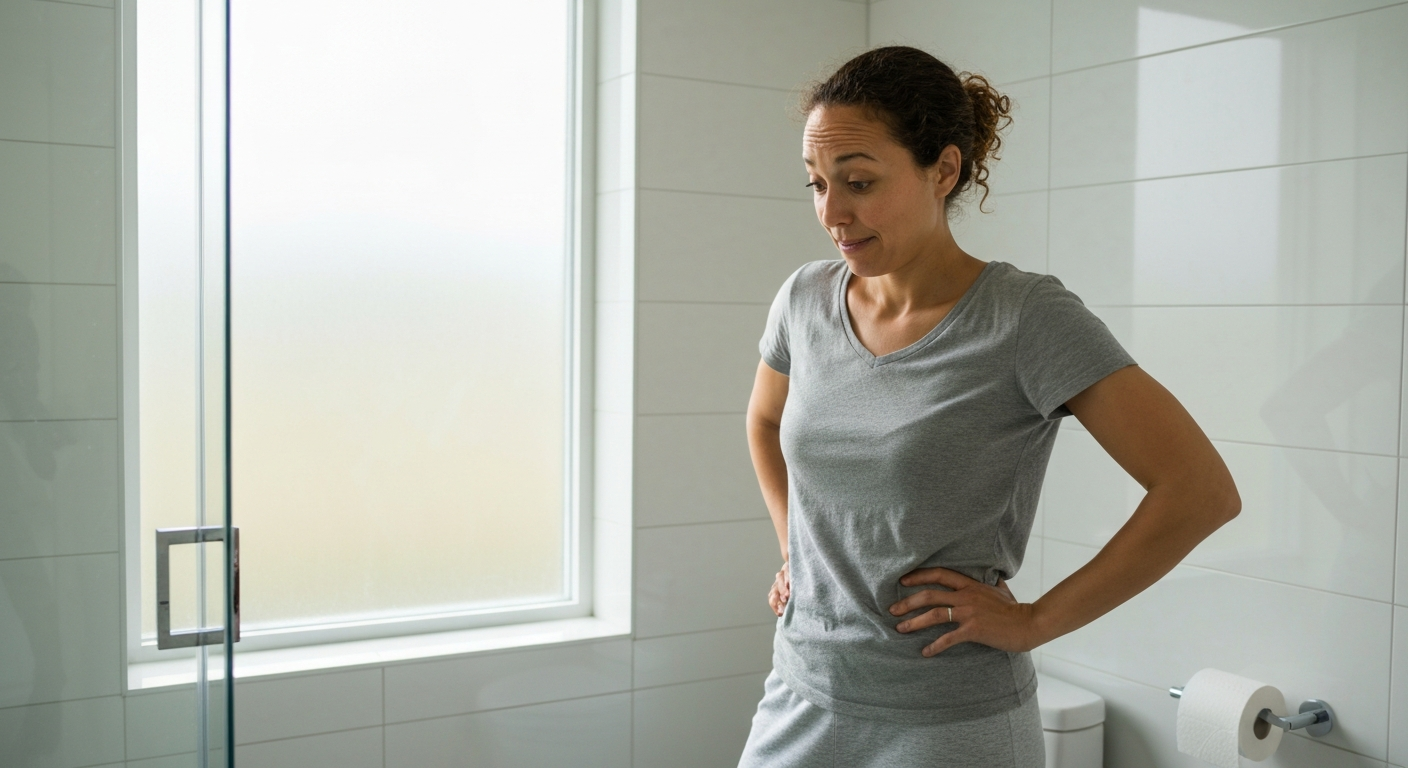

Green poop is usually caused by something you ate — leafy greens, green food coloring, or iron supplements — and your stool should return to brown within a day or two once that food passes through your system.
The color of your stool depends on bile pigments and how long food takes to travel through your digestive tract. When transit time speeds up (from diarrhea, for example), bile doesn't have enough time to break down completely, leaving your poop green instead of brown. Less commonly, green stool can signal a bacterial infection, medication side effect, or underlying digestive condition. Below, you'll find the most common causes, when green poop is actually concerning, and exactly what to do about it.
| ✓Our Pick |
Clinically backed digestive health supplements No special skills required — straightforward to use and most orders ship quickly. Learn More → |
Bile — a greenish-yellow digestive fluid made by your liver — is the reason poop can turn green when it moves through your intestines too quickly.
Your liver produces bile and stores it in your gallbladder. When you eat, bile releases into your small intestine to help digest fats. Fresh bile is actually green. As it travels through your digestive tract, bacteria and enzymes break it down into a pigment called stercobilin, which gives healthy stool its characteristic brown color.
This breakdown process takes time. If food rushes through your system faster than normal, bile doesn't fully convert to stercobilin. The result is green or greenish-brown poop. Transit time is the key variable — anything that speeds up digestion can leave you with green stool.
"The normal brown color of stool occurs because of bilirubin, a byproduct of red blood cell breakdown that is further metabolized in the intestines by bacteria." — Cleveland Clinic
Yes, and this is the most common explanation. Spinach, kale, broccoli, arugula, and other chlorophyll-rich vegetables can tint your stool green when you eat them in large quantities. The pigment passes through your digestive system relatively unchanged. If you've recently increased your vegetable intake or tried a green juice cleanse, your poop will likely reflect that.
Artificial food coloring — particularly blue and green dyes — can absolutely change your stool color. Common culprits include:
Blue dye mixed with yellow bile creates a green result. One heavily dyed meal can affect your stool for 24–48 hours.
Iron supplements frequently cause dark green or black stool. Your body doesn't absorb all the iron you take, and the excess oxidizes as it passes through your digestive tract. This oxidation process turns stool darker — sometimes greenish-black.
If you've recently started iron supplements for anemia or during pregnancy, expect some color changes. This is harmless and doesn't mean you should stop taking the supplement.
Antibiotics disrupt your gut microbiome — the community of bacteria that helps process bile and digest food. When these bacteria are thrown off balance, bile may not break down properly. The result is often green diarrhea that lasts until your gut bacteria recover.
"Antibiotics can alter the intestinal flora, leading to changes in stool color and consistency." — Johns Hopkins Medicine
Common antibiotics associated with green stool include amoxicillin, cephalosporins, and fluoroquinolones.
Diarrhea is one of the most reliable triggers for green stool. When food moves through your intestines rapidly, there simply isn't enough time for bile to transform from green to brown. Any condition causing diarrhea — food poisoning, stomach flu, anxiety, or irritable bowel syndrome — can produce green poop as a secondary effect.
The green color isn't the problem here; it's a symptom of the underlying rapid transit. Once the diarrhea resolves, your stool color should normalize.
Certain bacterial infections produce distinctively green stool. Salmonella, E. coli, and Clostridioides difficile (C. diff) can all cause green diarrhea alongside other symptoms like cramping, fever, and nausea. These infections speed up intestinal transit and may also produce their own pigments.
If your green stool comes with fever over 101°F (38.3°C), severe abdominal pain, or bloody diarrhea, seek medical attention promptly.
Chronic digestive conditions can cause recurring green stool. Conditions that affect bile production, fat absorption, or intestinal transit time include:
| Condition | Why It Causes Green Stool |
|---|---|
| Celiac disease | Malabsorption speeds transit time |
| Crohn's disease | Inflammation affects bile processing |
| Irritable bowel syndrome (IBS) | Altered motility and transit |
| Bile acid malabsorption | Excess bile reaches the colon |
| Gallbladder removal | Continuous bile flow without storage |
If you've had your gallbladder removed, you may notice more frequent green stools. Without the gallbladder to store and regulate bile release, bile drips continuously into your intestines.
Also Read: Why Is My Pee Bubbly? 7 Causes & When to Worry
Green poop in infants is extremely common and almost always harmless — breastfed newborns often have yellow, green, or brown stools that change from day to day.
For formula-fed babies, iron-fortified formula frequently causes dark green stool. This is expected and healthy. Breastfed babies may have green poop when:
Green stool in toddlers and older children usually traces back to food dyes, leafy vegetables, or grape juice. Kids' vitamins containing iron can also turn stool green.
When to be concerned about a child's green poop:
Diet-related green poop typically resolves within 1–3 days once the triggering food passes through your system.
Here's a general timeline:
| Cause | Expected Duration |
|---|---|
| Leafy greens | 1–2 days |
| Food dye | 1–2 days |
| Iron supplements | Ongoing while taking supplements |
| Antibiotics | 1–2 weeks after finishing course |
| Diarrhea/stomach bug | 3–7 days |
| Chronic digestive condition | Recurring until condition is managed |
If your green stool persists beyond two weeks without an obvious dietary cause, it's worth discussing with your doctor.
Most green poop doesn't require medical attention, but certain symptoms alongside the color change warrant a visit to your healthcare provider.
Seek medical advice if you experience:
Green stool combined with pale or clay-colored stool may indicate a bile duct problem and needs prompt evaluation.
Also Read: Why Is My Tongue Hurting? 11 Causes & How to Get Relief
The fastest way to normalize green stool is to identify and address the trigger — usually this means waiting 24–48 hours after eating the offending food.
Practical steps:
Review what you ate in the last 48 hours. Look for leafy greens, green smoothies, artificially colored foods, or iron supplements.
Stay hydrated. If diarrhea is causing your green stool, water and electrolytes help your digestive system recover.
Eat fiber-rich foods. Soluble fiber (oatmeal, bananas, rice) can help bulk up loose stools and slow transit time.
Give your gut time. After antibiotics, your microbiome needs 1–2 weeks to rebalance. Probiotic foods like yogurt and kefir may help.
Track patterns. If green stool keeps recurring, keep a food diary to identify consistent triggers.
"In most cases, green stool is not a cause for concern and is often related to diet. However, persistent changes should be evaluated by a healthcare provider." — Mayo Clinic
| Stool Color | Possible Causes | Concern Level |
|---|---|---|
| Brown | Normal | None |
| Green | Diet, bile, rapid transit | Usually none |
| Yellow | Fat malabsorption, celiac | Moderate if persistent |
| Black | Iron, bismuth, upper GI bleeding | High if not explained by supplements |
| Red | Beets, food dye, lower GI bleeding | High if not from food |
| Pale/clay | Bile duct obstruction | High — see doctor |
| Orange | Beta-carotene, food dye | Usually none |
Also Read: Why Is My Left Leg Bigger Than My Right? 7 Causes & Fixes
Green poop is almost always harmless and caused by something you ate — leafy greens, food dyes, or iron supplements top the list. Rapid transit from diarrhea or antibiotics can also leave stool green because bile doesn't have time to break down fully. Most cases resolve within a day or two. If green stool persists beyond two weeks, comes with fever, blood, or severe pain, or you can't explain it through diet, check in with your doctor.
Bright green poop usually comes from eating foods with strong green pigments or artificial dyes. Blue Gatorade, green frosting, or a large spinach salad can all produce vivid green stool. Bile that hasn't fully broken down also appears brighter green than the typical dark green from iron supplements.
It can be, but it's not the most common cause. Bacterial infections like Salmonella or C. diff can cause green diarrhea alongside fever, cramping, and nausea. If your green poop comes with these other symptoms, especially fever over 101°F, see a doctor. Green poop alone — without other symptoms — is rarely an infection.
Check for hidden sources of green or blue dye: grape soda, purple Popsicles, blue sports drinks, or artificially colored medications. Iron supplements and some antibiotics also cause green stool without green food intake. Rapid digestion from stress, anxiety, or a mild stomach bug can turn stool green by preventing bile breakdown.
Yes. Stress and anxiety activate your "fight or flight" response, which speeds up digestion. When food moves through your intestines faster than normal, bile doesn't fully break down, leaving your stool green. This is temporary and resolves once the stressful period passes.
Green poop during pregnancy is common and typically caused by prenatal vitamins containing iron. Increased vegetable intake and digestive changes during pregnancy can also contribute. Unless you have other concerning symptoms like severe cramping or bleeding, green stool during pregnancy is normal and expected.
Reviewed and Updated on May 28, 2026 by George Wright