
Technology
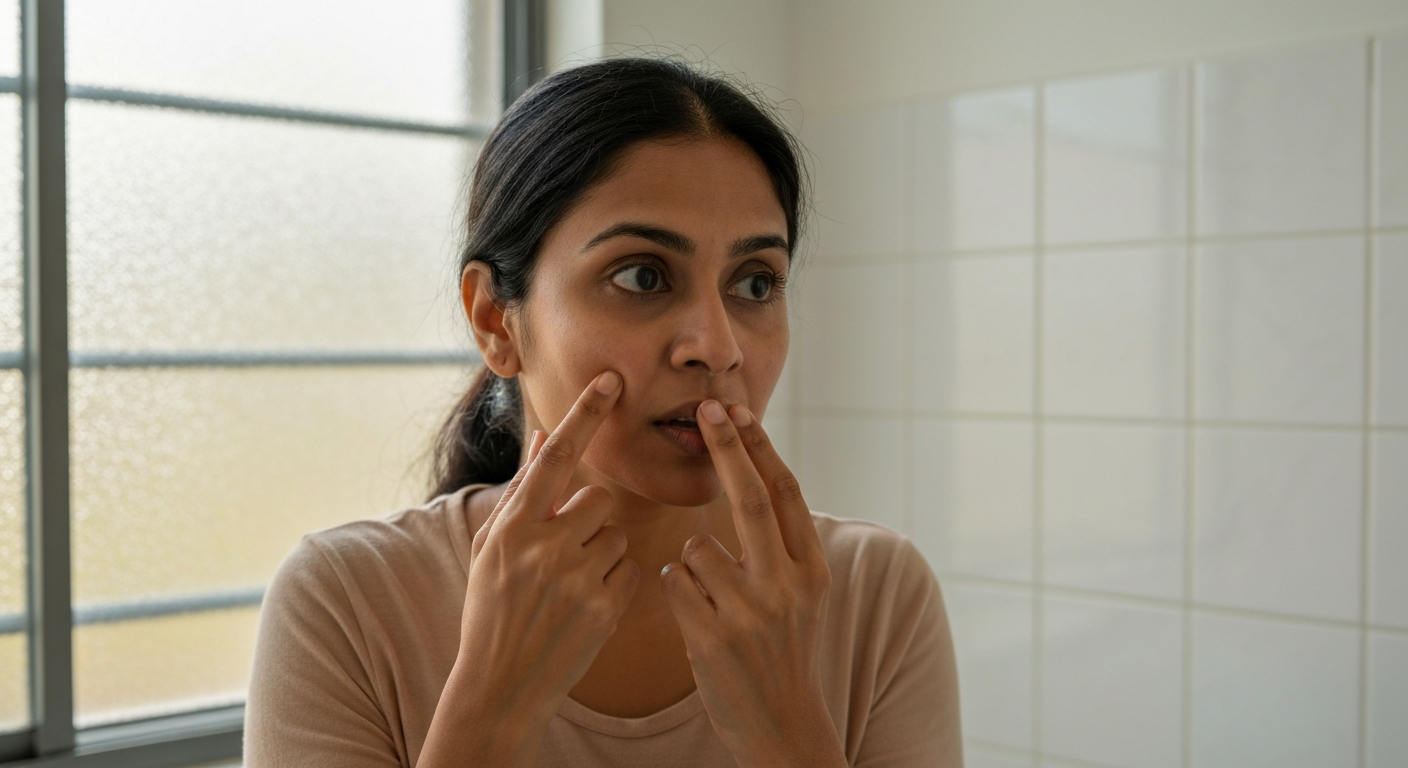

Your pores look large because of a combination of genetics, excess sebum production, and accumulated debris that stretches the pore opening over time—and while you can't shrink pore size permanently, you can dramatically minimize their appearance with the right skincare approach.
Pores are the tiny openings at the surface of your skin where hair follicles emerge and sebaceous glands release oil. Everyone has them—roughly 5 million across your entire body and about 20,000 on your face alone. The size you see depends on how much oil your glands produce, how much debris has collected inside, and the structural proteins holding everything together. Understanding exactly why your pores appear enlarged is the first step toward making them less noticeable.
| ✓Our Pick |
Pore-minimizing skincare essentials for oily and combination skin No special skills required — straightforward to use and most orders ship quickly. See on Amazon → |
Your pore size is primarily set by your genes, but environmental factors, age, and skincare habits can make pores appear larger or smaller than your genetic baseline.
Pores themselves don't have muscles, so they can't physically open and close the way many skincare myths suggest. What changes is the appearance of the pore opening at the skin's surface. When sebaceous glands produce excess oil, that oil mixes with dead skin cells and forms a plug. This plug stretches the pore opening, making it more visible.
The structure of your pore is supported by collagen and elastin—the same proteins that keep your skin firm and bouncy. As these proteins break down (from aging, sun damage, or other factors), the pore walls lose their support system. Without that scaffolding, the opening sags and appears larger.
"Pore size is largely determined by genetics and sebum production. While we cannot change the actual size of pores, we can minimize their appearance through proper skincare." — Dr. Hadley King, Board-Certified Dermatologist
| ✓Quick Fix |
What Actually Works for This, Fast One of the simplest things to try immediately — no appointment, no waiting. See on Amazon → |
Yes, and it's the single biggest factor. If your parents have visible pores, you likely inherited larger sebaceous glands that produce more oil. Ethnicity also plays a role—studies show that individuals with darker skin tones often have larger pores, possibly due to higher sebum production rates. You can't change your genetic blueprint, but you can manage everything else on this list.
Absolutely. Sebum is essential for keeping skin moisturized, but overproduction creates problems. Excess oil pools at the pore opening, mixing with dead cells to form a visible plug (a blackhead or whitehead). This plug physically stretches the pore opening. The more oil your skin produces, the more material accumulates, and the larger your pores appear.
They do. When a pore stays clogged for an extended period, the constant pressure from accumulated sebum and debris stretches the pore walls. Over months or years, this repeated stretching can cause permanent enlargement. This is why consistent cleansing and exfoliation matter—removing debris before it has time to stretch the pore.
Unfortunately, yes. Collagen production drops by approximately 1% per year after age 20. Elastin degrades as well. Without these structural proteins supporting the pore walls, the opening loses its tight, round shape and appears larger and more irregular. Sun damage accelerates this process significantly—UV exposure breaks down collagen faster than natural aging alone.
"Chronic sun exposure leads to thickening of the epidermis and degradation of collagen, both of which contribute to enlarged pore appearance." — American Academy of Dermatology
Yes, and it's one of the most preventable causes. UV radiation damages collagen fibers and thickens the outer layer of skin (the epidermis). This thickening makes pores look more prominent. Additionally, sun damage impairs the skin's ability to repair itself, so the cumulative effect worsens over time. Daily sunscreen use is one of the most effective ways to prevent pore enlargement.
It can. Aggressive extraction damages the delicate pore walls and surrounding tissue. If the pore lining ruptures, the healing process can leave scar tissue that stretches the pore opening permanently. Professional extractions are gentler, but at-home squeezing—especially with dirty hands or improper technique—creates lasting damage.
Counterintuitively, yes. When your skin is dehydrated (lacking water, not oil), it can trigger increased sebum production as a compensatory mechanism. More oil means more visible pores. Additionally, dehydrated skin looks dull and less plump, which makes surface imperfections—including pores—stand out more.
| Skin Type | Pore Visibility | Why |
|---|---|---|
| Oily | High | Excess sebum production stretches pore openings |
| Combination | Moderate to High | T-zone (forehead, nose, chin) produces more oil |
| Normal | Low to Moderate | Balanced sebum production, fewer clogs |
| Dry | Low | Minimal oil production, but dehydration can worsen appearance |
| Sensitive | Variable | Inflammation can temporarily enlarge pores |
People with oily or combination skin notice pores most, particularly in the T-zone where sebaceous glands are most concentrated. However, even those with dry skin can develop enlarged pores from sun damage or aging.
You cannot permanently shrink pores, but consistent skincare habits can make them significantly less noticeable by keeping them clean, controlling oil, and supporting collagen.
Wash your face twice daily with a gentle, non-comedogenic cleanser. Over-cleansing strips natural oils and triggers rebound sebum production, making pores worse. Look for cleansers with salicylic acid if you're acne-prone—this beta-hydroxy acid dissolves the oil and debris inside pores.
Chemical exfoliants (AHAs like glycolic acid, BHAs like salicylic acid) remove dead skin cells that would otherwise clog pores. Start with 2–3 times per week and adjust based on how your skin responds. Physical scrubs can work but are easier to overdo—if you use one, choose fine particles and a gentle touch.
Retinoids (vitamin A derivatives) increase cell turnover and stimulate collagen production. This keeps pores clear while strengthening the structural support around them. Over-the-counter retinol is a good starting point; prescription tretinoin is more potent. Expect mild irritation initially—it usually subsides within 4–6 weeks.
Niacinamide (vitamin B3) regulates sebum production, reduces inflammation, and strengthens the skin barrier. Studies show it can visibly reduce pore size with consistent use. Look for serums with 5–10% concentration.
Daily broad-spectrum SPF 30 or higher prevents the collagen breakdown that enlarges pores. This is non-negotiable. Apply every morning, even on cloudy days, even if you're staying indoors near windows.
For stubborn pores, dermatologists offer options like:
- Chemical peels: deeper exfoliation than at-home products
- Laser treatments: stimulate collagen remodeling
- Microneedling: triggers skin repair and tightening
- Hydrafacial: deep cleansing and extraction
These treatments can produce more dramatic results than topical products alone.
Also Read: Why Is My Skin So Dry Even When I Moisturize? 9 Causes & Fixes
Steam does not "open" pores, and ice does not "close" them. Pores lack muscles and cannot contract or expand in response to temperature. Warmth does soften sebum, making extractions easier, but the pore itself stays the same size.
Pore strips provide temporary results only. They remove the top of blackheads but don't address the underlying cause. The pore refills within days.
Drinking more water won't shrink pores. Hydration supports overall skin health, but pore size is determined by oil production and structural factors, not water intake.
Most enlarged pores are cosmetic concerns, not medical ones. However, consider professional consultation if:
A dermatologist can assess your specific skin type and recommend targeted treatments.
Also Read: Why Is My Nose So Big? Genetics, Aging & Perception Explained
Large pores result from genetics, excess oil production, clogged debris, sun damage, and collagen loss—factors that stretch the pore opening or weaken its structural support. While you can't permanently shrink pores, a consistent routine of gentle cleansing, chemical exfoliation, retinoids, niacinamide, and daily sunscreen can minimize their appearance significantly. For stubborn cases, professional treatments like chemical peels or laser therapy offer more dramatic improvement.
Sudden pore enlargement usually signals a change in oil production, often triggered by hormonal shifts (puberty, menstrual cycle, pregnancy, menopause), new skincare products, or medication changes. Sun exposure during summer can also make pores temporarily more visible due to increased sweating and oil production. If the change is dramatic and unexplained, a dermatologist visit can rule out underlying skin conditions.
No, you cannot permanently reduce pore size below your genetic baseline. Pores are structural features of your skin determined by follicle and gland size. However, you can make them appear smaller by keeping them clear, controlling oil, and maintaining collagen with retinoids and sun protection. Some professional treatments (lasers, radiofrequency) can produce longer-lasting improvements by tightening surrounding tissue.
Pores often appear larger as you age because collagen and elastin—the proteins that keep pore walls firm—break down over time. This causes the pore opening to sag and look less defined. Sun damage accelerates this process. Starting a retinoid and consistent sunscreen use earlier can slow age-related pore enlargement.
Makeup itself doesn't enlarge pores, but failing to remove it thoroughly can. Leftover makeup mixes with oil and dead cells, clogging pores and stretching them over time. Always double-cleanse at night (oil-based cleanser first, then water-based) and choose non-comedogenic products labeled as "pore-minimizing" or "oil-free."
Yes, genetics are the primary determinant of pore size. If your parents have visible pores, you likely inherited larger sebaceous glands that produce more oil. While you can't change your genes, you can manage contributing factors like sun exposure, cleansing habits, and skincare ingredients to minimize appearance.
Reviewed and Updated on June 20, 2026 by George Wright