

Dogs
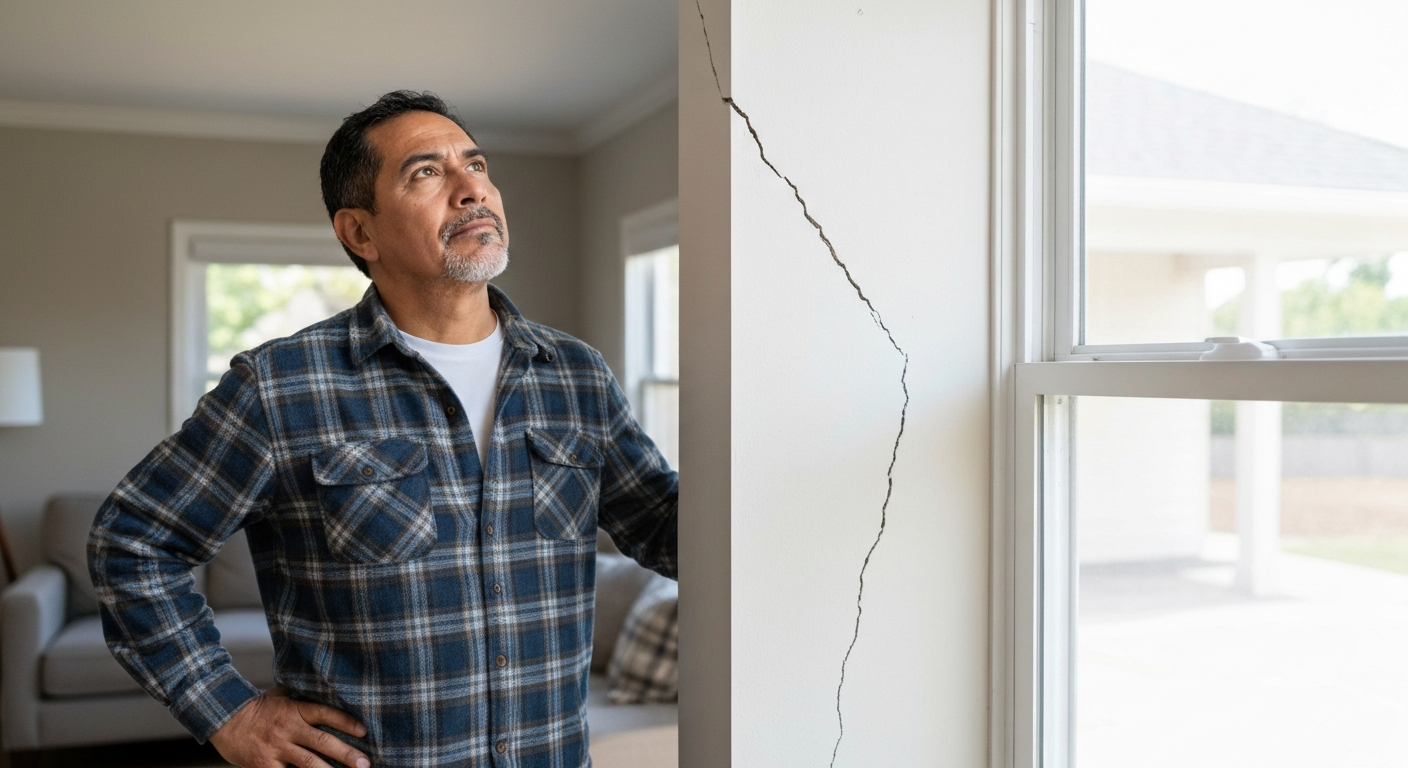

Sheetrock cracks when the underlying structure moves, moisture levels shift, or the original installation had flaws—and the good news is most cracks are cosmetic, not structural, meaning you can repair them yourself once you identify the root cause.
Drywall (the brand name "Sheetrock" has become interchangeable with drywall in American homes) develops cracks for reasons ranging from normal house settling to serious foundation problems. The key to fixing them permanently lies in understanding why they appeared in the first place. A hairline crack at a door frame tells a different story than a stair-step pattern running across your living room ceiling. This guide walks you through the seven most common causes of sheetrock cracking in 2026, how to tell which type you're dealing with, and when a crack signals something more urgent than a weekend repair project.
Sheetrock cracks form when stress exceeds the material's flexibility—whether from structural movement, temperature swings, moisture changes, or improper installation techniques.
Drywall is essentially gypsum plite sandwiched between paper facings. It's rigid by design, which makes it excellent for creating smooth walls but vulnerable to cracking when forced to move. The joints between sheets are the weakest points, which is why cracks commonly appear along seams, at corners, and radiating from door and window frames where stress concentrates.
Understanding the mechanics helps you diagnose your situation. A house that just finished its first heating season behaves differently than one that's been standing for fifty years. New construction settles. Old homes shift with soil moisture. Climate-controlled interiors fight against seasonal humidity swings. All of these forces eventually show up as cracks in your walls and ceilings.
Most sheetrock cracks fall into one of seven categories, each with distinct visual characteristics that help you pinpoint the underlying problem.
Every new home settles as the soil beneath it compacts under the structure's weight. This process is most active during the first one to three years after construction but can continue for decades at a slower pace. Settling cracks typically appear as diagonal lines running from the corners of doors and windows, where the rigid framing meets the more flexible wall plane.
These cracks are usually hairline thin—you can barely fit a credit card edge into them. They're cosmetic concerns, not structural emergencies. If you've recently moved into new construction and notice small cracks appearing over the first year or two, you're likely witnessing normal settling.
Drywall absorbs and releases moisture depending on the relative humidity in your home. When humidity spikes, the gypsum core and paper facing expand slightly. When your heating system dries out the winter air, everything contracts. This constant cycle creates stress at joints and seams.
"Gypsum board products expand with moisture gain and contract with moisture loss. If joints are made when the board moisture content is relatively high, drying after job completion may cause cracking of joints." — Gypsum Association Technical Document GA-216
Homes without consistent climate control—or those in regions with extreme seasonal swings—see more humidity-related cracking. Bathrooms, kitchens, and laundry rooms are particularly susceptible because of the moisture generated by daily use.
Temperature changes cause building materials to expand and contract at different rates. Your wooden framing, drywall, and joint compound all respond differently to the same temperature swing. This differential movement creates stress at connection points.
Attic spaces and exterior walls experience the most dramatic temperature shifts. A south-facing wall in Arizona might swing 40°F between day and night, while the interior stays relatively constant. That exterior wall's drywall absorbs heat and moves while the interior side stays still—and the stress shows up as cracks.
Also Read: Why Is My Salt Lamp Melting? 7 Causes & Easy Fixes
Tape failure is one of the most common causes of cracking along seams. If the installer used insufficient joint compound beneath the tape, left air bubbles, or applied compound that was too thick, the tape loses adhesion over time. The result is a crack running directly along a seam line—sometimes with visible tape edges lifting away from the wall.
Paper tape requires a solid bed of compound to stick. Fiberglass mesh tape needs multiple compound coats to build strength. Shortcuts in either technique show up within a few years as cracks, bubbles, or peeling sections.
Drywall screws hold the sheets to the underlying framing. Building codes specify maximum spacing—typically 12 inches apart along ceiling joists and 16 inches on walls. When installers use fewer fasteners to save time, the unsupported sections flex more than they should.
Over time, this excess movement fatigues the paper facing and gypsum core. Cracks appear between fasteners, often accompanied by nail pops where fasteners push through the paper surface. If you're seeing both cracks and raised bumps where screws are breaking through, under-fastening is a likely culprit.
| ✓Our Pick |
Search for drywall repair tools and joint compound This is what many people find solves the problem quickly, without a costly professional visit. See on Amazon → |
Foundation problems produce distinctive crack patterns that demand immediate attention. Look for:
Foundation settlement can result from poor soil compaction during construction, changes in groundwater levels, tree roots, or plumbing leaks undermining the soil. These cracks tend to be wider at one end than the other, reflecting the direction of movement.
"Diagonal cracks that start at the corners of window and door openings and appear to grow wider at one end are often indicators of foundation settlement and should be evaluated by a structural engineer." — International Association of Certified Home Inspectors
The wooden or metal framing behind your drywall dictates where stress concentrates. Common framing issues include:
Truss uplift is particularly common in northern climates. As attic humidity drops in winter, the bottom chord of roof trusses bows upward, pulling the ceiling away from interior walls. The telltale sign is a horizontal crack where the ceiling meets an interior partition wall—and it often closes up again in summer.
The location, pattern, and size of a crack reveal whether you're dealing with a quick DIY repair or a problem requiring professional assessment.
| Crack Characteristic | Likely Cosmetic | Possibly Structural |
|---|---|---|
| Width | Hairline to 1/8" | Greater than 1/4" |
| Pattern | Runs along seams or from corners of openings | Stair-step, horizontal, or diagonal across wall |
| Growth | Stable after initial appearance | Continues widening over weeks/months |
| Location | Interior walls, around doors/windows | Exterior walls, near foundation |
| Accompanying signs | None | Sticking doors, uneven floors, gaps at trim |
When in doubt, mark the ends of a crack with pencil and date them. Check back in a month. If the crack has grown beyond your marks, consult a structural engineer before attempting repairs.
Most DIY crack repairs follow the same basic process: open the crack slightly, fill with flexible compound, tape if needed, and refinish.
For hairline cracks under 1/8 inch:
For larger cracks or failed tape joints:
For recurring cracks in the same location, consider using a flexible crack repair compound or paintable caulk. These products sacrifice some rigidity for the ability to move with the underlying structure.
Also Read: Why Is My Water Blue? 7 Causes & What to Do
Contact a structural engineer or foundation specialist if cracks exceed 1/4 inch, follow stair-step patterns, or appear alongside other signs of foundation movement.
Don't delay professional evaluation if you notice:
A structural engineer's assessment typically costs $300–$700 and provides documentation of the issue and recommended repairs. If you're buying or selling a home, this report becomes essential for negotiations.
Sheetrock cracks result from house settling, moisture and temperature fluctuations, improper installation, or foundation movement. Hairline cracks along seams and around openings are usually cosmetic and repairable with joint compound and tape. Cracks wider than 1/4 inch, stair-step patterns, or those accompanied by sticking doors and uneven floors suggest structural issues requiring professional evaluation. The key to permanent repair is identifying and addressing the underlying cause—otherwise, the crack will return.
Recurring cracks indicate ongoing movement that standard repairs can't accommodate. The most common causes are truss uplift (in ceilings near exterior walls), inadequate fastening, or continued foundation settling. For truss uplift, the solution is to detach the ceiling drywall from the partition wall top plates and use corner bead or crown molding to hide the gap. For foundation issues, repairs must address the soil and structure before cosmetic fixes will hold.
Paint alone won't fix cracks—it just temporarily hides them. Within months, the crack will telegraph through even multiple paint layers. At minimum, use a flexible paintable caulk to fill hairline cracks before painting. For a more durable fix, apply joint compound, let it cure, sand smooth, and then prime before your topcoat. The extra hour of prep saves you from repainting next year.
In the vast majority of cases, no. Small cracks are a normal part of a house's life cycle as materials expand, contract, and shift with the seasons. Every home develops some cracking over time. The cracks that warrant concern are those wider than a quarter inch, those that grow rapidly, or those accompanied by other symptoms like sticking doors, uneven floors, or gaps at window frames. Cosmetic cracks—the ones most homeowners notice—are maintenance items, not emergencies.
Settling cracks result from normal soil compaction under the home's weight and typically stabilize within a few years. They're usually small, diagonal, and radiate from stress points like door and window corners. Foundation cracks indicate actual structural movement—either settlement (sinking), heave (rising), or lateral pressure from soil. They tend to be wider, follow stair-step patterns in masonry, and continue growing over time. A structural engineer can distinguish between the two with a site inspection.
A crack running parallel to the ceiling joists likely follows a drywall seam and indicates tape failure or seasonal movement—annoying but not structural. A crack running perpendicular to the joists, especially if it's wider than 1/8 inch or appears suddenly, deserves closer attention. It could indicate truss uplift, water damage causing the framing to warp, or in rare cases, a failing structural member. If the ceiling also sags or feels spongy when you press on it, call a professional before attempting repairs.
Reviewed and Updated on June 10, 2026 by George Wright
