DIY
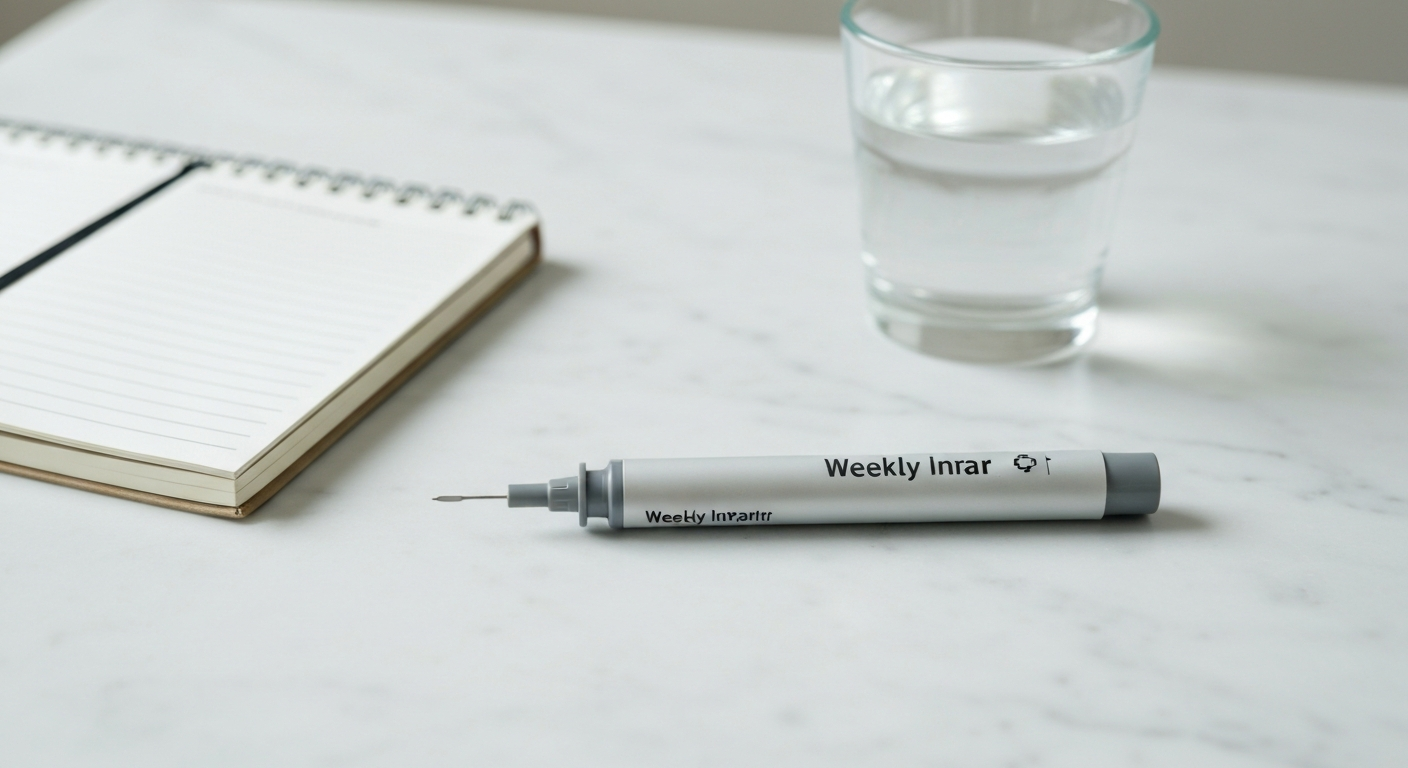

Pink semaglutide means the medication has degraded — most often from heat exposure, freezing, or age past expiration. Semaglutide (Ozempic, Wegovy) should be colorless to slightly clear-yellow. Any pink, red, or brownish discoloration means the pen should not be used. Contact your pharmacy for a replacement.
| ✓Our Pick |
AI-powered calorie and nutrition tracker for weight management Backed by strong customer feedback — the most recommended solution in forums and Q&A communities. Learn More → |
Semaglutide is a GLP-1 receptor agonist peptide — a protein-based drug. Like all protein medications, it is sensitive to temperature, light, and pH. The solution in a correctly stored, in-date pen should be:
Any deviation from this appearance is a sign of degradation. Do not inject a discolored, cloudy, or particulate solution.
Semaglutide's peptide structure begins to degrade when exposed to temperatures above 77°F (25°C) for extended periods. Heat accelerates oxidation of the amino acid residues in the molecule, producing discolored breakdown products — often in the pink to light brown range.
Common heat exposure scenarios:
- Left in a car on a warm day (interior car temperatures regularly exceed 120°F in summer)
- Stored near a window with direct sunlight
- Stored in a bathroom cabinet where shower steam and heat raise ambient temperature
- Shipped in hot weather without an insulated cold pack
According to Novo Nordisk, the manufacturer of Ozempic and Wegovy, semaglutide should be stored in a refrigerator (36–46°F / 2–8°C) before first use, and at room temperature (up to 77°F / 25°C) for no more than 56 days after first use.
"Ozempic should not be used after the expiration date, and the solution should be clear and colorless or almost colorless. Do not use Ozempic if the solution is not clear, if it contains particles, or if the color is not right." — Novo Nordisk Ozempic Prescribing Information
Fix: Dispose of the discolored pen. Ensure future storage keeps the pen in a consistent, cool environment — never in a car, near a heat vent, or in direct sunlight.
Frozen semaglutide undergoes ice crystal formation that physically damages the protein structure. After thawing, the peptide may appear cloudy, particulate, or in some cases lightly discolored. Even a brief freeze (a refrigerator set too cold, or a shipment left in a freezing environment) can compromise the product.
Check: If your pen was in the back of a very cold refrigerator — close to the freezer compartment or cooling element — it may have frozen. Frozen and thawed insulin or peptide drugs should always be discarded.
Fix: Store semaglutide in the main body of the refrigerator, away from the freezer compartment and away from the cooling wall. Never freeze.
Semaglutide pens carry an expiration date stamped on the label. After this date, the preservative system and the peptide's stability have degraded to the point where potency and safety cannot be guaranteed. An expired pen that was stored at borderline temperatures may show color change that wouldn't appear in a fresh in-date pen.
Fix: Check the expiration date on the pen before each use. Dispose of expired medication appropriately — many pharmacies offer sharps and medication disposal programs.
Introducing foreign material into the pen reservoir — through a contaminated injection technique, improper needle attachment, or touching the exposed cartridge tip — can catalyze color change. This is uncommon with auto-injector pens but possible if the pen cap was removed improperly or the pen was dropped in a way that compromised the seal.
Fix: Always use a new sterile needle for each injection. Do not leave the needle attached between injections — this allows air exchange and potential contamination. Cap the pen immediately after use.
Very rarely, a batch of semaglutide can leave manufacturing with a subtle color variation that falls within or just outside the acceptable range. Both the FDA and Novo Nordisk receive reports of potential product quality issues through their respective channels.
If you receive a pen that appears pink or discolored immediately upon opening a sealed, refrigerator-stored package, report it to the FDA's MedWatch program (1-800-FDA-1088 or fda.gov/medwatch) and to your pharmacy.
| Storage State | Temperature | Duration |
|---|---|---|
| Unopened (before first use) | 36–46°F (2–8°C) in fridge | Until expiration date |
| In use (after first injection) | Up to 77°F (25°C) room temp | 56 days maximum |
| Freezing | Below 32°F (0°C) | Never — discard if frozen |
| Heat exposure | Above 77°F (25°C) | Discard if extended exposure |
| Direct sunlight | Any temperature | Avoid — degrades peptide |
Also Read: Why Is My Blood Pressure High in the Morning? 7 Causes
Pink semaglutide means the peptide has degraded, almost always from heat exposure above 77°F. Do not inject a discolored pen. Dispose of it, contact your pharmacy for a replacement, and review your storage setup. Semaglutide must stay under 77°F after first use (up to 56 days) and refrigerated before first use — never frozen, never in a hot car, never in direct sunlight. The correct solution is colorless to very slightly yellow and completely clear.
A pink or discolored semaglutide solution indicates degradation — most commonly from heat exposure above 77°F. Any pink, red, or distinctly colored appearance means the pen should not be used. Contact your pharmacist for a replacement.
No. Discoloration indicates that the GLP-1 peptide has degraded — the medication has lost potency and may contain breakdown products. Dispose of the pen and contact your pharmacy.
Correct semaglutide solution is colorless to slightly yellow and completely clear — not cloudy, not pink, not red. Inspect before each injection.
Yes. After first use, it can be stored at room temperature up to 77°F for 56 days. Extended exposure above 77°F — in a hot car or in direct sunlight — degrades the peptide and can cause discoloration.
Do not inject it. Dispose in a sharps container, contact your pharmacy for a replacement, and report to FDA MedWatch if the pen was stored correctly and still discolored.
Reviewed and Updated on May 31, 2026 by George Wright