Technology
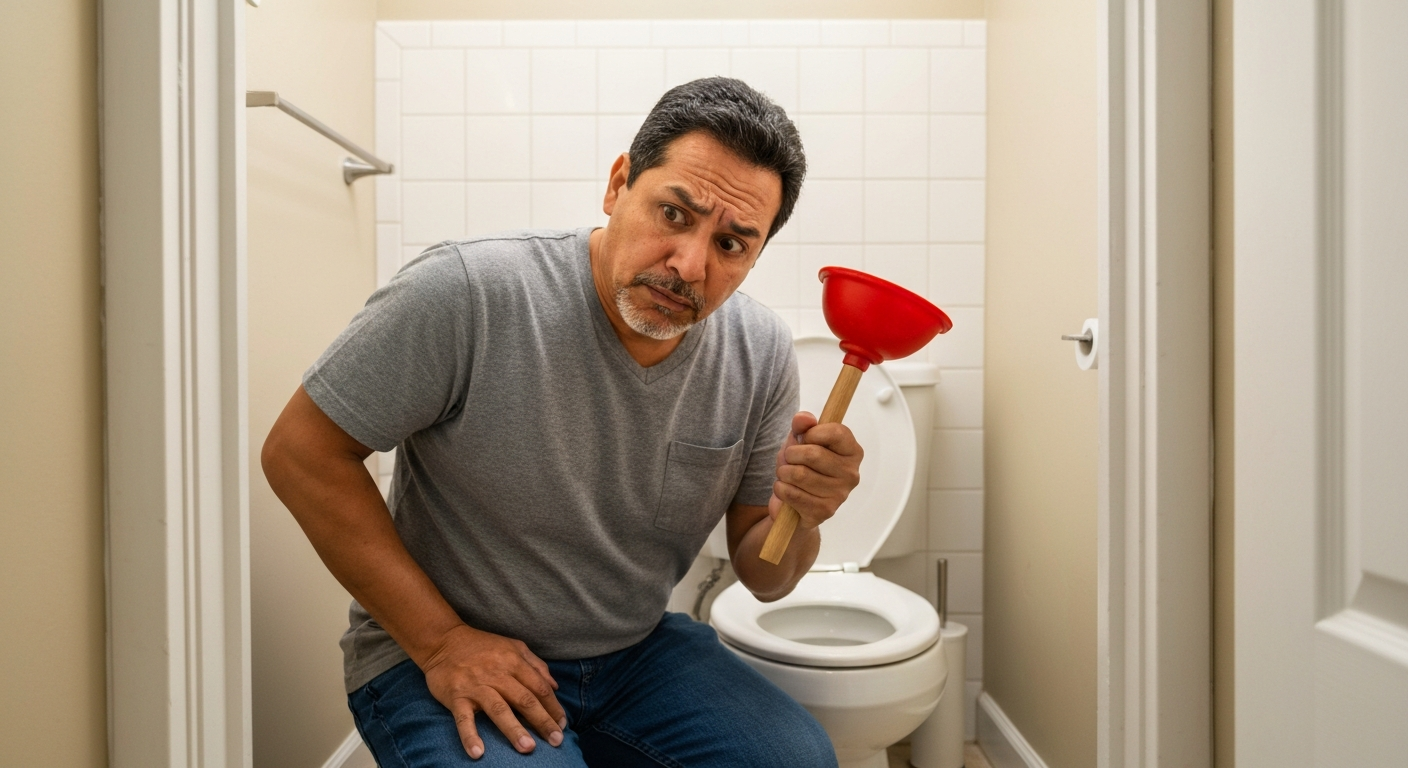

Your plunger isn't working because you're not getting a proper seal against the drain, you're using the wrong type of plunger for the fixture, or the clog is too severe or too deep in the pipe for a plunger to reach.
These three issues account for nearly every failed plunging attempt. The good news is that once you identify which problem applies to your situation, the fix is usually straightforward — and you may not need to call a plumber at all.
| ✓Our Pick |
Heavy-duty plunger set with both flange and cup styles Trusted by professionals and everyday users alike — a smart investment that pays for itself. See on Amazon → |
A plunger works by creating alternating pressure and suction inside the drain pipe — if anything breaks that seal or reduces the force, the clog won't budge.
Understanding the physics helps you troubleshoot faster. When you push down on a plunger, you compress the air (or water) between the rubber cup and the clog, forcing pressure against the blockage. When you pull up, you create suction that pulls the clog back toward you. This push-pull action is what dislodges debris. But several factors can sabotage this process before you even start.
The most frequent reason a plunger fails is an incomplete seal around the drain opening. Without a tight seal, the pressure you create simply escapes around the edges instead of pushing against the clog.
Common seal-breakers include:
You should have enough water in the toilet bowl or sink basin to completely cover the rubber cup. If the cup isn't submerged, you're just compressing air — which escapes easily — rather than incompressible water that transfers force directly to the clog.
This is the mistake most people don't realize they're making. The classic red rubber plunger with a flat bottom (a cup plunger) is designed for flat-surface drains like sinks, showers, and bathtubs. Toilets have a curved drain opening that a flat cup cannot seal against.
"A flange plunger, which has an extended rubber flap that folds out from inside the cup, is specifically designed to fit into the curved drain of a toilet bowl." — The Family Handyman
If you've been using a cup plunger on your toilet, that's likely your entire problem. The flange — that extra rubber sleeve inside the cup — is what creates a seal in the toilet's curved trapway.
| Plunger Type | Best For | Why |
|---|---|---|
| Cup plunger (flat bottom) | Sinks, showers, tubs | Seals against flat drain surfaces |
| Flange plunger (extended sleeve) | Toilets | Fits into curved toilet trapway |
| Accordion plunger (bellows-style) | Toilets | Creates extra pressure with rigid plastic bellows |
| Taze plunger | Main sewer lines | Professional tool for 2–6 inch pipes |
Plungers are effective for clogs located in the trap (the curved section directly beneath the fixture) or within the first few feet of drain pipe. A clog deeper in your plumbing system — say, 10 feet down a branch line or in the main sewer — is simply beyond the reach of plunger pressure.
Signs the clog is too deep:
When multiple fixtures are affected, the blockage is likely in a shared drain line or the main sewer, which requires a drain snake or professional hydro-jetting.
Some clogs are physically impossible to break up with pressure alone. Hardite buildup (calcium and mineral deposits), tree roots, collapsed pipe sections, or objects that shouldn't have been flushed — toys, hygiene products, wipes labeled "flushable," clumps of hardite — won't respond to plunging.
"Many products labeled as 'flushable' don't break down the way toilet paper does and can create blockages that require mechanical removal." — U.S. Environmental Protection Agency
If you know (or suspect) that something solid went down the drain, skip the plunger and go straight to a drain snake or call a plumber.
Rubber degrades over time, especially if the plunger sits unused in a bathroom corner for years. A stiff, cracked, or warped cup cannot flex to create a seal. Press your thumb into the rubber — it should feel pliable and bounce back. If it's hard, cracked, or stays indented, replace it.
The average plunger should last 5–10 years with occasional use, but heat, cold, and cleaning chemicals can accelerate deterioration.
Every drain system has vent pipes that exit through your roof, allowing air to enter the system and maintain proper pressure. If a vent is blocked (by a bird's nest, leaves, ice, or debris), negative pressure can prevent water from draining — and also reduce your plunger's effectiveness.
Signs of a vent problem:
Vent issues require roof access and are usually a job for a plumber unless you're comfortable working at heights.
Technique matters more than brute force. Common mistakes:
The correct technique is a controlled, steady rhythm with equal force on both the downstroke and upstroke, maintained for at least 15–20 full cycles before assessing progress.
Also Read: Why Is My Fridge Making a Loud Humming Noise? 7 Causes & Fixes
| ✓Quick Fix |
The Quick Fix Most People Reach for First One of the simplest things to try immediately — no appointment, no waiting. See on Amazon → |
Proper plunging technique creates maximum hydraulic force against the clog while maintaining a continuous seal — most people rush this process and give up too early.
Follow these steps for the best chance of clearing the clog without calling a plumber.
For toilets, use a flange plunger or accordion plunger. For sinks and tubs, use a cup plunger. Using the wrong type is the single most common reason plunging fails.
The plunger cup must be fully submerged. For a toilet, this usually means the water already in the bowl. For a sink, you may need to add water until the cup is covered. Water transmits force far more effectively than air.
Lower the plunger into the water at an angle to let trapped air escape from inside the cup. Then position it directly over the drain opening and press down gently to seat the seal. The cup's edge should make contact all the way around.
Push down firmly but not violently — about 1 second down, 1 second up. The upstroke (suction) is just as important as the downstroke (pressure). Maintain the seal throughout. Repeat 15–20 times before checking for drainage.
After 15–20 plunges, break the seal and see if water drains. If it drains slowly, repeat the process. If no progress after 3–4 rounds (60–80 plunges total), the clog is likely too solid or too deep for a plunger.
If plunging doesn't work after sustained effort, your options are:
Avoid chemical drain cleaners (like Drano or Liquid-Plumr) in standing water. They can splash back during plunging and cause chemical burns, and they're hard on older pipes.
| ✓Our Pick |
Drain snake kit for toilets and sinks Backed by strong customer feedback — the most recommended solution in forums and Q&A communities. See on Amazon → |
Toilets and sinks have different drain geometries, which is why they require different plunger designs — using a cup plunger on a toilet is the most common plunging mistake.
A toilet's drain exits through a curved internal trapway (the S-shaped passage molded into the porcelain). A flange plunger's extended sleeve fits into this opening and creates a seal against the curved surface. A flat cup plunger sits on top of the opening without entering it, leaving gaps where pressure escapes.
Sinks and tubs have flat drain surfaces flush with the basin. A cup plunger's flat edge seals directly against this surface. A flange plunger can work on a sink if you fold the flange back into the cup — but at that point, you're just using it as an inferior cup plunger.
If you only own one plunger, make it a flange plunger. You can fold the flange inward for sinks, but you cannot add a flange to a cup plunger for toilets.
Also Read: Why Is My Breaker Keep Tripping? 7 Causes & Fixes
If you've used the correct plunger with proper technique for 3–5 minutes without any improvement, the clog is beyond DIY plunging — continuing won't help and may waste time while the problem worsens.
Call a plumber if:
A professional plumber can use a motorized drain snake, sewer camera inspection, or hydro-jetting to diagnose and clear blockages that no plunger could touch.
For clogs in the main sewer line, some homeowners' insurance policies cover the cost — check your policy before paying out of pocket.
Your plunger isn't working because you're not getting a seal, you're using the wrong type for the fixture, or the clog is too deep or solid for plunging to work. Use a flange plunger for toilets and a cup plunger for sinks, ensure the cup is submerged in water, and plunge with steady, controlled force for at least 15–20 cycles. If the clog doesn't budge after multiple attempts, move on to a drain snake or call a plumber — the blockage is beyond what hydraulic pressure alone can clear.
The plunger loses suction because the seal breaks during the plunging motion. This happens when there isn't enough water covering the cup, when the rubber is cracked or stiff, or when you're plunging too aggressively and breaking contact with the drain surface. Slow down your technique and ensure the cup stays submerged throughout.
In rare cases, aggressive plunging can push a clog deeper into the pipe or compact it more tightly. This is most common with solid objects (toys, hygiene products) or when plunging a main line clog from a fixture far upstream. If you suspect a solid object, use a snake instead of a plunger to retrieve it.
Give it at least 3–5 minutes of sustained, proper-technique plunging (roughly 60–100 plunges). If you see no improvement at all — not even slower drainage — the clog is likely beyond plunger range. If drainage improves slightly, continue; you may just need more time to fully clear it.
For toilets clogged with organic waste, pouring a gallon of hot (not boiling) water from waist height can help soften the clog before plunging. Don't use boiling water — it can crack cold porcelain. For grease clogs in kitchen sinks, hot water with dish soap can break down the grease enough for plunging to finish the job.
Recurring clogs indicate an underlying problem: partial blockage deeper in the line, a low-flow toilet that doesn't generate enough flush power, mineral buildup narrowing the trapway, or a venting issue causing incomplete flushes. A plumber can camera-inspect the line to find the root cause.
Reviewed and Updated on June 20, 2026 by George Wright