Technology
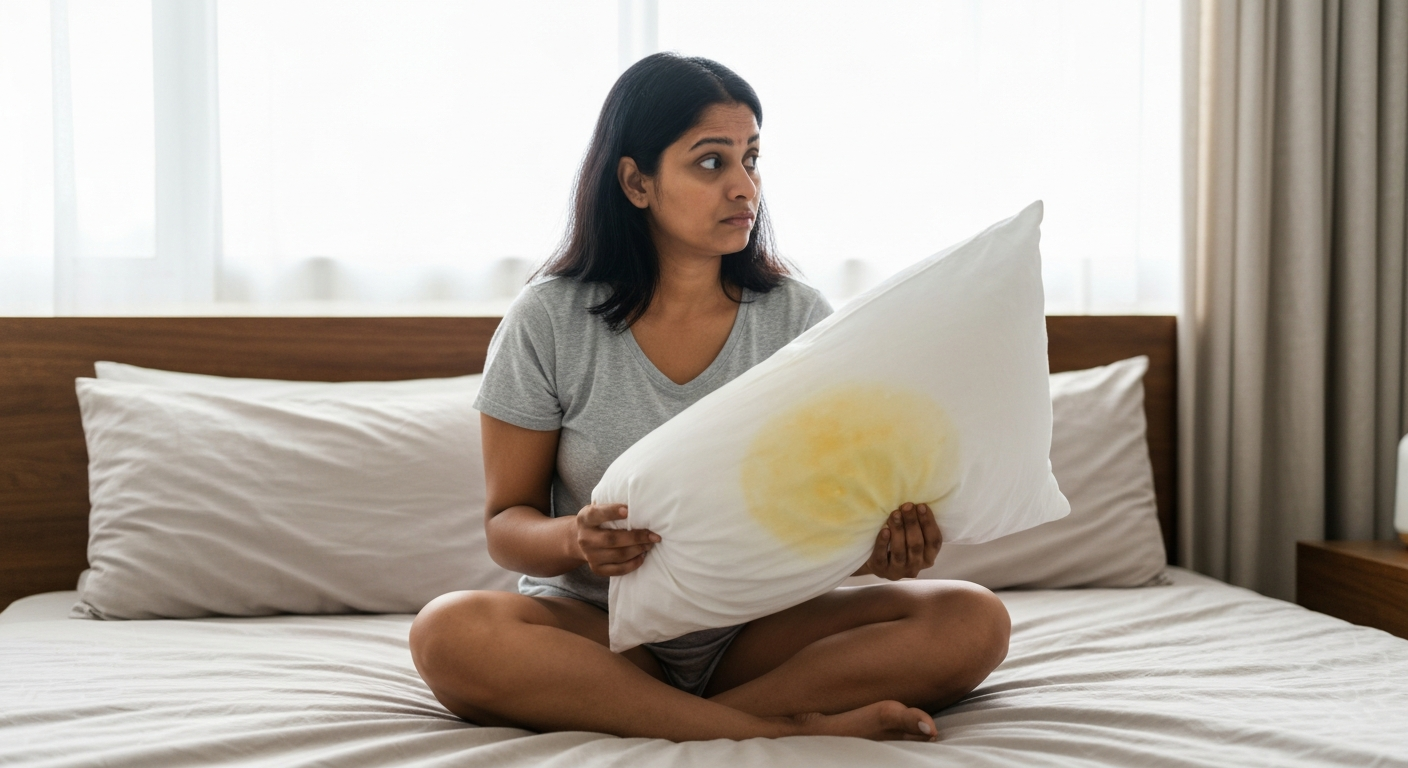

Your pillow turns yellow because of sweat, body oils, and saliva that soak into the fabric and oxidize over time—this is completely normal and happens to everyone, regardless of how clean you are.
The yellowish discoloration you're seeing isn't a sign of poor hygiene. Your body naturally produces fluids while you sleep, and these fluids contain proteins, oils, and moisture that seep through your pillowcase and into the pillow fill. Once there, they react with oxygen and the heat from your body, causing the telltale yellow stains that seem to appear out of nowhere.
| ✓Our Pick |
Pillow protectors that block sweat and oils from reaching your pillow No special skills required — straightforward to use and most orders ship quickly. See on Amazon → |
The primary culprit behind yellow pillows is a combination of sweat, sebum (skin oil), and dead skin cells that accumulate night after night, eventually oxidizing and creating permanent discoloration.
Your pillow absorbs an astonishing amount of bodily fluids while you sleep. The average person sweats about half a pint during a full night's sleep, and much of that moisture ends up in your pillow. When you combine that with the natural oils your skin produces and the occasional drool, you have a recipe for yellowing.
Here's what's actually happening at a chemical level: the proteins in your sweat and oils break down over time. As they're exposed to oxygen, they undergo a process called oxidation—the same reaction that turns a cut apple brown. Heat accelerates this process, which is why pillows that sit in warm bedrooms or are used by people who sleep hot tend to yellow faster.
Saliva is a significant contributor to pillow yellowing, especially if you sleep with your mouth open or on your side. Drool contains digestive enzymes and proteins that stain fabric particularly effectively. Side sleepers and mouth breathers often notice more concentrated yellow spots where their face rests against the pillow.
Absolutely. Hair oils, leave-in conditioners, serums, and even residue from styling products transfer to your pillowcase and eventually soak into the pillow itself. If you apply products before bed or don't wash your hair frequently, you'll likely see yellowing happen faster on the side where your head rests.
Going to bed with damp hair creates the perfect environment for accelerated staining. The moisture from wet hair increases humidity inside the pillow, trapping bacteria and creating conditions where yellowing happens much faster. If you shower at night, drying your hair completely before bed can significantly slow down pillow discoloration.
| ✓Quick Fix |
What Actually Works for This, Fast One of the simplest things to try immediately — no appointment, no waiting. See on Amazon → |
When body fluids absorb into pillow fibers, the proteins within them react with oxygen over time—this oxidation process is what turns clear or white substances into yellow or brown stains.
"Oxidation is a chemical reaction that occurs when substances are exposed to oxygen over time. In textiles, this process can cause discoloration as organic compounds break down and change color." — American Chemical Society
The same oxidation that causes your pillow to yellow is responsible for many other everyday phenomena. It's why white t-shirts develop yellow armpit stains, why old photographs fade to sepia tones, and why that white pillowcase you bought eventually takes on a cream color no matter how often you wash it.
| Substance | How It Causes Yellowing | Where You'll See It Most |
|---|---|---|
| Sweat | Proteins oxidize when exposed to air | All over, especially center of pillow |
| Sebum (skin oil) | Fatty acids break down and discolor | Where face and scalp rest |
| Saliva/drool | Digestive enzymes stain fabric | Side of pillow, near mouth position |
| Hair products | Oils and silicones build up over time | Upper portion where hair rests |
| Dead skin cells | Mix with oils and bacteria, then oxidize | Throughout pillow surface |
| Makeup residue | Pigments and oils transfer to fabric | Where face contacts pillow |
The temperature of your sleeping environment also plays a role. Heat accelerates oxidation, so if you keep your bedroom warm or tend to sleep hot, you may notice your pillows yellow faster than someone who keeps their room cool.
A yellowed pillow isn't inherently dangerous, but older pillows with significant staining can harbor dust mites, bacteria, and allergens that may affect your sleep quality and respiratory health.
The yellow color itself is mostly a cosmetic issue—it's the byproduct of harmless chemical reactions. However, the same conditions that cause yellowing (moisture, warmth, organic matter) also create an ideal breeding ground for less welcome residents.
"Pillows can accumulate dust mites, bacteria, and fungi over time. Regular cleaning and replacement helps maintain a healthier sleep environment." — National Sleep Foundation
Dust mites are microscopic creatures that feed on dead skin cells. They thrive in pillows, mattresses, and bedding. While they don't bite or cause direct harm, their waste products are a common allergen. If you wake up with a stuffy nose, itchy eyes, or sneezing, an old pillow could be contributing to the problem.
The Sleep Foundation recommends replacing pillows every one to two years, regardless of visible staining. However, if your pillow has any of these issues, it's time for a new one:
Also Read: Why Is My Skin So Dry Even When I Moisturize? 9 Causes & Fixes
Most yellow pillow stains can be significantly reduced or eliminated by washing the pillow with a mixture of laundry detergent, baking soda, and white vinegar—check the care label first to ensure your pillow is machine washable.
Before attempting any cleaning, check your pillow's care tag. Most synthetic and down-alternative pillows can be machine washed, while down, feather, and memory foam pillows often require special handling.
For stubborn stains, create a pre-treatment paste with baking soda and a small amount of water. Apply it directly to the yellow areas and let it sit for 30 minutes before washing.
Memory foam should never go in the washing machine—the agitation can destroy its structure. Instead:
Also Read: Why Is My Humidifier Not Working? 7 Causes & Quick Fixes
Using a waterproof pillow protector between your pillow and pillowcase creates a barrier that blocks sweat, oils, and drool from ever reaching the pillow fill in the first place.
Prevention is far easier than trying to remove set-in stains. Here's a practical approach to keeping your pillows white longer:
A zippered, waterproof pillow protector acts as a second skin around your pillow. It allows air to pass through so you stay comfortable, but blocks fluids from penetrating. Wash the protector every two to four weeks along with your sheets.
Your pillowcase is the first line of defense. Washing it weekly removes the oils, sweat, and dead skin that would otherwise work their way into the pillow. Use hot water when possible to kill bacteria and dust mites.
If you prefer evening showers, make sure your hair is fully dry before getting into bed. Damp hair trapped against a pillow creates a humid environment where stains develop faster and bacteria thrive.
If you use serums, oils, or heavy moisturizers, apply them at least 30 minutes before bed. This gives products time to absorb so less transfers to your pillow.
Lower temperatures slow down the oxidation process. A cooler room also means less sweating, which means fewer fluids soaking into your pillow overnight.
Once a month, take your pillow outside on a dry, sunny day. UV light naturally kills bacteria and helps evaporate trapped moisture. Even leaving pillows uncovered and fluffed during the day improves airflow.
Also Read: Why Is My Fridge Freezing Everything? 9 Causes & Fixes
Pillow material significantly affects how quickly yellowing occurs—polyester and down-alternative pillows tend to show stains sooner than down, latex, or certain specialty foams.
The construction and materials of your pillow determine how absorbent it is and how well it releases moisture. Here's how common pillow types compare:
| Pillow Type | Yellowing Speed | Why |
|---|---|---|
| Polyester fill | Fast | Highly absorbent, traps moisture |
| Down alternative | Fast | Similar absorption to polyester |
| Down/feather | Moderate | Natural oils provide some resistance |
| Memory foam | Slow | Dense foam absorbs less fluid |
| Latex | Very slow | Naturally resistant to moisture |
| Buckwheat/millet | Minimal | Hulls don't absorb fluids |
If yellowing is a persistent frustration, consider investing in a pillow made from materials that naturally resist staining. Latex and buckwheat pillows, while more expensive upfront, often last longer and stay cleaner than synthetic options.
Your pillow turns yellow due to sweat, body oils, saliva, and dead skin cells that soak into the fabric and oxidize over time—it happens to everyone and isn't a reflection of your cleanliness. You can wash most pillows to remove stains using detergent, baking soda, and vinegar, then dry them completely with tennis balls to prevent clumping. To keep pillows whiter longer, use a waterproof pillow protector, wash pillowcases weekly, and replace pillows every one to two years regardless of their appearance.
A dirty pillow can contribute to breakouts. The bacteria, oils, and dead skin cells that accumulate on a yellowed pillow can transfer back to your face while you sleep. Washing your pillowcase at least once a week and using a pillow protector helps minimize this risk. If you're prone to acne, consider switching to silk or satin pillowcases, which are less absorbent and gentler on skin.
Modern waterproof pillow protectors are designed to be breathable and virtually undetectable. Unlike the crinkly plastic covers of the past, today's protectors use quiet, stretchy fabrics that don't affect how your pillow feels. Look for ones labeled "breathable" or "noiseless" if comfort is a concern.
A persistent odor usually means the pillow didn't dry completely, which allows mold or mildew to develop inside. When washing pillows, run them through the dryer on low heat until they're totally dry—this can take two to three cycles. Adding dryer balls or clean tennis balls helps the filling dry evenly and prevents clumping.
Wash your pillow every three to six months, depending on how much you sweat and whether you use a protector. If you don't use a pillow protector, err on the more frequent side. Always check the care label first, as some pillows (especially memory foam) shouldn't go in the washing machine.
Chlorine bleach can damage many pillow fibers and may not be effective on protein-based stains like sweat. A safer alternative is oxygen bleach (like OxiClean), which whitens without the harsh effects. You can also use a mixture of hydrogen peroxide, baking soda, and dish soap for stubborn yellow stains—just test on a small area first.
Reviewed and Updated on June 20, 2026 by George Wright