Sleep
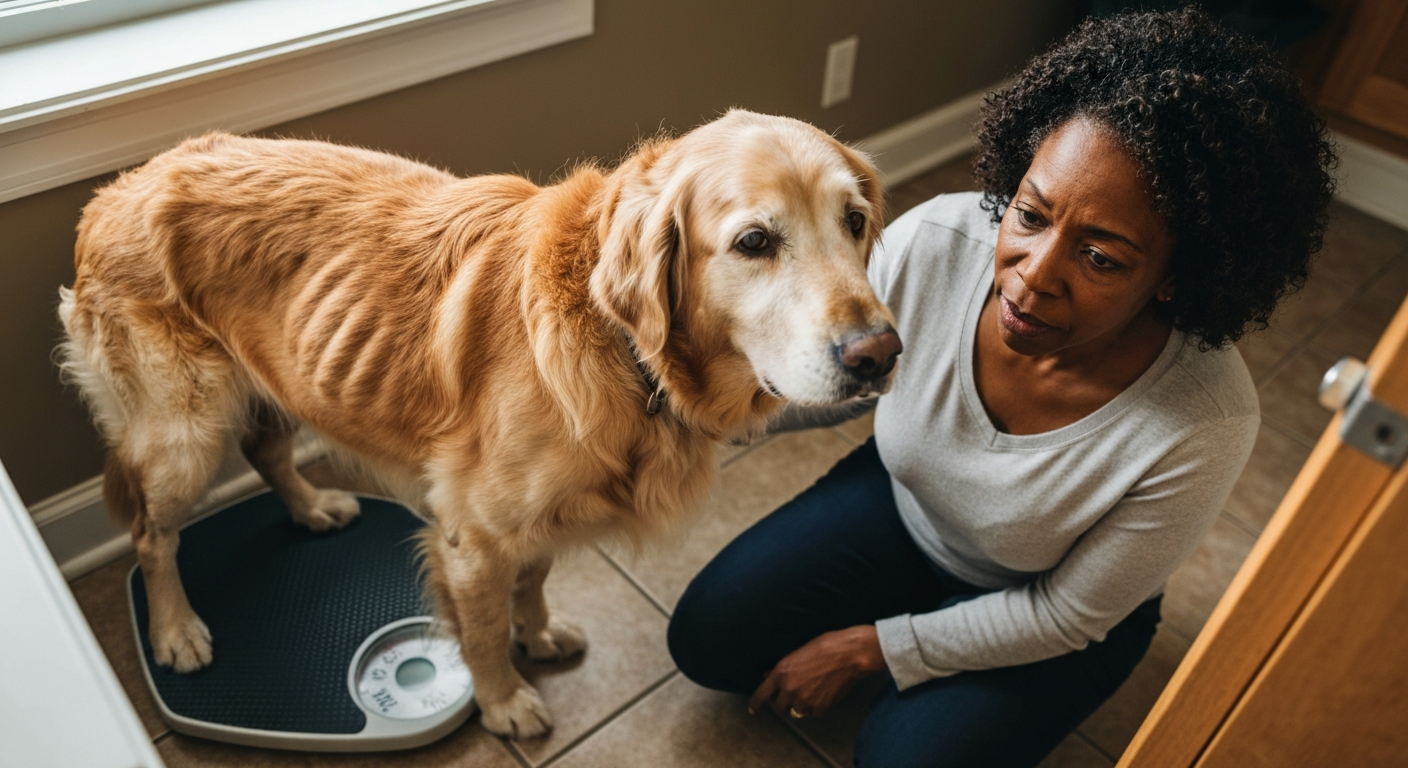

An old dog losing weight is usually a sign of an underlying health issue, not just normal aging — the most common causes include dental disease, diabetes, kidney disease, cancer, and digestive problems that prevent proper nutrient absorption.
Even if your senior dog is still eating normally, unexplained weight loss in dogs over seven years old warrants a veterinary visit within the next week or two. Weight loss of more than 10% of body weight is clinically significant and may indicate a condition that's treatable when caught early.
| ✓Our Pick |
Petcube Emergency Fund — $3,000 emergency vet coverage + 24/7 online vet access for senior dogs This is the go-to fix recommended by professionals — save time and money by getting it right the first time. Learn More → |
| ✓Our Pick |
ChefPaw Dog Food Machine — fresh-cooked homemade meals for your dog at the press of a button (from Innovet Pet, trusted since 2005) Used by over 10,000 satisfied customers — an easy, affordable option you can start using today. Learn More → |
A weight drop of 10% or more of your dog's normal body weight is medically significant and should prompt a vet visit — for a 50-pound dog, that's just 5 pounds.
Many owners don't notice gradual weight loss because they see their dog every day. You might only realize something's wrong when you suddenly feel your dog's ribs and spine more prominently, or when a neighbor comments that your dog looks thin.
Senior dogs (generally those over seven years old, or over five for giant breeds) naturally lose some muscle mass as they age. This is called sarcopenia. However, sarcopenia happens slowly over years, not weeks or months. Rapid or steady weight loss despite a normal appetite is different — and it's your dog's body telling you something is wrong internally.
Keep a monthly weight log for your senior dog. Many pet stores and vet clinics have walk-on scales you can use for free. This baseline makes it much easier to spot concerning trends before they become emergencies.
Yes — and it's one of the most overlooked causes. By age three, over 80% of dogs have some form of periodontal disease, and it only worsens with age. Loose teeth, infected gums, and oral tumors make eating painful.
Your dog may approach the food bowl eagerly, take a few bites, then walk away. They might drop kibble, chew only on one side, or switch to softer foods if available. The pain isn't always obvious — dogs are hardwired to hide discomfort.
"Dental disease is one of the most common conditions we see in senior dogs, and weight loss is frequently the first sign owners notice at home." — Dr. Jan Bellows, DVM at the American Veterinary Dental College
A dental exam under anesthesia can reveal problems invisible to the naked eye, including tooth root abscesses and bone loss beneath the gumline.
Diabetes mellitus causes weight loss even when your dog eats ravenously. The mechanism is straightforward: without enough insulin (or with insulin resistance), your dog's cells can't absorb glucose from the bloodstream. The body then breaks down fat and muscle for energy instead.
Classic signs alongside weight loss include increased thirst, frequent urination, and cloudy eyes (cataracts). If your old dog is losing weight but still eating — and also drinking more water than usual — diabetes is high on the list of possibilities.
A simple blood and urine test can confirm or rule out diabetes. Caught early, many diabetic dogs live comfortably for years with insulin injections and dietary management.
Chronic kidney disease (CKD) affects an estimated 10% of dogs over age 15. The kidneys filter waste from the blood, and when they fail, toxins build up. This causes nausea, appetite loss, and eventually weight loss.
Early kidney disease often shows no symptoms at all. By the time you notice weight loss, the kidneys may have lost 65–75% of their function. Other signs include bad breath (with a chemical or ammonia smell), increased thirst and urination, vomiting, and lethargy.
Blood work measuring BUN (blood urea nitrogen) and creatinine levels, along with a urinalysis, can detect kidney disease. A kidney-supportive diet and medications can slow progression significantly when started early.
Cancer is unfortunately common in senior dogs, and unexplained weight loss is one of the hallmark warning signs — sometimes the only early sign. Tumors consume enormous amounts of energy. They also release substances that alter metabolism and suppress appetite.
The weight loss pattern in cancer often looks like muscle wasting (cachexia) rather than simple fat loss. Your dog may lose weight even while eating the same amount or more.
Other potential signs include lumps or bumps that grow or change, wounds that don't heal, difficulty breathing or swallowing, and persistent lameness. However, internal tumors may produce no visible signs except weight loss and declining energy.
While we often think of parasites as a puppy problem, senior dogs can pick them up too — especially those with weakened immune systems or those who spend time outdoors. Worms (hookworms, roundworms, whipworms) and protozoans (giardia, coccidia) steal nutrients from your dog's digestive tract.
A fecal exam can identify most intestinal parasites. Treatment is usually straightforward with prescription dewormers. However, some parasites require multiple rounds of treatment to fully eliminate.
Exocrine pancreatic insufficiency (EPI) means the pancreas doesn't produce enough digestive enzymes. Without these enzymes, your dog can't properly break down and absorb nutrients from food — no matter how much they eat.
Dogs with EPI typically have ravenous appetites combined with weight loss and large volumes of pale, greasy, foul-smelling stool. They may also eat non-food items (pica) or their own feces.
EPI is manageable with pancreatic enzyme supplements added to every meal, though it requires lifelong treatment.
Also Read: Why Is My Dog Leaning to One Side? 7 Causes & What to Do
Inflammatory bowel disease (IBD) involves chronic inflammation of the intestinal lining. This inflammation interferes with nutrient absorption and often causes intermittent vomiting, diarrhea, and weight loss.
IBD is diagnosed through intestinal biopsies, usually obtained via endoscopy. Treatment typically involves dietary changes (often to a hydrolyzed or novel protein diet) and immunosuppressive medications.
Advanced heart disease can cause a condition called cardiac cachexia — progressive muscle wasting even with adequate food intake. The failing heart triggers inflammatory processes that break down muscle tissue.
Dogs with heart disease may also lose their appetite due to medications, fluid buildup in the abdomen pressing on the stomach, or general malaise. You might notice coughing, exercise intolerance, or a swollen belly alongside the weight loss.
Unlike cats, hyperthyroidism (overactive thyroid) is rare in dogs. However, it does occur, usually due to thyroid cancer. Symptoms include weight loss despite a good appetite, increased thirst, restlessness, and rapid heart rate.
A blood test measuring thyroid hormone levels can screen for this condition. Hypothyroidism (underactive thyroid) is far more common in dogs and typically causes weight gain, not loss.
| ✓Our Pick | ||
 | ||
Nextrition Pet — Premium Science-Backed Dog & Cat Food High-quality nutrition to support digestion, coat health, and energy.
|
When your old dog maintains a good appetite but still drops pounds, the problem usually lies in absorption, metabolism, or an internal condition burning extra calories.
| Condition | Appetite | Other Key Signs |
|---|---|---|
| Diabetes | Increased | Excessive thirst, frequent urination |
| EPI (pancreatic insufficiency) | Increased | Greasy stool, gas, eating feces |
| Intestinal parasites | Normal to increased | Diarrhea, pot-bellied appearance |
| Cancer | Variable | Lumps, fatigue, muscle wasting |
| Hyperthyroidism (rare) | Increased | Restlessness, rapid heart rate |
| Malabsorption disorders | Normal | Chronic diarrhea, poor coat |
The "eating well but losing weight" pattern is actually helpful diagnostically because it narrows down the likely causes. Your vet can run targeted tests based on this information.
Excessive panting in senior dogs often accompanies weight loss when both symptoms share an underlying cause — particularly heart disease, Cushing's disease, pain, or respiratory problems.
Panting is a dog's primary cooling mechanism, but healthy dogs at rest in a comfortable environment shouldn't pant heavily. When combined with weight loss, excessive panting warrants prompt veterinary attention.
Common causes of increased panting in older dogs include:
If your senior dog is both losing weight and panting more than usual, mention both symptoms to your vet. They often share the same root cause.
Also Read: Why Is My Dog's Leg Twitching? 9 Causes & When to Worry
A thorough senior wellness workup typically includes:
| 🐾Find a Vet |
Find a specialist vet near you VetClinic.info is a free directory of board-certified specialist vets across the US — find an orthopedic surgeon, oncologist, neurologist, or emergency clinic near you in seconds. Find Near You → |
| Test | What It Checks |
|---|---|
| Complete blood count (CBC) | Anemia, infection, immune function |
| Blood chemistry panel | Kidney function, liver function, blood sugar, protein levels |
| Thyroid panel | Thyroid hormone levels |
| Urinalysis | Kidney function, diabetes, infection |
| Fecal exam | Intestinal parasites |
| Chest X-rays | Heart size, lung tumors, fluid |
| Abdominal ultrasound | Organ abnormalities, masses, fluid |
"For any senior dog presenting with unexplained weight loss, we recommend comprehensive blood work and imaging as a starting point. Early detection dramatically improves outcomes for most conditions." — American Animal Hospital Association Senior Care Guidelines
Your vet may recommend additional tests based on initial findings, such as biopsies, specialized hormone tests, or advanced imaging like CT scans.
Once your vet identifies and treats the underlying cause, you can support your dog's weight maintenance at home:
| ✓Our Pick |
High-calorie senior dog food options No special skills required — straightforward to use and most orders ship quickly. See on Amazon → |
Seek immediate veterinary attention if your dog's weight loss is accompanied by:
These signs suggest a rapidly progressing condition that needs same-day evaluation.
Weight loss in senior dogs is almost always a symptom of an underlying health problem, not a normal part of aging. The most common culprits — dental disease, diabetes, kidney disease, cancer, and digestive disorders — are often treatable or manageable when caught early. Even if your old dog is still eating well, losing more than 10% of body weight warrants a vet visit. Excessive panting combined with weight loss is particularly concerning and may indicate heart disease, pain, or hormonal imbalances. A comprehensive blood panel, urinalysis, and imaging can identify most causes, and early intervention makes a real difference in your dog's quality and length of life.
When a senior dog eats well but still loses weight, the problem usually involves poor nutrient absorption, a metabolic disorder, or a condition that burns extra calories. Diabetes, exocrine pancreatic insufficiency, intestinal parasites, and cancer are the most common causes. These conditions prevent your dog's body from using the calories consumed, even when appetite remains strong. Blood work and a fecal exam can usually pinpoint the issue.
Mild muscle loss (sarcopenia) is a normal part of aging and happens gradually over years. However, noticeable weight loss over weeks or months — especially more than 10% of body weight — is not normal and indicates an underlying health problem. If you can suddenly feel your dog's ribs and spine more prominently than before, schedule a vet visit rather than assuming it's just age.
Excessive panting in a senior dog at rest often signals pain, heart disease, respiratory problems, Cushing's disease, or anxiety from cognitive dysfunction. When panting occurs alongside weight loss, both symptoms frequently share the same underlying cause. Your vet can identify the source through a physical exam, blood work, and chest X-rays.
Rapid weight loss (more than 2% of body weight per week), weight loss combined with vomiting or diarrhea, or weight loss with lethargy and loss of appetite should prompt an urgent vet visit. If your dog has also stopped eating entirely or shows signs of distress, seek same-day care.
You can support weight gain with smaller, more frequent meals, warming food to enhance aroma, adding healthy calorie sources like plain cooked chicken or eggs, and using senior-specific high-calorie diets. However, these measures work best after your vet has diagnosed and begun treating the underlying cause. Simply adding calories without addressing the root problem rarely leads to sustained weight gain.
Reviewed and Updated on June 16, 2026 by George Wright