Health
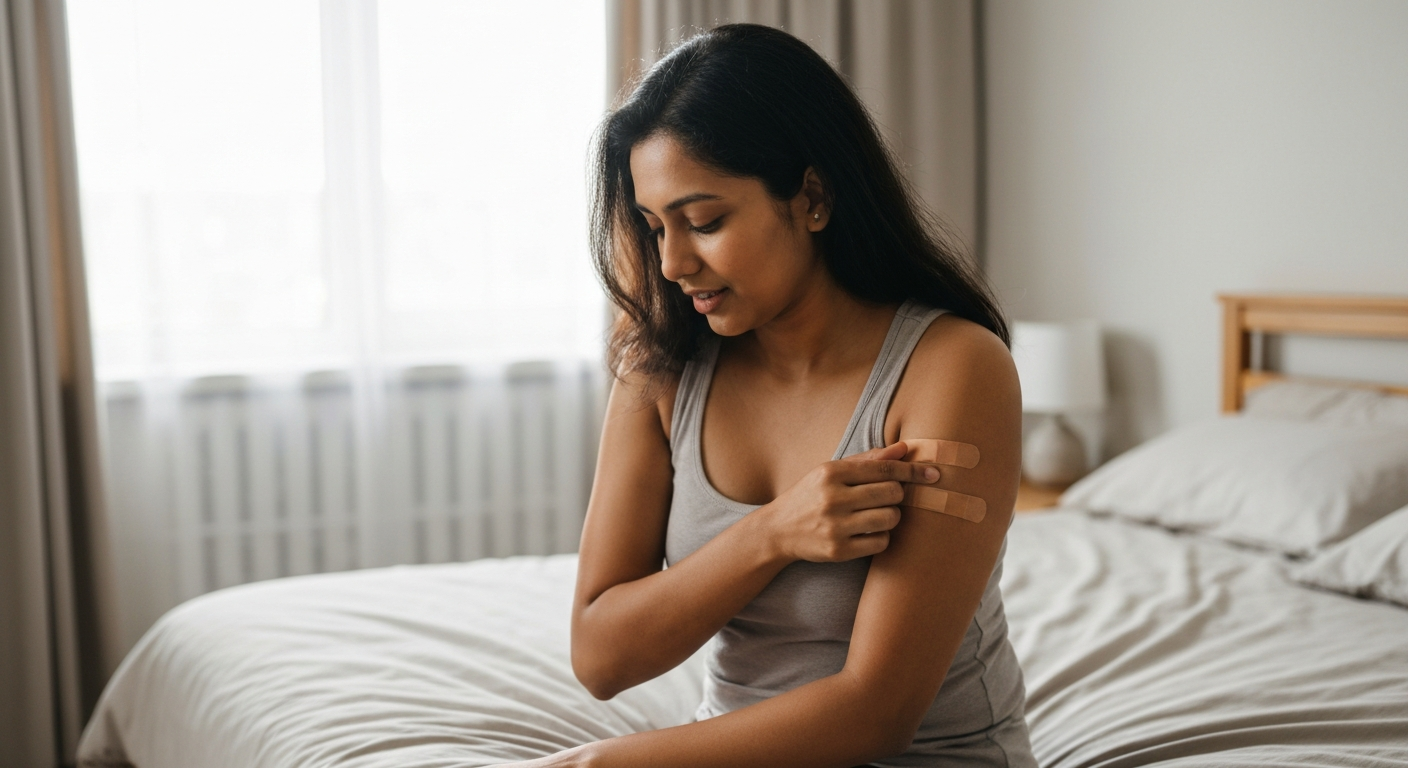

Itching around your Nexplanon implant is usually caused by your body's normal healing response in the first few weeks, but persistent or worsening itchiness beyond the initial recovery period may signal an allergic reaction, infection, or skin irritation that warrants medical attention.
Many people with Nexplanon experience some degree of itching at the insertion site — and in most cases, it's nothing to worry about. Your body is simply adjusting to a foreign object under the skin. However, understanding why the itch is happening helps you know when to wait it out and when to call your healthcare provider. This article covers the six most common causes of Nexplanon itching, how to find relief, and the warning signs that mean you should seek care.
| ✓Our Pick |
Gentle, fragrance-free anti-itch cream for sensitive skin Used by over 10,000 satisfied customers — an easy, affordable option you can start using today. See on Amazon → |
Nexplanon is a small, flexible plastic rod about the size of a matchstick that's inserted under the skin of your upper arm to prevent pregnancy for up to three years — and the insertion process itself triggers a healing response that commonly includes itching.
The implant releases a steady dose of etonogestrel, a progestin hormone that prevents ovulation. It's one of the most effective forms of birth control available, with a failure rate of less than 1%. The device sits in the subdermal tissue of your inner upper arm, where it remains until a healthcare provider removes it.
Because Nexplanon requires a small incision and placement beneath your skin, your body treats it like any minor wound. The healing process involves inflammation, new tissue formation, and nerve regeneration — all of which can trigger itching sensations. This is the same reason healing cuts, tattoos, and surgical incisions often itch as they recover.
| ✓Quick Fix |
The First Thing Most People Try Many readers dealing with this exact issue start with something like this before trying anything else. See on Amazon → |
In the first one to four weeks after insertion, itching is a normal part of wound healing as your skin repairs itself and new nerve connections form around the implant site.
When skin is punctured during Nexplanon insertion, your body immediately begins its repair process. Histamines are released to increase blood flow, collagen fibers start rebuilding tissue, and nerve endings regenerate. As nerves heal, they can misfire and send itch signals to your brain even when there's no actual irritant present.
"Itching is a common and normal part of the healing process. As new cells grow and nerves regenerate, they can send signals that the brain interprets as itchiness." — American Academy of Dermatology
This type of itching typically:
- Starts a few days after insertion
- Peaks around one to two weeks
- Gradually fades by week four
- Feels like a mild, intermittent tickle rather than intense irritation
If your itching follows this pattern and isn't accompanied by redness, swelling, or discharge, it's almost certainly normal healing.
The pressure bandage and adhesive strips applied after insertion frequently cause contact irritation or allergic reactions that mimic implant-related itching.
After Nexplanon insertion, your provider applies a pressure bandage to minimize bruising, along with adhesive strips or a waterproof dressing. Many people are sensitive to:
This irritation often appears as a rectangular or bandage-shaped red patch around — but not directly over — the implant site. If your itching stops or dramatically improves once you remove the bandage (usually after 24 to 48 hours per your provider's instructions), the adhesive was likely the culprit, not the implant itself.
True allergies to Nexplanon's materials are rare but possible, particularly in people with known sensitivities to barium sulfate or ethylene vinyl acetate copolymer.
Nexplanon is made from ethylene vinyl acetate (EVA), a biocompatible plastic also used in some shoe insoles, medical tubing, and flexible packaging. The implant also contains a small amount of barium sulfate so it shows up on X-rays.
Allergic reactions to EVA are uncommon but documented. Symptoms may include:
If you have a history of allergic reactions to plastics, medical devices, or contrast dyes used in imaging procedures, mention this to your healthcare provider before insertion.
Dry, dehydrated skin over the insertion site intensifies itching sensations and can slow healing, especially during winter months or in low-humidity environments.
The upper inner arm is an area many people don't routinely moisturize. After insertion, the healing skin needs adequate hydration to repair itself efficiently. Dry skin:
If your skin looks flaky, feels tight, or appears dull around the implant, dryness is likely contributing to your discomfort. This is especially common if you live in a dry climate, use forced-air heating, or shower with very hot water.
Infection at the insertion site causes itching combined with heat, increasing redness, pus, or fever — and requires prompt medical treatment.
Insertion-site infections occur in roughly 1% of Nexplanon placements according to post-market surveillance data. While uncommon, they're more likely if:
| Normal Healing | Possible Infection |
|---|---|
| Mild redness that fades daily | Redness that spreads or worsens after day 3 |
| Minor bruising | Increasing swelling with warmth |
| Clear or slightly pink drainage | Yellow, green, or cloudy discharge |
| Itching without pain | Pain that intensifies over time |
| Normal body temperature | Fever over 100.4°F |
"Signs of infection include increasing pain, swelling, redness, or discharge at the insertion site. Patients should contact their healthcare provider promptly if these occur." — Merck Manual Professional Version
If you notice any combination of infection signs, contact your healthcare provider within 24 hours. Infections caught early are typically easy to treat with oral antibiotics.
The progestin hormone released by Nexplanon can alter skin sensitivity, oil production, and histamine response in some users, leading to generalized itchiness that isn't limited to the implant site.
Etonogestrel affects more than just your reproductive system. Hormones influence:
Some Nexplanon users report skin changes including increased acne, dryness, or generalized itchiness in the first three to six months as their bodies adjust to the new hormonal environment. This type of itching:
Also Read: Why Is My Right Breast Bigger Than the Left? 7 Causes Explained
Most Nexplanon itching responds well to simple home care including cold compresses, fragrance-free moisturizers, and avoiding scratching — but always follow your provider's specific post-insertion instructions.
Try these approaches for mild to moderate itching:
Apply a cold compress — Wrap ice or a cold pack in a thin cloth and hold it against the area for 10 to 15 minutes. Cold numbs nerve endings and reduces inflammation.
Use fragrance-free moisturizer — Once any bandages are removed and the incision is closed, apply a gentle, unscented lotion to combat dryness. Avoid products with alcohol, fragrance, or active ingredients.
Take an antihistamine — Over-the-counter antihistamines like cetirizine or diphenhydramine can reduce histamine-driven itching. Follow package directions.
Wear loose, breathable clothing — Tight sleeves and synthetic fabrics trap moisture and create friction. Cotton or moisture-wicking materials reduce irritation.
Don't scratch — Scratching damages healing skin, introduces bacteria, and triggers more histamine release, creating an itch-scratch cycle. Pat or tap the area instead if you need relief.
Apply hydrocortisone cream sparingly — A thin layer of 1% hydrocortisone can reduce inflammation. Only use this on intact skin (not open wounds) and limit use to one week unless directed by a healthcare provider.
| ✓Our Pick |
Cooling hydrocortisone gel for post-procedure skin irritation This is what many people find solves the problem quickly, without a costly professional visit. See on Amazon → |
Seek medical attention if your Nexplanon itching is severe, worsening after the first week, accompanied by signs of infection, or spreading beyond the insertion site with hives or swelling.
Call your provider's office if you experience:
Your provider may need to examine the site, prescribe antibiotics for infection, or in rare cases of allergic reaction, discuss implant removal.
Also Read: Why Is My Stomach Bigger After Gallbladder Surgery? 6 Causes
Nexplanon itching is common in the first few weeks after insertion and usually results from normal wound healing, adhesive sensitivity, or dry skin at the implant site. Home remedies like cold compresses, fragrance-free moisturizers, and antihistamines typically provide relief. However, itching combined with fever, spreading redness, pus, or worsening pain may indicate infection or an allergic reaction requiring medical attention. When in doubt, contact your healthcare provider — they can examine the site and determine whether treatment is needed.
Normal healing-related itching typically peaks one to two weeks after insertion and resolves by the end of the first month. If your itching persists beyond four to six weeks or worsens after initially improving, contact your healthcare provider for evaluation.
Yes, but wait until any bandages are removed and the incision has fully closed (usually three to five days). Use fragrance-free, alcohol-free moisturizers only. Avoid applying lotion to open wounds or scabbed areas, as this can trap bacteria and delay healing.
Mild redness and itching in the first week are normal healing responses. Concern is warranted if redness spreads, intensifies after day three, or is accompanied by warmth, swelling, discharge, or fever — these signs suggest possible infection requiring medical attention.
No, itching has no connection to Nexplanon's contraceptive effectiveness. The implant prevents pregnancy by releasing hormones, which is unrelated to skin sensations at the insertion site. Itching indicates a local skin response, not a problem with the device's function.
Yes, over-the-counter antihistamines like diphenhydramine (Benadryl) or cetirizine (Zyrtec) can help reduce histamine-driven itching. Follow package dosing instructions. Note that diphenhydramine causes drowsiness, so cetirizine or loratadine may be better choices for daytime use.
Reviewed and Updated on June 20, 2026 by George Wright