Health
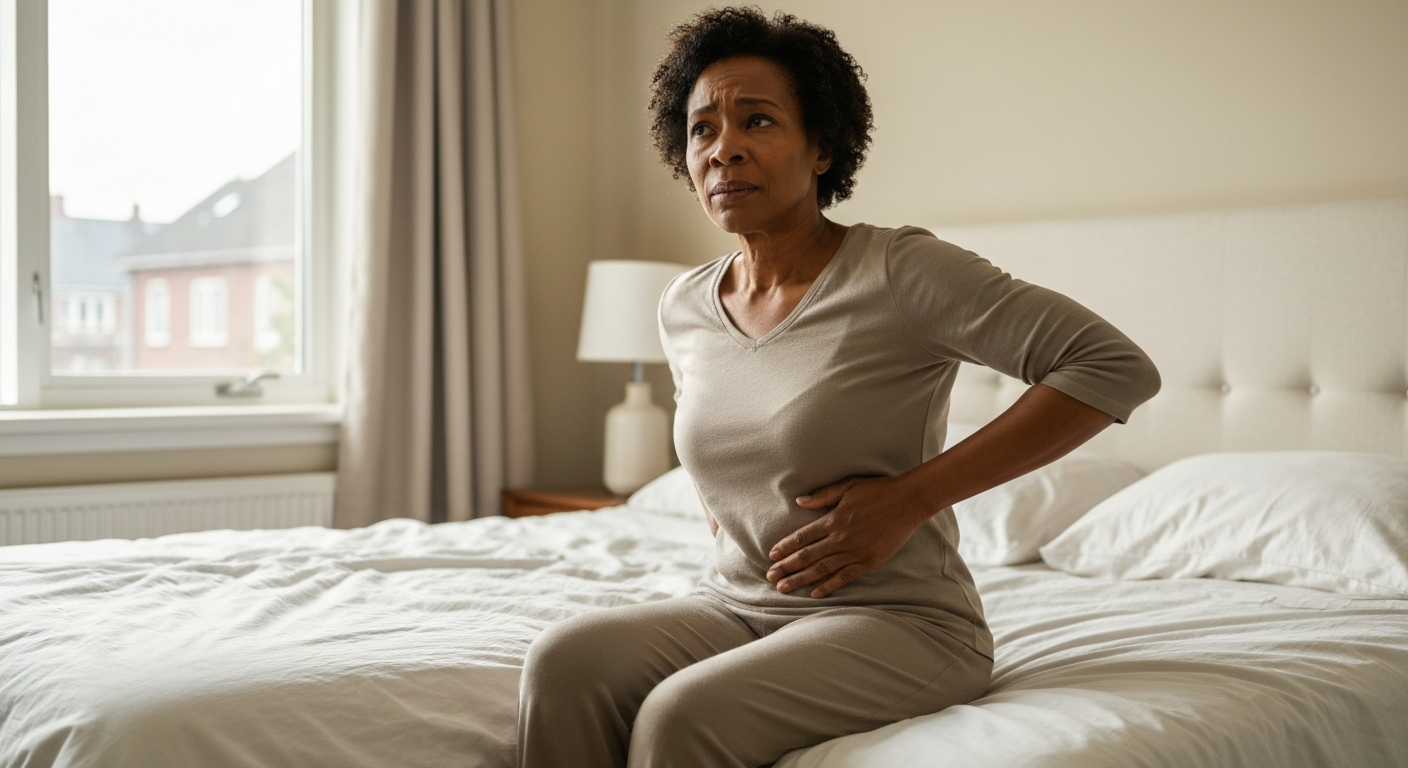

Your stomach looks and feels bigger after gallbladder surgery because of post-operative swelling, trapped gas from the laparoscopic procedure, fluid retention, and changes in how your body digests fat — all of which are normal in the first few weeks and typically resolve within 4–6 weeks.
The same abdominal bloating happens after hernia surgery, hysterectomy, and many other abdominal procedures. Your body is healing from surgical trauma, and temporary swelling is part of that process. However, if the bloating persists beyond 6–8 weeks, worsens suddenly, or comes with fever, severe pain, or vomiting, you should contact your surgeon.
| ✓Our Pick |
Abdominal support binder for post-surgery recovery No special skills required — straightforward to use and most orders ship quickly. See on Amazon → |
Several factors combine to make your abdomen appear larger immediately after surgery, and understanding each one helps you know what to expect during recovery.
Whether you've had your gallbladder removed, a hernia repaired, or a hysterectomy, the mechanisms behind post-operative bloating are remarkably similar. Here's what's happening inside your body.
Laparoscopic procedures — including most gallbladder removals, hernia repairs, and many hysterectomies — require surgeons to inflate your abdomen with carbon dioxide gas. This creates space for the camera and instruments to work safely.
After surgery, some of that gas remains trapped in your abdominal cavity. Your body absorbs it gradually over 24–72 hours, but during that time, you'll feel distended and may experience referred pain in your shoulders (the gas irritates the diaphragm, which shares nerves with your shoulder region).
"Insufflation with carbon dioxide is necessary for visualization during laparoscopic surgery, and residual gas can cause significant abdominal distension and discomfort for several days postoperatively." — Dr. Toby Cosgrove at Cleveland Clinic
Any time tissue is cut, moved, or manipulated, your body responds with inflammation. This is a protective healing response — blood flow increases to the area, immune cells arrive to prevent infection, and fluid accumulates in the tissues.
After abdominal surgery, this inflammatory response affects:
- The incision sites (external swelling you can see)
- Internal tissues that were handled during the procedure
- The peritoneum (the membrane lining your abdominal cavity)
This internal swelling pushes your belly outward, even if your incisions are small.
IV fluids given during and after surgery can cause temporary fluid retention throughout your body. You may notice swelling not just in your abdomen, but also in your hands, feet, and face.
Your kidneys take time to process and eliminate this excess fluid. Additionally, the stress hormones released during surgery (cortisol and aldosterone) signal your body to hold onto sodium and water.
Most patients notice this whole-body puffiness resolves within 5–7 days as kidney function normalizes and fluid balance restores itself.
Post-operative ileus — a temporary slowdown or shutdown of normal bowel contractions — affects almost everyone who undergoes abdominal surgery. Your intestines essentially "go to sleep" in response to:
- Anesthesia medications
- Handling of the bowel during surgery
- Pain medications (especially opioids)
- Inflammation in the abdominal cavity
When your bowels aren't moving food and gas through normally, everything backs up. This causes significant bloating and a visibly distended abdomen. Most people don't have a bowel movement for 2–4 days after abdominal surgery, and until things start moving again, the bloating persists.
"Postoperative ileus is an expected consequence of abdominal surgery. Return of bowel function typically occurs within 3–5 days but may take longer depending on the extent of surgery and use of opioid analgesics." — American College of Surgeons
| ✓Quick Fix |
The Fastest Fix People Try for This A low-cost, no-commitment option to rule out before spending more on this problem. See on Amazon → |
Different abdominal surgeries cause bloating through similar mechanisms, but each procedure has unique factors that affect how long swelling lasts.
| Surgery Type | Primary Causes of Bloating | Typical Resolution Time |
|---|---|---|
| Gallbladder removal (cholecystectomy) | CO2 gas, ileus, fat digestion changes | 2–6 weeks |
| Hernia repair | Mesh placement, tissue manipulation, ileus | 4–8 weeks |
| Hysterectomy | Larger surgical area, organ removal, hormonal shifts | 4–12 weeks |
| Appendectomy | CO2 gas, infection/inflammation response | 1–3 weeks |
| C-section | Uterine shrinkage, diastasis recti, fluid retention | 6–12 weeks |
Hernia repairs involve repositioning tissue and, in most cases, placing surgical mesh to reinforce the abdominal wall. This mesh causes additional inflammation as your body incorporates it into surrounding tissue.
The area around the mesh typically remains swollen for 4–8 weeks. If you had an inguinal (groin) hernia repair, you may notice swelling that extends from your lower abdomen into your groin or scrotum. This is expected and doesn't indicate a problem unless accompanied by severe pain, fever, or redness spreading outward.
Hysterectomy involves more extensive surgery than gallbladder removal — the uterus is a larger organ, more tissue is manipulated, and recovery takes longer. Additional factors include:
Most patients find their abdomen looks noticeably different for 6–12 weeks. The internal healing process continues for months, even after external swelling resolves.
Most post-operative abdominal swelling peaks at 3–5 days and steadily improves over 4–6 weeks, though some patients experience minor bloating for up to 3 months.
Understanding the normal timeline helps you distinguish between expected healing and potential complications.
Days 1–3: Maximum swelling. CO2 gas, IV fluids, and surgical inflammation are at their peak. Your abdomen may look significantly larger than before surgery.
Days 4–7: Gas begins absorbing. First bowel movement typically occurs. Some patients notice their pants fit a little better, though bloating is still prominent.
Weeks 2–3: Swelling decreases noticeably. Internal inflammation is subsiding. You may still look "puffy" but should see daily improvement.
Weeks 4–6: Most patients return to their baseline appearance. Minor residual swelling may persist, especially in the evening or after eating.
Beyond 6 weeks: If significant bloating continues, other factors may be involved (see next section).
Ongoing abdominal swelling months after surgery can indicate digestive changes, weight fluctuations, or rarely, complications that need medical attention.
Yes — and this is the most common reason for long-term belly changes after cholecystectomy. Your gallbladder stored and concentrated bile, releasing it in response to fatty meals. Without it, bile drips continuously from your liver into your small intestine.
This change causes:
- Bile acid diarrhea: Excess bile in the colon causes loose stools, cramping, and gas (affects about 10–15% of patients long-term)
- Fat malabsorption: Fatty foods may cause bloating, gas, and discomfort because they aren't broken down as efficiently
- Increased intestinal gas: Changes in gut bacteria and digestion patterns lead to more gas production
Many people find that avoiding large fatty meals and eating smaller, more frequent meals significantly reduces ongoing bloating.
Recovery often involves reduced activity, comfort eating, and metabolic changes from stress. It's common to gain 5–10 pounds in the first few months after major surgery.
Abdominal fat distribution also naturally shifts with age and hormonal changes — after hysterectomy in particular, some patients notice weight redistributing toward the midsection even without overall weight gain.
Contact your surgeon if you experience:
- Severe or worsening pain (not improving with time)
- Fever above 101°F (38.3°C)
- Redness, warmth, or discharge spreading from incision sites
- Inability to pass gas or have a bowel movement for more than 4–5 days
- Vomiting, especially if persistent
- Abdomen that is rock-hard or extremely tender to touch
These symptoms could indicate infection, bowel obstruction, internal bleeding, or other complications requiring prompt evaluation.
Gentle movement, dietary adjustments, and proper hydration can significantly speed the resolution of post-operative bloating.
Yes — walking is the single most effective intervention for post-surgical bloating. Movement stimulates bowel contractions (peristalsis), helps your body absorb trapped gas, and promotes circulation that reduces fluid retention.
Start with short walks (even just to the bathroom and back) as soon as your medical team clears you. Gradually increase distance each day. Many surgeons recommend walking for 10–15 minutes, 3–4 times daily, by the end of your first week.
Foods that help:
- Clear broths and soups
- Lean proteins (chicken, fish, eggs)
- Cooked vegetables (easier to digest than raw)
- Probiotic foods (yogurt, kefir) once tolerated
- Peppermint or ginger tea
Foods that worsen bloating:
- Carbonated beverages (add more gas)
- High-fat foods (especially after gallbladder removal)
- Beans, lentils, and cruciferous vegetables (broccoli, cabbage, Brussels sprouts)
- Sugar alcohols (found in sugar-free products)
- Large meals (eat smaller, more frequent portions)
Compression garments provide external support that can make bloating more comfortable, though they don't speed internal healing. Many patients find wearing an abdominal binder for the first 2–4 weeks helps them feel more secure and reduces discomfort with movement.
"Abdominal binders may provide comfort and support following abdominal surgery, particularly when coughing or moving. While evidence for faster healing is limited, many patients report subjective benefit." — Johns Hopkins Medicine
Post-surgical abdominal swelling after gallbladder removal, hernia repair, hysterectomy, or other abdominal procedures is caused by trapped CO2 gas, surgical inflammation, fluid retention, and slowed bowel function — and it typically resolves within 4–6 weeks with gentle activity and dietary modifications. If bloating persists beyond 6–8 weeks, worsens suddenly, or comes with fever, severe pain, or vomiting, contact your surgeon to rule out complications.
The hernia itself is repaired, but your body responds to the surgical trauma with inflammation and swelling. If mesh was placed, your tissues are incorporating it, which causes additional localized swelling. The surgical area typically remains puffy for 4–8 weeks. This doesn't mean the hernia has returned — true hernia recurrence would present as a bulge that appears with straining or standing and disappears when lying down.
Hysterectomy involves removing a larger organ and manipulating more tissue, which triggers more extensive inflammation. Hormonal changes after hysterectomy can also affect fluid retention and fat distribution. While gallbladder removal patients often see resolution within 4–6 weeks, hysterectomy patients may experience abdominal changes for 3 months or longer as internal healing completes.
IV fluids given during surgery cause temporary fluid retention throughout your body. Surgical stress hormones (cortisol and aldosterone) also signal your kidneys to hold onto sodium and water. You may notice swelling in your hands, feet, face, and abdomen. This typically resolves within 5–7 days as your body processes the excess fluid through urination.
Normal bloating gradually improves each day and responds to walking, diet changes, and time. Warning signs of complications include fever above 101°F, severe or worsening pain, inability to pass gas for more than 4–5 days, persistent vomiting, and an abdomen that becomes rock-hard or extremely tender. Any of these symptoms warrant a call to your surgeon.
For most patients, yes — your abdomen should return to its pre-surgery appearance within 4–8 weeks. However, some people experience long-term digestive changes (increased gas, bloating after fatty meals) that can cause intermittent abdominal distension. Eating smaller, lower-fat meals and identifying personal trigger foods helps manage these ongoing symptoms.
Reviewed and Updated on June 20, 2026 by George Wright