Health
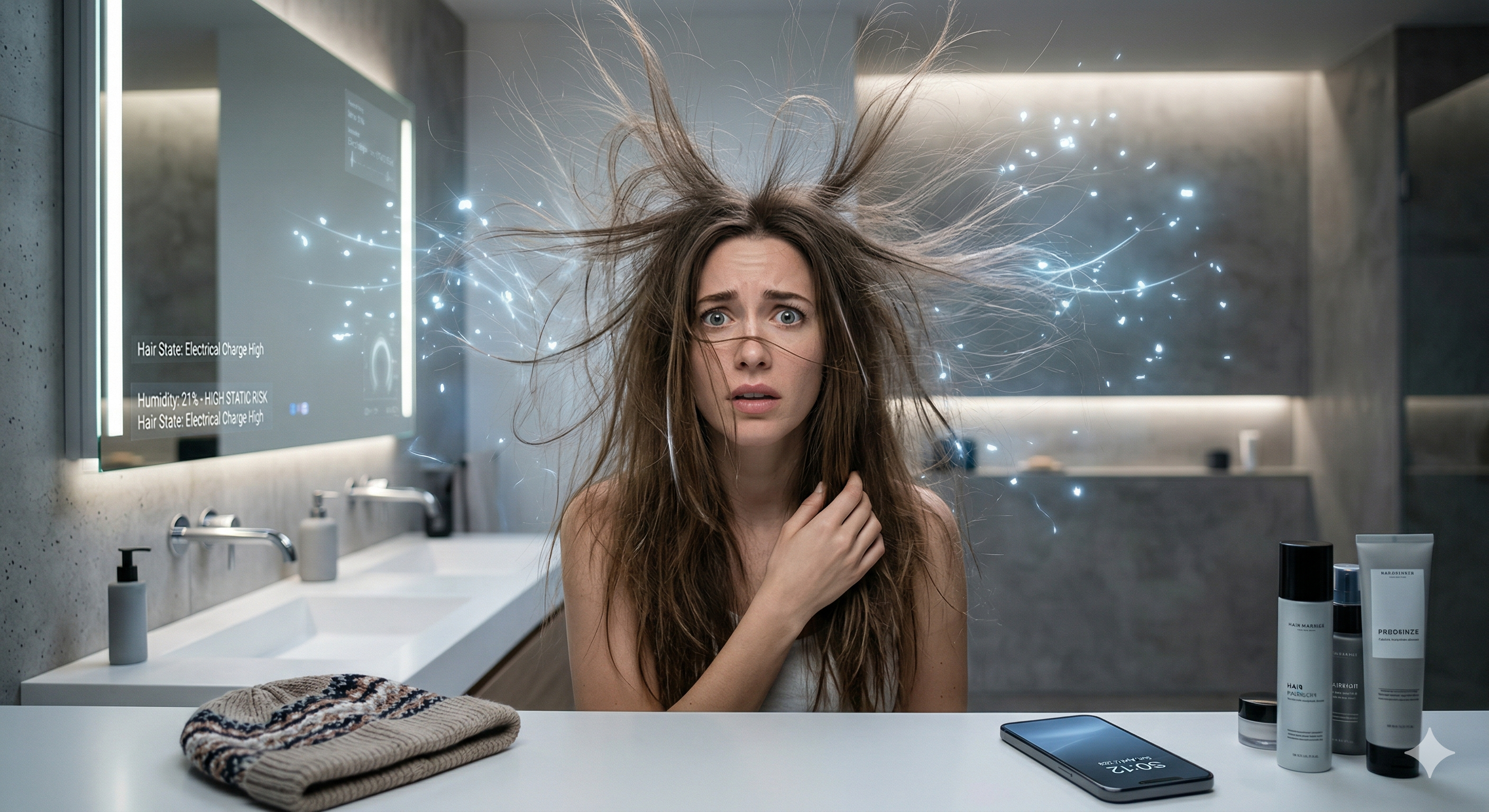

Your hair is staticky because it has built up an electrical charge, usually due to dry air, friction, or moisture-depleted strands that can no longer neutralise electrons. When your hair rubs against fabrics, brushes, or even other hair strands, electrons transfer from one surface to another, leaving your hair positively charged — and since like charges repel, each strand pushes away from its neighbours, creating that flyaway, unmanageable look you're battling.
| 🛒Amazon Pick |
Top-Rated Anti-Static Hair Products on Amazon Backed by strong customer feedback -- most recommended in forums and Q&A communities. See on Amazon → |
Static electricity in hair occurs when electrons transfer between surfaces through friction, leaving strands with an unbalanced positive charge that causes them to repel each other and stand on end.
To understand why your hair becomes staticky, you'll need a quick refresher on basic physics. Every object — including your hair — contains atoms with positively charged protons and negatively charged electrons. In a balanced state, these charges cancel out and your hair behaves normally. When two surfaces rub together, electrons can jump from one to the other. This process, called the triboelectric effect, is the reason balloons stick to walls after you rub them on your head.
Hair is particularly susceptible to static buildup because of its structure. The outer layer of each strand, called the cuticle, consists of overlapping scales similar to roof shingles. When hair is healthy and hydrated, these scales lie flat and conduct electricity away efficiently. When hair is dry or damaged, the cuticle lifts, moisture escapes, and the strand becomes an electrical insulator — trapping charge rather than dispersing it.
"Hair's electrical properties change dramatically based on moisture content. Dry hair can hold a static charge thousands of times higher than well-hydrated hair." — Dr. Trefor Evans at Scientific American
Cold winter air holds far less moisture than warm summer air, creating the dry conditions that allow static charges to build up on your hair throughout the day.
The primary culprit behind seasonal static is relative humidity. Warm air can hold significantly more water vapour than cold air. When winter arrives and outdoor temperatures drop, the air becomes naturally drier. Indoor heating compounds the problem by warming cold air without adding moisture, sometimes dropping indoor humidity below 20% — drier than most deserts.
| Season | Typical Indoor Humidity | Static Risk | Hair Behaviour |
|---|---|---|---|
| Winter | 15-30% | Very High | Flyaways, clinging to clothes |
| Spring | 35-50% | Moderate | Occasional static |
| Summer | 50-70% | Low | Minimal static, potential frizz |
| Autumn | 30-45% | Moderate to High | Increasing static as temps drop |
You'll notice static becomes worse when you remove hats, scarves, and jumpers. The friction between these fabrics and your hair strips away electrons rapidly. Synthetic materials like polyester and nylon are particularly problematic because they sit high on the triboelectric series, meaning they readily accept electrons from your hair.
Also Read: Why Is My Hair So Frizzy? Causes, Science, and Solutions
Beyond dry air, several everyday habits and environmental factors contribute to static buildup, including your choice of brush, pillowcase material, and how often you wash your hair.
Plastic is notorious for generating static electricity. When you run a plastic brush through your hair, friction transfers electrons from your strands to the brush, leaving your hair positively charged and ready to fly away. Metal combs and natural bristle brushes conduct electricity more effectively, helping to distribute and neutralise charges rather than create them.
Washing your hair too frequently removes sebum — the natural oil your scalp produces to protect and moisturise your strands. Without this oily coating, hair becomes more porous and less conductive, holding static charges longer. Interestingly, this connects to why some people experience the opposite problem: hair that's so oily and greasy it looks unwashed. Both extremes indicate an imbalanced scalp, though the solutions differ. Those with excessively oily hair often overwash in response, which triggers more oil production and creates a cycle that ultimately leads to drier, staticky ends.
Flat irons, curling wands, and blow dryers operating at high temperatures damage the hair cuticle, creating microscopic cracks and lifted scales. This damage increases surface area for friction and reduces the hair's ability to retain moisture. The result is strands that charge up quickly and struggle to dissipate that charge.
Polyester pillowcases, fleece jumpers, and acrylic scarves all generate significant static when they contact your hair. Sleeping on a synthetic pillowcase subjects your hair to eight hours of friction against a material designed to build electrical charge.
| 🛒Amazon Pick |
Silk Pillowcases for Hair and Skin on Amazon Top-rated pick recommended by professionals -- save time and money by getting it right the first time. See on Amazon → |
Preventing static requires addressing moisture levels both in your environment and in your hair itself, while minimising friction from materials that generate electrical charge.
A room humidifier is the single most effective tool against winter static. By maintaining indoor humidity between 40-50%, you create an environment where static charges dissipate naturally into the air rather than building up on surfaces like your hair. Portable humidifiers work well in bedrooms, where you spend hours sleeping and generating friction against pillowcases.
Replace plastic brushes with boar bristle or wooden alternatives. Natural materials generate less static and help distribute your scalp's natural oils down the hair shaft, improving hydration. If you prefer detangling combs, opt for carbon fibre or metal rather than standard plastic.
A small amount of leave-in conditioner or lightweight hair oil creates a moisture barrier that prevents electron transfer. Apply to damp hair after washing, focusing on mid-lengths to ends where dryness concentrates. Avoid the scalp if you're prone to greasy roots — targeting the ends keeps hair manageable without triggering excess oil production.
"Silicone-based serums and natural oils like argan create a lubricating film that reduces friction between strands, directly minimising the triboelectric effect." — Paula Begoun at Paula's Choice Skincare
Ionic dryers emit negative ions that neutralise the positive charge in your hair. These devices seal the cuticle faster than conventional dryers, locking in moisture and reducing static from the moment you finish styling. Look for models with adjustable heat settings — lower temperatures cause less cuticle damage.
Cotton, silk, and wool generate far less static than synthetics. A silk or satin pillowcase reduces overnight friction while also preventing tangles and breakage. For winter clothing, cotton-lined hoods and natural fibre scarves cause fewer flyaways than their polyester equivalents.
| 🛒Amazon Pick |
Ionic Hair Dryers with Cool Shot on Amazon Simple to use and genuinely effective -- for many people this is all they ever needed. See on Amazon → |
When you need immediate relief from flyaways, several household items and quick techniques can neutralise static within seconds.
For instant static removal, try these methods:
| Quick Fix | Effectiveness | Duration | Best For |
|---|---|---|---|
| Dryer sheet | High | 2-4 hours | Emergency situations |
| Hand lotion | Medium | 1-2 hours | Desk-side touch-ups |
| Metal hanger | Medium | 30-60 minutes | Before leaving home |
| Water mist | High | 1-2 hours | Throughout the day |
| Hairspray | High | 4-8 hours | Styled looks |
Also Read: Why Is My Scalp Tender in One Spot? Causes and Treatments
Fine, straight hair experiences more visible static than thick or curly hair because lighter strands lift more easily and lack the weight to stay grounded.
If you have fine hair, you're fighting physics. Each strand weighs less and responds more dramatically to electrical repulsion. Thick, coarse hair has more mass per strand, meaning it takes a stronger charge to create visible flyaways. Curly and coily textures interlock naturally, which provides mechanical resistance against strands separating.
However, textured hair isn't immune to static-related problems. Natural oils travel more slowly down curled strands, often leaving the ends dry and prone to damage. This dryness contributes to the frizz that curly-haired individuals experience, which shares root causes with static even though the visual result differs.
Colour-treated and chemically processed hair tends toward higher static levels. Bleaching, perming, and relaxing treatments alter the hair's protein structure and damage the cuticle, reducing moisture retention. If you've recently had chemical services, doubling down on hydrating products and protective measures becomes essential.
Persistent static that doesn't respond to environmental changes and products may indicate underlying hair damage or health conditions affecting hair quality.
Occasional static is normal and expected, especially in winter. However, if your hair remains staticky year-round despite humid conditions and proper care, consider these possibilities:
Your hair may be significantly damaged from heat styling, chemical treatments, or environmental exposure. Severely compromised cuticles cannot retain moisture regardless of what products you apply. In these cases, regular trims to remove damaged ends and a period of reduced heat styling allows healthier hair to grow in.
Nutritional deficiencies can affect hair quality from the inside. Inadequate intake of omega-3 fatty acids, zinc, and biotin may produce hair that's naturally drier and more static-prone. A varied diet rich in fish, nuts, seeds, and leafy greens supports hair health from the follicle outward.
Thyroid imbalances occasionally manifest as changes in hair texture, including increased dryness. If static accompanies other symptoms like fatigue, weight changes, or skin issues, a consultation with your GP may be worthwhile.
Static hair occurs when dry conditions and friction allow electrical charges to build up on your strands, causing them to repel each other and fly away from your head. Combating this requires increasing environmental humidity, using natural-material brushes and fabrics, applying moisture-rich products, and choosing styling tools that neutralise rather than generate charge. Quick fixes like dryer sheets, hand lotion, and light water misting provide immediate relief when flyaways strike unexpectedly. While fine, straight hair is most susceptible, all hair types benefit from addressing the underlying causes of dryness and friction.
Brushing creates friction between the bristles and your hair strands. If you're using a plastic brush, this friction transfers electrons from your hair to the brush, leaving your hair positively charged. Switch to a natural boar bristle brush or a wooden comb to reduce static generation. Brushing dry hair in low-humidity conditions produces the most static.
Conditioner is one of the most effective tools against static. It coats the hair cuticle with moisturising and smoothing agents that improve electrical conductivity, allowing charges to dissipate rather than build up. Leave-in conditioners provide ongoing protection between washes, while deep conditioning treatments repair cuticle damage that contributes to chronic static.
If outdoor humidity is high but you're spending most of your time in air-conditioned or heated indoor environments, your hair is still experiencing dry conditions. Additionally, damaged hair with a compromised cuticle may struggle to absorb ambient moisture. Consider using a leave-in conditioner or hair oil, and ensure your indoor spaces have adequate humidity levels.
Fine, straight hair shows static most visibly because the lightweight strands lift easily when charged. Thick, heavy hair requires more electrical force to create flyaways. Curly and coily textures interlock naturally, providing some resistance to strands separating. However, all hair types can experience static when conditions are sufficiently dry.
Trimming damaged ends can reduce static because healthy hair manages moisture better than split, frayed ends. However, hair length itself doesn't directly affect static — a short haircut made from damaged strands will still experience flyaways. Focus on overall hair health rather than length as your primary strategy.
Reviewed and Updated on April 12, 2026 by George Wright
Reviewed and Updated on April 12, 2026 by George Wright