DIY
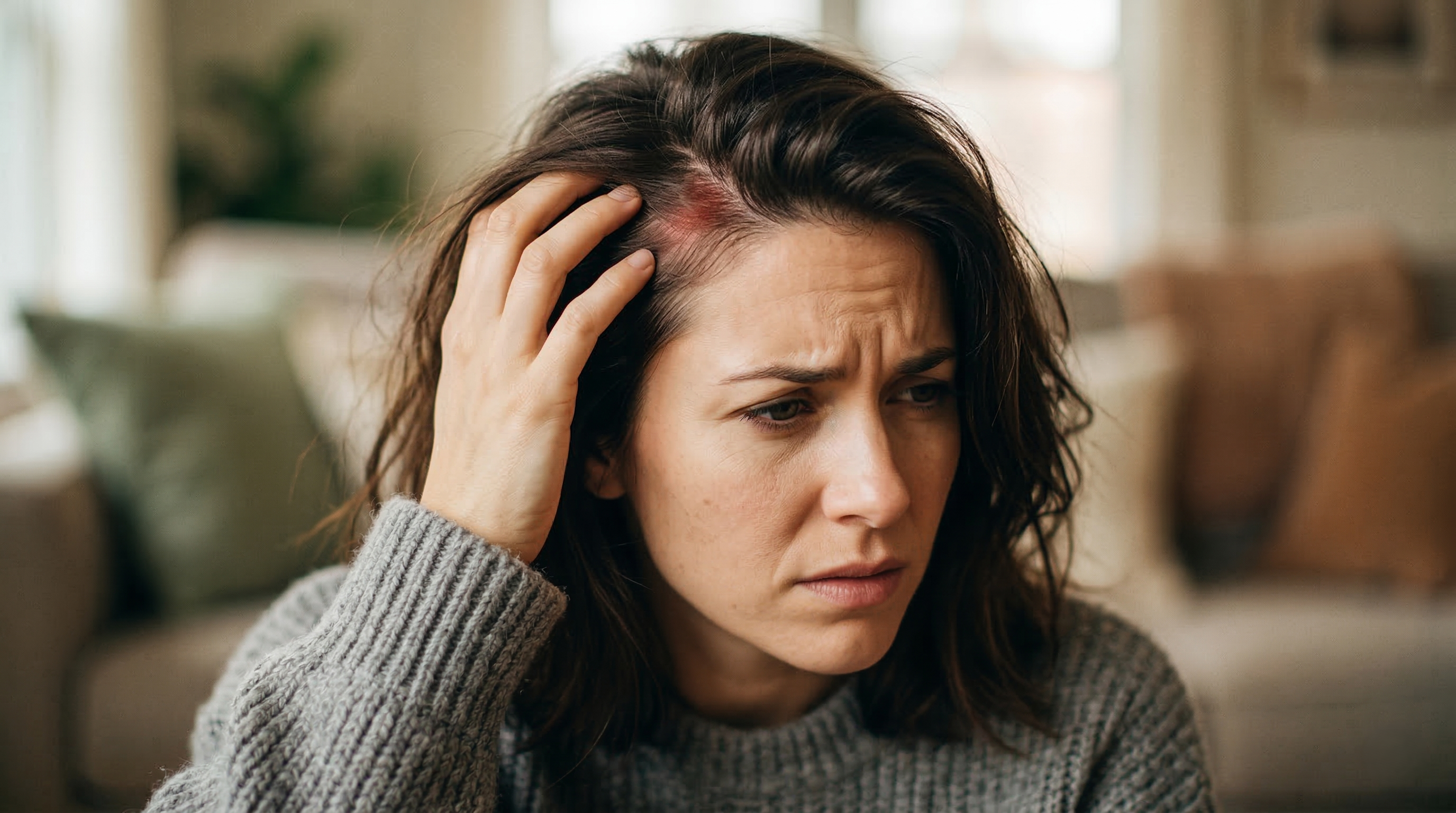

Finding a sudden sore patch on your head can naturally cause a bit of alarm, but the reality is usually highly treatable. Pinpointing the exact reason heavily depends on your recent hair care habits, your environment, and any other visible skin symptoms.TL;DR: Scalp tenderness in one specific spot is typically caused by physical stress from tight hairstyles, localized skin infections like folliculitis, or minor physical trauma.
The human scalp is a complex biological structure densely packed with blood vessels, hair follicles, and thousands of sensitive nerve endings. Because of this high concentration of nerves, even a minor disruption can translate into a surprisingly sharp or throbbing pain. When you find yourself asking, "why is my scalp tender in one spot," the answer usually lies in how those specific nerve endings are being stimulated. By systematically evaluating your symptoms—such as the presence of redness, flaking, or a recent change in your styling routine—you can quickly identify the root cause and apply the correct remedy.
Also Read: Top-rated gentle sulfate-free shampoos for sensitive scalps
The physical way you treat your hair daily has a profound impact on the nerve endings embedded in your scalp. When your hair follicles are subjected to constant pulling, friction, or harsh tools, they easily become inflamed and painful.
Tight hairstyles (such as high ponytails or heavy braids) and prolonged pressure from headgear are the leading mechanical causes of localized scalp pain.
One of the most frequent culprits behind localized scalp soreness is mechanical stress. Hairstyles that pull tightly on the roots—such as tight buns, cornrows, heavy hair extensions, or sleek ponytails—place immense and constant tension on the hair follicle. Over hours or days, this tension irritates the surrounding tissue and nerve endings. This condition is directly related to a more severe issue known as traction alopecia, which occurs when prolonged pulling permanently damages the follicle.
"Traction alopecia is a condition which develops from frequently wearing tight hairdos, such as braids, top knots or ponytails." — Wimpole Clinic Editorial Team at Wimpole Clinic
Furthermore, friction from heavy headgear can cause highly specific tender spots. Wearing a tight motorcycle helmet, a hard construction hardhat, or even an unpadded pair of heavy over-ear headphones for several hours can compress the scalp tissue. This compression restricts blood flow and presses on localized nerves, leaving a bruised sensation that can linger for days after the headwear is removed. Minor physical trauma, such as accidentally scraping the scalp with a sharp comb or vigorously scratching an itch, can also create a tiny, invisible micro-tear that feels tender to the touch.
Your scalp is essentially an extension of your facial skin and remains highly susceptible to the same dermatological conditions found elsewhere on the body. An isolated tender spot often points to a localized flare-up of an underlying skin issue or a bacterial infection.
Conditions such as folliculitis, scalp psoriasis, and contact dermatitis can create isolated, painful, and inflamed spots on the scalp.
When a tender spot is accompanied by visible changes to the skin—such as redness, scaling, or raised bumps—a dermatological issue is highly likely. Bacterial and fungal agents can easily become trapped in the dense environment of the scalp, leading to painful localized infections. Alternatively, an overactive immune system or an allergic reaction can trigger severe, localized inflammation.
To help identify the specific entity causing your discomfort, refer to the comparison table below:
| Scalp Condition | Identifying Symptoms | Primary Cause / Triggers |
| Folliculitis | Red, swollen, pimple-like bumps that are tender to the touch or contain pus. | Bacterial (often Staphylococcus aureus) or fungal infection of the hair follicle. |
| Scalp Psoriasis | Thick, red, scaly patches with a distinct silvery sheen, accompanied by itching. | An autoimmune response that rapidly accelerates skin cell growth and turnover. |
| Contact Dermatitis | Itchy, red, burning, or blistering skin restricted to one specific area. | An allergic or irritant reaction to hair dyes, harsh shampoos, or styling products. |
| Seborrheic Dermatitis | Greasy, waxy scales, redness, and persistent dandruff-like flakes. | Overgrowth of Malassezia yeast triggered by stress, hormones, or weather changes. |
Sometimes, the actual skin on your scalp is perfectly healthy, but the sensory nerves running beneath it are misfiring. Neurological stressors or systemic headaches can trigger sudden, localized tenderness without any obvious visible signs on the skin's surface.
Tension headaches, migraines causing allodynia, and nerve conditions like occipital neuralgia can make a specific nerve pathway on your scalp extremely sensitive to the touch.
When you cannot find a bump, scrape, or rash, the pain may be neurological. Migraines frequently cause a secondary symptom known as scalp allodynia. Allodynia is a condition where nerve pathways become so hyper-sensitized that ordinarily painless stimuli—like brushing your hair, wearing glasses, or even resting your head on a pillow—register as sharp pain.
Occipital neuralgia is another specific neurological entity. This condition involves the inflammation or injury of the occipital nerves, which run from the top of the spinal cord up through the scalp. It typically presents as a localized, shooting, or electric-shock-like pain that originates at the base of the skull and radiates to one spot on the scalp.
"Scalp tenderness in one spot is usually caused by local irritation or inflammation in the skin and hair follicles, or by sensitivity in the nerves that supply the scalp." — Daisy Oliveira, Registered Nurse at Tua Saúde
Many people rigorously protect their face and body from the elements but completely forget that their scalp requires the exact same level of daily care. Environmental stressors can silently damage the exposed areas of your head, leading to delayed but intense localized discomfort.
Prolonged exposure to extreme cold, dry air, or direct ultraviolet (UV) rays can lead to localized sunburn or severe dryness, causing a tender spot.
The natural part line in your hair, the crown of your head, and areas experiencing hair thinning are highly vulnerable to ultraviolet (UV) radiation. Because the skin on the scalp faces directly upward toward the sun, it can sustain a severe sunburn in a surprisingly short amount of time. A localized scalp sunburn feels tight, hot, and highly tender to the touch, often followed by itching and peeling a few days later. Similarly, extreme winter weather with harsh, freezing winds strips the scalp of its natural sebum (oil), leading to isolated patches of painful, cracking skin.
Addressing scalp pain effectively requires matching your treatment approach to the specific underlying root cause. Most minor cases of scalp sensitivity can be fully resolved at home with simple, targeted adjustments to your daily hair care routine.
To treat a tender spot, immediately release tight hairstyles, switch to hypoallergenic hair care products, and apply soothing warm compresses to the affected area.
Taking swift action can prevent a minor irritation from developing into a chronic issue or permanent hair loss. Implement the following steps to soothe an inflamed scalp:
"In most cases, a tender spot on the scalp isn't serious. It usually happens because the skin, hair follicles, or nerves in that area have become irritated or inflamed." — Dr Suhail Alam at Aventus Clinic
Navigating unexplained scalp discomfort can be a highly frustrating experience, but understanding the biological root cause is the first step toward lasting relief. By paying close attention to your body's specific signals and adjusting your grooming habits, you can quickly restore your scalp's optimal health.
Whether it is caused by mechanical tension, an underlying skin condition, or environmental factors, localized scalp tenderness is highly treatable through gentle hair care practices and, when necessary, professional dermatological guidance.
Your scalp acts as the literal foundation for your hair's health. Treating it with the same gentle care and nutritional respect that you offer the skin on your face will prevent tender spots and promote robust hair growth. Remember that while most tenderness is benign, your body uses pain as a warning system; listen to it, release the tension, and do not hesitate to seek a doctor if symptoms escalate.
Also Read: Soothing Salicylic Acid Scalp Treatments (Ideal for breaking down the scales and buildup associated with Seborrheic Dermatitis and Psoriasis.)
Reviewed and Updated on March 15, 2026 by George Wright