
Technology


Your knee is swelling because excess fluid has accumulated inside or around the joint — a response your body triggers when something is irritated, injured, or inflamed. The most common causes include acute injuries (ligament tears, meniscus damage), overuse, arthritis, bursitis, infections, and gout. Swelling that appears suddenly after a fall or twist usually signals structural damage, while gradual swelling that worsens over weeks often points to arthritis or repetitive strain. If your knee is also hot, red, or you have a fever, seek medical attention immediately — these can indicate infection or a serious inflammatory condition requiring urgent care.
| ✓Our Pick |
Knee compression sleeve for swelling and support No special skills required — straightforward to use and most orders ship quickly. See on Amazon → |
| ✓Our Pick |
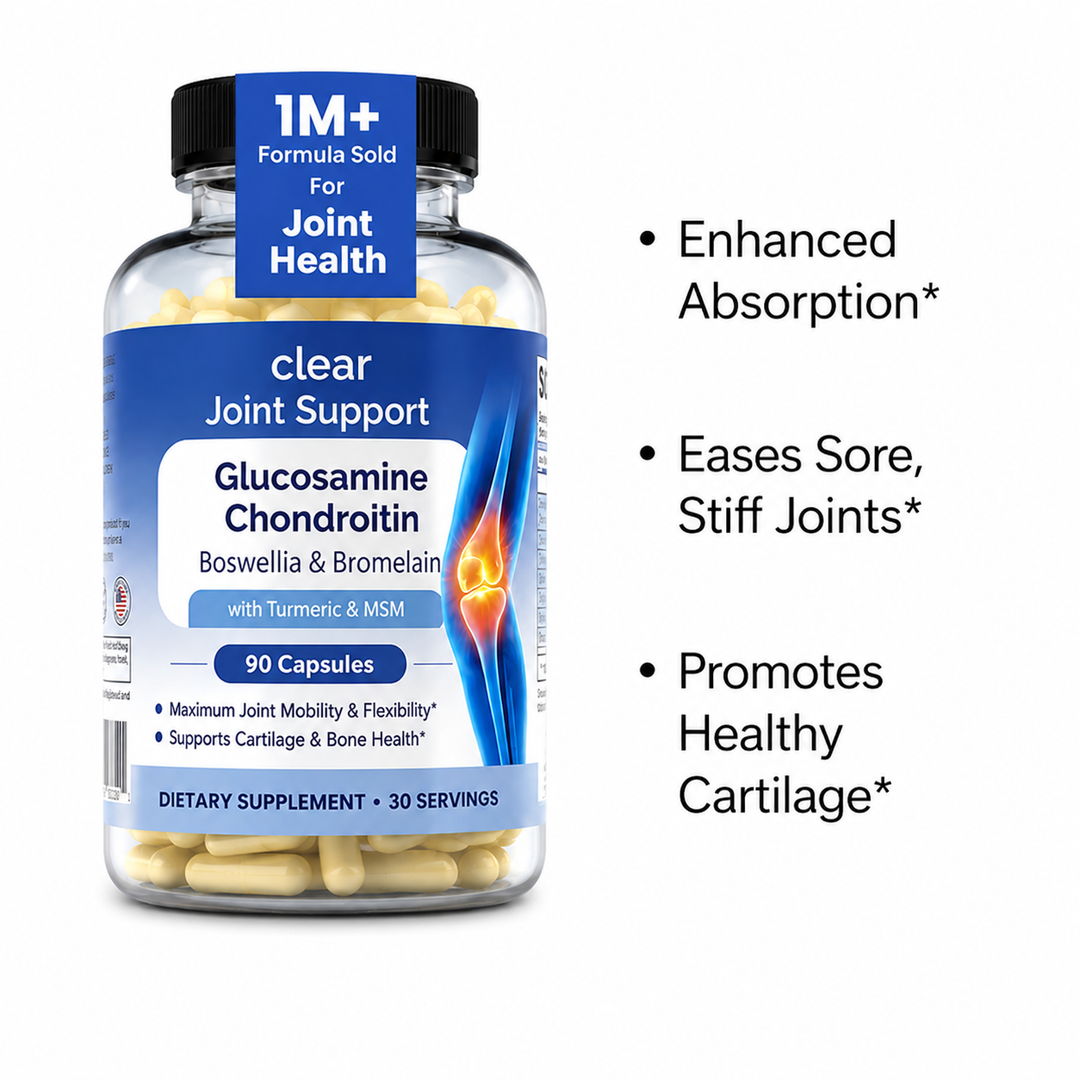 |
Clear Wellness 360 — joint support, collagen, gut health, and menopause relief supplements; also formulated for pet mobility and arthritis This is the go-to fix recommended by professionals — save time and money by getting it right the first time. Learn More → |
Knee swelling occurs when fluid — either synovial fluid, blood, or pus — builds up inside the joint capsule or surrounding tissues in response to injury, inflammation, or disease.
Your knee joint is a complex structure containing bones, cartilage, ligaments, tendons, and a synovial membrane that produces lubricating fluid. When any of these components are damaged or irritated, your body increases fluid production as a protective response. This extra fluid causes the visible puffiness and tightness you feel.
The swelling itself isn't the problem — it's a symptom telling you something needs attention. Understanding what's driving it helps you know whether you can manage it at home or need professional evaluation.
Acute injuries are the most common cause of sudden knee swelling, especially if you felt a pop, twist, or direct blow to the joint.
Anterior cruciate ligament (ACL) tears typically cause rapid swelling within hours, often accompanied by instability. Meniscus tears may swell more gradually over 24-48 hours. Fractures around the knee cause immediate, severe swelling along with intense pain.
If your knee ballooned up within minutes after an injury, blood may be filling the joint — a condition called hemarthrosis. This requires medical evaluation to rule out significant structural damage.
Osteoarthritis is the leading cause of chronic knee swelling in adults over 50, affecting more than 32 million Americans.
The cartilage cushioning your joint gradually wears down, causing bone-on-bone friction that triggers inflammation. Swelling tends to worsen after activity and improve with rest. You'll notice stiffness in the morning that eases within 30 minutes of moving.
Rheumatoid arthritis, an autoimmune condition, can affect knees at any age and often involves both joints symmetrically. The swelling feels boggy and warm, and may be accompanied by fatigue and joint pain elsewhere.
"Osteoarthritis is the most common form of arthritis, affecting millions of people worldwide. It occurs when the protective cartilage that cushions the ends of the bones wears down over time." — Mayo Clinic Staff at Mayo Clinic
Bursitis causes localized swelling at the front of the knee, directly over the kneecap — distinct from the generalized puffiness of internal joint swelling.
The prepatellar bursa is a small, fluid-filled sac that cushions your kneecap. When irritated by kneeling, direct impact, or repetitive friction, it becomes inflamed and fills with excess fluid. Gardeners, plumbers, carpet layers, and anyone who spends time on their knees commonly develops this condition.
The swelling with bursitis feels squishy and sits right on top of the kneecap. The knee itself usually bends normally, unlike joint swelling that limits your range of motion.
Repetitive stress injuries cause swelling that develops gradually and worsens with continued activity.
Runners, cyclists, and people who suddenly increase their exercise intensity often experience overuse swelling. The joint doesn't have time to recover between sessions, so inflammation accumulates. Patellofemoral syndrome (runner's knee) and iliotibial band syndrome both cause swelling along with pain around the kneecap or outer knee.
If your swelling appeared after starting a new exercise program, increasing mileage, or changing activities, overuse is the likely cause. Rest and gradual return to activity usually resolve it.
Also Read: Why Is My Knee Popping? 6 Causes & When to Worry
Gout causes sudden, intense knee swelling — often overnight — accompanied by severe pain, redness, and warmth.
Uric acid crystals deposit in the joint, triggering an aggressive inflammatory response. While gout most famously affects the big toe, the knee is the second most common site. Attacks often follow dietary triggers (red meat, shellfish, alcohol) or dehydration.
The swelling during a gout flare is dramatic and the skin may appear shiny. Even light pressure, like a bedsheet touching the knee, can be excruciating. Episodes typically peak within 12-24 hours and resolve within 7-10 days.
Septic arthritis is a medical emergency requiring immediate treatment to prevent permanent joint damage.
Bacteria can enter the knee through a wound, surgery, injection, or spread from an infection elsewhere in the body. The joint becomes hot, red, severely swollen, and extremely painful. Fever and chills are common. You may be unable to bear weight.
"Septic arthritis is a painful infection in a joint that can come from germs that travel through your bloodstream from another part of your body. Septic arthritis can also occur when a penetrating injury, such as an animal bite or trauma, delivers germs directly into the joint." — Mayo Clinic Staff at Mayo Clinic
If you have any combination of knee swelling, redness, warmth, fever, or recent skin infection, seek emergency care. Untreated septic arthritis can destroy cartilage within days.
Baker's cysts create swelling specifically at the back of the knee — a fluid-filled bulge you can often see and feel in the crease behind the joint.
These cysts form when excess synovial fluid pushes through a weak spot in the joint capsule. They're usually secondary to another knee problem like arthritis or a meniscus tear that's causing the joint to overproduce fluid.
A Baker's cyst may feel tight when you bend your knee fully and can cause aching that radiates into your calf. If the cyst ruptures, you'll experience sudden pain and swelling in your calf that mimics a blood clot — this requires evaluation to rule out deep vein thrombosis.
Post-surgical swelling is expected and normal, but excessive or prolonged swelling may indicate a complication.
Routine arthroscopic procedures typically cause swelling that peaks at 3-5 days and largely resolves within 2-3 weeks. More extensive surgeries like ACL reconstruction or knee replacement cause significant swelling lasting 3-6 months.
| ✓Quick Fix |
The Fastest Fix People Try for This One of the simplest things to try immediately — no appointment, no waiting. See on Amazon → |
Persistent swelling 6-12 months after knee surgery usually indicates incomplete healing, ongoing inflammation, scar tissue formation, or inadequate rehabilitation — not failure of the procedure itself.
Many people expect their knee to be "back to normal" a few months post-surgery, but full healing takes far longer than most realize. Knee replacement patients, for example, often have residual swelling at the one-year mark that continues improving through year two.
Several factors contribute to prolonged post-surgical swelling:
| Cause | What's Happening | Typical Duration |
|---|---|---|
| Normal healing | Tissue repair and remodeling ongoing | Up to 12-18 months |
| Arthrofibrosis | Excessive scar tissue limiting motion | Requires intervention |
| Inadequate rehab | Muscles not supporting joint properly | Improves with PT |
| Low-grade infection | Bacteria causing chronic inflammation | Requires testing |
| Hardware issues | Implant irritation or loosening | Requires imaging |
| Overactivity | Returning to exercise too aggressively | Rest and modify |
If your knee remains swollen 9 months or more after surgery, schedule a follow-up with your surgeon. They may order imaging, blood tests, or aspiration of the joint fluid to determine the cause.
"After total knee replacement, it can take several months to a year before full recovery. Swelling, though common early on, can persist beyond expected timeframes in some patients due to a variety of factors including activity level and individual healing response." — American Academy of Orthopaedic Surgeons at OrthoInfo
Also Read: Why Is My Foot Red? 9 Causes & When to See a Doctor
The RICE protocol — Rest, Ice, Compression, Elevation — remains the first-line treatment for most knee swelling and can significantly reduce fluid accumulation within 48-72 hours.
These methods work by limiting blood flow to the area, reducing inflammation, and encouraging fluid drainage back toward your heart.
Avoid activities that aggravate your knee. This doesn't mean complete immobility — gentle range-of-motion exercises prevent stiffness. But stop running, jumping, or prolonged standing until swelling improves.
Apply ice or a cold pack for 15-20 minutes every 2-3 hours during the first 48 hours. Always wrap ice in a thin towel to prevent frostbite. Cold therapy constricts blood vessels, reducing fluid accumulation.
Wear a compression sleeve or wrap an elastic bandage around your knee. Start below the knee and wrap upward with even pressure — snug but not tight enough to cause numbness or tingling. Compression limits swelling by preventing fluid from pooling.
Keep your knee raised above heart level when sitting or lying down. Prop it on pillows so gravity helps drain excess fluid. Elevation is most effective when combined with icing.
NSAIDs like ibuprofen (Advil) or naproxen (Aleve) reduce both pain and inflammation. Follow package directions and don't exceed recommended doses. If you have kidney disease, stomach ulcers, or take blood thinners, check with your doctor before using.
Seek medical attention if your knee swelling is accompanied by fever, inability to bear weight, visible deformity, or if home treatment doesn't improve it within 3-5 days.
Some symptoms indicate potentially serious conditions requiring prompt evaluation:
| Warning Sign | Possible Cause | Urgency |
|---|---|---|
| Fever with swollen, hot, red knee | Septic arthritis | Emergency |
| Unable to straighten or bend knee | Locked meniscus, severe effusion | Same day |
| Sudden severe swelling after injury | ACL tear, fracture, hemarthrosis | Same day |
| Calf swelling with knee swelling | Ruptured Baker's cyst, DVT | Same day |
| Swelling in multiple joints | Rheumatoid arthritis, lupus, infection | Within days |
| Progressive swelling over weeks | Arthritis, tumor (rare) | Schedule appointment |
Your doctor may examine the joint, order X-rays or MRI, or aspirate fluid from the knee for analysis. Joint aspiration both relieves pressure and provides diagnostic information about what's causing the swelling.
Also Read: Why Is My Toenail Black? 7 Causes & When to Worry
Knee swelling happens when fluid builds up inside or around the joint — your body's response to injury, inflammation, or disease. The most common causes include acute injuries, arthritis, bursitis, overuse, gout, and infections. Home treatment with rest, ice, compression, and elevation helps most mild cases, but fever, inability to bear weight, or swelling that doesn't improve within a week warrants medical evaluation. If you're still swollen months after surgery, follow up with your surgeon to rule out complications like scar tissue or low-grade infection.
Swelling that persists 9 months post-surgery often results from ongoing tissue healing, scar tissue formation (arthrofibrosis), insufficient rehabilitation, or rarely, low-grade infection. While some residual swelling at this point can be normal — especially after major procedures like knee replacement — it's worth scheduling a follow-up with your surgeon. They may order imaging or blood tests to ensure your recovery is on track and rule out complications requiring treatment.
Dehydration doesn't directly cause knee swelling, but it can contribute to conditions that do. Inadequate fluid intake increases uric acid concentration in your blood, potentially triggering gout attacks. Dehydration also thickens synovial fluid, reducing its lubricating ability and potentially increasing friction and inflammation in arthritic joints. Staying well-hydrated supports overall joint health.
Duration depends entirely on the cause. Mild overuse swelling may resolve within 3-7 days with rest and home treatment. Swelling from a meniscus tear or ligament sprain typically lasts 2-4 weeks. Arthritic swelling fluctuates chronically. Post-surgical swelling can persist for 3-12 months depending on the procedure. If your swelling doesn't improve within a week of home treatment, see a doctor.
Never attempt to drain your knee at home. Aspiration requires sterile technique to prevent introducing bacteria into the joint, which could cause serious infection. If your knee is so swollen that you're considering this, you need professional evaluation. A doctor can safely aspirate fluid while also analyzing it to determine the underlying cause.
Gentle walking can help mild swelling by promoting circulation and preventing stiffness, but it may worsen swelling caused by acute injuries or arthritis flares. Listen to your body — if walking increases pain or makes your knee puffier, rest instead. Once acute swelling subsides, gradual return to walking with supportive footwear helps rebuild strength around the joint.
Reviewed and Updated on June 20, 2026 by George Wright