
Technology
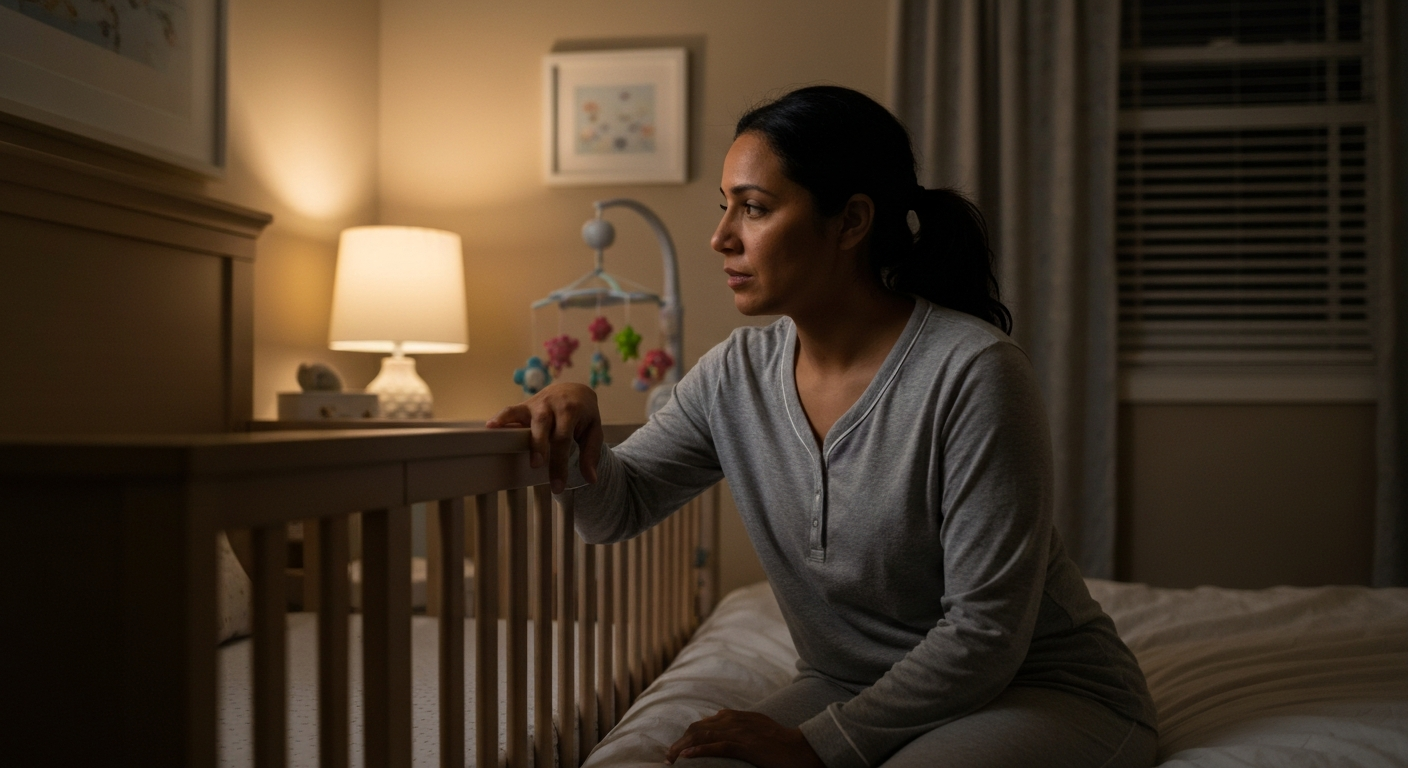

Babies cry in their sleep primarily because of normal sleep-cycle transitions, an immature nervous system, or minor discomforts like hunger, gas, or teething—and in most cases, the crying stops on its own within a few minutes without any intervention needed.
Hearing your baby whimper, wail, or full-on sob while still asleep can jolt you awake faster than any alarm clock. The good news: sleep crying is almost always a normal part of infant development. Babies spend far more time in active (REM) sleep than adults do, and during these lighter sleep phases, they naturally vocalize, twitch, and even cry without fully waking. Understanding why this happens—and when to step in versus when to wait—can help both you and your baby get better rest.
| ✓Our Pick |
White noise machine for babies with cry-detection night light Great value for money — this product tackles the root cause rather than just masking the symptoms. See on Amazon → |
Sleep crying in infants stems from developmental, physical, and environmental factors—most of which are temporary and resolve as your baby's nervous system matures.
Understanding the root cause helps you decide whether to comfort your baby immediately or give them a moment to self-settle.
Babies cycle through sleep stages roughly every 50 to 60 minutes—much shorter than the 90-minute adult cycle. During the transition between active (REM) sleep and quiet (deep) sleep, infants often stir, grunt, whimper, or cry briefly. This is called "transitional crying" and typically lasts under two minutes.
"Infants spend about 50 percent of their sleep time in REM sleep, compared with about 20 percent for adults. During REM sleep, babies may twitch, jerk, smile, or cry." — National Sleep Foundation via their infant sleep guidelines
If your baby's eyes remain closed and they don't escalate to full wakefulness, they're likely just moving between sleep stages. Rushing in too quickly can actually interrupt the natural process and wake them fully.
Newborns have tiny stomachs and fast metabolisms. A baby under three months may genuinely need to feed every two to four hours, even at night. Hunger cries during sleep often start as soft whimpers and gradually intensify. If your baby fed more than three hours ago and the crying escalates rather than fading, hunger is a strong possibility.
Breast milk digests faster than formula, so breastfed babies may wake more frequently. This isn't a flaw—it's biology working as intended.
Gas pain is one of the most common culprits behind sudden sleep crying, especially in the first four months. Babies swallow air during feeding, and their immature digestive systems struggle to move gas through efficiently. The result: sharp, crampy pain that can wake them mid-sleep.
Signs of gas-related sleep crying include:
- Pulling knees toward the chest
- Arching the back
- A hard or distended belly
- Crying that comes in waves rather than a steady wail
Burping your baby thoroughly after feeds and holding them upright for 15 to 20 minutes can reduce nighttime gas episodes significantly.
Teething discomfort typically begins around four to six months, though some babies show signs earlier. The pressure of teeth pushing through gums creates a dull, persistent ache that often worsens at night when there are fewer distractions.
"Teething can cause fussiness, drooling, and disrupted sleep. However, teething does not cause high fevers or severe diarrhea—those symptoms warrant a call to your pediatrician." — American Academy of Pediatrics HealthyChildren.org
If your baby is also drooling more than usual, gnawing on objects, and has swollen gums, teething may be contributing to sleep crying. A chilled (not frozen) teething ring before bed can offer relief.
The Moro reflex—also called the startle reflex—is an involuntary response present in all newborns. A sudden noise, movement, or even the sensation of falling can trigger the reflex, causing your baby to throw their arms out and then pull them back in. This often startles them into crying, even during sleep.
The Moro reflex typically fades between three and six months. Until then, swaddling with arms snug (while leaving hips loose) can dampen the startle response and reduce sleep disruptions.
Babies are sensitive to temperature changes and can't regulate their body temperature as efficiently as adults. A room that's too warm or too cold can cause restless sleep and crying.
| Sign | Too Hot | Too Cold |
|---|---|---|
| Skin feel | Sweaty, flushed | Cool to touch, pale |
| Sleep behavior | Restless, kicking off covers | Fussy, curling up |
| Ideal room temp | 68–72°F (20–22°C) | 68–72°F (20–22°C) |
Dress your baby in one layer more than you'd wear, and avoid heavy blankets in the crib (which also pose a suffocation risk). A sleep sack is a safer alternative.
Sleep regressions are temporary periods—usually lasting two to six weeks—when a previously good sleeper suddenly struggles. They commonly occur around four months, eight months, twelve months, and eighteen months, coinciding with developmental leaps.
During a regression, your baby's brain is busy consolidating new skills like rolling, crawling, or language. This mental activity spills into sleep, causing more frequent wake-ups and crying. Regressions feel brutal, but they pass.
| ✓Quick Fix |
What Actually Works for This, Fast Most people dealing with this exact problem start here — quick, affordable, and easy to try today. See on Amazon → |
If your baby's eyes are closed and the crying is mild, wait 60 to 90 seconds before intervening—many babies self-settle without fully waking.
Jumping in immediately can teach your baby to rely on you for every sleep-cycle transition, making independent sleep harder to achieve long-term. However, this doesn't mean ignoring genuine distress.
Trust your instincts. You know your baby's cries better than any guideline can prescribe.
Also Read: Why Is My Breast Milk Yellow? 6 Causes & Color Guide
Creating a consistent sleep environment and bedtime routine can significantly reduce the frequency and intensity of sleep crying episodes.
A dark, quiet, and comfortably cool room sets the stage for better sleep. Consider these adjustments:
Babies thrive on predictability. A consistent 20 to 30 minute wind-down routine signals that sleep is coming. Effective routines might include:
The key is consistency. Doing the same steps in the same order every night creates powerful sleep associations.
Preventing discomfort is easier than treating it mid-sleep. Before laying your baby down:
Popularized by French parenting approaches, the "pause" simply means waiting a beat before responding to nighttime sounds. This gives your baby a chance to self-settle and teaches them that brief waking doesn't require immediate adult intervention.
The pause isn't about ignoring your baby—it's about observing before acting. Two minutes of waiting can be the difference between a baby who puts themselves back to sleep and one who becomes fully awake.
Also Read: Why Is My Pregnant Belly Sometimes Hard and Sometimes Soft?
While most sleep crying is harmless, certain signs indicate a need for medical evaluation—particularly if crying is accompanied by fever, changes in feeding, or unusual behavior.
If your gut says something is wrong, call your pediatrician. It's always better to check than to dismiss a genuine problem.
Night terrors are rare in babies under 18 months but can occur. During a night terror, your baby may scream, thrash, and appear terrified—yet remain asleep and unresponsive to comfort. Unlike nightmares (which occur during REM sleep and wake the child), night terrors happen during deep non-REM sleep.
Night terrors typically last 10 to 30 minutes and the child has no memory of them afterward. If you suspect night terrors, don't try to wake your baby—stay nearby to ensure safety and let the episode pass.
| Age | Most Likely Causes | What Helps |
|---|---|---|
| 0–3 months | Hunger, gas, Moro reflex, sleep transitions | Frequent feeds, burping, swaddling |
| 3–6 months | Sleep regression, early teething, hunger | Consistent routine, teething relief, pause method |
| 6–12 months | Teething, separation anxiety, regression | Comfort objects, predictable routine, calm reassurance |
| 12–18 months | Nightmares beginning, regression, overtiredness | Earlier bedtime, comforting after wake-ups, white noise |
Sleep crying in babies is almost always normal and stems from immature sleep cycles, hunger, gas, teething, or environmental factors like temperature. The best approach is to pause briefly before intervening, allowing your baby a chance to self-settle. Creating a consistent bedtime routine, optimizing the sleep environment, and addressing physical discomforts before bed can reduce episodes significantly. However, if crying is accompanied by fever, feeding refusal, or behavior that feels "off," contact your pediatrician promptly.
Babies spend about half their sleep time in active REM sleep, during which vocalizations—including crying—are common. The crying is part of the sleep state, not a conscious response. Your baby isn't distressed; their brain is simply processing while they sleep. If they don't fully wake, they're successfully transitioning between sleep cycles.
Not necessarily. If your baby's eyes are closed and the crying is mild, waiting 60 to 90 seconds gives them a chance to self-settle. However, if crying escalates, lasts more than a few minutes, or your baby is clearly awake and distressed, responding promptly is appropriate. There's no single right answer—observe your baby and trust your instincts.
Sleep crying tends to decrease significantly after six months as babies spend less time in active REM sleep and their nervous systems mature. However, sleep disruptions may briefly return during regressions, illness, or teething. By 12 to 18 months, most babies cry in their sleep far less frequently.
Yes. An overtired baby produces more cortisol (the stress hormone), which paradoxically makes it harder to fall asleep and stay asleep. This can lead to more restless sleep and more crying during transitions. Watch for your baby's sleepy cues—yawning, eye rubbing, fussiness—and put them down before they become overtired.
Sleep crying alone isn't a sign of colic. Colic is defined as crying for more than three hours a day, more than three days a week, for at least three weeks—and it typically peaks during awake hours, not sleep. If your baby cries excessively while awake and seems inconsolable, discuss colic with your pediatrician.
Reviewed and Updated on June 20, 2026 by George Wright