
Health
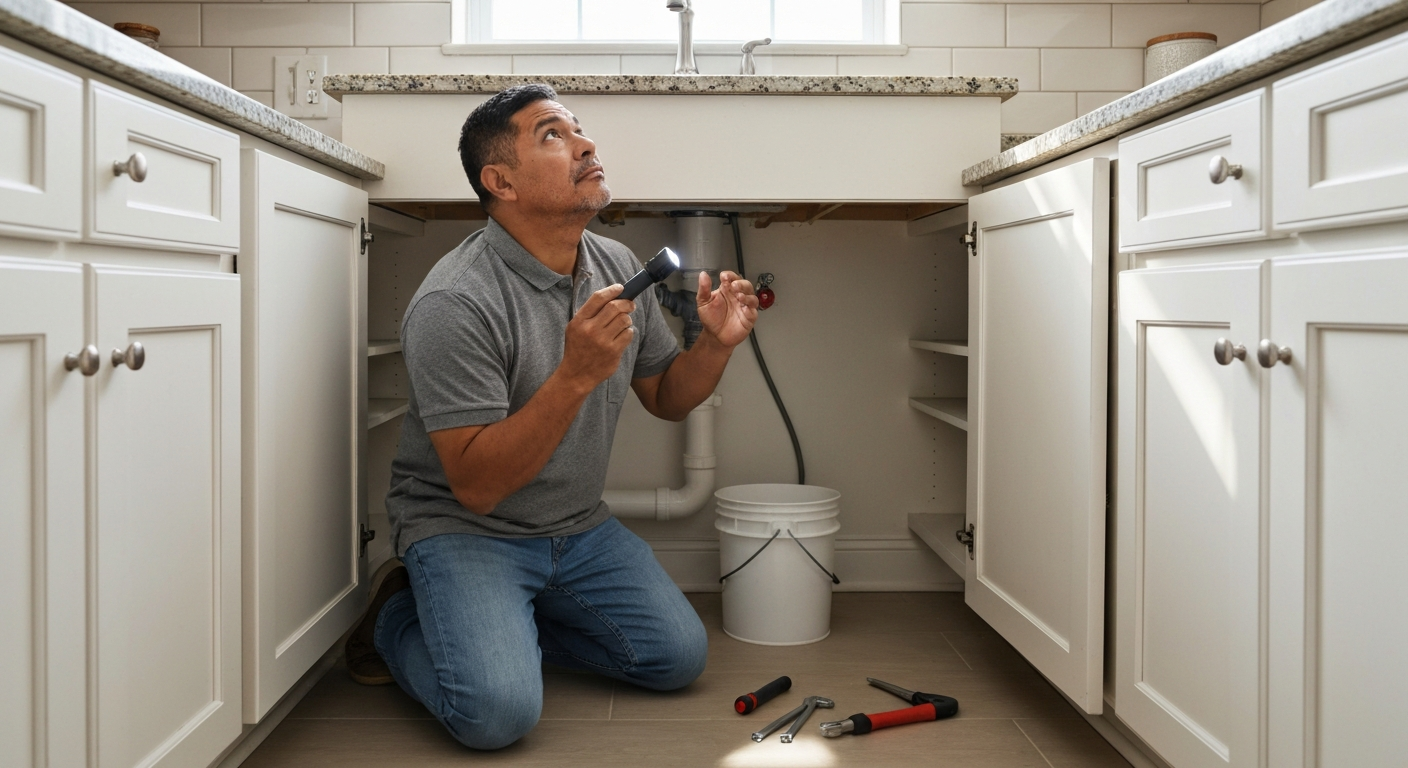

Your garbage disposal is backing up because food waste, grease, or fibrous debris has created a clog in the drain line, the disposal's grinding chamber, or the P-trap beneath your sink — and the blockage is preventing water from flowing out normally.
When water pools in your sink after running the disposal, the culprit is almost always an obstruction somewhere between the grinding blades and the main drain pipe. The good news: most backups are fixable in under 30 minutes without calling a plumber. Below, you'll find the exact causes, step-by-step solutions, and warning signs that mean it's time for professional help.
A backup occurs when ground-up waste can't exit the disposal chamber fast enough — either because the drain is partially blocked or the disposal itself isn't grinding properly.
Several common issues lead to this problem. Understanding which one applies to your situation will save you time and frustration when troubleshooting.
Cooking oils and fats are the number one cause of disposal backups. When you pour grease down the drain, it cools and solidifies inside your pipes, creating a sticky coating that traps food particles. Over time, this coating narrows the drain opening until water can barely pass through.
"Fats, oils, and grease (FOG) are among the most common causes of sewer backups and overflows. When poured down the drain, they cool and congeal, restricting water flow." — U.S. Environmental Protection Agency
Celery strings, corn husks, onion skins, and artichoke leaves contain long fibers that wrap around the disposal's impeller blades rather than getting chopped up. These fibers create a tangled mass that blocks the drain opening and prevents water from flowing freely.
The P-trap — that curved pipe section directly under your sink — is designed to hold a small amount of water to block sewer gases. It's also where heavy food particles often settle and accumulate. If your disposal seems to work fine but water still won't drain, the P-trap is likely packed with debris.
Pasta, rice, potato peels, and beans absorb water and swell after going through the disposal. What started as a small amount can expand into a dense, paste-like mass that plugs your drain completely.
Also Read: Why Is My Water Pressure Low? 7 Causes & How to Fix It
A humming disposal that won't spin typically means the motor is receiving power, but the flywheel is jammed — usually by a hard object like a bone fragment, fruit pit, or utensil piece lodged between the impellers.
This is different from a backup, but a jammed disposal often causes backups because food waste can't be processed. Here's what's happening inside:
| Symptom | Likely Cause | Risk Level |
|---|---|---|
| Humming, no spinning | Flywheel jammed by debris | Moderate — motor can overheat |
| Humming, then stops | Thermal overload tripped | Low — reset and clear jam |
| No sound at all | Electrical issue or burned motor | High — may need replacement |
To unjam a humming disposal:
1. Turn off the disposal and unplug it (or flip the breaker).
2. Insert a ¼-inch hex wrench into the hole at the bottom center of the unit.
3. Rotate the wrench back and forth to free the flywheel.
4. Use tongs to remove any visible debris from inside the chamber.
5. Press the reset button on the bottom of the unit, restore power, and test.
| ✓Our Pick |
Garbage disposal reset buttons and jam removal tools Used by over 10,000 satisfied customers — an easy, affordable option you can start using today. See on Amazon → |
If water sits in the sink long after the disposal stops running, the clog is downstream — either in the P-trap, the horizontal drain arm, or the connection to your home's main drain line.
The disposal itself might be grinding food perfectly, but the processed waste has nowhere to go. This is especially common in older homes where pipes have accumulated decades of buildup.
"Most sink drain clogs occur in the curved trap directly below the drain opening. Removing and cleaning this trap resolves the majority of slow-drain issues." — Family Handyman
A disposal leaking from its base usually means the internal seals have failed — this is often unfixable and signals that the unit needs replacement.
Disposals contain several rubber seals and gaskets that degrade over time. When the bottom seal fails, water and food particles leak directly from the motor housing. Unlike a flange leak at the top (which is repairable), a bottom leak typically indicates the end of the unit's lifespan.
| Leak Location | Cause | Repair Difficulty |
|---|---|---|
| Top (sink flange) | Loose mounting or worn putty | Easy — reseal with plumber's putty |
| Side (dishwasher connection) | Loose hose clamp | Easy — tighten or replace clamp |
| Bottom (motor housing) | Internal seal failure | Difficult — usually requires replacement |
If your disposal is more than 8–10 years old and leaking from the bottom, replacing it is more cost-effective than attempting repairs.
When dishwasher water flows backward into your sink, the shared drain line or garbage disposal drain port is blocked — preventing the dishwasher's discharge pump from pushing water out properly.
Your dishwasher and garbage disposal share the same drain system. When you run the dishwasher, its pump forces water through a hose connected to the disposal (or the drain tailpiece above it). If there's any obstruction in this path, the water takes the easiest route — back up into your sink.
Common causes include:
- Food buildup inside the disposal. Run your disposal before starting the dishwasher to clear the chamber.
- Clogged air gap. If your sink has a small cylinder on the countertop near the faucet, this is an air gap. Remove the cap and clean out any debris.
- Blocked drain line. The main drain itself may be partially clogged.
Quick fix: Before every dishwasher cycle, run your garbage disposal for 15–20 seconds with cold water. This clears the drain path and prevents backflow.
A disposal that won't turn on has either tripped its internal overload protector, lost power at the outlet, or suffered motor failure.
Before assuming the worst, work through these checks:
If the reset button keeps tripping immediately after you press it, there's likely a jam (see the humming section above) or the motor windings have failed.
Also Read: Why Is My Smoke Detector Chirping? 6 Causes & Quick Fixes
Smoke or burning smells from your disposal indicate the motor is overheating — usually because the unit is jammed and the motor is straining against an immovable obstruction.
Stop using the disposal immediately. Continued operation can burn out the motor permanently or, in rare cases, create a fire hazard. Here's your action plan:
If the smoking continues after clearing a jam, the motor windings are likely damaged. It's time for a new disposal.
Kitchen sink backups without disposal involvement point to a clogged drain line, a blocked vent pipe, or problems further down your home's plumbing system.
If you don't have a garbage disposal, or if water backs up on the non-disposal side of a double sink, the clog is in the shared plumbing rather than the disposal itself. Common culprits include:
For recurring backups that don't respond to plunging or snaking, have a plumber run a camera inspection to identify the obstruction location.
Plumbing problems often occur together because your home's water and drain systems are interconnected.
If your toilet tank won't fill after flushing, the issue is typically a malfunctioning fill valve, a stuck float, or low water pressure to the bathroom. This is unrelated to your garbage disposal but may indicate a whole-house water supply issue if multiple fixtures are affected.
A washing machine that won't fill usually has kinked supply hoses, clogged inlet screens, or a faulty water inlet valve. Check that both hot and cold supply valves behind the machine are fully open, then inspect the hose screens for sediment buildup.
Regular maintenance and smart usage habits will keep your disposal running smoothly for years.
Follow these rules:
- Run cold water before, during, and after using the disposal (15 seconds minimum after grinding stops).
- Avoid grease, oils, and fats — wipe greasy pans with a paper towel before washing.
- Skip fibrous and starchy foods — compost celery, corn husks, pasta, and potato peels instead.
- Clean monthly with ice cubes and a handful of coarse salt to scour the grinding chamber.
- Freshen weekly by grinding citrus peels (lemon or orange) to cut grease and eliminate odors.
| Food Type | Safe for Disposal? | Better Alternative |
|---|---|---|
| Soft fruits and vegetables | Yes | N/A |
| Cooked meat scraps | Yes (small amounts) | Trash or compost |
| Bones (chicken, fish) | Small only | Trash |
| Celery, corn husks | No | Compost |
| Pasta, rice, bread | No | Compost or trash |
| Coffee grounds | No (causes buildup) | Compost |
| Grease, oil, fat | Never | Jar, then trash |
Your garbage disposal backs up when food waste, grease, or fibrous debris blocks the drain path — whether inside the grinding chamber, the P-trap, or the connecting pipes. Most backups clear with a combination of plunging, P-trap cleaning, and drain snaking. If your disposal hums but won't spin, it's jammed and needs manual freeing with a hex wrench. A disposal leaking from the bottom or smoking after clearing jams typically needs replacement. Prevent future problems by running cold water generously, avoiding grease and fibrous foods, and cleaning the unit monthly.
Your dishwasher and garbage disposal share a drain line. If the disposal chamber contains food debris or the drain is partially clogged, dishwasher water can't exit normally and flows back into the sink. Run your disposal for 15–20 seconds before starting the dishwasher to clear the path.
It depends on where the leak originates. Leaks from the top sink flange can be fixed by reseating the disposal with fresh plumber's putty. Side leaks at the dishwasher connection just need a tightened hose clamp. But leaks from the bottom of the unit mean internal seals have failed — replacement is usually the only practical solution.
The motor is receiving power, but something is jamming the flywheel. Turn off and unplug the unit, then use a ¼-inch hex wrench in the bottom socket to rotate the flywheel manually. Remove any hard debris with tongs, press the reset button, and test again.
A jammed disposal that's left running will overheat as the motor strains against the obstruction. Stop the unit immediately, let it cool for 15–20 minutes, clear the jam, and reset. If smoking continues after the jam is cleared, the motor windings are damaged and you'll need a new disposal.
Common signs include persistent leaks from the bottom, frequent resets, inability to grind food effectively, or a motor that won't run even after troubleshooting. Most disposals last 8–12 years. If yours is in that age range and showing multiple symptoms, replacement is more economical than ongoing repairs.
Reviewed and Updated on May 30, 2026 by George Wright