Health


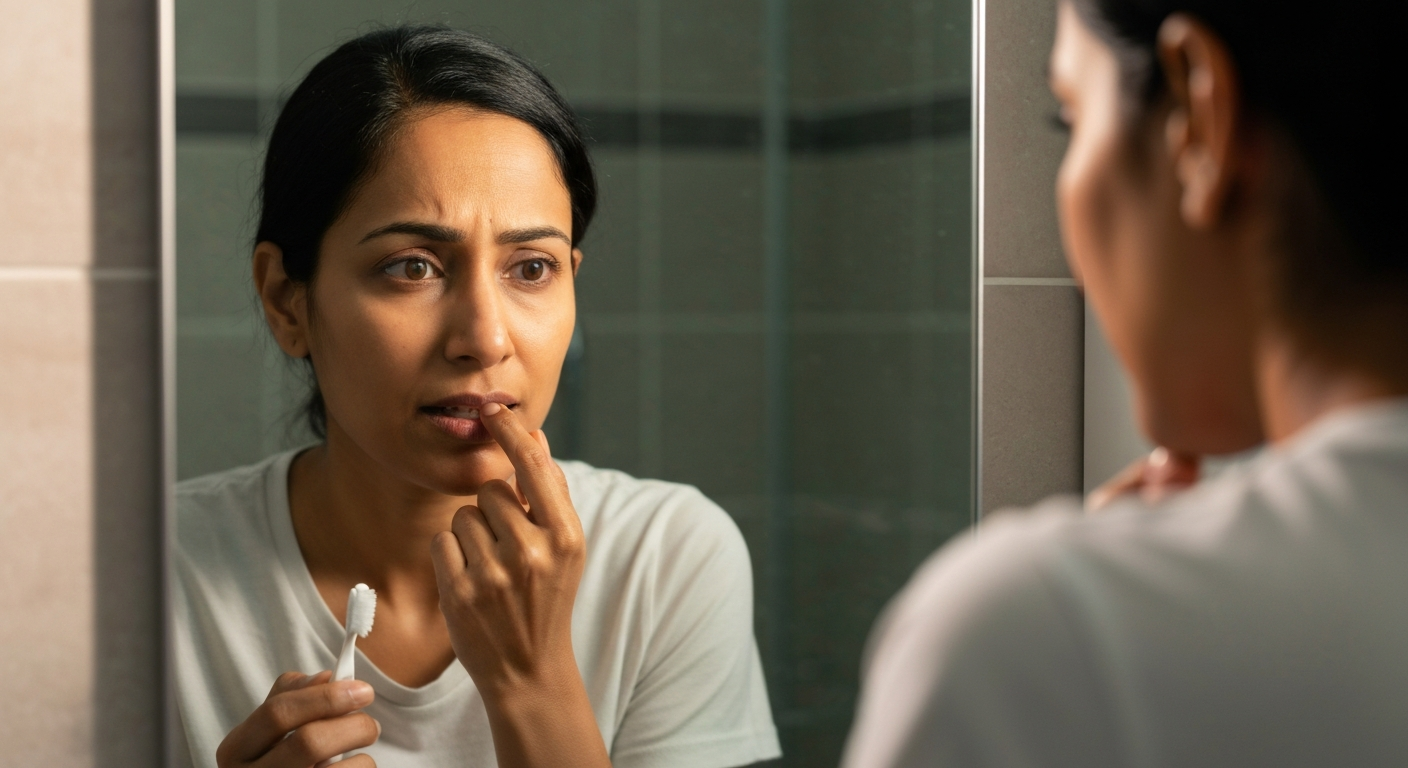
A sore jaw usually signals that your temporomandibular joint (TMJ) is under stress — most often from clenching or grinding your teeth at night, though infections, arthritis, or trauma can also be responsible.
The temporomandibular joint connects your lower jaw to your skull on both sides of your face, acting as a sliding hinge every time you talk, chew, or yawn. When something irritates this joint or the muscles around it, you feel it as aching, stiffness, or sharp pain near your ear and cheek. The good news: most jaw soreness resolves with simple home care once you identify and address the underlying cause.
Jaw pain stems from mechanical stress, inflammation, or referred pain from nearby structures — and pinpointing the category helps you treat it faster.
The jaw is one of the most frequently used joints in your body. Between talking, eating, and unconscious habits like clenching, your TMJ handles thousands of movements daily. When any part of this system — the joint itself, the surrounding muscles, or the disc that cushions movement — becomes irritated, soreness follows.
Here are the most common culprits behind jaw pain:
| Cause | How It Feels | Timing |
|---|---|---|
| Teeth grinding (bruxism) | Dull ache, tight muscles | Worst in morning |
| TMJ disorder | Clicking, popping, limited movement | Throughout day |
| Dental infection | Throbbing, localized pain | Constant, worsening |
| Jaw injury | Sharp pain, swelling | After trauma |
| Arthritis | Stiffness, grinding sensation | Worse with use |
| Stress-related clenching | Muscle fatigue, tension headache | End of stressful days |
"Temporomandibular disorders affect over 10 million Americans, with jaw pain being the most common presenting symptom." — National Institute of Dental and Craniofacial Research at NIH
Bruxism — the medical term for teeth grinding or clenching — is the leading cause of jaw soreness, and most people do it unconsciously while sleeping.
If you wake up with a sore jaw that gradually improves throughout the day, nighttime grinding is the most likely explanation. During sleep, you lose conscious control over your jaw muscles, and stress, sleep disorders, or misaligned teeth can trigger repetitive clenching that puts enormous pressure on your TMJ.
The forces involved are significant. Normal chewing exerts about 20-40 pounds of pressure on your molars. Nighttime grinding can generate up to 250 pounds of force — enough to crack teeth and exhaust the muscles that control your jaw.
Signs that bruxism is behind your jaw pain include:
A custom night guard creates a barrier between your upper and lower teeth, absorbing the grinding forces and allowing your jaw muscles to relax. Unlike boil-and-bite drugstore versions, a professionally fitted guard matches your bite precisely and stays comfortable enough to wear consistently.
| ✓Our Pick |
Custom night guard for teeth grinding A well-reviewed choice that delivers real results — worth every penny for anyone dealing with this. Learn More → |
Also Read: Why Is My Teeth Aching? 11 Causes & How to Get Relief
TMJ disorder (TMD) describes a group of conditions affecting the jaw joint itself — causing pain, clicking, and sometimes locking when you try to open your mouth.
While bruxism focuses on muscle overuse, TMD involves the joint structure. The temporomandibular joint contains a small disc of cartilage that allows smooth movement. When this disc slips out of position, becomes worn, or the joint surfaces develop arthritis, you experience the hallmark symptoms of TMD.
Classic TMD symptoms include:
TMD and bruxism often occur together — grinding stresses the joint, and a compromised joint makes muscles work harder, creating a cycle of pain. Breaking this cycle typically requires addressing both the muscle tension and protecting the joint from further damage.
"Most TMJ disorders are temporary and can be managed with self-care practices and nonsurgical treatments." — Mayo Clinic
Yes — tooth infections, abscesses, and impacted wisdom teeth frequently cause jaw pain that mimics TMJ issues.
When bacteria invade the pulp of a tooth (the living tissue inside), the resulting infection can spread to the surrounding bone and tissue. Because the roots of your back teeth sit close to your jaw joint, this infection creates pain that radiates throughout your lower face.
Warning signs that your jaw pain stems from a dental problem rather than muscle or joint issues:
Impacted wisdom teeth present another common culprit. When these third molars don't have room to emerge properly, they push against neighboring teeth and create inflammation that makes your entire jaw ache.
If you suspect a dental infection, see a dentist promptly. Unlike muscle soreness that responds to rest, infections require professional treatment to prevent serious complications.
Also Read: Why Is My Gum Bleeding? 9 Causes & How to Stop It
Absolutely — emotional stress triggers unconscious jaw clenching during waking hours, creating muscle fatigue and soreness that builds throughout the day.
You might not realize you're doing it, but stress causes many people to hold tension in their jaw. Unlike nighttime grinding, daytime clenching happens during waking hours — while concentrating, commuting, or dealing with difficult situations. Over time, this constant low-grade tension exhausts your jaw muscles.
Pay attention to your jaw position right now. Are your teeth touching? They shouldn't be. When your mouth is relaxed, your teeth should rest slightly apart with your tongue gently touching the roof of your mouth. If you catch yourself clenching throughout the day, stress is likely contributing to your jaw soreness.
The stress-jaw connection goes both ways. Chronic jaw pain increases stress levels, which increases clenching, which worsens pain. Breaking this cycle requires addressing both the physical tension and the underlying stress.
Techniques that help interrupt stress-related clenching:
Most jaw soreness improves within one to two weeks with consistent home care focused on rest, heat therapy, and gentle stretching.
The goal of home treatment is reducing inflammation, relaxing overworked muscles, and giving your TMJ a chance to recover. Here's what works:
Rest your jaw. Stick to soft foods that don't require heavy chewing — yogurt, scrambled eggs, soups, and smoothies. Avoid chewy foods like steak, bagels, and gummy candy. Skip chewing gum entirely.
Apply heat or cold. For acute pain or swelling, use an ice pack wrapped in a cloth for 10 minutes at a time. For chronic muscle tension, moist heat works better — try a warm washcloth or a microwavable heat pack for 15-20 minutes.
Gentle stretches. Once acute pain subsides, gentle range-of-motion exercises help restore normal function:
Over-the-counter pain relief. NSAIDs like ibuprofen (Advil, Motrin) reduce both pain and inflammation. Acetaminophen (Tylenol) helps with pain but not inflammation. Follow package directions and don't exceed recommended doses.
Massage your jaw muscles. Place your fingers on the muscles just below your cheekbones. Apply gentle pressure and make small circular motions for 30 seconds. Repeat on the muscles at the angle of your jaw, near your earlobes.
Seek professional evaluation if your jaw pain persists beyond two weeks, limits your ability to eat or speak, or comes with symptoms suggesting something more serious.
Most jaw soreness responds to home care, but some situations require professional diagnosis and treatment. Don't wait to get help if you experience:
For persistent TMJ issues, your doctor may recommend:
| Treatment | What It Does | Best For |
|---|---|---|
| Custom night guard | Prevents grinding damage | Bruxism |
| Physical therapy | Strengthens and stretches jaw muscles | Muscle dysfunction |
| Prescription medications | Reduces inflammation or relaxes muscles | Severe symptoms |
| Trigger point injections | Releases muscle knots | Chronic muscle pain |
| Botox injections | Weakens overactive jaw muscles | Severe clenching |
| Arthrocentesis | Flushes debris from joint | Joint inflammation |
Jaw soreness typically results from teeth grinding, TMJ disorder, stress-related clenching, or dental problems — and most cases resolve with simple home care like soft foods, heat therapy, and jaw rest. If you grind your teeth at night, a custom night guard prevents ongoing damage and gives your muscles a chance to recover. See a doctor if pain persists beyond two weeks, limits your ability to eat, or comes with fever, swelling, or symptoms that suggest infection or something more serious.
One-sided jaw pain often points to a localized problem rather than general TMJ strain. Common causes include a dental infection or abscess affecting teeth on that side, an impacted wisdom tooth pushing against neighboring structures, or sleeping consistently on one side. You may also favor one side while chewing, overworking those muscles. If the pain is sharp and localized to a specific tooth area, see a dentist to rule out infection.
Yes — sinus infections and congestion can create pressure that radiates to your upper jaw and cheek area. Your maxillary sinuses sit directly above your upper back teeth, so inflammation there often feels like tooth or jaw pain. If your jaw soreness came on during a cold or allergy flare-up and you also have nasal congestion, facial pressure, or thick mucus, treating the sinus issue should relieve your jaw pain.
Keeping your mouth open wide for an extended period strains your TMJ and surrounding muscles. This is completely normal after lengthy procedures like fillings, crowns, or extractions. The soreness typically peaks 24-48 hours after your appointment and resolves within a week. Apply ice during the first day, then switch to moist heat. If pain worsens rather than improves, or you notice swelling at the procedure site, contact your dentist.
The TMJ sits directly in front of your ear canal, so jaw problems frequently cause symptoms that feel like ear pain. You might experience a sense of fullness in your ear, muffled hearing, or even ringing (tinnitus) when your TMJ is inflamed. If you've had your ears checked and they're healthy, your ear symptoms likely stem from your jaw joint rather than an ear infection.
Acute jaw soreness from temporary overuse (like chewing tough food or a long dental visit) typically resolves within a few days to one week. Bruxism-related soreness may persist until you address the grinding — often with a night guard. TMJ disorders can last weeks to months but generally improve with consistent self-care. If your jaw has been sore for more than two weeks without improvement, professional evaluation is warranted to identify and treat the underlying cause.
Reviewed and Updated on May 29, 2026 by George Wright