
Health
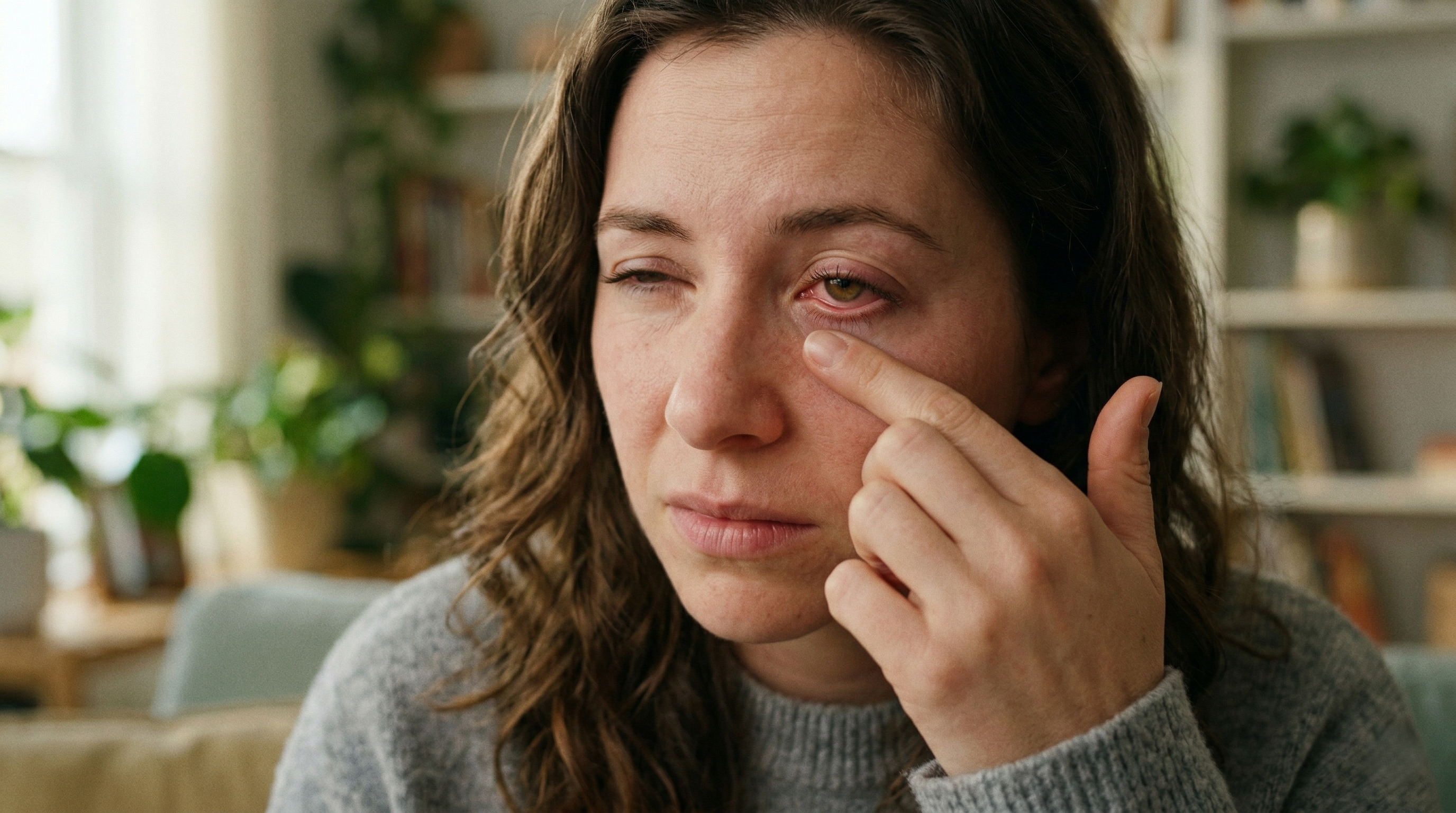

Itchy eyes (ocular pruritus) are most frequently caused by allergic conjunctivitis, where allergens like pollen or pet dander trigger a histamine release in the eye. Other primary causes include dry eye syndrome, contact lens irritation, and hormonal shifts. Immediate relief involves avoiding the allergen, applying cool compresses, and using over-the-counter antihistamine or lubricating eye drops.The Primary Triggers for Ocular Itching
Understanding the root trigger of ocular pruritus is essential for finding the correct treatment pathway. The sensation of itching is a specific neurological response to irritation on the surface of the eye, often mediated by the immune system or structural tear deficiencies.
The main triggers for itchy eyes are environmental allergens, insufficient tear production, and mechanical irritation from contact lenses or foreign bodies.
Allergies, medically known as allergic conjunctivitis, are the leading culprit for sudden, severe eye itching. When airborne particles enter the ocular environment, they interact directly with the immune system. Allergic conjunctivitis interacts with the immune system via IgE antibodies, triggering the rapid release of histamines. This interaction initiates an intense inflammatory cascade.
Also Read: Find instant relief with Antihistamine Eye Drops on Amazon
"When an allergen comes in contact with your eye, certain cells within your eye (called mast cells) release histamine and other substances to fight off the allergen. This reaction causes your eyes to become red, itchy and watery."
— American Academy of Ophthalmology, authored by Medical Professionals at the American Academy of Ophthalmology
Dry Eye Syndrome is the second most prominent cause of itching, particularly in older adults or individuals who spend extended periods looking at digital screens. The tear film consists of three distinct layers: water, oil, and mucus. When the meibomian glands fail to produce enough oil, the aqueous layer of the tears evaporates too quickly, leaving the cornea exposed and irritated.
"Dry eyes affect the layers of tears that cover your cornea. It happens when you don't have enough tears or when your tears evaporate too quickly."
— Cleveland Clinic, authored by Medical Professionals at the Cleveland Clinic
Mechanical irritation from contact lenses also frequently leads to itchy, red eyes. Contact lenses act as a sponge for environmental debris, pollen, and protein deposits from the tear film itself. When lenses are not cleaned properly or worn beyond their prescribed duration, this accumulated debris rubs against the sensitive conjunctiva. This creates microscopic friction and an ongoing itch response. Furthermore, some individuals develop giant papillary conjunctivitis (GPC), a specific allergic reaction to the contact lens itself or the chemicals in the lens solution.
| ✓Our Pick |
Contact lenses with free next-day delivery — replace yours if symptoms persist Great value for money — this product tackles the root cause rather than just masking the symptoms. Learn More → |
Misdiagnosing the cause of itchy eyes can lead to ineffective treatments and prolonged discomfort. It is important to observe accompanying symptoms and discharge types to accurately identify the underlying condition.
TL;DR: Allergies primarily present with intense itching and clear watering, while dry eye feels gritty or burning. Infections like pink eye typically feature thick mucus discharge and significant redness rather than isolated itching.
The following table outlines the distinct symptom profiles and environmental contexts that differentiate these common ocular conditions. It provides a structured comparison to help identify whether the itch originates from an immune response, a tear deficiency, or a bacterial pathogen.
| Condition | Primary Sensation | Discharge Type | Common Environmental Triggers | Standard Relief Method |
| Allergic Conjunctivitis | Intense itching, swelling | Clear, watery | High pollen counts, pet dander, dust mites | Antihistamine drops, cool compresses |
| Dry Eye Syndrome | Gritty, burning, stinging | Stringy mucus | Low humidity, high screen time, wind | Artificial tears, lipid-based drops |
| Viral Conjunctivitis | Burning, mild itching | Watery or slightly thick | Exposure to sick individuals | Time, cold compresses |
| Bacterial Conjunctivitis | Soreness, mild itching | Thick yellow/green pus | Contaminated makeup, poor hygiene | Prescription antibiotic drops |
Also Read: Why Is My Eye Twitching?
Decreasing levels of estrogen and androgens during menopause reduce the oil production in the tear film, leading to rapid tear evaporation and subsequent itching.
Hormonal fluctuations actively alter the composition of the tear film, directly impacting eye comfort. This is highly relevant for individuals entering perimenopause or menopause, where the body's baseline chemistry changes significantly. As individuals age, endocrine system changes affect various mucous membranes throughout the body, including the ocular surface. The meibomian glands, which secrete the lipid (oil) layer of the tears, are highly sensitive to hormone levels.
"The hormonal shifts you experience during perimenopause and menopause disrupt your tear production."
— Johns Hopkins Medicine, authored by Medical Professionals at Johns Hopkins Medicine
When androgen levels decrease, these glands produce less oil. Without this protective lipid barrier, the aqueous layer of the tears evaporates almost immediately upon exposure to the ambient air. This rapid evaporation leaves the sensitive corneal nerves exposed to the environment, resulting in a persistent, scratchy, and itchy sensation that cannot be resolved with standard watery eye drops alone. Individuals may need to consult with an eye care specialist for prescription therapies that increase tear production or lipid output.
Addressing itchy eyes requires a targeted approach based on the specific entity causing the irritation. Applying the wrong topical drop can exacerbate the condition, making precise and measured intervention critical for long-term eye health.
Effective treatment involves removing the irritant, stabilizing the tear film with specialized drops, and practicing consistent eyelid hygiene.
Over-the-counter interventions provide the first line of defense against ocular pruritus. It is critical to select a product that addresses the specific mechanism of the itch—antihistamines for allergies, and lipid-replacing drops for evaporative dry eye. Identifying the specific prompt triggers in your environment allows for a proactive rather than reactive approach.
Also Read: Why Is My Eye Red?
Here are the established steps for managing persistent eye itching:
If the itching is caused by structural issues like blepharitis (inflammation of the eyelid margins), warm compresses combined with gentle eyelid scrubs are required. Using diluted baby shampoo or dedicated hypochlorous acid sprays helps to clear blocked oil glands and reduce the bacterial load on the eyelashes.
Lowering indoor humidity, utilizing HEPA air purifiers, and employing the 20-20-20 rule during screen time are effective long-term strategies to prevent itchy eyes.
Adjusting the ambient environment minimizes the frequency and severity of itchy eye episodes. Taking control of indoor air quality and daily habits significantly reduces the burden on the ocular immune response. To build a sustainable defense against allergens and dry eye triggers, environmental modifications must become a routine.
Also Read: Are Contact Lenses Giving You Dry Eyes?
Understanding the exact relationship between environmental factors, immune responses, and tear film stability is the key to resolving itchy eyes. Consistent hygiene and the correct topical drops usually resolve the issue, but persistent symptoms require medical evaluation.
Identifying whether your itchy eyes stem from seasonal allergies, environmental dry eye, or contact lens wear dictates the treatment. Most cases are manageable at home, but severe pain or vision changes demand professional care.
Most cases of ocular pruritus are benign and manageable with environmental modifications and over-the-counter drops. However, if the itch is accompanied by severe pain, sudden vision loss, extreme light sensitivity, or thick, purulent discharge, it indicates a more severe condition that warrants immediate evaluation by an optometrist or ophthalmologist.
Why are my eyes so itchy specifically in the inner corners?
Itching concentrated in the inner corners of the eyes (near the tear ducts) is a classic hallmark of allergic conjunctivitis. The tear ducts act as a drainage system, collecting allergens as tears exit the eye. This concentrates the allergen load and the subsequent histamine response in that highly specific anatomical area.
Why is my eye so itchy at night?
Nighttime itching is often linked to the bedroom environment. Dust mites in mattresses and pillows, or pet dander accumulating on bedding, trigger localized allergic reactions. Furthermore, basal tear production naturally decreases during sleep, exacerbating baseline dry eye symptoms as the night progresses.
Can systemic dehydration cause itchy eyes?
Yes. Systemic dehydration reduces the body's overall ability to produce aqueous fluids, including the water component of baseline tears. Drinking adequate water daily supports the lacrimal glands in maintaining sufficient tear volume to wash away microscopic irritants.
Are redness-relief drops bad for itchy eyes?
Drops containing chemical vasoconstrictors (medications designed to shrink surface blood vessels) mask the cosmetic redness but do not treat the underlying histamine release or dry eye. Overuse can lead to a condition called "rebound hyperemia," where the eyes become perpetually red, swollen, and irritated once the drop wears off, creating a cycle of dependency without actual relief.
Reviewed and Updated on April 6, 2026 by George Wright