Sleep
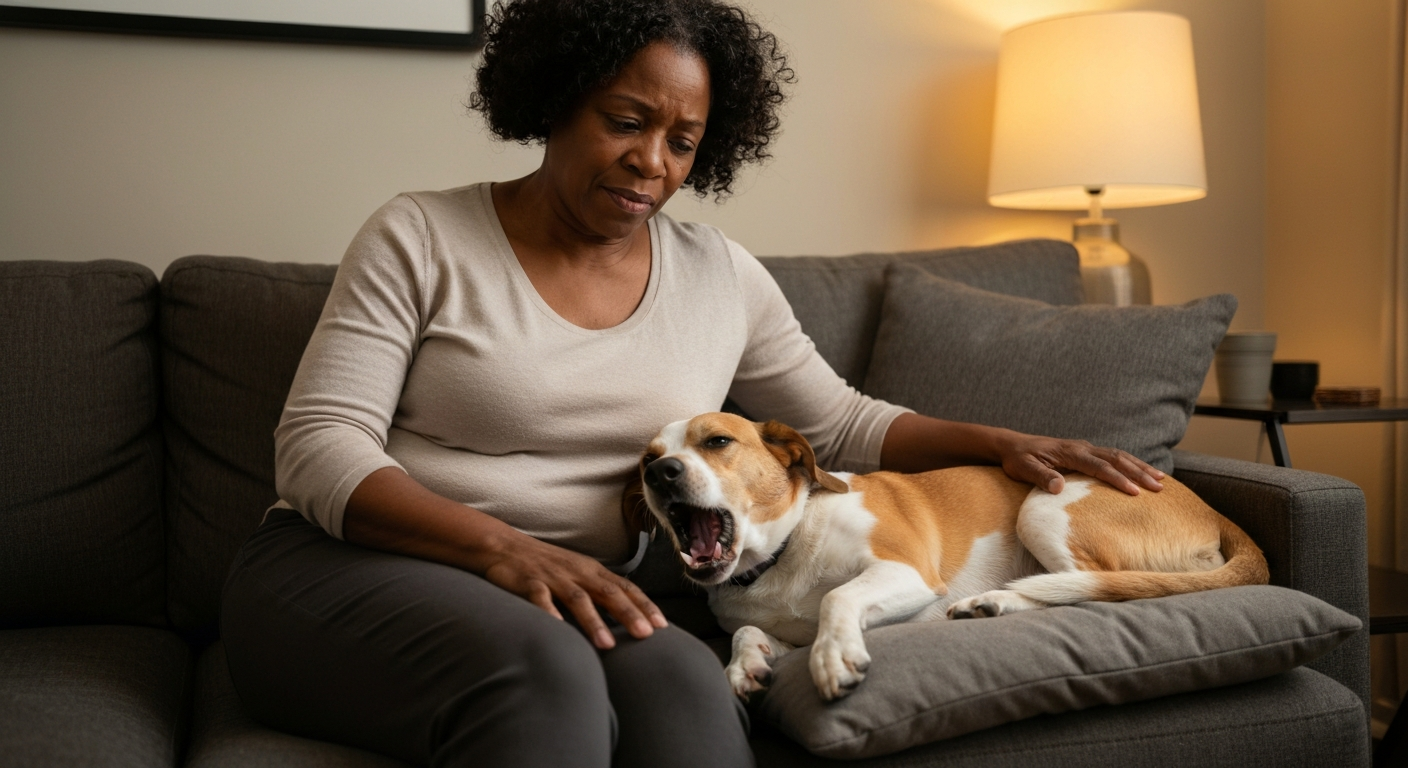

When a dog suddenly starts moaning, groaning, or making low vocal sounds they've never made before, it typically signals either physical discomfort (pain, digestive upset, or difficulty breathing) or an emotional state (anxiety, seeking attention, or contentment)—the key is looking at the context and accompanying symptoms to tell the difference.
A sudden change in your dog's vocalizations is their way of communicating that something has shifted, whether in their body or their environment. Dogs can't tell us when they hurt or feel anxious, so moaning and groaning often serve as their primary alert system. In most cases, occasional groaning—especially when settling down to rest—is perfectly normal. But when the sounds are new, persistent, or paired with other symptoms like drooling, restlessness, or changes in posture, it's time to investigate further.
| ✓Our Pick |
$3,000 emergency vet fund with 24/7 online vet access Trusted by professionals and everyday users alike — a smart investment that pays for itself. Learn More → |
Your dog's sudden vocalizations usually fall into one of several categories: pain, gastrointestinal distress, respiratory issues, emotional needs, or age-related conditions.
Understanding which category applies to your dog requires paying attention to when the sounds happen, what position your dog is in, and what other behaviors accompany the moaning.
Pain is the most common medical cause of sudden moaning in dogs. Unlike humans, dogs often try to hide discomfort until it becomes difficult to ignore. When pain finally breaks through their stoicism, vocalizations like moaning, groaning, or whimpering emerge.
Joint pain from arthritis affects roughly 20% of dogs over one year old and up to 80% of senior dogs, according to veterinary research. Dogs with joint pain typically moan when:
Abdominal pain produces a different pattern. Dogs experiencing stomach or intestinal discomfort often assume a "prayer position" (front legs down, rear end elevated) and may moan continuously rather than just during movement. This posture helps relieve pressure on a painful abdomen.
"Vocalization is often the first sign owners notice when a dog is experiencing internal pain—moaning or groaning that seems to come from nowhere can indicate conditions ranging from gastric upset to more serious organ involvement." — Dr. Jerry Klein, DVM at American Kennel Club
Yes—when moaning appears alongside sudden excessive drooling, it often points to nausea, oral pain, or potential toxin exposure, and this combination warrants closer attention.
Dogs drool for many reasons, but sudden, heavy drooling paired with vocalizations creates a more specific symptom picture:
| Symptom Combination | Likely Cause | Urgency Level |
|---|---|---|
| Moaning + drooling + lip licking | Nausea or stomach upset | Monitor closely |
| Moaning + drooling + pawing at mouth | Oral pain, foreign object, or dental issue | Same-day vet visit |
| Moaning + excessive drooling + restlessness | Toxin ingestion or bloat | Emergency |
| Moaning + drooling + swollen face | Allergic reaction | Emergency |
Bloat (gastric dilatation-volvulus) is particularly dangerous and can kill a dog within hours. Deep-chested breeds like Great Danes, German Shepherds, and Standard Poodles face higher risk. Signs include a distended abdomen, unproductive retching, drooling, and obvious distress with moaning or crying.
Also Read: Why Is My Dog's Snout Swollen? 8 Causes & What to Do
Groaning when lying down is often benign—a contented sigh as your dog settles in—but it can also indicate joint stiffness, breathing difficulties, or the early stages of conditions like heart disease.
The key distinction lies in the quality and duration of the sound:
Senior dogs commonly groan when reclining simply because their joints are stiffer. Think of it like the sounds an older person might make getting out of a chair—it doesn't necessarily indicate severe pain, just acknowledgment of effort.
However, dogs with respiratory or cardiac issues may groan when lying down because the position puts pressure on their lungs or makes breathing harder. If your dog:
These signs alongside groaning while lying down suggest a cardiac or respiratory evaluation is needed.
"Dogs with early congestive heart failure often show subtle signs like increased respiratory effort when recumbent, soft vocalizations, and restlessness at night before more obvious symptoms develop." — Dr. Lisa Freeman, DVM, PhD, DACVIM at Tufts University Cummings School of Veterinary Medicine
Not all sudden moaning indicates physical problems—dogs also vocalize to communicate emotional states like anxiety, boredom, or a desire for attention.
Dogs are remarkably good at training their owners. If your dog moaned once when uncomfortable and you immediately gave them attention, food, or comfort, they learned that moaning produces results.
Attention-seeking moaning has distinct characteristics:
This isn't manipulation in a malicious sense—it's simply learned communication. The solution involves providing adequate attention, exercise, and mental stimulation, then avoiding rewarding demand vocalizations with immediate attention.
Anxiety can trigger sudden moaning, especially if something in your dog's environment recently changed. Common anxiety triggers include:
Anxious dogs typically show other signs alongside moaning: panting, pacing, trembling, hiding, or destructive behavior. The moaning often sounds more whine-like and may include other vocalizations.
Also Read: Why Is My Dog Stretching So Much? 7 Causes & Warning Signs
Senior dogs frequently develop new vocalizations, including moaning and groaning, due to cognitive changes, increased pain sensitivity, and chronic conditions that accumulate with age.
Canine cognitive dysfunction (CCD)—similar to dementia in humans—affects many dogs over age 11. Symptoms include:
A 2026 veterinary neurology review noted that nighttime vocalization is one of the most commonly reported early signs of CCD. Dogs may moan or cry during the night without apparent cause, seemingly unaware they're making sounds.
Senior dogs also accumulate chronic conditions—arthritis, organ dysfunction, dental disease—that cause low-level discomfort and lead to more frequent moaning.
| ✓Our Pick | ||
Premium science-backed dog food and supplements This is what many people find solves the problem quickly, without a costly professional visit.
|
Certain combinations of symptoms alongside moaning require immediate veterinary care—don't wait for a regular appointment if you observe these warning signs.
| 🐾Find a Vet |
Find a specialist vet near you VetClinic.info is a free directory of board-certified specialist vets across the US — find an orthopedic surgeon, oncologist, neurologist, or emergency clinic near you in seconds. Find Near You → |
Seek emergency care if moaning accompanies:
Dogs are stoic by nature. If they're vocalizing pain loudly and consistently, the discomfort level is likely significant.
Before calling your vet, gather information that will help them advise you:
Record a video of the behavior if possible. Vets find audio-visual evidence extremely helpful since dogs often behave differently in the clinic.
Also Read: Why Is My Dog Falling Over? 9 Causes & What to Do Now
Your veterinarian will likely perform:
Treatment depends entirely on the underlying cause. Joint pain might warrant anti-inflammatory medications or joint supplements. Anxiety may call for behavioral modification and possibly medication. Gastrointestinal issues need targeted therapy.
Sudden moaning in dogs serves as their primary communication tool for discomfort, whether physical or emotional. Most cases stem from either pain (joints, abdomen, organs), digestive upset, anxiety, attention-seeking, or age-related changes. When moaning appears alongside alarming symptoms like bloating, excessive drooling, breathing difficulty, or collapse, seek emergency care immediately. For persistent but less urgent moaning, document the pattern and consult your vet—early intervention often prevents minor issues from becoming major problems.
Sudden drooling typically indicates nausea, oral pain, overheating, or excitement. If your dog is also moaning, the combination suggests they may have eaten something that upset their stomach, have a dental problem causing mouth pain, or potentially ingested something toxic. Check their mouth for foreign objects, swelling, or broken teeth. Heavy drooling with a distended abdomen and restlessness is a bloat emergency requiring immediate veterinary care.
Groaning on exhalation can indicate respiratory issues, especially if it happens consistently rather than just when settling down. Conditions like laryngeal paralysis (common in older large-breed dogs), tracheal collapse, or heart disease can cause audible breathing sounds. If the groaning accompanies labored breathing, coughing, or reduced exercise tolerance, schedule a veterinary appointment promptly.
Yes, dogs commonly vocalize during sleep, including moaning, whimpering, growling, and even barking. This usually occurs during REM sleep when dogs dream. Sleep vocalizations paired with twitching legs and movement are completely normal. However, if your dog moans loudly enough to wake themselves, seems distressed upon waking, or the nighttime vocalization is new behavior in a senior dog, mention it to your vet.
Context provides the clearest answer. Contentment moaning happens once as your dog settles into a comfortable spot, often accompanied by a relaxed posture and soft eyes. Pain moaning tends to be repeated, may occur with position changes or when certain areas are touched, and often accompanies tension in the body—ears back, tail down, reluctance to move. A dog moaning from pain typically won't look relaxed even when lying still.
Puppies often vocalize more than adult dogs as they learn to communicate and navigate their world. Moaning during play, when seeking attention, or when settling for a nap is typically normal puppy behavior. However, a puppy moaning alongside lethargy, loss of appetite, vomiting, diarrhea, or signs of pain should be examined by a vet promptly—young dogs can deteriorate quickly when ill.
Reviewed and Updated on June 16, 2026 by George Wright