Technology
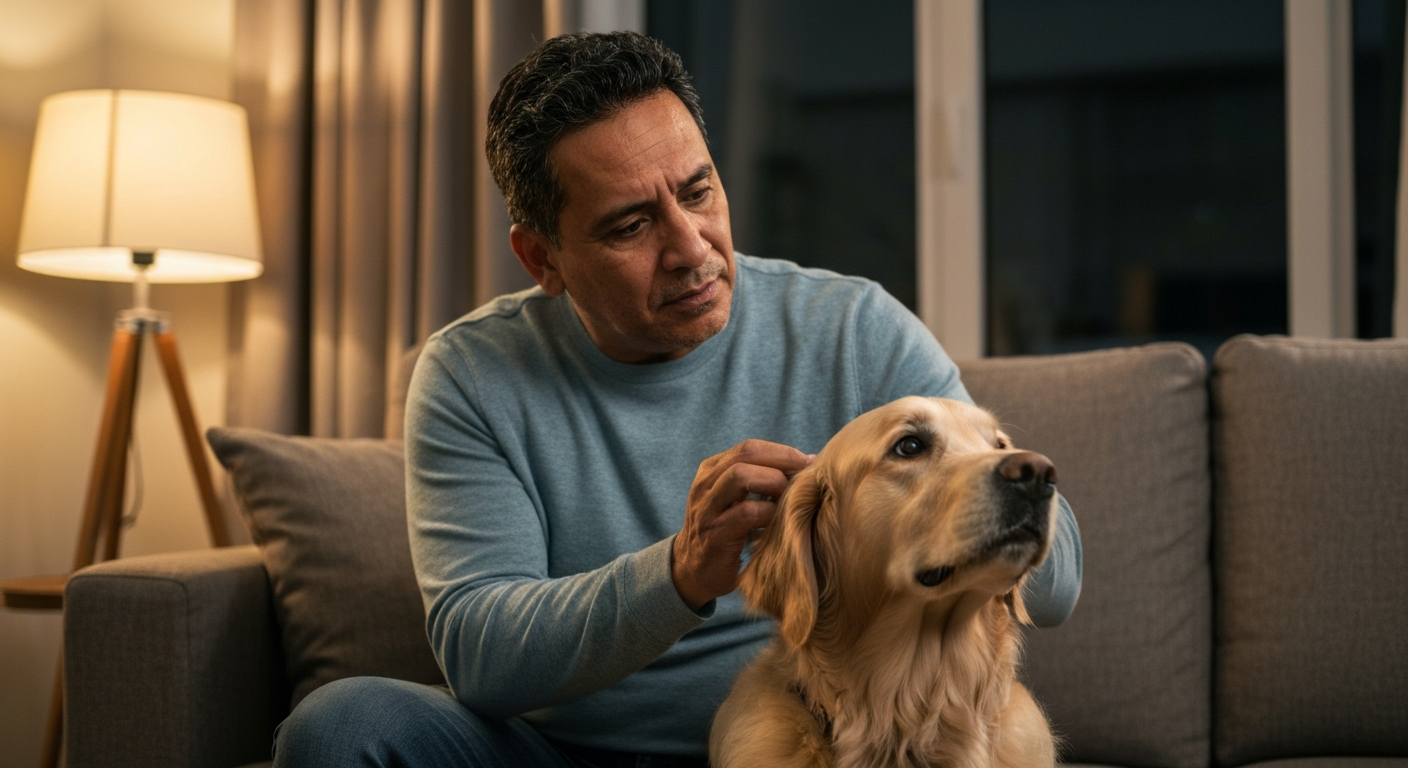

Your dog is whimpering because they're trying to communicate something — pain, anxiety, a need for attention, excitement, or discomfort are the most common reasons. Dogs whine and whimper as their primary vocal method for expressing emotions and physical states to their human companions. The key to stopping the whimpering is identifying which of these root causes applies to your dog's specific situation.
| ✓Our Pick |
Top-Rated Calming Treats and Anxiety Aids for Dogs on Amazon Highly rated by thousands of buyers — this is one of the most effective solutions for this issue you can try at home. See on Amazon → |
Dogs lack the ability to speak, so whimpering, whining, barking, and body language are their tools for expressing needs and emotions — learning to read these signals helps you respond appropriately.
Whimpering is a high-pitched, soft vocalization that puppies use from birth to communicate with their mothers. Adult dogs retain this behavior because it works — owners respond. Unlike barking, which often signals alertness or territorial behavior, whimpering is almost always a request or expression of an internal state.
The pitch, duration, and context of your dog's whimper tells you a lot. A short, high whimper during play means excitement. A prolonged, low whimper while lying down could indicate pain. Repetitive whining at the door signals a bathroom need or desire to go outside.
"Whining is one of the few vocalizations that dogs develop primarily for communication with humans rather than with other dogs." — Dr. Stanley Coren, Canine Researcher at Psychology Today
Also Read: Why Is My Dog Crying? 9 Causes & What to Do
| ✓Our Pick |
Petcube Emergency Fund — 24/7 vet access + $3,000 emergency coverage for your pet Trusted by professionals and everyday users alike — a smart investment that pays for itself. Learn More → |
Understanding the specific cause of your dog's whimpering requires looking at the full picture — when it happens, what accompanies it, and how long it lasts.
Pain is the most serious reason for whimpering and requires immediate attention if accompanied by other symptoms like limping, appetite loss, or lethargy.
Dogs instinctively hide pain as a survival mechanism inherited from their wolf ancestors. When a dog whimpers due to pain, the discomfort has often progressed beyond mild. Watch for these accompanying signs:
| Pain Indicator | What It Looks Like |
|---|---|
| Postural changes | Hunched back, reluctance to sit or lie down |
| Appetite changes | Refusing food or eating significantly less |
| Movement changes | Limping, stiffness, reluctance to jump or climb |
| Behavioral shifts | Increased aggression, withdrawal, excessive licking of one area |
| Vocalization patterns | Whimpering when touched, when moving, or when resting |
If your dog whimpers when you touch a specific area, when they try to stand up, or consistently during certain movements, a veterinary exam is warranted within 24–48 hours.
Anxiety-driven whimpering typically occurs during specific triggers — thunderstorms, fireworks, separation from owners, or encounters with unfamiliar people or animals.
Anxious whimpering is often accompanied by panting, pacing, trembling, or attempts to hide. Separation anxiety specifically manifests as whimpering that starts when you prepare to leave (grabbing keys, putting on shoes) and continues after departure.
In 2026, veterinary behaviorists report that post-pandemic separation anxiety remains elevated in dogs who became accustomed to constant owner presence during lockdown years. If your dog only whimpers when you leave or prepare to leave, separation anxiety is likely.
"Dogs experiencing separation anxiety often begin vocalizing within minutes of their owner's departure and may continue for hours, sometimes accompanied by destructive behavior." — ASPCA Animal Behavior Team
| ✓Our Pick |
Highly Rated Dog Anxiety Vests and Thunder Shirts on Amazon Save yourself the frustration — a proven solution with consistently positive feedback from real buyers. See on Amazon → |
Excited whimpering is harmless and usually obvious — your dog whines when you grab the leash, when guests arrive, or when anticipating food or play.
This type of whimpering is high-pitched and accompanied by positive body language: wagging tail, "airplane ears" (flattened back), jumping, and a generally wiggly demeanor. Dogs who whimper from excitement often grow out of it as they mature, though some breeds (Huskies, Beagles, and other vocal breeds) remain talkative throughout life.
If excited whimpering bothers you, avoid reinforcing it. Wait for your dog to calm down before opening the door, giving treats, or starting the activity they're anticipating.
Attention-seeking whimpers are learned behaviors — if whimpering has previously resulted in petting, food, or interaction, your dog will repeat it.
This is pure operant conditioning. Your dog whimpers, you respond, the behavior is reinforced. Attention-seeking whimpers tend to occur when your dog is physically fine but wants something from you: a treat, to go outside, to be petted, or simply to be acknowledged.
The key distinguisher is timing and context. If your dog whimpers only when you're occupied (on your phone, watching TV, talking to someone else) and stops the moment you engage with them, attention-seeking is the likely cause.
Basic physical needs — needing to urinate, being hungry, or feeling too hot or cold — all trigger whimpering as a request for help.
Dogs who are well house-trained often whimper at the door when they need to go out. Senior dogs with reduced bladder control may whimper more frequently for bathroom access. If your dog whimpers near the food bowl around feeding time, they're hungry. If they whimper while panting heavily in summer, they're overheated.
These are the simplest whimpers to address. Check the last time your dog ate, went outside, or had water. Often the solution is obvious.
Senior dogs (typically over 10 years) may develop canine cognitive dysfunction (CCD), a condition similar to dementia in humans, which causes confusion and nighttime vocalization.
A dog with CCD may whimper at night, stare at walls, get "stuck" in corners, or seem disoriented in familiar environments. Nighttime whimpering in senior dogs is particularly common because their sleep-wake cycles become disrupted.
If your older dog has started whining at night in 2026 when they never did before, and there's no obvious physical cause, cognitive dysfunction should be discussed with your veterinarian.
Chronic conditions like arthritis, ear infections, dental disease, and gastrointestinal issues all cause intermittent whimpering that may not present with obvious symptoms.
Ear infections are especially common and underdiagnosed. A dog with an ear infection may whimper when lying down (pressure on the affected ear) or shake their head frequently. Dental pain causes whimpering during eating or when yawning. Arthritis causes whimpering when rising from rest, especially in cold weather or after extended inactivity.
Also Read: Why Is My Dog Itching So Much
Understimulated dogs whine out of boredom — this is especially common in high-energy breeds (Border Collies, Australian Shepherds, Jack Russell Terriers) who need substantial daily mental and physical exercise.
Boredom whimpering often occurs alongside other symptoms: destructive chewing, pacing, or digging. If your dog gets a long walk or vigorous play session and the whimpering stops, boredom was likely the cause.
| ✓Our Pick |
 Nextrition Pet — Premium Science-Backed Dog & Cat Food High-quality nutrition to support digestion, coat health, and energy. 🏷New customers: SUN26_20 (20% off) — Returning customers: SUN26_15 (15% off) — expires June 30 Learn More → |
Nighttime whining has specific causes: needing to go outside, discomfort from sleeping position or temperature, anxiety when the house quiets, or age-related cognitive changes.
When your dog whines specifically at night, the darkness and quiet amplify their vocalizations and make them harder to ignore. Common nighttime triggers include:
If nighttime whining is a new behavior, track when it happens. A dog who whimpers at 3 AM consistently may need a later evening bathroom break. A dog who whimpers immediately after you go to bed may need their sleeping area moved closer to yours.
| ✓Our Pick |
Orthopedic Dog Beds for Senior Dogs on Amazon Backed by strong customer feedback — the most recommended solution in forums and Q&A communities. See on Amazon → |
Your response should match the cause — ignoring attention-seeking whines while immediately addressing pain or physical needs.
| Cause | Appropriate Response |
|---|---|
| Pain or illness | Veterinary visit within 24–48 hours |
| Anxiety | Counterconditioning, calming aids, or behavioral consultation |
| Excitement | Wait for calm before engaging; redirect with commands |
| Attention-seeking | Ignore until quiet, then reward quiet behavior |
| Physical needs | Address the need (bathroom, food, water, temperature) |
| Boredom | Increase exercise and mental stimulation |
| Cognitive dysfunction | Veterinary consultation for management options |
The worst thing you can do is inconsistently respond. If you sometimes give attention when your dog whimpers and sometimes ignore it, you create a variable reinforcement schedule — the hardest pattern to break.
Seek veterinary care if whimpering is accompanied by physical symptoms, if it started suddenly, or if it's increasing in frequency or intensity.
| 🐾Find a Vet |
Find a specialist vet near you VetClinic.info is a free directory of board-certified specialist vets across the US — find an orthopedic surgeon, oncologist, neurologist, or emergency clinic near you in seconds. Find Near You → |
Signs that warrant a vet visit include:
Your veterinarian can rule out pain, infection, or disease. If the physical exam is normal, they may refer you to a veterinary behaviorist for anxiety or behavioral causes.
Dogs whimper to communicate pain, anxiety, excitement, physical needs, attention-seeking, or boredom — and the right response depends entirely on which cause applies. Watch for accompanying body language and symptoms to identify the trigger. Pain and illness require veterinary attention, while attention-seeking whimpers should be ignored until your dog is quiet. Nighttime whining often points to bathroom needs, discomfort, or cognitive changes in older dogs. Consistent, appropriate responses will reduce unnecessary whimpering over time while ensuring your dog's genuine needs are always met.
Dogs rarely whine for no reason — the cause just isn't always obvious to humans. Subtle discomfort, mild anxiety, or environmental stimuli you can't perceive (like high-frequency sounds) often trigger whining that seems inexplicable. If your dog whines and you can't identify a cause, track when it happens and what's going on in the environment. Patterns usually emerge.
It depends on the cause. Ignore attention-seeking whimpers, but never ignore whimpers that might indicate pain, fear, or physical needs. If you're unsure, do a quick assessment: check for bathroom needs, food, water, and temperature comfort. Rule out pain by gently touching major body areas. If everything seems fine and your dog calms the moment you engage, it's likely attention-seeking.
Sudden nighttime whining in a dog who previously slept quietly suggests something changed — a new discomfort, a new sound they're hearing, a change in routine, or in senior dogs, the onset of cognitive dysfunction. Medical causes like urinary tract infections (which increase bathroom urgency) should also be considered. A veterinary check is worthwhile if the behavior persists more than a few nights.
Pain-related whimpering typically accompanies other symptoms: changes in posture, reluctance to move, limping, appetite loss, or sensitivity when touched. A dog who whimpers only when they stand up, only when lying on one side, or only when a specific body part is touched is likely experiencing localized pain. Whole-body pain from illness may cause constant low-grade whimpering regardless of position.
No — comforting a fearful dog does not "reinforce" fear. Fear is an emotional state, not an operant behavior. Providing calm, reassuring presence during thunderstorms, fireworks, or other scary events helps your dog feel safer. What you want to avoid is panicked or overly dramatic comforting, which can signal to your dog that there really is something to be afraid of. Calm and matter-of-fact works best.
Reviewed and Updated on June 3, 2026 by George Wright