
Health
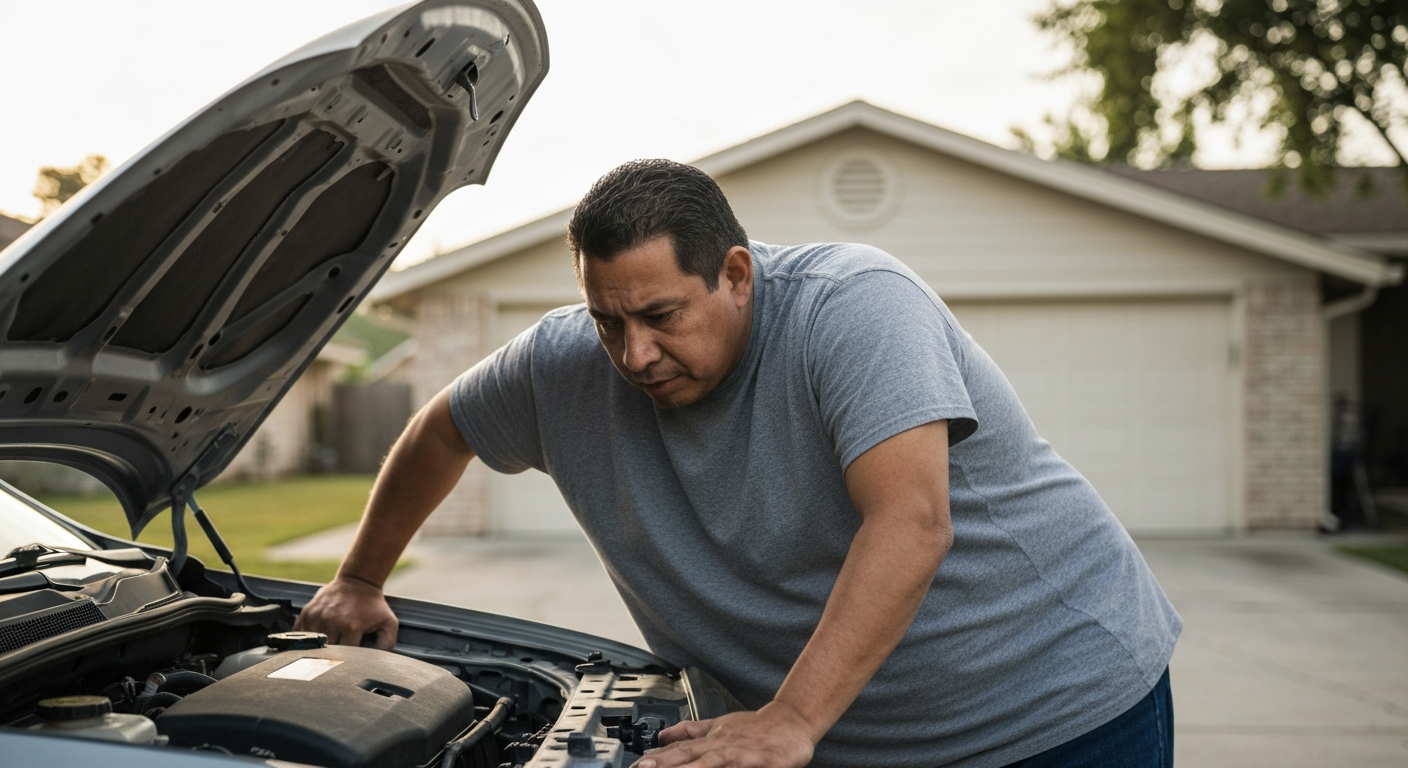

Your motor is ticking because of normal valve train operation, low oil level, worn lifters, exhaust manifold leaks, or fuel injector noise — most causes are minor, but some signal urgent engine problems that need immediate attention.
A ticking sound from your engine can range from completely harmless to a warning sign of serious internal damage. The key is identifying whether the noise changes with engine speed, when it started, and whether it gets louder over time. Cold-start ticking that disappears after a few minutes is usually normal, while persistent ticking that increases with RPM often points to low oil pressure or worn components that need professional diagnosis.
The most common causes of motor ticking fall into two categories: normal operating sounds and mechanical problems that need repair.
Understanding which category your ticking falls into helps you decide whether to monitor it or head straight to a mechanic. Let's break down each cause from most common to least.
Your engine's valve train — the system of lifters, pushrods, rocker arms, and valves that controls airflow into the cylinders — produces a light tapping sound during normal operation. This is especially noticeable on older vehicles or engines with solid lifters that require periodic adjustment.
Modern engines use hydraulic lifters that self-adjust using oil pressure. When these lifters wear out or don't receive adequate oil, they create a rhythmic ticking that speeds up with engine RPM. The sound typically comes from the top of the engine, near the valve cover.
Low engine oil is one of the most common — and most dangerous — causes of engine ticking. When oil level drops below the minimum mark, hydraulic lifters can't maintain proper pressure, causing them to "bleed down" and create a tapping noise.
Check your dipstick immediately if you hear new ticking sounds. Oil should reach between the minimum and maximum marks. Running an engine with insufficient oil causes accelerated wear and can lead to catastrophic failure within minutes in severe cases.
Direct-injection engines (common in vehicles manufactured after 2010) produce a distinctive ticking sound from their high-pressure fuel injectors. This noise is sharper and faster than valve train ticking and is completely normal.
The sound comes from the injector pintle rapidly opening and closing — sometimes thousands of times per minute. You'll notice it most clearly at idle and during cold starts. If you recently bought a newer vehicle and hear ticking you didn't expect, fuel injector noise is likely the cause.
A cracked exhaust manifold or failed manifold gasket creates a ticking or tapping sound that's loudest when the engine is cold. The noise often diminishes or disappears as the engine warms up because the metal expands and temporarily seals the leak.
Exhaust leaks sound distinctly different from internal engine ticking — they have a more "puffing" quality and may be accompanied by a slight exhaust smell in the engine bay. The sound typically comes from the side of the engine near the exhaust manifold.
Loose or worn spark plugs can allow combustion gases to escape past the threads, creating a ticking sound. This is relatively rare but worth checking if you haven't replaced spark plugs according to your maintenance schedule.
A spark plug that's not fully seated or has damaged threads lets small amounts of exhaust gas escape with each combustion cycle. The fix is straightforward: remove, inspect, and properly reinstall or replace the spark plugs.
These two conditions represent the more serious end of engine ticking causes. Piston slap occurs when worn pistons rock slightly in their cylinders, creating a hollow ticking or knocking sound most noticeable when the engine is cold. It often quiets down as the engine warms and metal expands.
Rod knock is more serious — it indicates worn connecting rod bearings and produces a deeper, more pronounced knocking that gets louder under load. Rod knock typically worsens over time and requires major engine work to repair.
"A rhythmic ticking that increases with engine speed often indicates a problem with the valve train or oil delivery system. Any knocking sound that gets louder under acceleration should be inspected immediately." — CarTalk automotive diagnostic guide
Cold temperatures thicken engine oil, reducing its ability to flow quickly to valve train components during startup. This causes temporary ticking that usually disappears within 30-60 seconds as oil warms up and circulates properly.
If cold-start ticking persists longer than a minute or two, consider switching to a lower-viscosity oil recommended for your climate. Check your owner's manual for cold-weather oil specifications.
A stretched timing chain or worn chain tensioner can create a rattling or ticking sound from the front of the engine. This noise is often more pronounced at idle and may be accompanied by a check engine light if timing has shifted enough to affect combustion.
Timing belt issues typically produce different sounds — squealing or squeaking rather than ticking — unless the belt's tensioner pulley bearing is failing.
Pinpointing the source of engine ticking requires a systematic approach using simple tools and careful observation.
Start by identifying basic characteristics of the sound:
| Characteristic | What to observe |
|---|---|
| Location | Top of engine (valve train), side (exhaust), front (timing), bottom (rod knock) |
| Timing | Does it speed up with RPM or stay constant? |
| Temperature | Does it change when engine warms up? |
| Volume | Getting louder over days/weeks, or staying the same? |
| Recent changes | New oil, different fuel, skipped maintenance? |
A mechanic's stethoscope (or a long screwdriver with your ear pressed to the handle) helps isolate sounds. Place the tip against different engine components — valve cover, exhaust manifold, front timing cover — to determine where the noise is loudest.
Also Read: Why Is My Steering Wheel Crooked? 6 Causes & Fixes
Not all engine ticking requires repair — understanding normal operating sounds saves unnecessary trips to the mechanic.
Normal ticking that doesn't require action:
- Fuel injector clicking on direct-injection engines
- Brief cold-start ticking that stops within 60 seconds
- Light valve train noise that doesn't change over time
- Slight ticking during hot weather due to heat expansion
Ticking that needs immediate attention:
- New ticking accompanied by low oil pressure warning light
- Ticking that gets progressively louder over days or weeks
- Knocking sounds that increase under acceleration
- Ticking with visible smoke, burning smell, or performance loss
"The general rule with engine noises is this: if it's new, investigate it. Engines don't suddenly develop harmless sounds. Something changed, and that change has a cause." — Popular Mechanics automotive maintenance guide
Many ticking issues can be resolved with basic maintenance, while others require professional repair.
Pull the dipstick, wipe it clean, reinsert it fully, then check the level. If oil is low, add the correct weight in small amounts (usually half a quart at a time) until the level reaches the proper range. Never overfill — too much oil causes its own problems.
Thicker oil (like 10W-40) may quiet a ticking engine, but only use what your manufacturer recommends. Using oil that's too thick reduces fuel economy and can cause cold-start wear. Modern engines often require 0W-20 or 5W-30 — check your owner's manual.
Hydraulic lifter additives can help quiet ticking from sticky or worn lifters. These products contain detergents that clean varnish deposits and friction modifiers that help lifters maintain pressure. They work best for mild lifter noise — severe wear still requires mechanical repair.
A leaking exhaust manifold gasket can sometimes be repaired by retorquing the manifold bolts to specification. If the manifold itself is cracked, replacement is necessary. This job ranges from moderate to difficult depending on your vehicle's engine layout.
If you suspect spark plug issues, remove them one at a time and inspect for damage, carbon buildup, or improper gap. Replace with the correct plugs for your engine and torque to specification. Cross-threading or over-tightening causes leaks that create ticking.
| ✓Our Pick |
Search engine parts and replacement components One of the highest-rated products in its category — a reliable fix used by thousands of people. Learn More → |
Engine ticking ranges from completely normal (fuel injector noise, brief cold-start sounds) to signals of serious problems (low oil, worn bearings, exhaust leaks). Check your oil level first — it's the most common culprit and easiest fix. Ticking that speeds up with RPM, gets louder over time, or comes with warning lights needs professional diagnosis before it becomes expensive damage. When in doubt, a mechanic can use diagnostic tools to pinpoint the source and tell you whether you're dealing with a $20 oil top-off or a more significant repair.
Cold-start ticking is usually caused by thick oil that hasn't circulated to the valve train yet, or by normal fuel injector operation on direct-injection engines. If the ticking stops within 60 seconds of starting, it's typically harmless. Ticking that persists after warmup or gets louder over time indicates low oil, worn lifters, or other issues that need inspection.
You can usually drive with minor ticking sounds like fuel injector noise or slight valve train tapping, but you shouldn't ignore new or worsening ticks. Check your oil level immediately — if it's low, top it off before driving further. Never drive with the oil pressure warning light on, and avoid driving if ticking is accompanied by performance loss, smoke, or unusual smells.
Costs vary dramatically depending on the cause. An oil change or top-off costs $30-75. Exhaust manifold gasket replacement runs $150-400. Lifter replacement ranges from $300-1,000 depending on engine design. Rod knock or piston slap requiring engine rebuild can exceed $3,000. Getting a proper diagnosis before authorizing repairs prevents paying for the wrong fix.
Cold temperatures thicken engine oil, slowing its flow to hydraulic lifters and valve train components during startup. The lifters momentarily lack pressure and create ticking until oil warms up and flows properly. Using the manufacturer-recommended oil weight for your climate minimizes this. If cold-weather ticking lasts more than two minutes, the oil may be too thick or lifters may be worn.
Premium fuel won't fix mechanical ticking from low oil, worn lifters, or exhaust leaks. However, if your engine requires premium and you've been using regular, carbon deposits or pre-ignition (pinging that sounds like ticking) can occur. Use the octane rating specified in your owner's manual — no higher, no lower. Premium fuel in an engine designed for regular provides no benefit.
Reviewed and Updated on June 3, 2026 by George Wright