
Technology
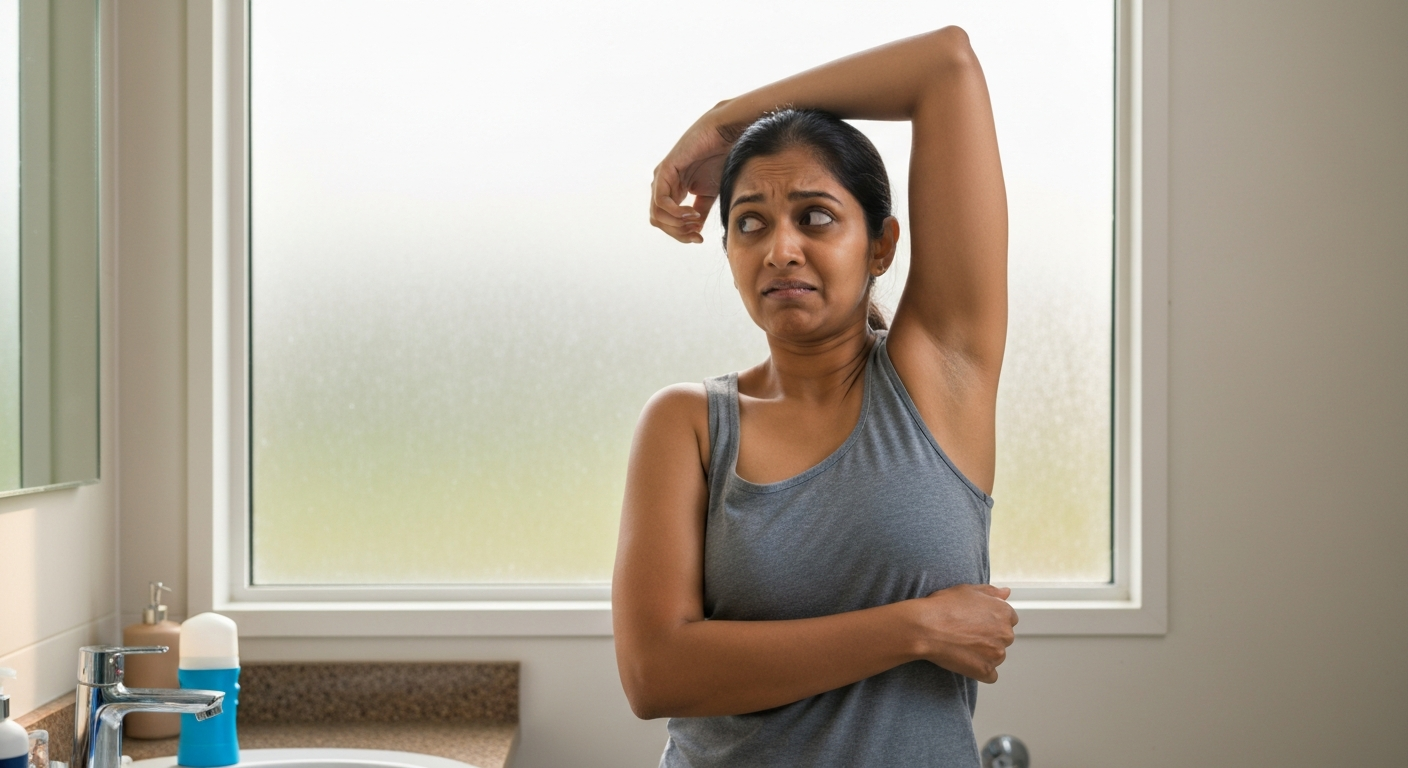

Your deodorant probably stopped working because your underarm bacteria have adapted to the formula, your body chemistry has changed, or product buildup is blocking the active ingredients from reaching your skin — and the fix is usually as simple as switching formulas, exfoliating, or addressing an underlying health shift.
If you've noticed your trusted deodorant suddenly leaving you less than fresh, you're not imagining things. This is a common phenomenon with a handful of science-backed explanations, and in most cases, it's entirely fixable without a trip to the dermatologist.
| ✓Our Pick |
Antibacterial body wash for odor control Consistently earns five-star reviews — reliable, well-supported, and genuinely effective. See on Amazon → |
Your underarm odor isn't caused by sweat itself — it's caused by bacteria on your skin breaking down sweat compounds, and when those bacteria adapt or multiply, your current deodorant formula may no longer be effective.
Sweat from your apocrine glands (concentrated in your armpits) contains proteins and lipids that feed the bacteria living on your skin. When bacteria like Corynebacterium and Staphylococcus metabolize these compounds, they produce the distinctive odor we associate with body odor. Your deodorant works by either killing these bacteria, masking the smell, or (in the case of antiperspirants) blocking sweat from reaching the surface.
The problem arises when any part of this system changes — your bacterial population shifts, your sweat composition changes, or the product can't penetrate buildup on your skin. Understanding which factor is at play helps you choose the right solution.
| ✓Quick Fix |
The Go-To Fix for This Right Now Most people dealing with this exact problem start here — quick, affordable, and easy to try today. See on Amazon → |
The bacteria in your armpits can develop tolerance to the antibacterial agents in your deodorant, making it progressively less effective over time.
This is the most common reason deodorant seems to "stop working" after months or years of faithful use. The bacterial colonies on your skin are living ecosystems that evolve and adapt. When you consistently expose them to the same antibacterial ingredients — like triclosan or alcohol — resistant strains can eventually dominate.
"The skin microbiome is highly adaptable. Continuous use of antimicrobial products can shift the composition of skin bacteria, potentially leading to reduced efficacy." — Dr. Chris Callewaert at University of California San Diego Center for Microbiome Innovation
The solution is straightforward: rotate your deodorant formulas every few months, switching between different active ingredients to prevent bacterial adaptation.
Layers of deodorant residue, dead skin cells, and sebum can form a waxy barrier that prevents active ingredients from contacting your skin.
If you apply deodorant daily without thoroughly exfoliating your underarms, you're likely dealing with product buildup. This is especially common with stick deodorants and antiperspirants containing aluminum compounds, which can leave chalky residue that accumulates over time.
You might notice:
- White or gray residue that doesn't wash off easily
- A slightly rough or bumpy texture in your armpit skin
- Deodorant that seems to sit on top of your skin rather than absorbing
Try a weekly underarm scrub with a gentle exfoliant, or use a clarifying wash specifically designed to remove antiperspirant buildup.
Hormonal changes from puberty, pregnancy, menopause, thyroid conditions, or even stress can dramatically alter your sweat composition and volume.
Your endocrine system directly influences how much you sweat and what compounds your sweat contains. Estrogen, testosterone, thyroid hormones, and cortisol all play roles in sweat gland activity. When these hormones fluctuate — whether from natural life stages, medical conditions, or medications — your body chemistry changes in ways your current deodorant wasn't designed to handle.
Common hormonal triggers include:
- Perimenopause and menopause (hot flashes increase sweating)
- Pregnancy and postpartum periods
- Starting or stopping hormonal birth control
- Thyroid disorders (hyperthyroidism increases sweating significantly)
- Chronic stress elevating cortisol levels
If you suspect hormones are the culprit, you may need a stronger clinical-strength antiperspirant or should discuss the change with your doctor.
Also Read: Why Is My Period Cycle Getting Longer? 7 Causes & Fixes
Deodorants only mask or neutralize odor, while antiperspirants actually reduce sweating — and many people are using the wrong product for their needs.
This distinction matters more than most people realize:
| Product Type | How It Works | Best For |
|---|---|---|
| Deodorant | Kills odor-causing bacteria or masks smell with fragrance | Light sweaters who mainly need odor control |
| Antiperspirant | Contains aluminum compounds that temporarily block sweat ducts | Moderate to heavy sweaters who need wetness protection |
| Combination | Does both — most commercial products fall here | General daily use |
| Clinical-strength antiperspirant | Higher concentration of aluminum (15-25%) | Excessive sweating (hyperhidrosis) |
If you've been using a deodorant-only product and your sweating has increased, you may simply need to switch to an antiperspirant. Conversely, if you've developed sensitivity to aluminum, a deodorant-only formula might work better for you.
Certain foods and beverages can alter the compounds in your sweat, making your natural odor stronger or different in ways your deodorant can't mask.
What you eat directly affects how you smell. Sulfur-containing foods like garlic, onions, and cruciferous vegetables (broccoli, cabbage, cauliflower) release odor compounds through your sweat. Spicy foods can increase overall sweating. Alcohol and caffeine both stimulate sweat production.
"Diet can significantly influence body odor. Foods high in sulfur compounds are metabolized and excreted through sweat, contributing to malodorous substances on the skin." — Cleveland Clinic Dermatology
If you've recently changed your eating habits — whether adding more aromatic foods or cutting carbs (ketosis produces a distinctive smell) — your deodorant may be fighting a losing battle against chemistry it wasn't designed for.
Deodorants and antiperspirants lose effectiveness over time, especially when exposed to heat or humidity that degrades active ingredients.
Most deodorants have a shelf life of 1-3 years, though this isn't always printed on the packaging. The active ingredients — particularly aluminum compounds in antiperspirants and fragrance oils in deodorants — break down with age and heat exposure.
Signs your product may be past its prime:
- Changed texture (grainy, separated, or overly soft)
- Weakened or altered scent
- Visible discoloration
- Product stored in a hot bathroom or car
If your deodorant has been sitting in a steamy bathroom for a year, it may simply be degraded. Try a fresh product before concluding your body is the problem.
Antiperspirants work best when applied to clean, dry skin at night — not in the morning after you shower.
This is counterintuitive, but dermatologists consistently recommend applying antiperspirant before bed. Here's why: antiperspirants need time for the aluminum salts to form a gel-like plug in your sweat ducts. When you apply in the morning — especially to skin that's still slightly damp from a shower — the product gets diluted and washed away before it can work.
At night, your sweat glands are less active, giving the antiperspirant time to penetrate and block the ducts effectively. The protection lasts through your morning shower and throughout the next day.
Transitioning to aluminum-free or natural deodorants often causes a temporary increase in body odor as your underarm bacteria rebalance.
If you recently made the switch to a "clean" or natural deodorant, what you're experiencing may be a detox phase rather than product failure. When you stop using antiperspirants, your sweat glands gradually return to normal function, and the bacterial ecosystem in your armpits shifts — sometimes dramatically.
This transition period typically lasts 2-4 weeks but can extend up to a month for some people. During this time, you may sweat more and smell stronger than usual. Many people give up on natural deodorants during this phase, not realizing it's temporary.
Also Read: Why Is My Skin So Dry Even When I Moisturize? 9 Causes & Fixes
Certain medical conditions — including hyperhidrosis, diabetes, kidney disease, and infections — can cause excessive sweating or unusual body odor that overpowers any deodorant.
When deodorant failure comes on suddenly and dramatically, or when it's accompanied by other symptoms, it's worth considering whether something medical might be at play.
Conditions that affect sweating and body odor include:
- Hyperhidrosis: Excessive sweating disorder affecting 2-3% of Americans
- Diabetes: Can cause a sweet or fruity body odor
- Kidney or liver disease: May produce an ammonia-like smell
- Bacterial or fungal skin infections: Overgrowth causes strong odors
- Trimethylaminuria: Rare genetic condition causing a fishy odor
If you're also experiencing unexplained weight changes, fatigue, increased thirst, or other new symptoms, see your doctor to rule out underlying causes.
The most effective fix depends on the cause, but most people see improvement within 1-2 weeks by rotating products, exfoliating, and optimizing application timing.
Here's a practical action plan:
Also Read: Why Are My Pores So Big? 7 Causes & How to Minimize Them
Consult a healthcare provider if your body odor changes dramatically, doesn't respond to any deodorant, or comes with other symptoms like excessive sweating, weight changes, or fatigue.
Most deodorant failures are easily fixed with the strategies above. However, some situations warrant medical evaluation:
Your doctor can test for underlying conditions and may prescribe prescription-strength antiperspirants, Botox injections for excessive sweating, or other targeted treatments.
Your deodorant likely stopped working due to bacterial adaptation, product buildup, hormonal changes, or using the wrong product for your sweat level. The fix usually involves rotating formulas, exfoliating your underarms, applying antiperspirant at night, and addressing any dietary or lifestyle factors affecting your body chemistry. If these strategies don't help within a few weeks, or if the odor change is sudden and severe, see a doctor to rule out underlying health conditions.
Your underarm bacteria have likely adapted to the antibacterial agents in your formula over time, or your body chemistry has shifted due to hormonal changes, stress, or diet. The bacterial microbiome in your armpits is constantly evolving, and strains resistant to your deodorant's ingredients can eventually become dominant. Switching to a completely different formula with different active ingredients usually solves this problem within a week or two.
Yes, in a sense — though it's not your body building tolerance, it's the bacteria on your skin adapting to the product. When you use the same deodorant for months or years, the bacterial populations in your armpits can shift toward strains that aren't affected by that formula's antibacterial ingredients. Rotating between different deodorant brands and formulas every few months helps prevent this adaptation.
Aging itself doesn't make deodorant less effective, but the hormonal changes associated with aging can affect how much you sweat and your body odor composition. Menopause, andropause, and thyroid changes common in middle age all influence sweat gland activity. If your deodorant stopped working as you entered your 40s or 50s, hormonal shifts are a likely culprit, and you may need to switch to a stronger clinical-strength product.
If you switch to a new formula after exfoliating buildup from your underarms, you should notice improvement within 2-7 days. If you're transitioning from antiperspirant to natural deodorant, the adjustment period can last 2-4 weeks while your microbiome rebalances. Applying antiperspirant at night rather than in the morning often produces noticeable improvement immediately.
It's not harmful, but it can be a useful signal to pay attention to. In most cases, it simply means it's time to switch products or address buildup. However, a sudden dramatic change in body odor — especially one that produces an unusual smell like ammonia, sweetness, or fruitiness — can sometimes indicate an underlying health condition worth discussing with your doctor.
Reviewed and Updated on June 20, 2026 by George Wright