
Health
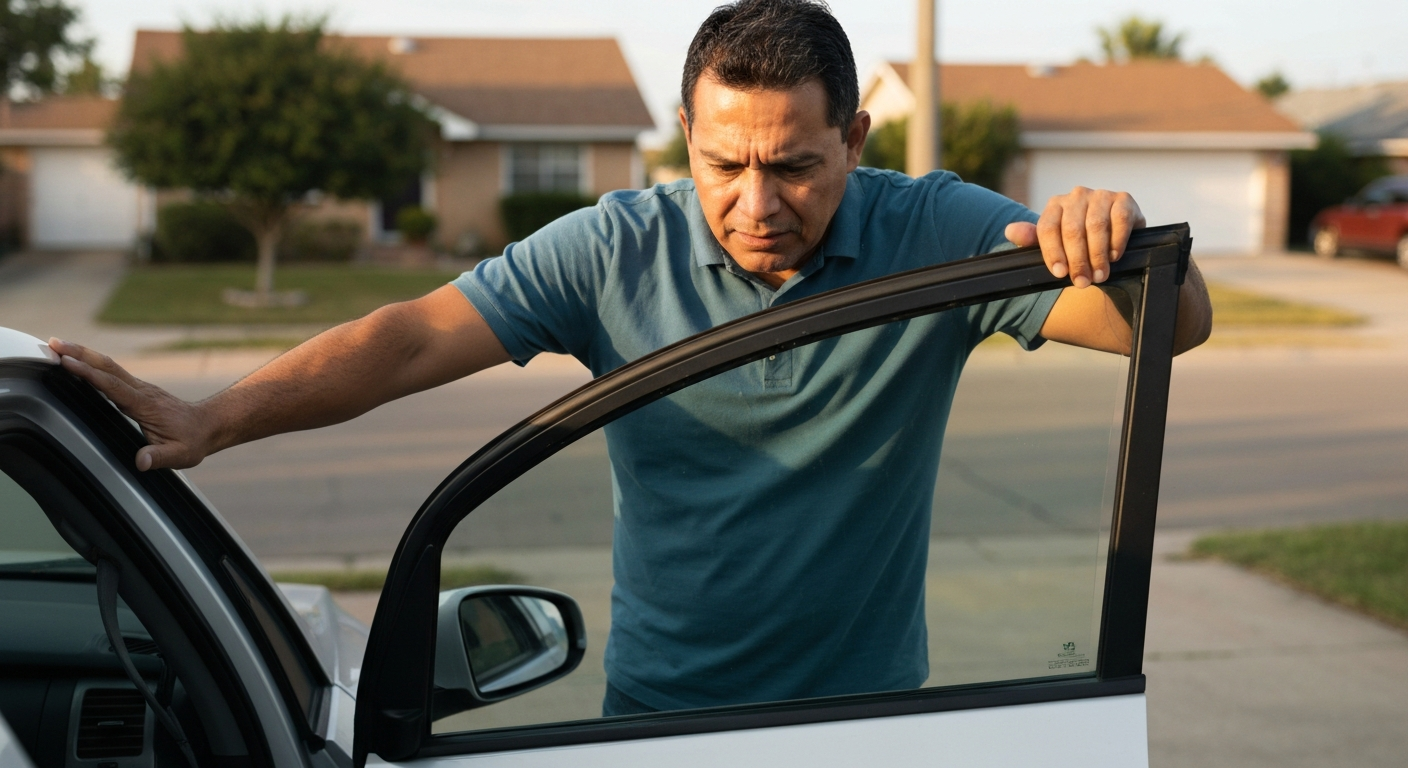

Your car window isn't rolling up because of a failed window motor, a blown fuse, a faulty switch, or a broken regulator — these four causes account for over 90% of stuck windows in 2026 vehicles.
When you press the button and nothing happens (or you hear a click but no movement), the electrical or mechanical system that powers your window has failed somewhere along the chain. The good news: most fixes are straightforward once you identify whether the problem is electrical, mechanical, or both.
The reason your window is stuck usually comes down to one of six components failing — and a quick diagnosis can save you hundreds in repair costs.
Modern power windows rely on a surprisingly simple system: electricity flows from your battery through a fuse, into a switch, down to a motor, which then drives a mechanical regulator that physically moves the glass. When any link in this chain breaks, your window stays down.
A blown fuse is the easiest and cheapest fix for a window that won't roll up. Fuses protect your car's electrical circuits from overload, and when one blows, everything it powers stops working.
Check your owner's manual for the fuse box location (usually under the dashboard or in the engine bay). Look for the fuse labeled "Power Windows" — it's typically a 20-30 amp fuse. Pull it out and inspect it. If the metal strip inside is broken or blackened, you've found your culprit. Replacement fuses cost under $5 at any auto parts store.
If only one window is stuck while the others work fine, a blown fuse is less likely but still possible in vehicles with individual window fuses.
The window motor is the component that physically moves your glass up and down. When it fails, you might hear a clicking or grinding sound when you press the switch, but the window won't budge.
"Window motors typically last 10-15 years, but extreme temperature cycling and frequent use can significantly reduce their lifespan." — John Nielsen at AAA Automotive Research
To test for a failed motor, press the window switch while someone listens at the door panel. If you hear nothing at all, the problem might be electrical (switch, wiring, or fuse). If you hear clicking or humming but no movement, the motor itself has likely burned out.
Window switches endure thousands of presses over their lifetime, and the internal contacts eventually wear out. A faulty switch might work intermittently, only work when pressed at a certain angle, or stop working entirely.
Here's a diagnostic trick: try operating the stuck window from the master switch on the driver's door, then try it from the individual door switch. If it works from one location but not the other, you've isolated the bad switch. If neither works, the problem is likely downstream (motor or regulator).
The regulator is the mechanical assembly — cables, tracks, or scissor arms — that physically guides the glass up and down. When a regulator fails, you might hear the motor running but see no window movement. The glass might also tilt at an angle instead of moving straight up.
| Regulator Type | Common Failure | Symptoms |
|---|---|---|
| Cable-style | Frayed or snapped cables | Motor runs, glass doesn't move |
| Scissor-style | Worn pivot points | Glass moves slowly, makes grinding noise |
| Single-rail | Track comes off guides | Glass tilts or jams partway |
Cable-style regulators (found in most vehicles since the early 2000s) are particularly prone to cable snap, especially in older vehicles or those frequently exposed to temperature extremes.
In winter, moisture can freeze between the window glass and the rubber weather stripping, physically bonding the window to the door frame. When you try to roll it up (or down), the frozen seal holds it in place — and forcing it can damage the motor or regulator.
If your window stopped working on a cold morning, try warming the car for 15-20 minutes with the heat on high. You can also gently warm the door frame (not the glass) with a hairdryer. Never pour hot water on frozen windows — the thermal shock can crack the glass.
The wiring that connects your switch to your motor runs through the door jamb — the flexible rubber boot between the door and the body of the car. Every time you open and close your door, these wires flex. Over years of use, they can fatigue and break.
This is especially common in vehicles with over 100,000 miles. You might notice intermittent operation that correlates with door position, or the window might stop working after the door is slammed. A visual inspection of the wiring inside the door jamb boot can reveal obvious breaks or fraying.
Also Read: Why Is My Suspension Squeaking? 6 Causes & How to Fix It
Start with the simplest checks first — fuse, switch, then motor — before moving to more complex diagnostics.
A systematic approach will save you time and money. Here's the diagnostic order most mechanics follow:
Check all windows. If none work, the master fuse or main relay is likely blown. If only one window is stuck, the problem is isolated to that door.
Listen for the motor. When you press the switch, put your ear against the door panel. A humming or clicking sound means the motor is getting power but can't move the glass (mechanical failure). Silence means no power is reaching the motor (electrical failure).
Swap relays. Many vehicles use identical relays for multiple functions. Find your window relay, swap it with another identical relay (like the horn relay), and try again.
Test the switch with a multimeter. If you have a multimeter, you can check whether voltage is passing through the switch when pressed. No voltage out means a bad switch.
Inspect the regulator. This requires removing the door panel, but if you've ruled out electrical causes, a visual inspection of the regulator will usually reveal obvious damage like snapped cables or broken plastic guides.
If you need to close your window tonight and can't get it repaired until later, there are emergency workarounds.
When a window motor has failed but the regulator is intact, you can sometimes manually push the glass up while someone holds the window switch. This works because the motor resistance is gone, and you're just moving the glass through the tracks.
Here's how:
1. Open the door and grip the top edge of the glass firmly with both hands
2. Have someone inside hold the window switch in the "up" position
3. Push the glass straight up with steady pressure
4. Once up, jam a wooden shim or wedge between the glass and the inner door panel to hold it in place
This is a temporary fix only — the window can slip back down, and you should get a proper repair within a few days. Never drive with an unsecured window on the highway.
For weatherstripping freeze, the fix is simpler: gently work a plastic scraper (never metal) around the edge of the glass to break the ice bond, then roll the window up slowly.
Repair costs range from $5 for a fuse to $400+ for a complete regulator and motor replacement.
| Component | Parts Cost | Labor Cost | Total |
|---|---|---|---|
| Fuse | $2-5 | $0 (DIY) | $2-5 |
| Switch | $25-75 | $50-100 | $75-175 |
| Motor only | $50-120 | $100-200 | $150-320 |
| Regulator only | $40-150 | $100-200 | $140-350 |
| Motor + Regulator | $80-200 | $150-250 | $230-450 |
Labor costs vary significantly by location and vehicle model. German luxury vehicles and SUVs with complex door panels typically cost more to repair than domestic sedans.
If you're handy with tools, replacing a window motor or regulator is a moderate DIY job. You'll need to remove the door panel, disconnect the motor, unbolt the regulator, and reverse the process with new parts. Budget 2-3 hours for your first attempt.
If you're comfortable removing a door panel and have basic tools, a motor or regulator replacement is a feasible weekend project — but electrical diagnosis is often faster with professional equipment.
DIY makes sense when:
- You've diagnosed the problem as a blown fuse (10-minute fix)
- You're certain the motor or regulator has failed
- You can find a quality replacement part with good reviews
- Your vehicle has accessible door panel clips (many YouTube tutorials exist for specific models)
See a mechanic when:
- Multiple windows are affected (suggests a deeper electrical issue)
- You hear nothing when pressing the switch (requires electrical diagnosis)
- The window is stuck partway and might fall into the door
- Your vehicle is under warranty
| ✓Our Pick |
OBD diagnostic tools, dashcams, and backup cameras for your vehicle One of the highest-rated products in its category — a reliable fix used by thousands of people. Learn More → |
Your car window isn't rolling up because of a failed motor, blown fuse, bad switch, or broken regulator. Start by checking the fuse (the easiest fix), then listen for the motor when you press the switch. Silence means an electrical problem; humming or clicking means a mechanical one. Most repairs cost between $150 and $400 at a shop, but fuses are a $5 DIY fix and motor/regulator replacements are doable at home with basic tools. If you need the window up tonight, you can often push it up manually and wedge it in place as a temporary solution.
If you hear the motor running but the window doesn't move, the regulator has almost certainly failed. The motor is doing its job — spinning — but the cables or scissor arms that translate that rotation into window movement are broken. This is a mechanical failure that requires replacing the regulator, which costs $140-350 at a shop. On some vehicles, the motor and regulator are sold as a single unit.
Yes, in most cases. If the motor has failed but the regulator tracks are intact, you can grip the top of the glass and push it up while someone holds the switch in the "up" position. Once up, wedge it in place with a wooden shim between the glass and inner door panel. This is a temporary fix — get a proper repair within a few days to avoid the glass slipping down while driving.
When a single window fails while others work normally, the problem is isolated to that specific door — either the door switch, motor, regulator, or wiring within that door. Check if the window works from the master switch on the driver's door. If it works from there but not from the door's own switch, the individual switch is faulty. If neither works, the motor or regulator has failed.
Window motors typically last 10-15 years or 150,000+ miles under normal use. However, frequent use (especially with automatic up/down features), extreme temperature swings, and moisture exposure can shorten this lifespan significantly. Vehicles kept in hot climates where windows are used constantly often see motor failures sooner than those in moderate climates.
Standard auto insurance policies do not cover mechanical failures like a dead window motor or broken regulator — these are considered maintenance issues. However, if your window was broken due to a covered event (vandalism, collision, or severe weather damage), comprehensive insurance may cover the repair minus your deductible. Check your policy or call your insurer to confirm coverage for your specific situation.
Reviewed and Updated on May 30, 2026 by George Wright