Relationships
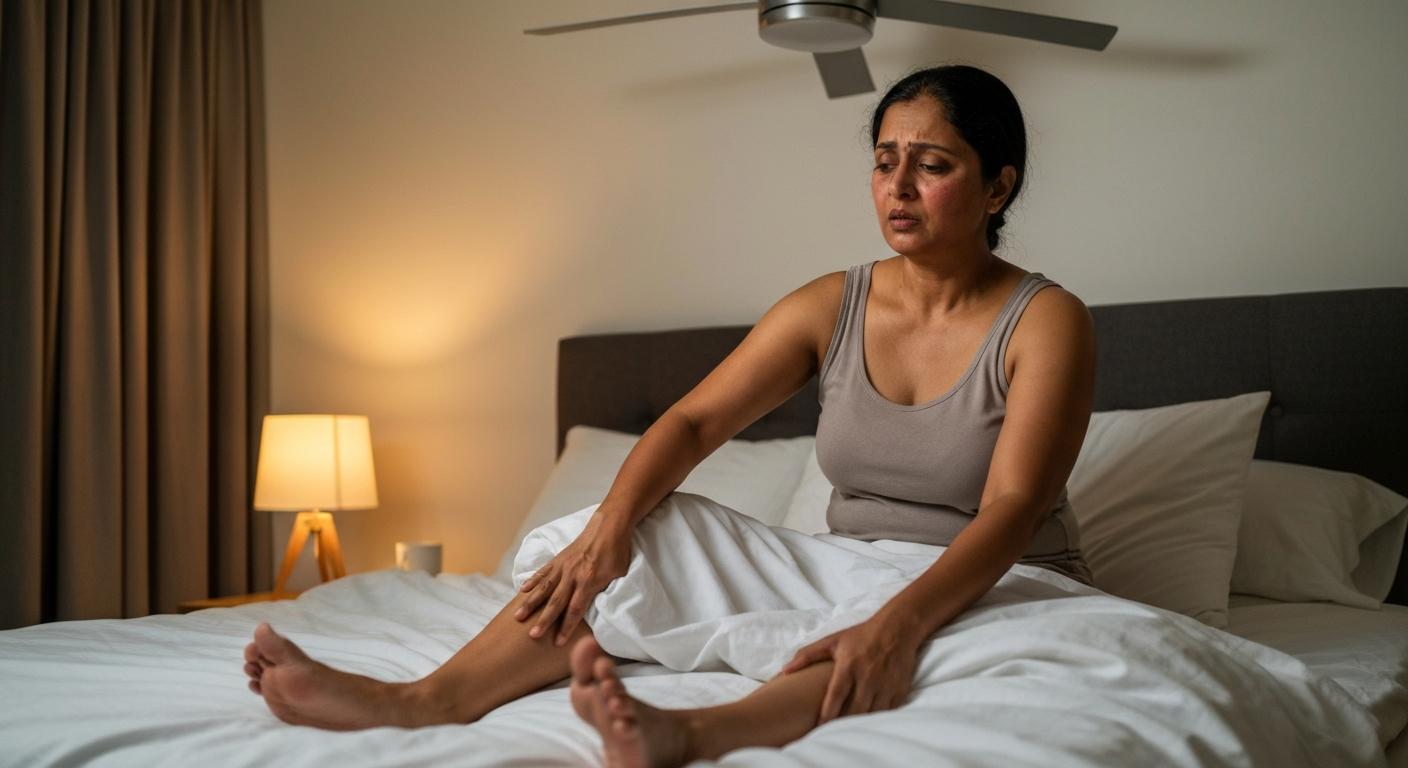

If your body runs hot at night, the most common culprits are your sleep environment (room temperature, bedding, or mattress trapping heat), hormonal shifts (especially during perimenopause, menstruation, or thyroid imbalances), or your body's natural circadian temperature drop being disrupted by stress, alcohol, or certain medications.
Waking up drenched in sweat or kicking off covers at 3 a.m. is more than just uncomfortable—it fragments your sleep cycles and leaves you exhausted. The good news: most causes of nighttime overheating are identifiable and fixable without a doctor's visit. Below, you'll find the science behind why your body feels so hot at night (or all the time), plus practical solutions that actually work.
Your core temperature naturally drops 1–2°F during sleep to promote deep rest, but when something interferes with this process—whether environmental, hormonal, or behavioral—you feel overheated instead of comfortably cool.
Your body's thermoregulation system works around the clock. In the evening, your hypothalamus (the brain's temperature control center) signals blood vessels near your skin to dilate, releasing heat and lowering your core temperature. This drop triggers melatonin release and helps you fall asleep.
When this cooling mechanism fails or gets overwhelmed, you experience that "why is my body so hot" sensation that makes restful sleep nearly impossible.
"The body's core temperature follows a circadian rhythm, typically reaching its lowest point about two hours before waking. Disruptions to this rhythm can significantly impair sleep quality." — Dr. Matthew Walker at Sleep Foundation
Also Read: Why Is My Room So Stuffy? 6 Causes & Easy Fixes
The National Sleep Foundation recommends keeping your bedroom between 60–67°F (15–19°C) for optimal sleep. Most people set their thermostat too high, especially in winter, creating a mismatch between room temperature and their body's cooling needs.
Memory foam mattresses compound this problem. They conform to your body but trap heat against your skin, sometimes raising the sleep surface temperature by 10°F or more compared to innerspring mattresses.
Hormonal fluctuations are among the most common reasons your body feels hot all the time, particularly at night:
| Hormonal Cause | Who It Affects | Typical Pattern |
|---|---|---|
| Perimenopause/Menopause | Women 40–55+ | Hot flashes, night sweats lasting 1–5 minutes |
| Menstrual cycle | Women of reproductive age | Temperature rises 0.5–1°F after ovulation |
| Thyroid overactivity (hyperthyroidism) | All genders | Constant heat intolerance, rapid heartbeat |
| Low testosterone | Men 40+ | Night sweats, fatigue, mood changes |
| Pregnancy | Pregnant women | Elevated baseline temperature throughout |
Estrogen helps regulate your hypothalamus. When estrogen levels drop during perimenopause, the hypothalamus becomes more sensitive to slight temperature changes, triggering inappropriate heat-release responses (hot flashes and night sweats).
Several common medications interfere with thermoregulation:
If you started a new medication within weeks of noticing nighttime overheating, this connection is worth discussing with your prescriber.
Alcohol is a vasodilator—it widens blood vessels near your skin, making you feel warm and flushed. While this might help you fall asleep initially, as your liver metabolizes the alcohol (typically 3–5 hours after drinking), your body experiences a rebound effect that disrupts temperature regulation and fragments sleep.
Spicy foods containing capsaicin trigger a similar response. Eating them within 3 hours of bedtime can raise your core temperature right when your body needs to cool down.
Chronic stress keeps your sympathetic nervous system activated, which raises your baseline body temperature and makes nighttime cooling less efficient.
When you're anxious, your body releases cortisol and adrenaline—hormones designed to prepare you for action. These hormones increase metabolic rate and body temperature. If you're stressed throughout the day, those elevated hormone levels don't always drop sufficiently by bedtime.
"Stress-induced hyperthermia is a well-documented phenomenon where psychological stress causes measurable increases in body temperature, independent of infection or inflammation." — National Institutes of Health
Also Read: Why Is My HRV Low? 9 Causes & How to Raise It
Some people simply have faster metabolisms, generating more heat as a byproduct of normal cellular function. This is more common in:
If your body has always run hot—not just recently—a naturally elevated metabolic rate may be your baseline normal.
While most nighttime overheating has benign causes, certain medical conditions warrant attention:
Synthetic sheets, polyester comforters, and non-breathable mattress protectors create a microclimate that prevents heat from escaping your body. Natural fibers like cotton, linen, and bamboo wick moisture away from skin and allow airflow.
Your sleepwear matters too. Tight-fitting synthetic pajamas trap heat against your skin, while loose cotton or moisture-wicking fabrics help regulate temperature.
The most effective approach combines environmental adjustments with behavioral changes—addressing both where you sleep and how your body prepares for rest.
Seek medical evaluation if your night sweats are severe enough to soak through sheets, occur alongside unexplained weight loss, or are accompanied by fever, pain, or other concerning symptoms.
Schedule an appointment if you experience:
Your doctor may order thyroid function tests, blood glucose tests, or hormone panels to identify underlying causes. For perimenopausal women, hormone therapy may provide significant relief when other methods fail.
| ✓Our Pick |
Continuous sleep, HRV, and temperature tracking with Ultrahuman Ring AIR You'll wonder why you didn't try this sooner — practical, well-reviewed, and easy to get started. Learn More → |
Your body feels hot at night most commonly because of a too-warm bedroom, heat-trapping mattress or bedding, hormonal changes (perimenopause, thyroid issues, or menstrual cycle), or lifestyle factors like evening alcohol, late meals, or chronic stress. Start by dropping your room temperature to 65°F, switching to breathable cotton bedding, and avoiding alcohol and heavy food within 3–4 hours of sleep. If night sweats are severe, frequent, or accompanied by other symptoms like weight loss or fever, see your doctor to rule out thyroid dysfunction, infection, or other medical causes.
You may feel hot without sweating if your body's cooling system is working overtime but keeping up. This often happens when ambient temperature is only slightly elevated, or when dehydration reduces your sweat volume. It can also occur with certain medications that suppress sweating (anticholinergics) or conditions affecting sweat glands. If you feel overheated without visible perspiration, focus on environmental cooling and hydration.
A consistently elevated body temperature regardless of environment often points to metabolic or hormonal causes. Hyperthyroidism is a common culprit—your thyroid produces excess hormones that speed up metabolism and heat production. High muscle mass, chronic stress, or certain medications can also keep your internal thermostat running high. If this is new for you, a thyroid panel blood test is a reasonable first step.
Yes. Chronic anxiety activates your fight-or-flight response, releasing stress hormones that increase heart rate, blood flow to muscles, and metabolic heat production. This can create a persistent warm sensation, especially in your chest, face, and hands. The heat is real and measurable—not imagined. Managing anxiety through therapy, exercise, or medication often reduces these physical symptoms.
Waking up hot around 3–4 a.m. often coincides with your body's natural cortisol rise (which begins before dawn to prepare you for waking) and the tail end of alcohol metabolism if you drank that evening. For perimenopausal women, this timing also aligns with typical hot flash patterns. If you're consistently waking at this hour, track alcohol intake and stress levels to identify patterns.
Sleeping without clothes can help regulate temperature, but it's not universally better than breathable sleepwear. Nude sleeping allows maximum heat release from your skin, but moisture-wicking pajamas can actually help by pulling sweat away from your body and allowing it to evaporate more efficiently. Experiment with both approaches—the best choice depends on your bedding, room humidity, and personal comfort.
Reviewed and Updated on June 12, 2026 by George Wright