
DIY
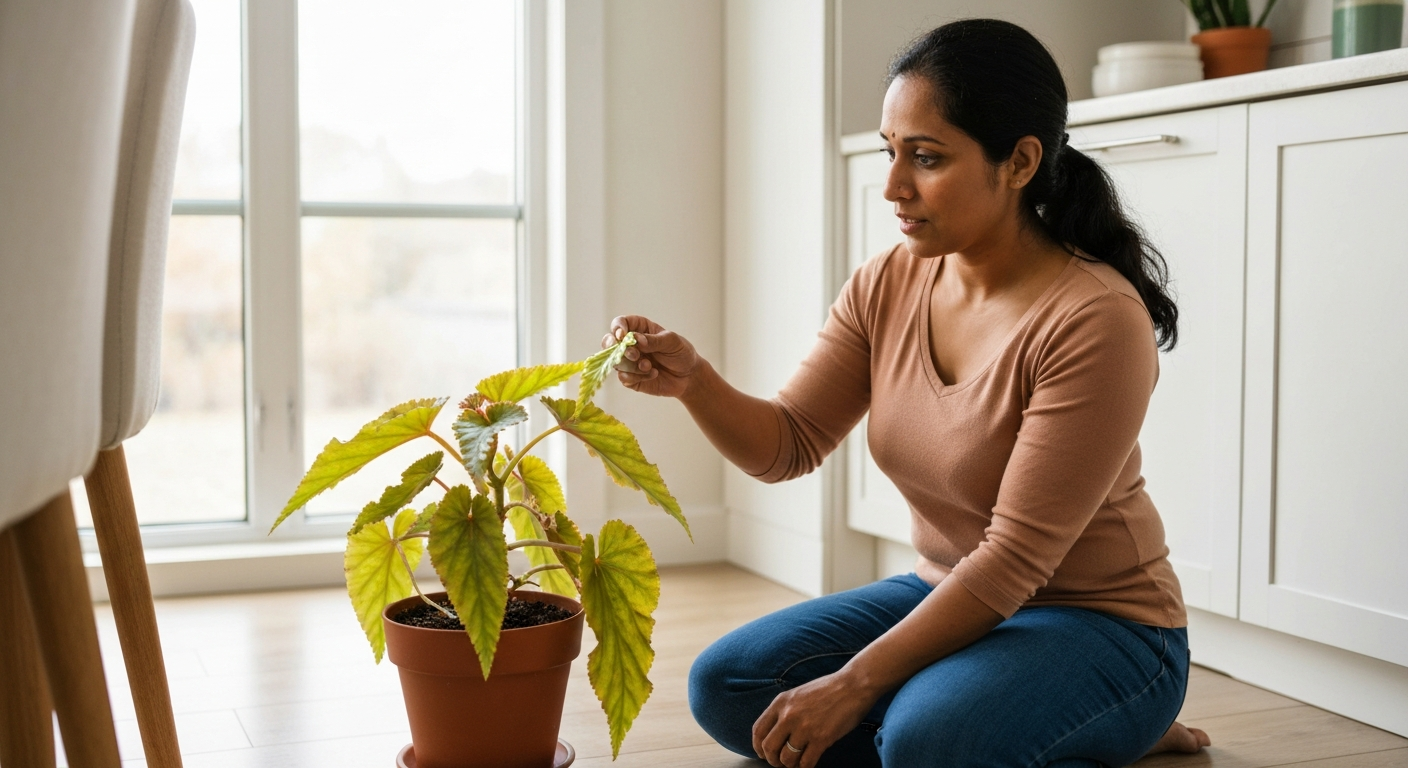

Your begonia is most likely dying because of overwatering, which causes root rot and makes the leaves turn yellow, mushy, or drop off—but underwatering, low humidity, poor light, temperature stress, pests, or disease can also be responsible, and identifying the exact cause is the first step to saving your plant.
Begonias are popular houseplants and garden favorites for their stunning foliage and vibrant blooms, but they can be surprisingly finicky when their growing conditions shift even slightly. The good news is that most dying begonias can be revived once you pinpoint what's going wrong. Below, you'll find the most common reasons begonias decline, how to diagnose each issue, and exactly what to do to bring your plant back to health in 2026.
| ✓Our Pick |
Begonia care essentials — pots, soil, and moisture meters Simple to use and genuinely effective — for many people this is all they ever needed. See on Amazon → |
The seven most common causes of begonia death are overwatering, underwatering, low humidity, incorrect lighting, temperature extremes, pest infestations, and fungal or bacterial diseases—with overwatering being the number one killer by far.
Understanding which category your begonia's symptoms fall into helps you act fast. Here's a quick diagnostic overview:
| Symptom | Likely Cause | Urgency |
|---|---|---|
| Yellow, mushy leaves; soft stems | Overwatering / root rot | High |
| Crispy, brown leaf edges; wilting | Underwatering / low humidity | Medium |
| Leggy growth; pale leaves; no blooms | Insufficient light | Low-Medium |
| Sudden leaf drop; black spots | Cold damage / drafts | High |
| Sticky residue; tiny insects; webbing | Pests (mealybugs, spider mites) | Medium-High |
| White powder; brown mushy patches | Fungal or bacterial disease | High |
| Overall slow decline; stunted growth | Root bound / nutrient deficiency | Low |
Let's break down each cause and what you can do about it.
Overwatering is the single most common reason begonias die, because their roots are highly susceptible to rot when they sit in soggy soil for extended periods.
Begonias prefer consistently moist soil, but "moist" doesn't mean "wet." When the soil stays waterlogged, oxygen can't reach the roots. The roots begin to rot, turning brown or black and mushy. Once root rot sets in, the plant can no longer absorb water or nutrients, so leaves turn yellow, become soft, and eventually drop.
Signs your begonia is overwatered:
- Leaves are yellow and feel soft or mushy
- Stems are turning black at the base
- Soil smells sour or musty
- The pot feels heavy even days after watering
- Fungus gnats are hovering around the soil surface
Stop watering immediately. Remove the plant from its pot and inspect the roots. Healthy begonia roots are white or light tan and firm. If you see brown, black, or mushy roots, trim them away with clean scissors. Let the root ball air-dry for a few hours, then repot in fresh, well-draining potting mix. A mix designed for African violets or one containing perlite and peat works well for begonias.
Going forward, water only when the top inch of soil feels dry to the touch. Stick your finger into the soil—if it's damp, wait another day or two.
"Overwatering is the most common cause of death in container-grown begonias. The roots need oxygen as much as they need water, and saturated soil suffocates them." — Linda Chalker-Scott, Ph.D., Extension Horticulturist at Washington State University
Yes—while less common than overwatering, severe underwatering causes begonia leaves to become crispy, brown at the edges, and eventually fall off as the plant struggles to conserve moisture.
Begonias originate from tropical and subtropical regions where humidity is high and rainfall is regular. When deprived of water for too long, they can't maintain turgor pressure in their cells, so leaves wilt, curl, and develop dry, papery edges.
Signs your begonia is underwatered:
- Leaves are wilting even though soil is dry
- Leaf edges are brown and crispy (not mushy)
- The pot feels extremely light
- Soil has pulled away from the edges of the pot
- Lower leaves are dropping first
Water the plant thoroughly until water drains from the bottom of the pot. If the soil has become hydrophobic (repelling water), you may need to bottom-water by setting the pot in a tray of water for 20–30 minutes so the soil can absorb moisture from below. After rehydrating, establish a more consistent watering schedule.
Also Read: Why Is My Lip So Dry? 9 Causes & How to Fix It
Begonias thrive in humidity levels between 50% and 70%, and dry indoor air—especially during winter when heating systems run constantly—can cause leaf edges to brown and crisp even when watering is adequate.
Low humidity is particularly problematic for rex begonias and other foliage types prized for their ornate leaves. The thin leaf tissue loses moisture faster than the roots can replace it, leading to chronic stress.
Signs humidity is too low:
- Brown, crispy leaf edges but the rest of the leaf is healthy
- Leaves feel papery or thin
- New leaves emerge smaller than usual
- The plant looks stressed despite proper watering
Place your begonia on a pebble tray filled with water (ensuring the pot sits above the waterline, not in it). Group it with other humidity-loving plants. Run a humidifier nearby, especially in winter. Avoid misting begonia leaves directly—wet foliage encourages fungal disease.
Begonias need bright, indirect light to thrive; too little light causes leggy, pale growth with few flowers, while direct sunlight scorches their leaves.
Light issues are tricky because symptoms develop slowly. A begonia in a dim corner will survive for months, gradually stretching toward the light source and producing fewer leaves. Meanwhile, a begonia placed in a sunny south-facing window may develop bleached or burned patches on its leaves within days.
| Light Condition | Symptoms | Solution |
|---|---|---|
| Too little light | Leggy stems, pale leaves, no blooms, slow growth | Move to brighter location with filtered light |
| Too much direct sun | Brown or white scorched patches, crispy leaves, faded color | Move away from window or add sheer curtain |
| Ideal (bright indirect) | Compact growth, vibrant leaf color, regular blooming | Maintain current placement |
East-facing windows provide gentle morning light that most begonias love. If you only have a south or west-facing window, position the plant a few feet back or filter the light with a sheer curtain.
Begonias are sensitive to cold drafts and sudden temperature changes, and exposure to temperatures below 50°F (10°C) can cause leaf drop, blackened stems, or outright death.
Most begonias prefer temperatures between 65°F and 75°F (18–24°C). They can tolerate brief dips, but prolonged cold exposure or frosty drafts from windows, air conditioners, or exterior doors will damage them quickly.
Signs of temperature stress:
- Sudden leaf drop without other obvious causes
- Blackened or mushy leaf tips
- Stunted growth in winter
- Leaves curling inward
Keep your begonia away from cold drafts, heating vents, and air conditioning units. If your begonia lives outdoors in summer, bring it inside well before nighttime temperatures drop below 50°F in fall.
Pest infestations—especially from mealybugs, spider mites, thrips, and aphids—weaken begonias by sucking sap from leaves and stems, eventually causing yellowing, wilting, and death if left unchecked.
Begonias' tender foliage makes them attractive to several common houseplant pests. Early detection is critical because heavy infestations are harder to eradicate and cause more lasting damage.
Signs of pest problems:
- Sticky residue on leaves or nearby surfaces (honeydew from aphids or mealybugs)
- Fine webbing on undersides of leaves (spider mites)
- Tiny white cottony masses in leaf joints (mealybugs)
- Small moving specks on leaves (thrips, aphids, or mites)
- Distorted or stippled new growth
Isolate the affected plant immediately to prevent spread. Wipe down leaves with a damp cloth to remove visible pests. Spray with insecticidal soap or neem oil, covering both the tops and undersides of leaves. Repeat every 5–7 days for three weeks to catch pests at all life stages. For severe infestations, consider a systemic houseplant insecticide.
"Early intervention is key with houseplant pests. A few aphids are easy to manage, but a full infestation can overwhelm a plant before you realize there's a problem." — Clemson Cooperative Extension, Home & Garden Information Center
Fungal diseases like powdery mildew and bacterial infections like bacterial leaf spot can kill begonias if conditions favor disease spread—typically when humidity is high, air circulation is poor, and leaves stay wet.
Disease problems often go hand-in-hand with environmental stress. A begonia weakened by overwatering or crowded conditions is more vulnerable to opportunistic pathogens.
Common begonia diseases:
| Disease | Symptoms | Cause |
|---|---|---|
| Powdery mildew | White powdery coating on leaves | Fungal; poor air circulation, moderate humidity |
| Botrytis (gray mold) | Gray fuzzy mold on leaves, flowers, stems | Fungal; high humidity, wet foliage |
| Bacterial leaf spot | Brown water-soaked spots with yellow halos | Bacterial; wet leaves, contaminated tools |
| Stem rot | Blackened, mushy stems at soil line | Fungal; overwatering, poor drainage |
Remove and discard all affected leaves and stems—do not compost them. Improve air circulation around the plant. Avoid wetting leaves when watering. Apply a copper-based fungicide for fungal issues. For bacterial infections, there are no effective home treatments; focus on removing infected tissue and preventing spread by sterilizing tools with rubbing alcohol between cuts.
Use this step-by-step diagnostic process to identify why your begonia is struggling before you take action.
Your begonia is most likely dying from overwatering, which leads to root rot and rapidly declining health—but underwatering, low humidity, improper light, temperature stress, pests, or disease could also be responsible. Diagnose the specific issue by checking soil moisture, inspecting roots and leaves, and evaluating the plant's environment. Once you identify the cause, adjust your care routine: water only when the top inch of soil is dry, provide bright indirect light, maintain humidity between 50% and 70%, and protect the plant from cold drafts. With prompt action, most struggling begonias can recover within a few weeks.
Yellow begonia leaves typically indicate overwatering and root rot, though nutrient deficiencies, underwatering, or natural aging of lower leaves can also be causes. If the yellowing leaves feel soft or mushy, check for soggy soil and inspect the roots for rot. If they're dry and papery, the plant may need more consistent watering or higher humidity.
Sudden leaf drop usually signals environmental stress—most often a cold draft, temperature shock, or a recent move to a new location. Begonias don't adapt quickly to change. If you recently moved the plant, gave it a drastic temperature change, or placed it near an air vent, this is likely the cause. Keep conditions stable and the plant should recover.
Yes, but act quickly. Remove the plant from its pot, trim away all brown or mushy roots with sterile scissors, and repot in fresh, well-draining soil. Reduce watering frequency going forward. If more than half the root system is gone, the plant's chances are lower, but many begonias can regenerate from minimal healthy roots.
Begonias that won't flower are usually not getting enough light. Move the plant to a brighter location with indirect sunlight. Also ensure it's getting a balanced fertilizer during the growing season (spring and summer). Some begonia types, like rex begonias, are grown primarily for foliage and may rarely bloom indoors.
There's no universal schedule—it depends on pot size, humidity, temperature, and season. The best rule is to water when the top inch of soil feels dry to the touch. In summer, this might be every 4–5 days. In winter, once a week or less. Always check the soil rather than watering on autopilot.
Reviewed and Updated on May 30, 2026 by George Wright