
Cooking
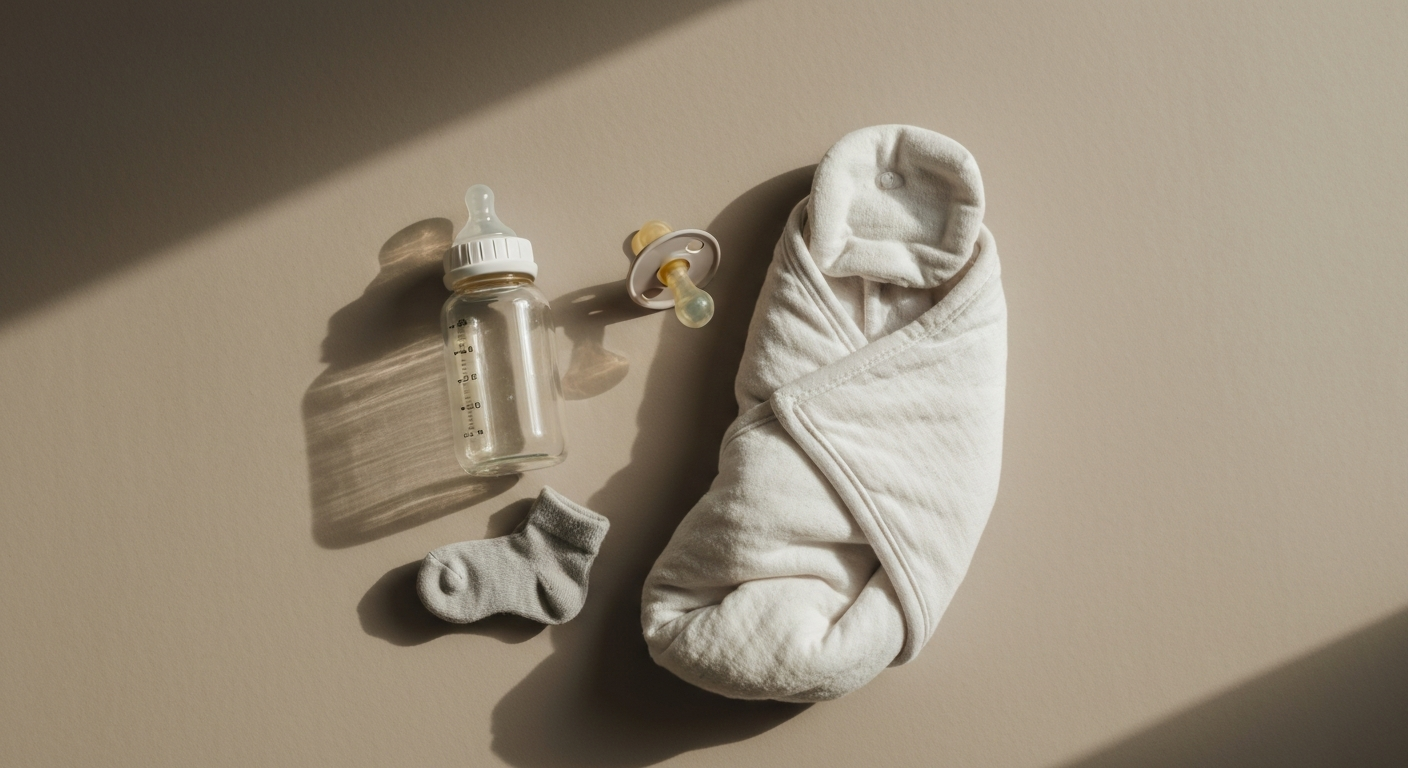

Clear spit-up in babies is almost always normal — it's swallowed saliva, diluted breast milk, or stomach mucus coming back up. Most babies spit up regularly until 6–12 months as the lower esophageal sphincter matures. Worry only if it's forceful and projectile, contains blood or bile, or your baby is losing weight.
The lower esophageal sphincter — the valve between the esophagus and stomach — is immature at birth and doesn't seal reliably until around 6–12 months. This structural immaturity is why spitting up is nearly universal in the first year of life, not a sign that anything is wrong.
Gastroesophageal reflux (GER) is the medical term for what most parents simply call "spit-up." Milk flows back into the esophagus because the valve at the bottom hasn't tightened yet. The American Academy of Pediatrics estimates that more than 50% of infants spit up daily in the first 3 months.
Clear or milky spit-up with no distress is called "happy spitter" reflux — no treatment needed. It typically peaks around 4 months and resolves on its own by 12 months.
"GER is considered a normal physiologic process that occurs in healthy infants. In most infants, GER is effortless, painless, and causes no complications." — American Academy of Pediatrics Clinical Practice Guideline
Infants produce a significant volume of saliva even before solid foods begin — often more than they can swallow. That excess pools in the stomach and comes back up as clear or slightly frothy liquid. Nasal congestion makes this worse: when a baby is stuffy, they swallow more mucus and air, both of which can bubble back up.
This type of spit-up looks like clear foam or thin watery fluid with no milk content. It's purely a drainage issue.
Fix: If congestion is contributing, use a bulb aspirator to clear the nasal passages before feeding.
Overfeeding is the leading cause of excessive spit-up in bottle-fed babies. A stomach that holds more than it can process empties the overflow back through the esophagus. Bottle-fed babies can't regulate their intake as easily as breastfed babies because bottles deliver milk faster than the let-down reflex.
Signs of overfeeding: baby seems fussy during the feed, arches away from the bottle before it's empty, or consistently spits up within 5 minutes of a feeding.
Fix: Use a slower-flow nipple (Stage 1 or "newborn" flow for babies under 4 months), offer smaller volumes more frequently, and pause mid-feed to burp.
Babies swallow air during feeding, especially with a fast-flow nipple, a shallow latch, or feeding while crying. Air fills the stomach and acts like a piston — when the baby shifts position or the air burp happens, it brings liquid with it.
Fix: Burp your baby every 1–2 oz during bottle feeds and when switching breasts during nursing. Hold the baby at a 45-degree angle (semi-upright) during feeds.
GERD is the disease version of normal reflux — the spit-up is painful, frequent, and interfering with feeding and weight gain. Signs of GERD beyond normal reflux include arching the back during or after feeds, refusing to eat, persistent crying after feeding, and inadequate weight gain.
Clear spit-up can be GERD if the baby seems uncomfortable. According to the National Institute of Diabetes and Digestive and Kidney Diseases, GERD affects a smaller subset of infants where reflux damages the esophagus or significantly disrupts feeding.
"In some infants, GER can cause problems such as poor weight gain, breathing problems, and a sore throat. This is called GERD." — NIDDK Digestive Diseases Information
Fix: Consult your pediatrician. Positioning changes (keeping baby upright 30 minutes after feeds) and smaller, more frequent feeds often help before medication is considered.
Pyloric stenosis is a narrowing of the pylorus — the muscle between the stomach and small intestine — that blocks milk from passing through. It typically presents between 2 and 8 weeks of age as increasingly forceful, projectile vomiting that can shoot several feet. The vomit is usually milk-colored or clear (not green, since bile can't back up).
Babies with pyloric stenosis are persistently hungry after vomiting and progressively lose weight. This is a surgical emergency.
If your baby's spit-up is projectile, appears after every single feeding, and your baby seems hungry again immediately after — call your pediatrician or go to the ER.
| Feature | Normal Spit-Up | Concerning Vomiting |
|---|---|---|
| Force | Effortless, dribbles out | Forceful, projectile |
| Frequency | After feeds, settles quickly | After every feed, worsening |
| Baby's mood | Content, alert | Fussy, inconsolable, lethargic |
| Color | Clear, white, or milky | Yellow, green, or bloody |
| Weight | Steady gain | Not gaining or losing |
Also Read: Why Is My Baby Grunting in His Sleep? 7 Causes Explained
Call your pediatrician if your baby is spitting up every single feeding AND showing any of the warning signs below. Regular clear spit-up with normal weight gain is never a medical emergency.
Call same day for:
- Spit-up that is yellow, green, or contains blood
- Projectile vomiting (shooting force)
- Baby losing weight or significantly under the growth curve
- Baby seems in pain during or after feeds
- Spit-up persisting or worsening after 12 months
Clear spit-up is among the most normal things a baby does in the first year. The immature esophageal valve, excess saliva, overfeeding, and air swallowing account for almost all cases. Monitor weight gain — a baby who is growing steadily, has 6+ wet diapers a day, and seems content despite the spit-up is healthy. Forceful projectile vomiting, green or bloody spit-up, or poor weight gain are the red flags that need a pediatrician the same day.
Clear spit-up is almost always swallowed saliva, stomach mucus, or watered-down breast milk or formula — all completely normal in the first 6 months. As long as your baby is gaining weight and seems content, clear spit-up is not a medical concern.
Yes, spitting up after every feeding is common in the first 3–4 months, especially in breastfed babies who may be getting a fast let-down or oversupply. Steady weight gain, at least 6 wet diapers per day, and a content baby are the key indicators that everything is fine.
See a doctor if spit-up is forceful or projectile, if your baby seems to be in pain, if your baby is losing weight, if the spit-up contains blood or bile (yellow-green), or if heavy spitting up continues past 12 months.
A sudden increase in spit-up often means overfeeding (try smaller, more frequent feeds), an oversupply or fast letdown in breastfeeding, or a nipple flow rate that's too fast for a bottle-fed baby.
Spit-up flows out gently and is effortless — the baby barely notices. Vomiting is forceful, projectile, and visibly uncomfortable. Projectile vomiting in a 2–8 week old may indicate pyloric stenosis and needs prompt evaluation.
Reviewed and Updated on May 31, 2026 by George Wright