Eliminating snoring for good — not just quieting it for one night — usually means a structural or clinical fix: a custom oral appliance, a CPAP machine for sleep apnea, meaningful weight loss, or a surgical procedure, depending on the actual cause. Nightly habit changes like side-sleeping help in the moment, but they have to be repeated every single night; the options below are aimed at people who want the problem solved, not just managed.
| ✓Our Pick |
Custom-fit mouthpiece that repositions your jaw to stop snoring One of the highest-rated products in its category — a reliable fix used by thousands of people. Learn More → |
Oral Appliances: The Most Accessible Permanent-ish Fix
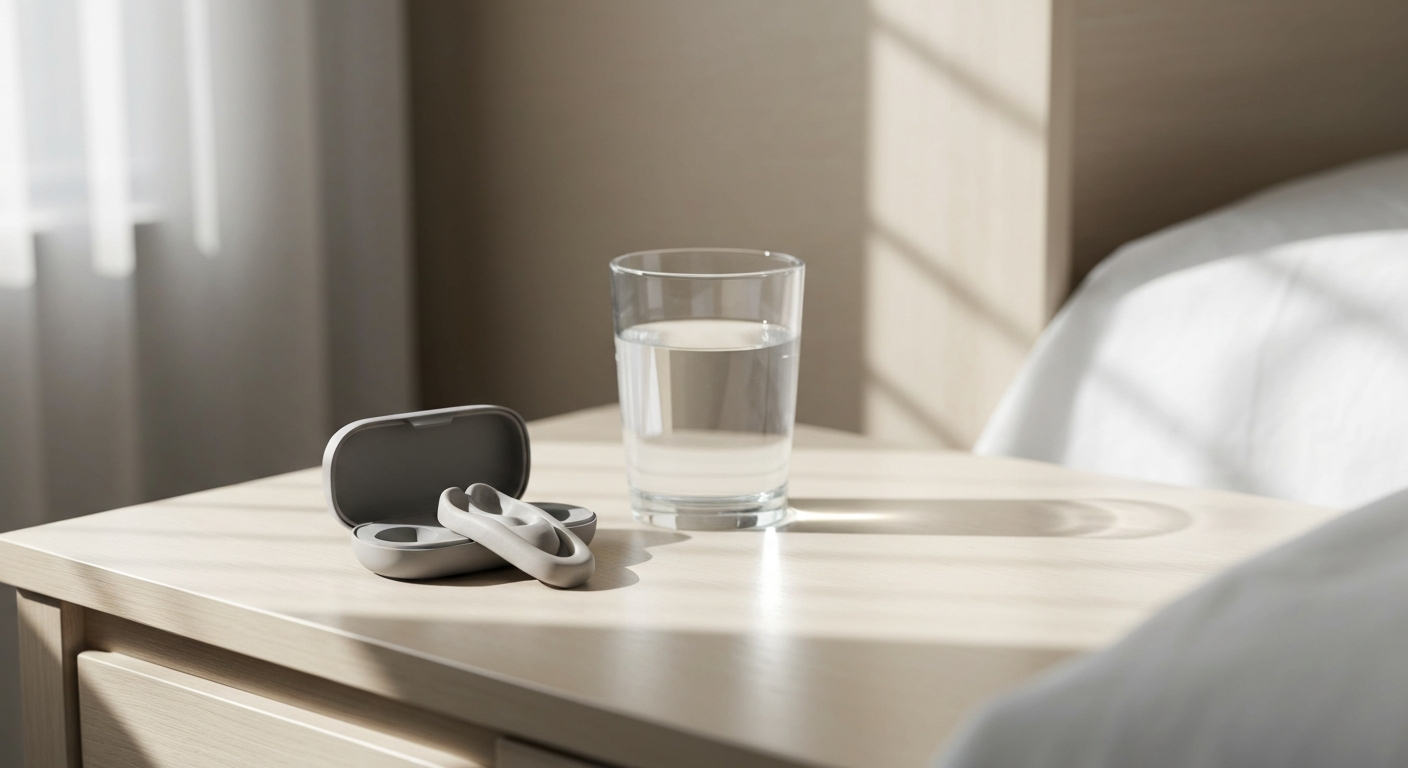
A mandibular advancement device, or oral appliance, holds the jaw slightly forward overnight, which keeps the tongue and soft tissue from collapsing into the airway. It's the closest thing to a "set it and forget it" solution that doesn't require surgery or a prescription device like CPAP — once it's fitted, it works the same way every single night without requiring you to maintain a sleep position or stay sober before bed.
"Snoring in and of itself is caused by vibration of the tissues in the back of the throat." — Dr. Virginia Skiba, Neurologist and Sleep Medicine Physician at Henry Ford Medical Center, via the American Medical Association
Because the device addresses the airway mechanically, it works regardless of what's causing the vibration — alcohol, sleep position, or simple anatomy — which is part of why it's such a popular first step before considering anything more invasive.
Weight Loss: Slower, but Addresses the Root Tissue Issue
Excess tissue around the neck and throat is one of the most well-documented contributors to snoring, and losing weight directly reduces it.
"Having extra tissue in the neck can lead to a smaller airway size and an increased susceptibility to airway collapse." — Alexa Fry, Senior Health Editor, medically reviewed by Heather Wright, MD, at Sleep Foundation
Unlike an oral appliance, weight loss takes months to show results, but it addresses the underlying tissue volume rather than just managing the airway around it — which is why it's often recommended alongside, not instead of, a device-based fix.
CPAP: For Snoring That's Actually Sleep Apnea
If snoring is a symptom of obstructive sleep apnea rather than ordinary primary snoring, a CPAP machine — which delivers continuous air pressure to keep the airway open — is the standard medical treatment, and it effectively eliminates the snoring as a side effect of treating the apnea itself. This requires a sleep study and a prescription, since CPAP is treating a diagnosed condition rather than just noise.
Also Read: ResMed CPAP Not Turning On: 5 Causes and How to Fix It
Surgical Options: The Most Permanent, Most Invasive Tier
For snoring that doesn't respond to appliances, weight loss, or CPAP, procedures like laser-assisted uvulopalatoplasty (LAUP) or traditional uvulopalatopharyngoplasty (UPPP) physically reshape or remove tissue in the soft palate and throat. These are generally positioned as a later step, after less invasive options have been tried, since they involve real recovery time and aren't always fully effective on the first attempt.
Also Read: Stop Snoring Procedures: 6 Options from Office to Surgery
Comparing Your Options
| Approach |
How permanent |
Time to results |
| Oral appliance (mouthpiece) |
Works every night it's worn |
Immediate |
| Weight loss |
Lasting if maintained |
Months |
| CPAP (for diagnosed apnea) |
Works every night it's used |
Immediate, after diagnosis |
| Surgical procedures |
Most permanent |
Weeks of recovery, sometimes multiple sessions |
In Short
Eliminating snoring rather than just managing it night-to-night usually means choosing one of four paths: a fitted oral appliance for an immediate mechanical fix, weight loss to reduce the tissue causing the vibration, CPAP if the root cause is sleep apnea, or surgery for cases that don't respond to anything less invasive. Most people start with an oral appliance since it works the same night it's fitted and doesn't require a diagnosis or recovery period, then layer in weight management or escalate to medical evaluation if snoring persists.
What You Also May Want To Know
What's the fastest way to actually eliminate snoring, not just reduce it for one night?
A custom-fitted oral appliance works the first night it's worn, since it mechanically holds the jaw forward to keep the airway open, regardless of what's triggering the snoring otherwise.
Does losing weight always eliminate snoring completely?
Not always, but it often reduces it significantly, since less neck and throat tissue means less material available to vibrate; other contributing factors like nasal congestion or sleep position can still play a role even after weight loss.
Is CPAP necessary if I just snore but don't have sleep apnea?
No. CPAP is prescribed specifically for diagnosed obstructive sleep apnea; if a sleep study rules out apnea, an oral appliance or other non-prescription option is typically more appropriate for snoring alone.
How do I know if I need surgery instead of an oral appliance?
Surgery is generally considered after appliances, weight management, and other non-invasive options have been tried without enough improvement, or when an ENT identifies a specific structural issue, like significantly enlarged tonsils, that a device can't address.
Can I combine more than one of these approaches at once?
Yes, and it's common — using an oral appliance while also working on weight loss, for example, addresses the problem from two angles at once and often produces better results than either alone.
Reviewed and Updated on June 20, 2026 by George Wright