Sleep


Snoring while awake is different from sleep-related snoring — it happens when the airway generates turbulent noise during waking breathing, typically due to nasal obstruction, throat anatomy, or neurological conditions. Some cases are benign; others signal conditions that need medical evaluation.
"Snoring while awake" describes audible airway noise — a snort, rattle, or rumble — occurring during waking hours rather than during sleep. This is distinct from the familiar sleep-snoring mechanism and warrants a different diagnostic approach.
True snoring during sleep is caused by relaxed throat muscles partially collapsing during sleep, causing soft tissue vibration. When similar sounds occur while awake, the mechanism is different: the airway is physically obstructed or narrowed while you're conscious, causing turbulent, audible airflow. The person is awake, so muscle relaxation isn't the driver — something else is.
The most common explanations fall into three broad categories:
Each cause has a distinct presentation. Identifying which applies to you is the key to finding the right fix.
Yes — and it's the most common cause. When the nasal passages are significantly blocked by congestion (from allergies, a cold, sinusitis, or polyps), the act of breathing in creates a whistling or rattling sound because air must force through a narrow passage. This can sound exactly like mild snoring, even when the person is fully awake and upright. It typically clears when the congestion clears.
A severely deviated septum can produce a noisy, turbulent breathing sound during waking hours when airflow is forced through the narrow nostril. The sound is most noticeable during exercise or exertion when breathing demand increases. It's often accompanied by a persistent preference for breathing through the mouth, or a sense of chronic nasal blockage on one side.
Yes. Some people produce snoring sounds in the hypnagogic state — the drowsy borderline between waking and sleep. During this phase, muscle tone has already started to relax even though conscious awareness is still partially present. This is technically a form of sleep-onset snoring experienced while "awake enough to notice it." It's benign and extremely common.
In children, enlarged adenoids are a frequent cause of nasal obstruction and noisy waking breathing that resembles snoring. Children with enlarged adenoids typically breathe through the mouth, have a nasal-sounding voice, and may snore loudly during sleep too. In adults, adenoids typically shrink, but residual adenoid tissue or other throat anatomy can create similar obstruction.
Yes — and this is important to distinguish from mechanical snoring. Involuntary snorting or throat sounds while awake can be a form of vocal tic, associated with Tourette syndrome or other tic disorders. Unlike mechanical obstruction sounds, tic-related snorting is brief, involuntary, and often follows a compulsive urge. The person may be able to suppress it temporarily but not indefinitely. This warrants neurological evaluation, not airway treatment.
Laryngopharyngeal reflux (LPR) — sometimes called "silent reflux" — causes acid from the stomach to reach the throat, irritating and inflaming the larynx. This can cause a persistent throat sound, voice hoarseness, frequent throat clearing, and a sensation of something in the throat. The sounds may occur at any time of day and can be mistaken for snoring or chronic throat noise. LPR responds to dietary changes and acid-suppressing medication.
Waking snoring or audible breathing is not itself a symptom of sleep apnea (which occurs during sleep). However, people who snore audibly while awake typically have significant upper airway obstruction that also affects them during sleep. If waking airway noise accompanies nighttime snoring, the combination warrants evaluation for obstructive sleep apnea.
Not all waking airway noise is medically significant, but these signs indicate a clinical evaluation is warranted:
Most cases of noisy waking breathing due to nasal obstruction don't require emergency care — but persistent or unexplained waking airway sounds are worth investigating.
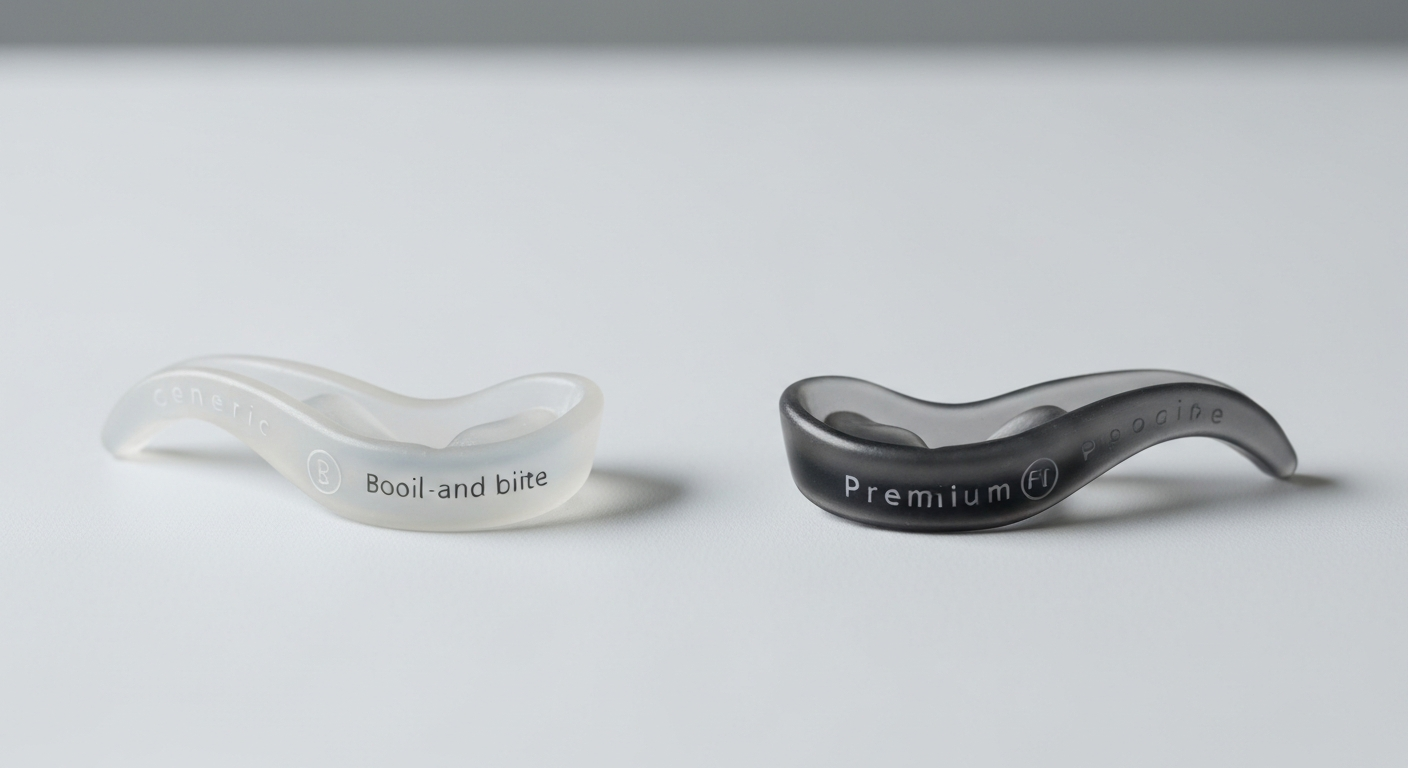
| ✓Our Pick |
Custom-fit anti-snoring mouthpiece — most effective for sleep-related snoring Backed by strong customer feedback — the most recommended solution in forums and Q&A communities. Learn More → |
Treatment depends entirely on the cause:
Snoring while awake is typically caused by nasal obstruction (congestion, deviated septum, polyps), adenoid tissue, or the drowsy transition to sleep — not by the same mechanism as nighttime snoring. In some cases, it reflects a neurological tic or laryngopharyngeal reflux rather than an airway structural problem. Waking airway noise accompanied by difficulty breathing, involuntary repetitive sounds, or accompanying sleep symptoms (gasping, fatigue) should be evaluated medically. Most purely nasal cases respond to decongestants, nasal steroid sprays, or structural correction.
This is extremely common and benign. During the hypnagogic state — the transitional zone between waking and sleep — throat muscles begin to relax even before you're technically asleep. The partial relaxation can produce snoring sounds while you're still aware of your surroundings. It's the same mechanism as sleep snoring, just happening earlier in the sleep-onset process.
Stress doesn't directly cause mechanical snoring sounds while awake. However, stress increases muscle tension in unexpected ways — including in the throat — and some people develop habitual throat-clearing or vocalization patterns under stress. Additionally, stress-driven poor sleep creates deeper, heavier compensatory sleep stages where snoring is more likely.
In most cases, no. Nasal obstruction-related waking airway noise is a nuisance, not a danger. The exceptions are: significant breathing difficulty in any person, nighttime breathing obstruction in children that's causing developmental effects, or signs of neurological involvement (tic disorder) that warrant their own evaluation.
Noisy waking breathing in children warrants attention. Enlarged adenoids and tonsils are the most common cause in children and frequently cause both waking and nighttime noisy breathing. If accompanied by mouth breathing, restless sleep, bedwetting, or behavioral changes, a pediatric ENT evaluation is recommended.
Reviewed and Updated on June 13, 2026 by George Wright