Women's Health
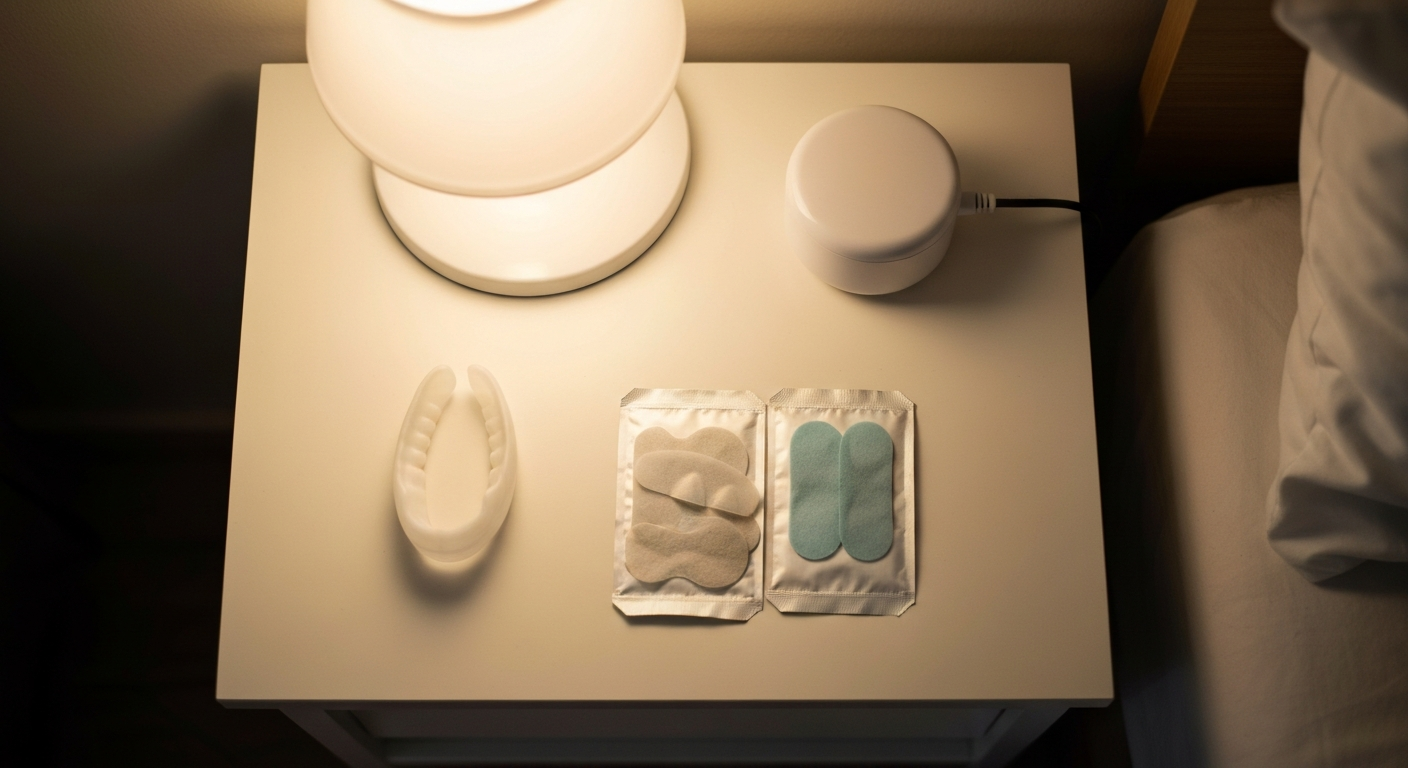

Snorers — people who produce snoring sounds during sleep — affect an estimated 90 million Americans either directly or indirectly, since a partner's snoring disrupts the sleep of anyone sharing the room. Understanding what drives the noise is the first step toward actually fixing it.
Snoring is produced when the upper airway partially collapses during sleep, forcing air through a narrowed passage that sets soft tissue vibrating. Every snorer's airway is different — which is why treatments aren't one-size-fits-all.
The sound comes from the pharynx: the section of the throat that sits behind the mouth and nasal cavity. Awake, muscles in this region hold the walls rigid and apart. During sleep, those muscles relax. For most sleepers, the airway remains wide enough for quiet, laminar airflow. For snorers, the passage narrows enough to generate turbulence, which vibrates the soft palate, uvula, and surrounding tissue into the characteristic sound.
According to the American Academy of Sleep Medicine, roughly 40% of adult men and 24% of adult women are habitual snorers, with rates rising as people age.
"Snoring is a common problem among all ages and both genders, and it affects approximately 90 million American adults — 37 million on a regular basis." — American Academy of Sleep Medicine
What actually drives the variability among snorers is the specific site of narrowing. Nasal snorers vibrate tissue high up near the nostrils or sinuses. Tongue-based snorers have the tongue falling back against the throat. Soft-palate snorers vibrate the fleshy flap at the back of the mouth. Most persistent snorers combine two or more of these mechanisms.
Partners and roommates of snorers typically lose 1 to 2 hours of sleep per night. That chronic sleep loss has measurable health consequences — for both people in the relationship.
Research published in the journal Sleep has documented that bed partners of habitual snorers report significantly higher rates of daytime fatigue, irritability, and anxiety compared to those who sleep with quiet partners. The relationship strain is well-documented too.
| ✓Our Pick |
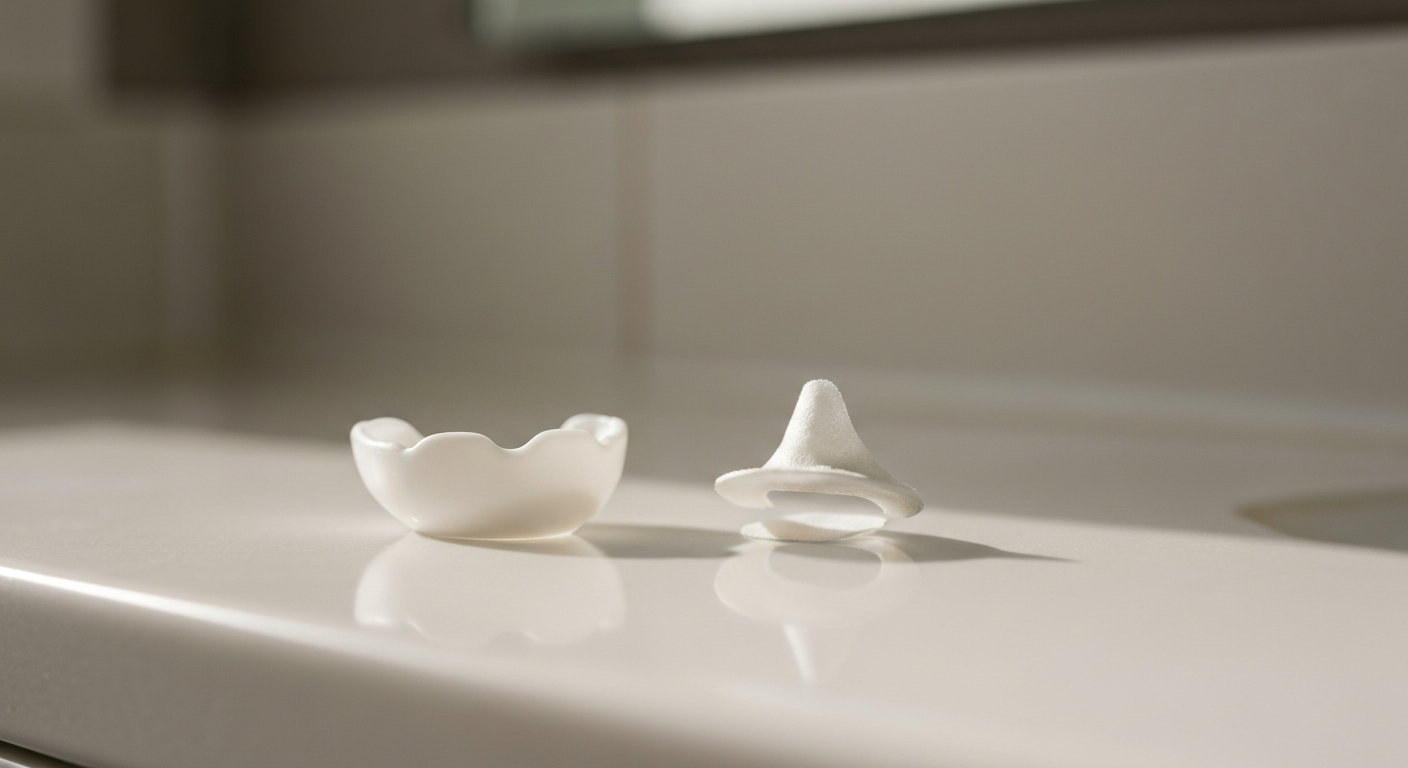
Custom-fit anti-snoring mouthpiece — gently repositions the jaw to open the airway Backed by strong customer feedback — the most recommended solution in forums and Q&A communities. Learn More → |
Normal snoring sits between 50 and 60 decibels — about the level of a conversation across a dinner table. Loud snorers can reach 80 to 90 decibels, comparable to a motorcycle or lawn mower. At those levels, even deep sleepers wake up.
Partners of heavy snorers sometimes move to a separate room, wear earplugs, or use white noise machines as coping mechanisms. These manage the symptom for the partner but don't address the underlying issue for the snorer — and they can erode relationship intimacy over time.
Briefly waking a snorer — by gently nudging them — causes them to shift position or momentarily change their breathing pattern, which usually stops the noise. The problem: it restarts within minutes once they return to deep sleep. It also disrupts your own sleep further. Position-based interventions (like encouraging the snorer to stay on their side) are more sustainable than repeated wakings.
The most effective approach to helping a snorer is working with them, not around them. Coping mechanisms help you survive — actual solutions fix the problem.
Before trying solutions, figure out what kind of snorer you're dealing with:
Before recommending surgery or a sleep study, try these:
For snorers who don't respond to lifestyle changes, a mandibular advancement device (MAD) is the most evidence-backed non-surgical option. It holds the lower jaw slightly forward during sleep, which keeps the tongue base pulled away from the throat wall and widens the airway.
Custom-fit MADs — which are molded to the individual user's teeth — are significantly more comfortable and more effective than generic boil-and-bite versions. They stay in place better and position the jaw more precisely.
"Oral appliances are an effective treatment for snoring and mild to moderate obstructive sleep apnea. They work by holding the lower jaw in a forward position, which keeps the airway open during sleep." — American Academy of Sleep Medicine
Snorers who also exhibit any of the following should be evaluated for obstructive sleep apnea (OSA):
OSA is a medically significant condition that responds to CPAP therapy or custom oral appliances. It's distinct from simple snoring, though the two frequently coexist.
While you work on fixing the snorer's underlying issue, these strategies help preserve your own sleep in the meantime.
| Strategy | Pros | Cons |
|---|---|---|
| White noise machine | Masks snoring, easy to use | Doesn't eliminate snoring — just covers it |
| Earplugs (foam or silicone) | Cheap, widely available | Reduces environmental sound awareness |
| Fan running | White noise + air circulation | Less effective for very loud snorers |
| Separate bedrooms temporarily | Full sleep restoration | Can strain intimacy |
| Encouraging snorer side-sleeping | Addresses root cause | Requires partner cooperation |
The most sustainable solution is always treating the snorer's problem directly. Coping mechanisms help in the short term, but the goal should be a quiet room.
Also Read: Why Is My Internet Going In and Out? 9 Causes & Fixes
Snorers affect tens of millions of American households, and their partners typically bear significant sleep loss as a result. The most effective interventions — in rough order of ease — are side-sleeping encouragement, alcohol reduction, nasal congestion treatment, and a custom-fit mandibular advancement device. Partners experiencing chronic sleep disruption from a snorer's noise should also consider temporary separate sleeping arrangements while the underlying problem is addressed. If the snorer also shows signs of sleep apnea, a clinical sleep evaluation is appropriate.
Snorers are typically asleep during their own snoring episodes and so don't experience the sound consciously. Additionally, people habituate to consistent sounds in their environment — the same mechanism that lets you sleep through familiar noise but wake at unusual ones. The snorer's brain effectively filters out the sound it's generating, just as most people don't notice ambient sounds in their own home.
Short-term separation to protect a partner's sleep health is a reasonable solution, and it doesn't automatically signal relationship problems. However, if the snorer's underlying problem goes untreated, the separation becomes permanent by default. The focus should be on identifying and treating the snorer's issue so both partners can eventually share a room again.
No. Most snorers do not have sleep apnea. Snoring requires only a partially narrowed airway. Sleep apnea requires the airway to fully collapse, stopping breathing for 10 or more seconds repeatedly throughout the night. A polysomnography (sleep study) is the only reliable way to determine whether a snorer has sleep apnea.
Yes. Snoring tends to worsen gradually with age, weight gain, and declining muscle tone. Snorers who were occasional at age 35 may become nightly, louder snorers by 50. This progression is why addressing the problem early — rather than hoping it improves on its own — is generally the better approach.
Reviewed and Updated on June 13, 2026 by George Wright