
DIY
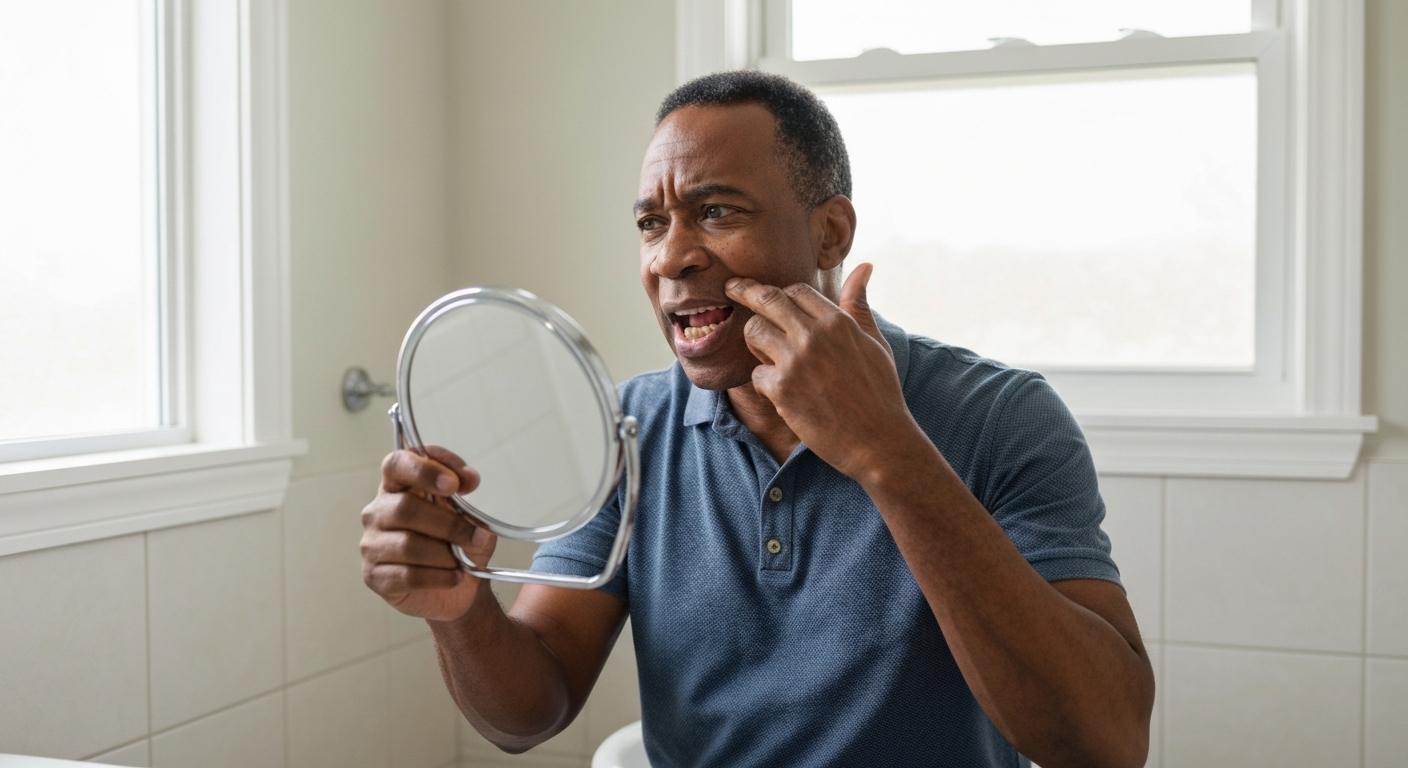

An adult tooth becomes loose when the structures holding it in place—the periodontal ligament and surrounding bone—are weakened by gum disease, injury, teeth grinding, or hormonal shifts, and identifying the cause quickly is essential because early treatment can often save the tooth.
Discovering that your adult tooth is wiggly can trigger real panic. Unlike baby teeth, permanent teeth are supposed to stay put for life, and any movement signals that something is disrupting the anchor system beneath the surface. The good news: in many cases, a loose tooth can be stabilized and saved when you act fast. Below, you'll find the nine most common reasons an adult tooth feels loose—plus exactly what to do for each one.
| ✓Our Pick |
Water flosser for gum health and periodontal care One of the highest-rated products in its category — a reliable fix used by thousands of people. See on Amazon → |
Your teeth are anchored by a complex system of bone, gum tissue, and a specialized ligament—not by the root alone.
Each tooth sits in a bony socket called the alveolus. Between the root and the bone is the periodontal ligament (PDL), a web of collagen fibers roughly 0.2 mm thick. This ligament acts as a shock absorber and holds the tooth snugly while allowing microscopic movement during chewing. Healthy gums seal the top of the socket, keeping bacteria out.
When any part of this system breaks down—whether the bone recedes, the ligament weakens, or the gum seal fails—the tooth begins to move more than it should. Understanding this anatomy helps you see why so many different conditions can make a tooth feel wiggly.
Periodontal (gum) disease is the leading cause of loose adult teeth, responsible for roughly 70% of tooth loss in people over 40.
Gum disease begins as gingivitis—red, swollen gums that bleed easily. When untreated, it progresses to periodontitis. Bacteria creep below the gumline, forming deep pockets and destroying the bone that supports your teeth. As bone disappears, the tooth loses its anchor.
"Periodontitis is a chronic inflammatory disease. If not treated, it leads to progressive loss of the alveolar bone around the teeth, and in its severe form, can result in loosening and subsequent loss of teeth." — World Health Organization
Warning signs include persistent bad breath, gums that pull away from teeth, and teeth that shift position. If your molar or front tooth wiggles and your gums bleed when you brush, gum disease is the most likely culprit.
Yes—chronic grinding or clenching (bruxism) puts excessive force on teeth, stretching the periodontal ligament and sometimes loosening teeth over time.
Many people grind unconsciously during sleep, generating forces up to 250 pounds per square inch—far more than normal chewing. This constant pressure inflames the ligament, and in severe cases, fractures the root or wears down bone. You may notice a wiggly front tooth or molar that feels worse in the morning.
Signs you might be grinding include a sore jaw, worn-down enamel, headaches, and a partner who hears you grinding at night.
Also Read: Why Is My Tooth Chipping? 8 Causes & How to Stop It
A blow to the face—from sports, a fall, or an accident—can partially dislodge a tooth or damage the ligament holding it in place.
Traumatic injuries may loosen a tooth immediately or create a crack that weakens the structure over weeks. Even a seemingly minor bump can stretch the periodontal ligament enough to cause noticeable wobble. If your front tooth became loose after impact, the ligament may heal on its own, but you need a dentist to rule out root fracture or nerve damage.
Hormonal fluctuations during pregnancy, menopause, or puberty can temporarily loosen teeth by increasing blood flow and inflammatory responses in gum tissue.
Pregnancy gingivitis affects up to 75% of pregnant women, according to the American Dental Association. Elevated progesterone makes gums more sensitive to plaque, leading to swelling and, in some cases, tooth mobility. Menopause can trigger bone density loss (osteoporosis), indirectly weakening the jaw and allowing teeth to shift.
Yes—osteoporosis reduces bone density throughout the body, including the jawbone, which can weaken the foundation that holds your molars and other teeth.
Studies show that postmenopausal women with osteoporosis are three times more likely to experience tooth loss than those without the condition. If your molar feels loose and you've been diagnosed with low bone density, your jaw may be affected too.
Teeth are supposed to feel slightly loose during orthodontic treatment because braces work by remodeling bone—the tooth moves through controlled pressure and rebuilds its anchor in the new position.
Orthodontic movement relies on a process called bone remodeling. Pressure on one side of the tooth breaks down bone; new bone forms on the opposite side. During this transition, a mild wiggle is normal and expected. However, if a tooth becomes very loose, painful, or the gum recedes dramatically, contact your orthodontist—it may indicate excessive force or an underlying issue.
"Orthodontic tooth movement is a biological process of bone remodeling in response to mechanical loading." — American Association of Orthodontists
A dental abscess—a pocket of pus caused by bacterial infection—can destroy surrounding bone and ligament, making the affected tooth feel loose and painful.
Abscesses often form at the root tip or in the gum beside a tooth. Symptoms include throbbing pain, swelling, fever, and a foul taste. Without treatment, the infection eats away bone. If your wiggly tooth also hurts to touch and the gum is swollen, an abscess may be the cause.
Also Read: Why Is My Gum Swollen? 9 Causes & How to Get Relief
A vertical root fracture—a crack running down the root—can loosen a tooth because the structural integrity of the root itself is compromised.
Root fractures are tricky because they don't always show on X-rays and may cause vague symptoms: mild pain when chewing, intermittent swelling, or a tooth that suddenly feels loose. Prior root canal treatment, large fillings, and habits like chewing ice increase fracture risk.
Excessive bite force on a single tooth—from a new crown, filling, or misaligned bite—can overload the ligament and cause isolated looseness even in a healthy tooth.
This is called primary occlusal trauma. The tooth itself and the surrounding bone are healthy, but abnormal pressure stretches the periodontal ligament. Adjusting the bite or smoothing a high spot on a restoration often resolves the wobble within weeks.
Diagnosing the cause involves measuring mobility, probing gum pockets, taking X-rays, and reviewing your medical history.
Your dentist will use a probe to measure pocket depth around the tooth. Healthy pockets are 1–3 mm; anything deeper suggests gum disease. They'll also test mobility by pushing the tooth with instruments, grading it on a scale:
| Mobility Grade | Movement | Typical Meaning |
|---|---|---|
| Grade 1 | Less than 1 mm horizontal | Mild, often reversible |
| Grade 2 | More than 1 mm horizontal | Moderate bone or ligament damage |
| Grade 3 | Vertical and horizontal | Severe—extraction often needed |
X-rays reveal bone loss, abscesses, or fractures. A bite analysis checks for occlusal trauma. Together, these tools pinpoint the cause so treatment targets the real problem.
Treatment depends on the cause: scaling and root planing for gum disease, a night guard for grinding, splinting for trauma, and sometimes extraction when damage is too severe.
Below are the most common interventions:
Also Read: Why Is My Tooth Sensitive After a Filling? 6 Causes & Fixes
Seek same-day care if the loose tooth causes severe pain, visible swelling, fever, or followed a facial injury—these signs indicate infection or trauma that can worsen fast.
Other red flags include pus or a bad taste in your mouth, bleeding that won't stop, and difficulty swallowing. Delaying treatment for an abscess risks spreading infection to the jaw, neck, or bloodstream.
For mild, painless wiggle with no other symptoms, schedule an appointment within a few days. The sooner the cause is identified, the better your chances of saving the tooth.
Gentle oral hygiene, a soft diet, and avoiding pressure on the loose tooth can prevent further damage before your appointment.
These steps don't fix the underlying cause, but they buy time and reduce discomfort.
Sometimes yes—if the looseness is caused by reversible factors like mild gum inflammation, trauma that heals, or controlled orthodontic movement, the tooth can stabilize once the cause is addressed.
Teeth loosened by early gum disease often tighten after deep cleaning and improved home care. Teeth loosened by a bump may firm up on their own within four to eight weeks if there's no fracture. Orthodontic patients typically see full stability return a few months after braces come off.
However, advanced bone loss, root fractures, and severe infections rarely reverse on their own. The key is catching the problem early.
A loose adult tooth is almost always a warning sign, not a death sentence, and acting quickly dramatically improves your odds of keeping it. The most common culprits are gum disease, teeth grinding, injury, and hormonal or systemic changes affecting bone density. Diagnosis involves probing, X-rays, and bite analysis. Treatment ranges from deep cleaning and splinting to extraction in severe cases. Gentle home care—soft brushing, salt rinses, and a soft diet—helps while you wait for professional help.
Brushing removes plaque above the gumline, but tartar and bacteria below the gumline require professional cleaning. If you skip flossing or haven't had a dental cleaning in a while, gum disease can develop despite daily brushing. Grinding at night or a bite imbalance can also loosen teeth regardless of hygiene habits.
Mild wiggle after trauma is common because the impact stretches the periodontal ligament. If there's no fracture, the tooth often stabilizes within a few weeks. Still, see a dentist to rule out root damage or nerve injury—an X-ray is the only way to know for sure.
Molars bear the heaviest chewing forces, so they're often the first to loosen from grinding or localized gum disease. A cracked root—more common in back teeth with large fillings—can also cause isolated looseness. Your dentist can pinpoint whether the issue is structural or periodontal.
Nighttime teeth grinding (bruxism) overloads the ligament while you sleep, leaving teeth feeling mobile when you wake. The sensation often improves throughout the day as the ligament relaxes. A night guard can prevent further damage and let the ligament heal.
It's extremely rare. Orthodontic movement is carefully controlled, and while teeth feel looser during treatment, the bone rebuilds as the tooth settles into its new position. If a tooth becomes very loose or painful, alert your orthodontist—the force level may need adjustment.
Reviewed and Updated on May 1, 2026 by George Wright