DIY
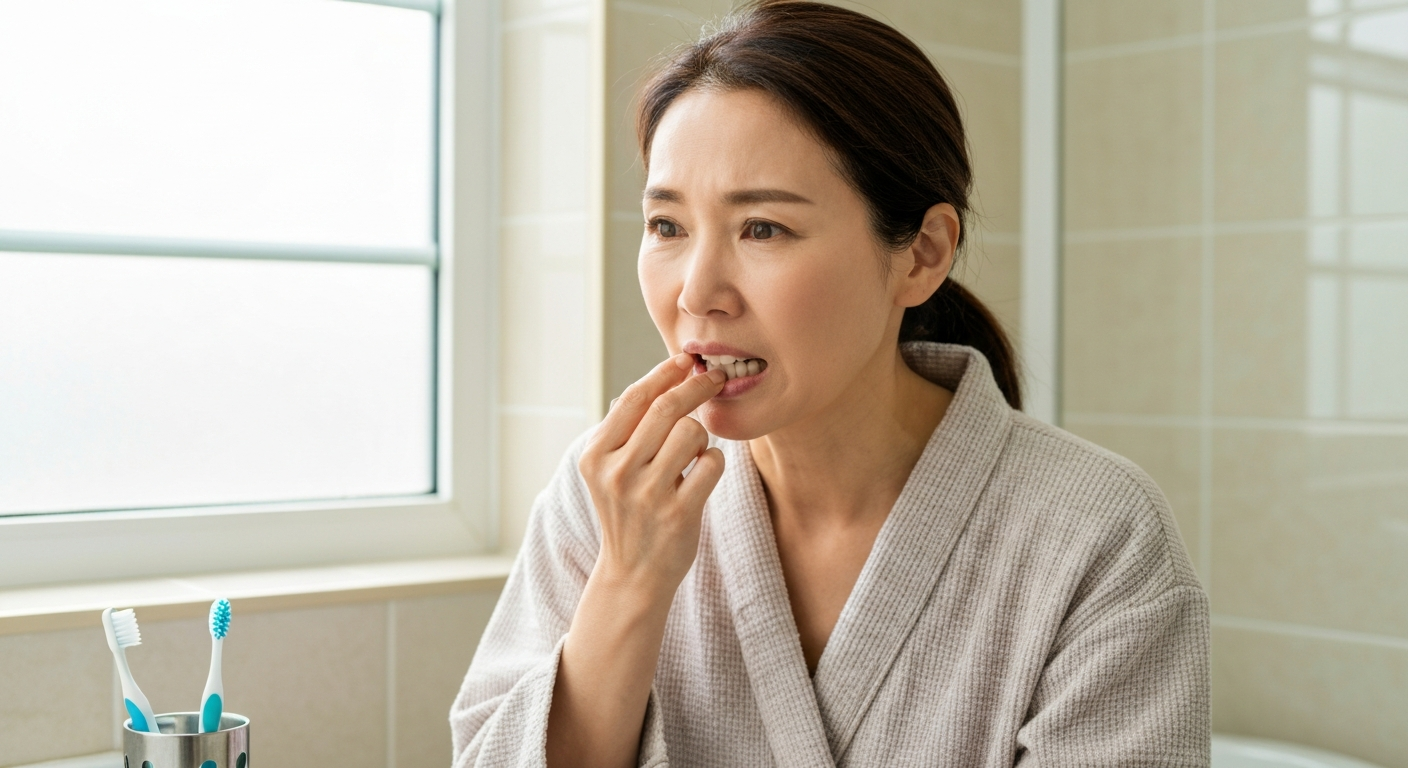

Your tooth is chipping because the enamel or underlying structure has been weakened by grinding, acid erosion, decay, or physical trauma — and once that protective layer is compromised, everyday biting forces are enough to break off small pieces.
Chipping isn't random. Something has made your tooth vulnerable, whether it's nighttime clenching you're unaware of, an acidic diet that's slowly dissolving your enamel, or an old filling that's destabilizing the tooth around it. The good news: once you identify the cause, you can stop further damage and repair what's already happened.
| ✓Our Pick |
Custom night guard for teeth grinders Simple to use and genuinely effective — for many people this is all they ever needed. See on Amazon → |
| ✓Our Pick |
SNOW whitening system — sensitive-safe formula, 5 shades whiter, trusted by 2.4M+ customers Great value for money — this product tackles the root cause rather than just masking the symptoms. Learn More → |
Tooth chipping happens when stress exceeds strength — either your enamel has been weakened over time, or a single force overwhelms an otherwise healthy tooth.
Understanding which category your chip falls into determines both the treatment and the prevention strategy. Here are the most common culprits.
Bruxism (teeth grinding) is one of the leading causes of chipped teeth, and most people who grind don't know they're doing it. The forces generated during sleep grinding can reach 250 pounds per square inch — far more than normal chewing. Over months and years, this constant pressure creates microscopic cracks called craze lines. Eventually, a piece breaks off, often while you're eating something soft.
Signs you might be grinding include waking with jaw soreness, morning headaches centered at the temples, and a partner who hears you grinding at night. Your dentist may also notice flattened tooth surfaces or worn enamel during a routine exam.
"Bruxism can generate forces that exceed normal chewing by a factor of ten, leading to fractures, chips, and accelerated wear of dental enamel." — American Dental Association
Enamel is the hardest substance in your body, but it's vulnerable to acid. Every time you consume acidic foods or drinks — citrus, soda, wine, coffee, tomatoes — your enamel softens temporarily. Brush too soon after, and you scrub away softened enamel. Repeat this daily for years, and your enamel thins significantly.
Thin enamel chips more easily because there's simply less material protecting the softer dentin underneath. Acid erosion often shows up first as increased tooth sensitivity or a yellowish tint (you're seeing dentin through the thinned enamel) before actual chips occur.
Decay doesn't just create holes — it undermines tooth structure from the inside. A cavity weakens the enamel above it, making that section prone to breaking off under normal biting pressure. This is why some people discover a cavity only after a piece of their tooth chips away during a meal.
If you have untreated decay, even on a tooth that doesn't hurt, the structural integrity is compromised. The tooth may feel fine until the weakened section suddenly gives way.
Also Read: Why Is My Teeth Cracking? 6 Causes & How to Stop It
Ice, popcorn kernels, hard candy, pen caps, fingernails, and bottle caps are common culprits. A single incident can chip an otherwise healthy tooth, but the risk multiplies if your enamel is already weakened by any of the factors above.
The danger zone is any hard object you bite unexpectedly. An unpopped popcorn kernel hidden in a handful of popped corn catches you off guard — you bite down with full force before your jaw can adjust.
Large amalgam (silver) fillings especially can destabilize teeth over time. Metal fillings expand and contract with temperature changes at a different rate than natural tooth structure. Over decades, this creates stress at the margins where filling meets tooth, potentially causing cracks and chips.
Additionally, teeth with large fillings have less natural structure remaining. The filling itself may be strong, but the thin walls of remaining tooth around it are vulnerable to fracturing.
"Teeth with extensive restorations are more susceptible to fracture because the remaining tooth structure is reduced and may be weakened by the preparation itself." — National Institute of Dental and Craniofacial Research
Saliva does more than keep your mouth comfortable — it neutralizes acids, remineralizes enamel, and washes away food particles. Chronic dry mouth (xerostomia) from medications, medical conditions, or simple dehydration accelerates enamel erosion and decay, both of which lead to chipping.
Common medications that cause dry mouth include antihistamines, antidepressants, blood pressure medications, and decongestants. If you've started a new medication and notice your mouth feels persistently dry, your teeth may be at increased risk.
Malocclusion (misaligned bite) concentrates force unevenly across your teeth. Some teeth bear more pressure than they should, while others hardly touch. The overloaded teeth develop wear patterns and eventually chip from the repeated stress.
This is particularly common with teeth that hit first when you bite down (premature contacts) or teeth that grind against each other during jaw movement.
Enamel thins naturally with age as a result of decades of chewing, acid exposure, and normal wear. Additionally, teeth become more brittle over time because the dentin underneath loses moisture and flexibility. A tooth that absorbed impacts easily at 25 may chip from the same force at 55.
This doesn't mean chipping is inevitable — it means preventive care becomes more important as you age.
Not all chips are equal — the location, depth, and symptoms determine how urgently you need treatment.
| Chip Type | Description | Symptoms | Urgency |
|---|---|---|---|
| Craze lines | Hairline cracks in enamel only | None — cosmetic only | Low — monitor at next dental visit |
| Minor enamel chip | Small piece of outer enamel broken off | Rough edge, possible tongue irritation | Moderate — see dentist within 1-2 weeks |
| Moderate chip | Chip extends into dentin (yellow layer under enamel) | Sensitivity to hot, cold, or sweets | Higher — see dentist within days |
| Severe chip/fracture | Chip exposes pulp (nerve) or extends below gumline | Significant pain, possible bleeding | Urgent — same-day or emergency dental care |
| Cusp fracture | Pointed chewing surface breaks off | Pain when biting, rough edge | Higher — see dentist within days |
If you can see pink or red tissue in the chip site, or if the tooth bleeds or throbs, the nerve is likely exposed. This requires immediate attention to prevent infection and save the tooth.
Preventing additional chips requires addressing the underlying cause — not just repairing the damage already done.
If grinding is the culprit (or even a suspected contributor), a night guard is the single most effective intervention. It doesn't stop you from grinding, but it prevents your teeth from contacting each other at full force.
Custom-fitted guards from your dentist provide the best protection, though over-the-counter options can work as a temporary measure. The key is consistent use — a guard only works if you wear it every night.
| ✓Our Pick |
Dental night guard for teeth protection Backed by strong customer feedback — the most recommended solution in forums and Q&A communities. See on Amazon → |
Reducing acid exposure gives your enamel a chance to remineralize. Limit soda, citrus juices, wine, and vinegar-based dressings. When you do consume acidic foods or drinks, rinse with plain water afterward and wait at least 30 minutes before brushing. This gives your enamel time to reharden.
Increasing calcium and vitamin D intake supports enamel strength. Dairy products, leafy greens, and fortified foods all help.
Fluoride remineralizes weakened enamel, making it more resistant to acid and physical stress. Using a fluoride toothpaste twice daily is the baseline. For higher-risk individuals, prescription-strength fluoride toothpaste or professional fluoride treatments provide additional protection.
Ice chewing, nail biting, using teeth as tools, and chewing on pens or other hard objects all need to stop. These habits create unnecessary stress on teeth that may already be compromised.
If you catch yourself clenching during the day (often during stress or concentration), practice keeping your teeth slightly apart with your tongue resting on the roof of your mouth.
Also Read: Why Is My Crown Hurting? 9 Causes & When to See a Dentist
The repair method depends on the chip's size, location, and whether the nerve is affected.
| Repair Type | Best For | Procedure | Durability |
|---|---|---|---|
| Dental bonding | Minor enamel chips, front teeth | Tooth-colored resin applied and shaped | 5-10 years |
| Porcelain veneer | Larger chips on front teeth, cosmetic concerns | Thin porcelain shell bonded to front surface | 10-20 years |
| Dental crown | Significant structural damage, molars | Cap covers entire visible tooth | 10-15 years |
| Root canal + crown | Chip exposes or damages nerve | Nerve removed, then crown placed | 15+ years |
| Extraction | Crack extends below gumline, tooth cannot be saved | Tooth removed, replaced with implant or bridge | Permanent (replacement) |
Bonding is the quickest and most affordable option for small chips. It can often be completed in a single visit without anesthesia. However, bonded resin isn't as strong as natural enamel and may need to be touched up or replaced over time.
Crowns provide the most structural support for damaged teeth but require removing more of the original tooth structure. Your dentist will recommend the least invasive option that adequately addresses the damage.
Any chip that causes pain, sensitivity, or a sharp edge that irritates your tongue or cheek warrants a dental visit within a few days.
See a dentist immediately (same day or emergency) if:
For minor cosmetic chips with no symptoms, you can wait until your next scheduled appointment, but do mention it. Small chips can sometimes be smoothed down or bonded quickly.
In the meantime, avoid chewing on that side, skip extremely hot or cold foods if there's sensitivity, and if there's a sharp edge, sugar-free gum or dental wax (available at pharmacies) can protect your tongue and cheek.
Also Read: Why Is My Tooth Sensitive After a Filling? 6 Causes & Fixes
Teeth chip when enamel has been weakened by grinding, acid erosion, decay, or age — or when a sudden force overwhelms an otherwise healthy tooth. Identifying the underlying cause is essential for preventing future chips. Minor enamel chips can often wait for a routine dental visit, but any chip causing pain, sensitivity, or visible nerve exposure needs prompt attention. Night guards, dietary changes, and breaking hard-object habits are your best defenses against ongoing damage.
Repeated chipping in the same location usually indicates a structural weakness at that site — often from an old filling, a previous repair, or a bite that concentrates force there. Your dentist can evaluate whether the tooth needs a crown for better protection or whether your bite alignment needs adjustment.
Enamel cannot regenerate once it's chipped away. Unlike bone, tooth enamel doesn't contain living cells that can repair damage. Minor chips may be smoothed down or left alone if they're not causing problems, but the missing structure won't grow back. However, you can prevent the chip from getting worse by addressing the underlying cause.
It depends on severity. A small enamel chip with no pain is not an emergency. A chip that exposes the nerve (you'll see pink tissue or experience severe pain), causes uncontrolled bleeding, or results from facial trauma should be treated the same day. When in doubt, call your dentist's office — most have after-hours guidance for determining urgency.
Soft food was just the final straw. The tooth had likely been weakened by grinding, decay, an old filling, or micro-cracks over time. The cumulative damage reached a tipping point where even gentle pressure caused a piece to break off. This is actually common — most chips happen during ordinary eating, not while biting something unusually hard.
When used as directed, modern whitening products don't cause structural damage that leads to chipping. However, overuse or misuse of high-concentration whitening agents can temporarily increase enamel porosity and sensitivity. If you have existing chips, cracks, or decay, whitening agents can penetrate to the nerve and cause significant pain. Address any chips before whitening.
Reviewed and Updated on May 1, 2026 by George Wright