DIY
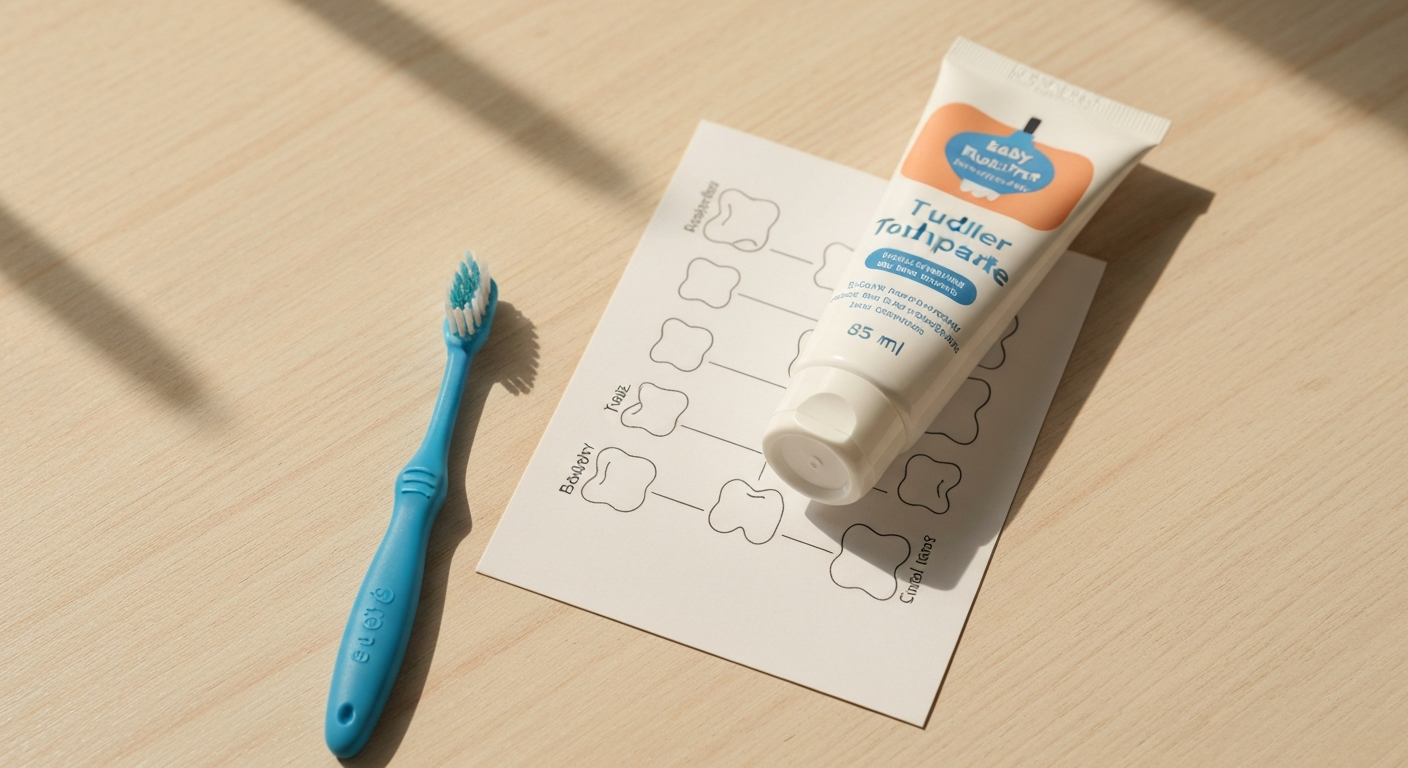

Toddlers grind their teeth primarily because their jaws and teeth are still developing, and the sensation of new teeth emerging feels strange to them — most children outgrow the habit by age six without any lasting damage.
Teeth grinding in toddlers (called bruxism) affects up to 50% of young children at some point. While the sound can be alarming to parents, it's usually a normal developmental phase rather than a sign of a serious problem. The most common triggers include teething discomfort, jaw muscle development, stress or overstimulation, misaligned baby teeth, and sleep-related factors. In rare cases, grinding may signal ear pain, airway issues, or nutritional deficiencies that need attention.
| ✓Our Pick |
Children's toothbrushes and teething toys for grinding relief Used by over 10,000 satisfied customers — an easy, affordable option you can start using today. See on Amazon → |
Most toddler teeth grinding stems from the physical discomfort of teething, the natural process of jaw development, or sensory exploration — not from anxiety or dental problems.
Understanding why your child grinds their teeth helps you know when to simply wait it out and when to seek professional advice.
Teething is the most common cause of teeth grinding in babies and toddlers under age three. When new teeth push through the gums, the pressure and inflammation create an unfamiliar sensation. Your child discovers that pressing their teeth together or moving them back and forth provides counter-pressure that temporarily relieves the discomfort.
This type of grinding typically peaks between 8 and 12 months when the front teeth emerge, and again around 13 to 19 months when the first molars arrive. You'll often notice grinding increases during active teething phases and decreases once the teeth fully break through.
Your toddler's jaw muscles, bones, and nervous system are all developing rapidly. Grinding helps children learn how their upper and lower teeth fit together — a process called occlusal development. Think of it as your child's brain mapping out the new hardware in their mouth.
"Bruxism in children is often a normal part of growth and development. The child is essentially 'testing' the new teeth and learning jaw coordination." — Dr. Paul S. Casamassimo at the American Academy of Pediatric Dentistry
Many toddlers grind simply because they can — the new teeth are interesting, and the grinding sensation provides sensory feedback their developing brain finds satisfying.
Toddlers experience stress differently than adults, but they still feel it. Changes like a new sibling, starting daycare, moving homes, or disrupted sleep schedules can manifest as teeth grinding. Unlike adults who might consciously clench their jaw, toddlers express tension through unconscious physical habits.
Overstimulation before bedtime — such as screen time, exciting play, or sugary snacks — can also increase nighttime grinding. The child's nervous system remains activated during sleep, leading to jaw muscle tension and bruxism.
When upper and lower teeth don't meet evenly (a condition called malocclusion), some children grind unconsciously trying to find a comfortable bite position. Baby teeth often come in slightly crooked or with uneven spacing, which is completely normal but can trigger grinding behavior.
This type of grinding typically resolves on its own as more teeth emerge and the bite naturally adjusts. However, if grinding persists past age six, a pediatric dentist can evaluate whether the permanent teeth are likely to have alignment issues.
Ear infections and teething pain share nerve pathways, so babies and toddlers sometimes grind their teeth as a response to ear discomfort. If your 1-year-old is grinding teeth along with pulling at their ears, running a fever, being unusually fussy, or having trouble sleeping, an ear infection may be the underlying cause.
The grinding in this case is a self-soothing behavior — similar to how some babies rock or bang their heads when they don't feel well. Treating the ear infection typically stops the grinding.
Also Read: Why Is My Tooth Throbbing? 8 Causes & What to Do Now
Research increasingly links childhood bruxism to sleep-disordered breathing, including snoring, mouth breathing, and sleep apnea. When a child's airway is partially blocked during sleep, the brain triggers jaw movement to open the airway — which can result in grinding.
Signs that breathing issues may be contributing include loud snoring, pauses in breathing during sleep, sleeping with the mouth open, restless sleep, and waking up tired. If you notice these patterns alongside grinding, discuss them with your pediatrician.
Most toddler teeth grinding requires no treatment and causes no permanent damage to baby teeth — but certain warning signs indicate you should consult a dentist or pediatrician.
The table below helps you distinguish normal grinding from situations that need professional evaluation:
| Sign | Likely Normal | See a Professional |
|---|---|---|
| Frequency | Occasional, during teething | Every night for weeks |
| Duration | A few minutes | Extended periods (30+ minutes) |
| Tooth appearance | No visible wear | Flattened, chipped, or sensitive teeth |
| Pain | None reported | Child complains of jaw or tooth pain |
| Daytime grinding | Occasional exploration | Constant grinding when awake |
| Associated symptoms | None | Ear pain, headaches, snoring, mouth breathing |
| Age | Under 6 years | Persists past age 6-7 |
"Parents should be concerned if the grinding is causing visible tooth wear, if the child complains of jaw pain or headaches, or if bruxism continues beyond the preschool years." — American Dental Association
You can reduce teeth grinding by addressing underlying causes like teething discomfort, stress, and sleep hygiene — though most toddlers outgrow the habit naturally without intervention.
If teething appears to be the trigger, providing appropriate relief often reduces grinding. Cold teething rings, chilled washcloths, or silicone teethers give your child something safe to chew on that provides the counter-pressure they're seeking through grinding.
Gentle gum massage with a clean finger can also help. Some parents find that giving a dose of infant acetaminophen or ibuprofen (following package directions for age and weight) before bedtime during active teething phases helps their child sleep more comfortably with less grinding.
A calming bedtime routine helps reduce the nervous system activation that contributes to nighttime grinding. Try dimming lights an hour before bed, avoiding screens, keeping the room cool and dark, and following a consistent sequence of activities like bath, books, and songs.
Children who are overtired often grind more. If your toddler is fighting naps or going to bed very late, adjusting their sleep schedule may help. Most toddlers need 11 to 14 hours of total sleep per day, including naps.
The American Academy of Pediatric Dentistry recommends that all children have their first dental visit by age one or within six months of their first tooth emerging. At this visit, you can mention any grinding you've observed.
A pediatric dentist can check for tooth wear, evaluate the bite, and determine whether the grinding is typical developmental behavior or something that needs monitoring. They won't typically recommend a night guard for toddlers — baby teeth are too small and mouths change too quickly for guards to be practical or safe at this age.
Also Read: Why Is My Teeth Cracking? 6 Causes & How to Stop It
Teeth grinding in dogs and cats (called bruxism) is less common than in toddlers and more likely to indicate a medical problem that needs veterinary attention.
Dogs grind their teeth for different reasons than human toddlers. Common causes include dental pain from broken teeth, gum disease, or abscesses; gastrointestinal discomfort or nausea; jaw misalignment; anxiety or stress; and neurological conditions.
Unlike toddler grinding, dog bruxism usually signals that something is wrong. If you hear your dog grinding teeth regularly, schedule a veterinary exam. Dogs often hide dental pain, so grinding may be your only clue that they need treatment.
Cats are even more stoic about hiding pain than dogs, so teeth grinding (often accompanied by drooling or difficulty eating) typically indicates significant dental disease, tooth resorption, mouth ulcers, or oral tumors.
Feline odontoclastic resorptive lesions (FORLs) — a painful condition where teeth essentially dissolve from the inside — affect up to 70% of cats over age five and commonly cause grinding. Any cat grinding teeth should see a veterinarian promptly for an oral exam.
Teeth grinding in toddlers and babies is usually a harmless developmental phase triggered by teething discomfort, jaw muscle development, or sensory exploration. Most children outgrow grinding by age six without any tooth damage. You should consult a dentist or pediatrician if grinding causes visible tooth wear, your child reports jaw or tooth pain, the behavior persists past preschool age, or you notice signs of sleep-disordered breathing like snoring or mouth breathing. For dogs and cats, grinding teeth more commonly signals dental disease or pain and warrants a veterinary visit.
Also Read: Why Is My Tooth Sensitive After a Filling? 6 Causes & Fixes
Nighttime grinding in babies is almost always related to teething or the novelty of having teeth. Babies between 6 and 12 months are particularly prone to grinding during sleep because their brains are processing the new sensory input from emerging teeth even while asleep. This typically decreases once all the teeth for that phase have fully erupted. Creating a calm bedtime environment and offering teething relief before bed can help reduce the intensity.
Mild to moderate grinding rarely causes permanent damage to baby teeth because the enamel on primary teeth is relatively thick and the grinding typically doesn't last long enough to cause significant wear. In severe cases where grinding persists for months and causes visible flattening or chipping, the damage is still limited to baby teeth that will eventually fall out. However, a pediatric dentist should monitor severe cases to ensure no nerve damage occurs.
No — waking a grinding toddler is not necessary and may actually worsen the problem by disrupting their sleep cycle. Sleep disruption can increase stress and fatigue, both of which contribute to more grinding. Instead, focus on preventive measures like calming bedtime routines and addressing any underlying causes during waking hours.
Despite this being a persistent folk belief, no scientific evidence links intestinal parasites to teeth grinding in children. Multiple studies have investigated this claim and found no correlation between parasite infections and bruxism. If you're concerned about parasites for other reasons (digestive symptoms, visible worms in stool), consult your pediatrician, but don't assume grinding indicates an infection.
Most children naturally stop grinding by age six or seven as their permanent teeth begin to emerge and their nervous system matures. The peak grinding years are typically between ages two and four. If grinding continues past age seven or intensifies rather than decreases, a dental evaluation can help determine whether intervention is needed for the permanent teeth.
Reviewed and Updated on May 3, 2026 by George Wright