

Technology
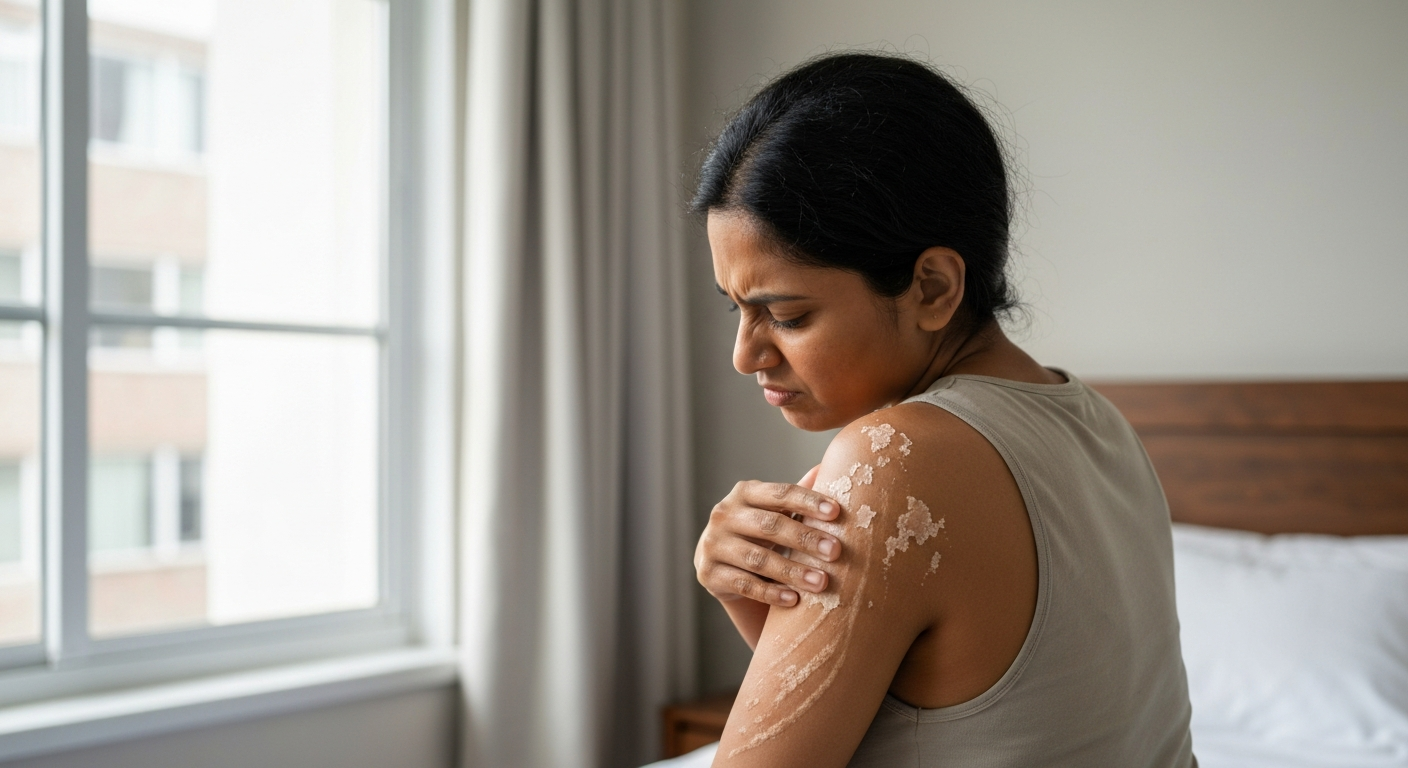

Your tan is peeling off because sun exposure damaged the outer layer of your skin, triggering your body's natural repair response — it sheds dead, UV-damaged cells to make way for healthy new ones underneath.
This peeling, whether across your shoulders after a beach vacation or in flaky patches on your face, is your skin's way of recovering from ultraviolet trauma. The good news: it's usually harmless. The frustrating news: there's no way to stop peeling once it starts, but you can speed healing, minimize discomfort, and prevent it from happening again.
| ✓Our Pick |
Search hydrating after-sun skin repair products Consistently earns five-star reviews — reliable, well-supported, and genuinely effective. See on Amazon → |
When UV rays penetrate your skin, they damage the DNA in your skin cells, and your body responds by eliminating those compromised cells through peeling — it's a protective mechanism, not a flaw.
Here's what happens at the cellular level: UV radiation (both UVA and UVB rays) causes direct damage to the DNA inside your keratinocytes, the cells that make up the outermost layer of your skin (the epidermis). Your body recognizes this damage as potentially dangerous — cells with corrupted DNA can eventually become cancerous if left unchecked.
So your immune system kicks into action. It triggers apoptosis (programmed cell death) in the damaged cells, essentially telling them to self-destruct. This is actually a protective response. At the same time, inflammation increases blood flow to the area, which is why sunburned skin looks red and feels warm.
"Peeling skin is the body's way of shedding damaged cells. When skin is injured by UV radiation, the damaged cells die and are replaced by new cells from below." — Dr. Jennifer Chen at the American Academy of Dermatology
The peeling itself typically begins 2 to 3 days after sun exposure, once enough damaged cells have accumulated and new cells underneath are ready to take their place. This timeline explains why your skin might look fine the day after a sunburn, then suddenly start flaking off later in the week.
Reflected sunlight from water, sand, or snow can nearly double your UV exposure without you noticing.
Water reflects up to 100% of UV rays, sand reflects about 25%, and snow can reflect up to 80%. This means sitting under an umbrella at the beach doesn't protect you nearly as much as you'd think. You can get a significant burn even on cloudy days — up to 80% of UV rays penetrate cloud cover.
Fair skin, certain medications, and some skincare ingredients dramatically increase sun sensitivity.
People with lighter skin produce less melanin, the pigment that provides some natural UV protection. But even if you tan easily, photosensitizing factors can change everything:
| Photosensitizer | How It Increases Sun Damage |
|---|---|
| Retinoids (Retin-A, retinol) | Thin the outer skin layer, reducing natural protection |
| Certain antibiotics (doxycycline, tetracycline) | Absorb UV light and release it into skin cells |
| Some antidepressants (tricyclics, SSRIs) | Alter how skin responds to UV radiation |
| Chemical exfoliants (AHAs, BHAs) | Remove protective dead skin cells |
| Citrus oils applied topically | Contain compounds that react with UV light |
Dehydrated skin has a compromised moisture barrier, making it more vulnerable to UV damage and more likely to peel dramatically.
Your skin's outer layer works best when properly hydrated. Dry skin already has microscopic cracks in its protective barrier. Add UV damage on top, and you get more severe injury and more noticeable peeling. People who live in arid climates or use harsh skincare products often experience worse post-tan peeling.
Hot water strips natural oils and accelerates moisture loss from already-stressed skin, worsening peeling.
When your skin is recovering from UV damage, it needs all the moisture it can retain. Hot showers feel good but remove the lipids (natural fats) that hold moisture in. Lukewarm water is much gentler on sun-damaged skin.
Fake tans don't peel the same way — if your sunless tan is flaking off unevenly, the cause is skin cell turnover, not UV damage.
Self-tanners work by temporarily staining the dead cells on your skin's surface with a compound called dihydroxyacetone (DHA). These cells naturally shed every 2 to 3 weeks. When they slough off, your fake tan goes with them. This isn't the same as sunburn peeling — it's just normal skin turnover revealing untanned cells beneath.
Conditions like eczema, psoriasis, or seborrheic dermatitis can cause excessive flaking that looks like tan peeling but has different causes.
If your skin peels frequently even without sun exposure, or if the peeling is accompanied by itching, redness, or scaly patches, you might have an underlying condition. Sun exposure can actually trigger flares in some inflammatory skin conditions, making the peeling much more dramatic.
Also Read: Why Is My Face Stinging? 8 Causes & How to Fix It Fast
Facial skin is thinner and more sensitive than body skin, so it often peels more noticeably and requires gentler treatment.
The skin on your face is about 0.5mm thick, while body skin can be 2mm or thicker. Your face also has more sebaceous glands and is exposed to more environmental stressors daily. This means facial peeling after sun exposure can look more dramatic — flaky, patchy, and uneven — even if your body skin seems fine.
The most effective approach is supporting your skin's natural healing process rather than trying to force the peeling to stop or speed up.
Drink more water than usual — your body needs extra hydration to produce new skin cells. Externally, apply a gentle, fragrance-free moisturizer multiple times daily. Look for ingredients like:
Avoid anything with fragrance, alcohol, or active ingredients like retinol or AHAs until peeling resolves.
This is the hardest part. Pulling off peeling skin prematurely can:
Let the flakes fall off naturally or come off gently during washing.
Lukewarm water is ideal. Cold water won't help healing, and hot water will make everything worse. Pat skin dry gently — don't rub with a towel.
Skip exfoliating products entirely. Your skin is already shedding cells; it doesn't need help. Use a mild, creamy cleanser without beads, acids, or scrubbing particles.
Pure aloe vera gel (from a plant or a product without added alcohol or fragrance) can soothe irritation. For itching, a 1% hydrocortisone cream applied sparingly can help, but don't use it on broken skin.
Certain common "fixes" actually delay healing or cause additional damage.
| Action to Avoid | Why It Makes Things Worse |
|---|---|
| Exfoliating scrubs | Tears healthy skin along with dead cells |
| Retinol or vitamin C serums | Too harsh for compromised skin barrier |
| Tanning to "even out" the peel | Adds new UV damage on top of existing damage |
| Petroleum jelly on fresh burns | Can trap heat and worsen inflammation |
| Tight or rough clothing | Friction pulls off skin prematurely |
"Picking at peeling skin can lead to scarring and hyperpigmentation. It's best to let the skin shed naturally while keeping it moisturized." — Dr. Shari Marchbein at NYU Langone Dermatology
Most post-tan peeling resolves within a week, but certain symptoms warrant medical attention.
See a dermatologist if you experience:
These symptoms could indicate a more severe burn, an allergic reaction, or an underlying condition that needs professional treatment.
Also Read: Why Is My Shin Bumpy? 8 Causes & How to Treat Them
The only reliable way to prevent peeling is preventing the UV damage that causes it in the first place.
Your tan peels because your body is removing UV-damaged skin cells to protect you from further harm — it's a repair process, not a problem to fix. Support healing by moisturizing heavily, avoiding hot water and exfoliation, and never picking at peeling skin. The peeling will resolve within a week in most cases. To prevent it next time, use SPF 30+ sunscreen consistently, limit peak-sun exposure, and keep your skin well-hydrated before, during, and after time in the sun.
Facial skin is significantly thinner and more sensitive than body skin, so it often shows UV damage more dramatically. Your face also has different oil gland distribution and is typically exposed to sun year-round (unlike areas covered by clothing), making it more reactive to UV stress. Additionally, if you use active skincare products like retinoids or acids on your face, these can increase photosensitivity specifically in that area.
You can experience skin damage and subsequent peeling from UV exposure even without a visible sunburn. Tanning itself is a sign of UV damage — your skin produces extra melanin as a protective response. Even a "healthy tan" indicates some cellular stress, and if that exposure was significant, peeling can follow. You may also have underlying dry skin or a mild skin condition causing the flaking.
Most peeling begins 2 to 3 days after sun exposure and resolves within 7 to 10 days. The timeline depends on the severity of the burn, your skin type, and how well you support the healing process. Severe burns with blistering may peel for up to 2 weeks. If peeling continues beyond 2 weeks without improvement, consult a dermatologist.
No — once the damage is done and your body has initiated the shedding process, you cannot stop it. What you can do is minimize discomfort and support healthy healing by keeping skin moisturized, avoiding irritants, and not picking at the peeling areas. Attempting to "seal" or exfoliate away the peel will only cause more problems.
Yes, typically. The dead cells being shed contain the melanin (tan pigment) that developed in response to UV exposure. The new skin cells underneath have less melanin, so you'll likely notice lighter patches where peeling occurred. This uneven fading is normal and will balance out over time as your skin continues its regular turnover cycle.
Reviewed and Updated on June 10, 2026 by George Wright
