
Technology
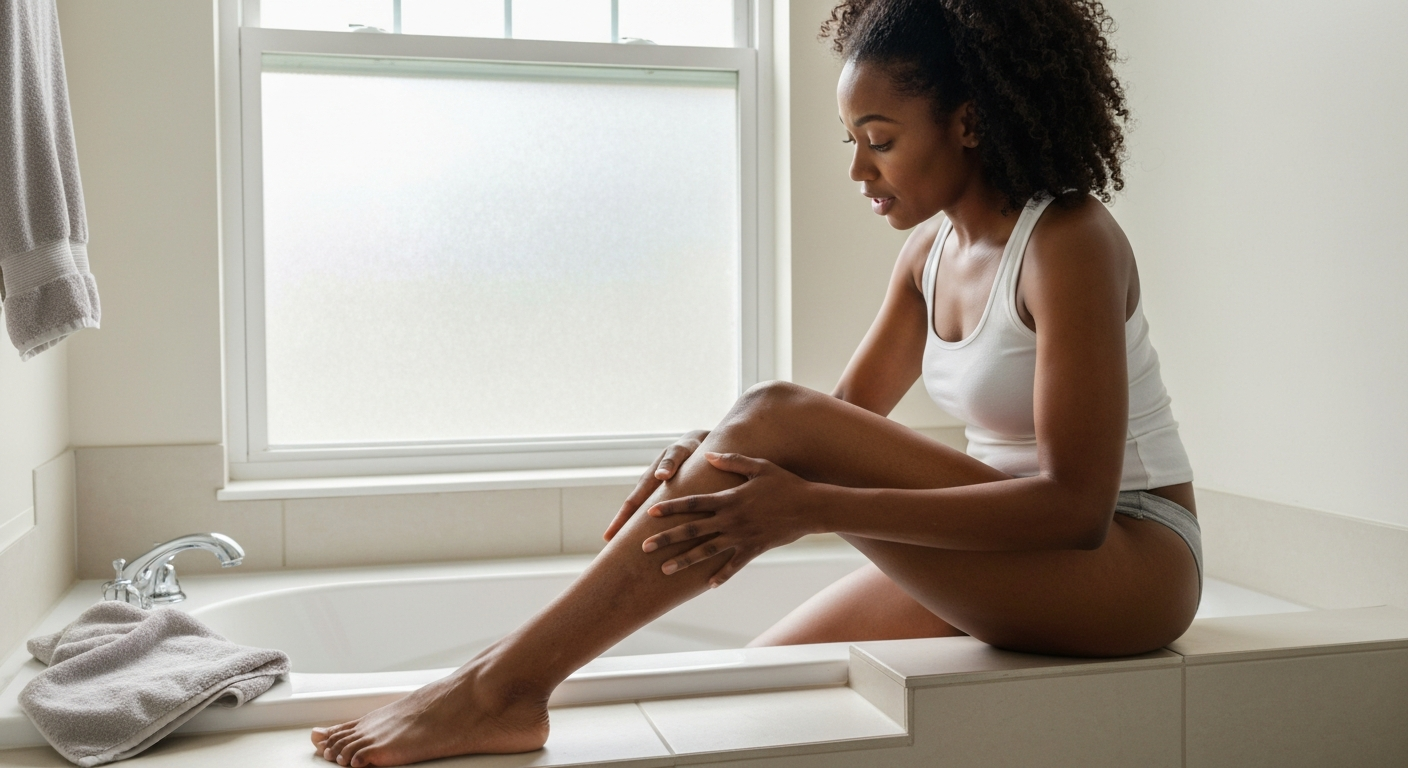

Your shin feels bumpy because of one or more common causes: keratosis pilaris (tiny keratin plugs in hair follicles), dry skin creating rough patches, folliculitis from irritated hair follicles, or conditions like eczema, insect bites, or shin splints that cause localized swelling — most of these resolve with proper moisturizing and gentle exfoliation.
The skin on your shins is thinner than many other body parts and has fewer oil glands, making it particularly prone to dryness, irritation, and visible bumps. In most cases, bumpy shins are a cosmetic concern rather than a medical emergency, but understanding the underlying cause helps you choose the right treatment.
Bumpy texture on your shins typically stems from blocked hair follicles, dry skin conditions, minor infections, or inflammatory responses — identifying which category your bumps fall into determines whether you need moisturizer, medication, or a doctor's visit.
Your shins experience unique stressors: constant friction from pants, exposure to dry air, frequent shaving, and impact from physical activity. These factors create the perfect conditions for various types of bumps to develop.
Keratosis pilaris (KP) is one of the most frequent causes of bumpy skin anywhere on the body, including the shins. This harmless condition occurs when keratin — a protein that protects skin — builds up and plugs hair follicles, creating small, rough bumps that feel like sandpaper.
KP bumps on shins typically appear as:
- Flesh-colored, white, or slightly red bumps
- Dry, rough patches that feel grainy
- Clusters of bumps rather than isolated spots
- Bumps that worsen in dry or cold weather
"Keratosis pilaris is a common, harmless skin condition that causes dry, rough patches and tiny bumps, often on the upper arms, thighs, cheeks or buttocks." — Mayo Clinic Staff at Mayo Clinic
This condition affects up to 40% of adults and is particularly common in people with dry skin, eczema, or allergies.
Absolutely. Your shins have fewer sebaceous glands than your face or back, which means they produce less natural oil. When skin becomes excessively dry, it can develop a rough, bumpy texture even without an underlying condition like KP.
Dry skin bumps on shins often result from:
- Low humidity environments (heated indoor air in winter)
- Hot showers that strip natural oils
- Harsh soaps or body washes
- Inadequate moisturizing after bathing
- Aging, which naturally reduces oil production
Unlike KP, dry skin bumps typically improve dramatically within days of consistent moisturizing.
If you shave your legs, razor bumps (pseudofolliculitis) are a likely culprit. These occur when shaved hairs curl back and grow into the skin, or when follicles become irritated by the shaving process itself.
Razor bumps appear as small, often red or inflamed bumps concentrated where you've shaved. They may feel tender or itchy, and you might notice them worsening a day or two after shaving as hairs begin to regrow.
Also Read: Why Is My Finger Peeling? 9 Causes & What to Do
Several inflammatory and infectious skin conditions preferentially affect the lower legs, creating bumps that range from mildly annoying to genuinely concerning.
Folliculitis — infection or inflammation of hair follicles — commonly affects shins, especially in active people. Bacteria (often Staphylococcus aureus) enter damaged follicles through small cuts, friction, or shaving nicks.
Folliculitis bumps are typically:
- Red with a white or yellow center (resembling pimples)
- Tender or painful to touch
- Sometimes itchy or burning
- Clustered in areas of friction or shaving
Mild cases clear on their own or with antiseptic wash, but persistent or spreading infections need medical treatment.
Eczema (atopic dermatitis) can appear anywhere on the body, including the shins. When it affects the lower legs, it often creates rough, scaly patches with small bumps that itch intensely.
"Atopic dermatitis (eczema) is a condition that causes dry, itchy and inflamed skin. It's common in young children but can occur at any age." — Mayo Clinic Staff at Mayo Clinic
Shin eczema may develop after contact with irritants (certain fabrics, detergents) or as part of a systemic pattern if you have eczema elsewhere on your body.
| ✓Our Pick |
Search moisturizing and skin repair products One of the highest-rated products in its category — a reliable fix used by thousands of people. See on Amazon → |
Not all shin bumps are skin-deep — sometimes the bumpiness you feel comes from underlying tissue, bone, or muscle changes related to physical activity or injury.
Shin splints (medial tibial stress syndrome) primarily cause pain along the inner shinbone, but in some cases, they create palpable bumps or nodules along the tibia. This happens when the muscles and tendons attached to the shin become inflamed and swollen.
You might notice:
- A ridge or series of bumps along the inner shin
- Tenderness when pressing the bumpy area
- Pain that worsens during or after exercise
- Mild swelling that makes the shin feel uneven
If your shin bumps appeared after increasing physical activity — running, jumping, or high-impact sports — shin splints are a strong possibility.
Insect bites frequently target exposed shins, especially during warmer months. While most bites create temporary bumps that resolve within days, some people develop persistent reactions.
Mosquito, chigger, or flea bites can cause bumps that last weeks in sensitive individuals. Scratching introduces bacteria and can lead to secondary infections, prolonging the bumpy appearance.
| Bump Type | Appearance | Duration | Primary Treatment |
|---|---|---|---|
| Keratosis pilaris | Flesh-colored, rough | Chronic | Exfoliation + moisturizer |
| Dry skin | Flaky, rough patches | Days to weeks | Rich moisturizer |
| Razor bumps | Red, tender, inflamed | 1–2 weeks | Warm compress, stop shaving |
| Folliculitis | Pimple-like, pus-filled | 1–2 weeks | Antiseptic wash |
| Eczema | Scaly, intensely itchy | Variable | Steroid cream, moisturizer |
| Shin splints | Ridge along tibia | Weeks to months | Rest, ice, gradual return to activity |
| Bug bites | Red, raised, itchy | Days to weeks | Anti-itch cream, antihistamines |
Most cases of bumpy shins respond well to consistent home care focused on gentle exfoliation, deep moisturizing, and avoiding irritants.
Before treating, examine your bumps closely. Are they rough and dry (likely KP or dry skin), red and inflamed (folliculitis, razor bumps), or tender along the bone (shin splints)? This distinction guides your approach.
For KP and dry skin bumps, regular exfoliation removes dead skin cells and helps dislodge keratin plugs. Use a loofah, exfoliating scrub, or chemical exfoliant containing alpha-hydroxy acids (AHAs) like lactic or glycolic acid.
Exfoliate 2–3 times per week — more than that can irritate skin and worsen bumps.
Apply a thick, hydrating lotion immediately after showering while skin is still damp. Look for ingredients like:
- Urea (helps dissolve keratin plugs)
- Lactic acid (exfoliates and moisturizes)
- Ceramides (repair skin barrier)
- Shea butter or glycerin (intense hydration)
If razor bumps are the issue, switch to a sharp, single-blade razor, shave in the direction of hair growth, and always use shaving cream or gel. Consider reducing shaving frequency or switching to an electric trimmer.
Also Read: Why Is My Foot Numb? 9 Causes & When to Worry
Most shin bumps are harmless, but certain signs indicate you should seek medical evaluation rather than continuing home treatment.
See a healthcare provider if your bumps:
- Spread rapidly or appear suddenly across a large area
- Are accompanied by fever, chills, or feeling unwell
- Contain pus, ooze, or show signs of infection
- Cause significant pain unrelated to touch
- Don't improve after 2–3 weeks of consistent home care
- Are hard, fixed lumps that don't move under the skin
Hard, immovable lumps — especially if they've grown over time — warrant prompt evaluation. While most are benign (such as lipomas or cysts), a doctor should examine any unusual growth.
For shin splint bumps accompanied by severe pain, swelling that doesn't subside with rest, or pain at night, see a sports medicine specialist to rule out stress fractures.
Bumpy shins most commonly result from keratosis pilaris, dry skin, razor bumps, or folliculitis — conditions that respond well to regular exfoliation and consistent moisturizing. Shin splints from physical activity can also create bumpiness along the tibia. Start with gentle exfoliation and a urea or lactic acid-based lotion, and see a doctor if bumps persist beyond three weeks, show signs of infection, or are hard and immovable.
If the bumpiness feels like it's on the bone itself rather than the skin surface, you're likely feeling normal anatomical variations, scar tissue from old injuries, or inflammation from shin splints. The tibia naturally has ridges where muscles attach. However, new lumps on the bone that appeared recently should be evaluated by a doctor to rule out bone spurs, cysts, or other growths.
Rarely. In most cases, bumpy shins indicate common, treatable conditions like KP or dry skin. However, certain serious conditions can affect shin skin — erythema nodosum causes painful red nodules and may signal an underlying inflammatory condition, while pretibial myxedema creates waxy bumps and is associated with thyroid disorders. If bumps are painful, hard, rapidly changing, or accompanied by other symptoms, get a medical evaluation.
KP is a chronic condition that improves with treatment but rarely disappears completely. With consistent use of exfoliating and moisturizing products, you should see noticeable improvement within 4–6 weeks. Many people find KP improves naturally with age, and it often lessens during humid summer months.
If razor bumps are your primary issue, temporarily stopping shaving gives follicles time to heal — typically 2–3 weeks. When you resume, use proper technique: warm water to soften hair, sharp razor, shaving cream, short strokes with the grain, and moisturizer afterward. If bumps are from KP or dry skin, shaving generally isn't the cause, though it can worsen dryness if you skip post-shave moisturizer.
Lower humidity levels in winter — both outside and in heated indoor spaces — dramatically reduce skin moisture. Your shins, already prone to dryness due to fewer oil glands, are especially vulnerable. KP also typically worsens in cold, dry weather. Counteract this by using a humidifier indoors, taking lukewarm (not hot) showers, and applying thick moisturizer immediately after bathing throughout the winter months.
Reviewed and Updated on June 9, 2026 by George Wright