Technology
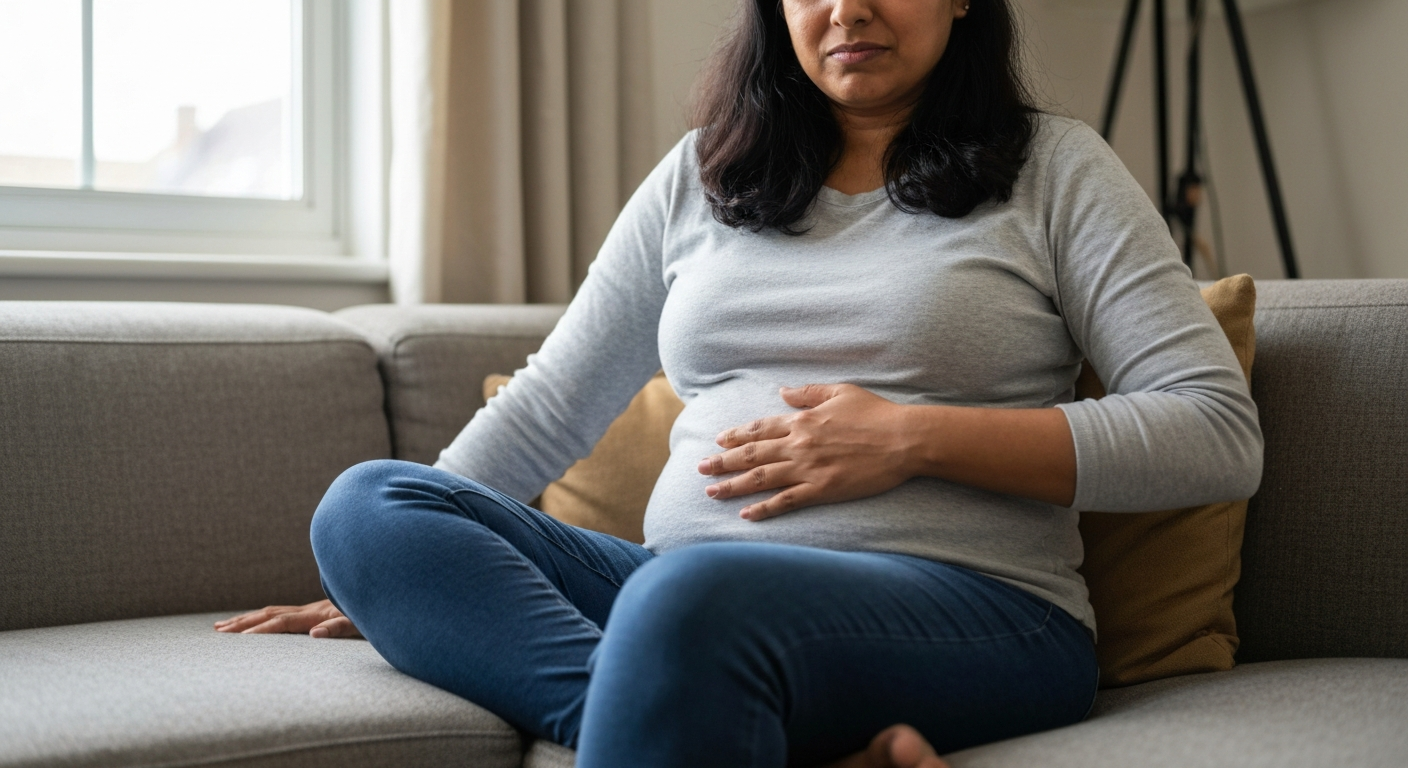

Your stomach feels hard because something is creating pressure, tension, or swelling beneath the abdominal wall — and the cause depends on exactly where the hardness is, when it happens, and what other symptoms you have.
A hard stomach can result from something as harmless as gas and bloating after a large meal, or it can signal constipation, muscle tension, pregnancy, or — less commonly — a condition that needs medical attention. The location matters: hardness at the top often points to the stomach or liver, while a hard lower abdomen in women may involve reproductive organs. Most causes resolve on their own or with simple fixes, but persistent hardness with pain, vomiting, or visible swelling warrants a doctor's visit.
| ✓Our Pick |
Clinically backed digestive health supplements Highly rated by thousands of buyers — this is one of the most effective solutions for this issue you can try at home. Learn More → |
A hard abdomen happens when something increases internal pressure, tightens the muscles, or causes tissue swelling — and understanding the mechanism helps you identify what's going on.
Your abdominal wall is made of layers of muscle and connective tissue. When organs beneath expand, fill with gas or fluid, or become inflamed, that soft wall turns rigid. Here are the most frequent culprits.
Gas is the single most common reason your stomach feels hard and bloated. When you swallow air or bacteria ferment food in your intestines, gas accumulates and stretches the intestinal walls outward. This pushes against your abdominal muscles, making your belly feel tight, distended, and firm to the touch.
You'll notice this hardness tends to be generalized — not localized to one spot — and it often comes with a visibly swollen belly, rumbling sounds, and the urge to pass gas or belch. The hardness typically peaks 1–3 hours after eating and eases once the gas moves through.
Yes — constipation is a leading cause of a hard lower abdomen. When stool backs up in the colon, it creates a physical mass that you can sometimes feel through the abdominal wall. The colon sits in a horseshoe shape around your lower abdomen, so backed-up stool often makes the bottom of your stomach feel hard, particularly on the left side where the descending colon runs.
"Chronic constipation can cause the abdomen to feel firm and distended. Patients often describe a sensation of fullness or hardness in the lower quadrants." — Dr. Satish Rao at Augusta University Medical Center
If you haven't had a bowel movement in several days and your lower stomach feels hard and crampy, constipation is the likely cause.
Your stomach physically expands to accommodate food — a full meal can stretch it from about 75 ml empty to over 1 liter. This sudden expansion pushes outward against your abdominal wall, creating temporary hardness that's most noticeable at the top of your abdomen (where the stomach organ sits, just below the ribs on the left side).
Eating too quickly compounds this effect because you swallow more air and give your stomach less time to relax and accommodate. Fatty or high-fiber meals take longer to empty, prolonging that full, hard sensation.
Absolutely. Your rectus abdominis (the "six-pack" muscles) and obliques can contract involuntarily due to stress, anxiety, poor posture, or overexertion. When these muscles are tense, your entire midsection feels firm even though nothing is wrong with the organs beneath.
Stress-related muscle guarding is especially common. Your body's fight-or-flight response triggers core muscles to brace protectively. If you've been under chronic stress, you may notice your stomach always feels hard — even first thing in the morning before eating.
Also Read: Why Is My Stomach Burning? 11 Causes & How to Stop It
During pregnancy, the uterus expands dramatically and eventually fills most of the abdominal cavity. By the second and third trimesters, the uterine wall becomes firm and easily palpable through the abdomen. This is completely normal — you're feeling the muscular uterus, not bloating or digestive issues.
Additionally, pregnant women experience Braxton Hicks contractions, which cause the uterus to temporarily harden and then relax. These "practice contractions" are harmless and usually painless, though they can be startling if you don't know what they are.
| Trimester | Why Stomach Feels Hard |
|---|---|
| First (weeks 1–12) | Bloating and hormonal changes; uterus still small |
| Second (weeks 13–26) | Expanding uterus becomes palpable above pubic bone |
| Third (weeks 27–40) | Large uterus; Braxton Hicks contractions; baby movements |
For women, a hard lower abdomen — particularly on one side — can indicate an ovarian cyst or uterine fibroid. These benign growths can become quite large, creating a palpable mass that makes the lower belly feel firm and sometimes visibly swollen.
Ovarian cysts typically cause one-sided hardness and may come with pelvic pain, bloating, or menstrual irregularities. Fibroids often cause a hard lower abdomen that's more centralized, along with heavy periods and a frequent urge to urinate.
A hard upper abdomen — at the top, just below the ribs — usually involves the stomach organ, liver, or spleen. Common causes include:
The liver sits in the upper right quadrant, so hardness specifically on the right side at the top may warrant a check of liver function. The stomach and spleen sit on the left, so upper left hardness is more likely digestive.
Ascites — the medical term for fluid accumulation in the abdominal cavity — makes the entire abdomen feel firm and distended. Unlike gas bloating, ascites creates a heavy, tight sensation that doesn't fluctuate much throughout the day.
Ascites is more serious than other causes on this list. It typically results from liver cirrhosis, heart failure, or kidney disease. The abdomen often looks visibly swollen and may feel hard throughout, not just in one area.
Yes. An abdominal hernia occurs when tissue pushes through a weak spot in the abdominal wall, creating a bulge that may feel firm or hard. Hernias often become more noticeable when you strain, cough, or lift heavy objects.
"A hernia presents as a localized bulge that may feel firm. It often becomes more prominent with increased abdominal pressure and may reduce when lying down." — American College of Surgeons
If you notice a hard lump in your stomach area that comes and goes, especially around the belly button or groin, a hernia is a possibility worth having examined.
| ✓Quick Fix |
See What Solves This in Minutes Most people dealing with this exact problem start here — quick, affordable, and easy to try today. See on Amazon → |
The specific location of abdominal hardness narrows down the cause significantly because different organs occupy different quadrants.
| Location | Most Likely Causes |
|---|---|
| Upper stomach / top of abdomen | Gas in stomach, overeating, liver enlargement, gastritis |
| Lower stomach / bottom | Constipation, full bladder, ovarian cyst, fibroids, pregnancy |
| Left side | Constipation (descending colon), spleen issues, gas in large intestine |
| Right side | Liver issues, gallbladder, appendix (lower right) |
| Generalized / entire abdomen | Bloating, ascites, obesity, muscle tension |
If your stomach is hard all the time versus only sometimes, the distinction helps identify whether you're dealing with a structural issue or a functional one.
Intermittent hardness — hard after meals, soft when you wake up — points to digestive causes like gas, bloating, or constipation. Your stomach returns to normal once food moves through or gas passes.
Constant hardness that doesn't change suggests something more persistent: muscle tension, abdominal fat distribution, a mass, fluid, or pregnancy. If your stomach has been hard for weeks without variation, this pattern warrants medical evaluation.
Most cases of abdominal hardness resolve on their own, but certain red flags mean you should seek medical attention promptly.
See a doctor if you experience:
These symptoms can indicate bowel obstruction, appendicitis, or other conditions requiring prompt treatment.
Also Read: Why Is My Poop Green and My Stomach Hurts? 7 Causes & Fixes
For most people, a hard stomach is a temporary digestive issue that responds well to simple interventions.
Eat smaller, more frequent meals rather than large ones. Chew slowly to reduce swallowed air. Identify and reduce foods that trigger bloating for you — common culprits include beans, cruciferous vegetables, dairy (if lactose intolerant), carbonated drinks, and artificial sweeteners.
A 10–15 minute walk after eating helps move gas through your intestines faster. Lying on your left side can help trapped gas pass more easily through the colon's natural anatomy.
Increase fiber gradually (too fast causes more gas), drink plenty of water, and consider a gentle osmotic laxative if you've been backed up for several days. Regular exercise also promotes bowel regularity.
If muscle tension is contributing, practices like diaphragmatic breathing, yoga, or progressive muscle relaxation can help your abdominal muscles release their chronic guarding.
A hard stomach is usually caused by gas, bloating, constipation, muscle tension, or — in women — pregnancy or reproductive issues. The location of the hardness matters: upper hardness points to the stomach or liver, lower hardness suggests the colon, bladder, or reproductive organs. Most cases resolve with dietary changes, movement, and addressing constipation. However, persistent hardness with pain, fever, vomiting, or progressive swelling should be evaluated by a doctor to rule out conditions like bowel obstruction, hernias, or ascites.
Upper abdominal hardness with a soft lower abdomen typically indicates the stomach organ is distended — from gas, overeating, or delayed emptying (gastroparesis). The stomach sits just below your left ribs, so fullness there creates localized firmness. Less commonly, liver or spleen enlargement can cause upper hardness. If it persists beyond a few hours after eating, or comes with pain, nausea, or vomiting, see a doctor.
A large, hard abdomen without pregnancy is usually caused by visceral fat (fat stored around organs), chronic bloating from dietary triggers, or fluid accumulation (ascites). Hormonal changes during perimenopause can also redistribute fat to the midsection. If the hardness developed suddenly, keeps increasing, or comes with other symptoms like shortness of breath or leg swelling, medical evaluation is important to rule out fluid retention from heart, liver, or kidney issues.
The left side of your abdomen contains the descending colon, part of the stomach, the spleen, and the left kidney. Constipation commonly causes left-sided hardness because stool accumulates in the descending colon before moving to the rectum. Gas trapped in the large intestine also tends to settle on the left. Less commonly, an enlarged spleen or issues with the left kidney can cause localized firmness.
A constantly hard stomach — regardless of meals — suggests chronic muscle tension (often stress-related), significant visceral fat, or an underlying condition like ascites or a mass. It can also indicate chronic slow-transit constipation where stool is always partially backed up. If dietary changes and stress reduction don't help after 2–3 weeks, see a doctor for evaluation including a physical exam and possibly imaging.
A hard stomach during pregnancy is almost always normal — you're feeling the expanding uterus and, later, Braxton Hicks contractions. These practice contractions cause temporary hardening that relaxes after a minute or two. However, if the hardness is constant, painful, accompanied by bleeding, or happens in a regular pattern before 37 weeks, contact your healthcare provider to rule out preterm labor or other complications.
Reviewed and Updated on June 20, 2026 by George Wright