Technology
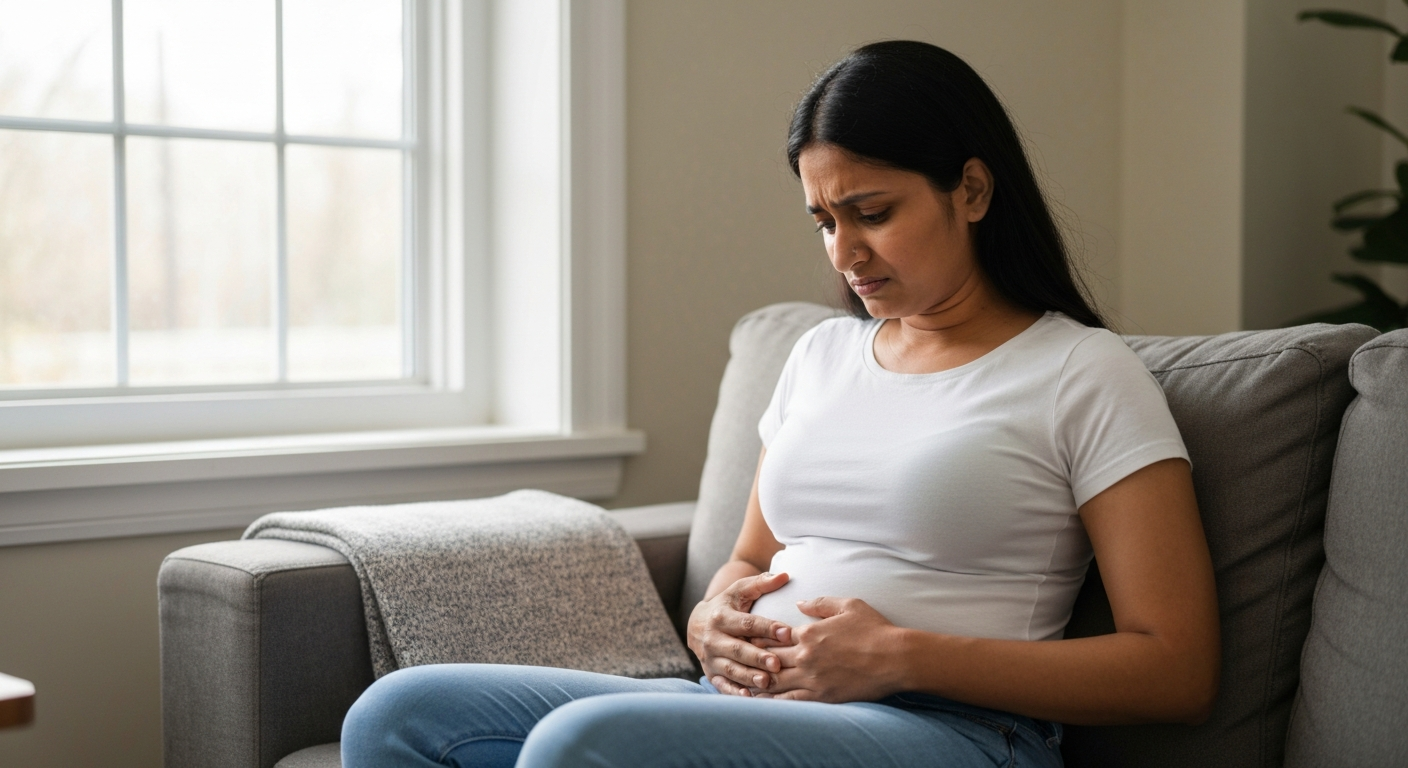

Green poop combined with stomach pain usually signals that food is moving through your intestines too quickly for bile to break down completely, often caused by a stomach bug, food poisoning, or something green you recently ate — and while it's usually harmless and resolves within a day or two, persistent symptoms may indicate an underlying digestive issue that needs attention.
| ✓Our Pick |
Science-backed digestive health supplements for gut comfort This is what many people find solves the problem quickly, without a costly professional visit. Learn More → |
The green color happens because bile — the yellow-green digestive fluid your liver produces — doesn't have enough time to fully break down as food rushes through your system, and the stomach pain often comes from whatever is speeding things along.
Your stool normally turns brown through a chemical process. Bile starts out green, then bacteria in your intestines convert it to brown as food moves at a normal pace. When something disrupts this process — whether it's an infection, a dietary trigger, or a digestive condition — you end up with green stool and often accompanying discomfort.
"When stool passes through the intestines rapidly, there's less time for bile pigments to undergo their normal chemical changes from green to brown." — Dr. Michael Picco at Mayo Clinic
The combination of green stool and stomach pain is your body's way of telling you that something has thrown off your normal digestive rhythm.
Also Read: Why Is My Stomach Burning? 11 Causes & How to Stop It
| ✓Quick Fix |
The Quick Fix Most People Reach for First Many readers dealing with this exact issue start with something like this before trying anything else. See on Amazon → |
Food poisoning is one of the most common reasons for sudden green diarrhea with stomach cramps, and it typically hits within hours of eating contaminated food.
When harmful bacteria like Salmonella or E. coli enter your digestive system, your body tries to flush them out as quickly as possible. This rapid transit means bile stays green. The stomach pain, cramping, and nausea are your immune system's inflammatory response to the invaders.
Symptoms usually peak within 24 to 48 hours and resolve on their own. However, if you develop a fever above 101.5°F, see blood in your stool, or can't keep fluids down for more than a day, you need medical attention.
Viral gastroenteritis (the stomach flu) speeds up digestion dramatically, resulting in watery green or yellow-green stools alongside cramping, nausea, and sometimes vomiting.
Norovirus and rotavirus are the usual culprits in 2026. These highly contagious bugs inflame your intestinal lining, triggering rapid contractions that push food through before bile can be properly processed. The stomach pain comes from both the inflammation and the intense intestinal spasms.
Most people recover within one to three days with rest and hydration. The green color is temporary and will return to brown once the virus clears.
Eating large amounts of spinach, kale, broccoli, or other chlorophyll-rich foods can turn your stool green — and if you're not used to high-fiber meals, the fiber itself can cause stomach discomfort.
Chlorophyll is the pigment that makes plants green, and your body can't fully break it down. When you eat a big salad or a green smoothie, that pigment passes through and tints your stool. The stomach pain often comes from the sudden fiber increase, which can cause gas, bloating, and cramping as your gut adjusts.
This is completely harmless. If you've recently increased your vegetable intake and notice green stool with mild discomfort, your digestive system just needs time to adapt.
Artificial food coloring — especially blue and green dyes found in candy, sports drinks, ice cream, and frosted baked goods — can absolutely turn your stool green.
Blue dye mixed with the yellow bile in your intestines creates green. Kids' birthday party aftermath is a classic example: green poop the day after eating blue-frosted cake is nothing to worry about. The stomach discomfort might come from the sugar overload rather than the dye itself.
Check ingredient labels for Blue No. 1, Green No. 3, or similar artificial colors if you're trying to identify the source.
Antibiotics disrupt your gut microbiome — the community of bacteria that helps process bile — and this disruption commonly leads to green stool and stomach upset.
Your intestinal bacteria play a crucial role in converting bile from green to brown. When antibiotics kill off some of these bacteria (along with the harmful ones they're targeting), bile processing becomes incomplete. The result is green or yellow-green stool, often accompanied by cramping, bloating, or diarrhea.
"Antibiotic-associated diarrhea occurs in about 1 in 5 people who take antibiotics. The diarrhea is usually mild and clears up shortly after you stop taking the antibiotic." — Mayo Clinic Staff at Mayo Clinic
Taking probiotics during and after antibiotic treatment can help restore your gut balance faster.
Irritable bowel syndrome (IBS) and other digestive conditions can cause green stool during flare-ups when intestinal contractions speed up and food moves through too quickly.
IBS affects how your intestines contract. During a flare-up — often triggered by stress, certain foods, or hormonal changes — those contractions can become rapid and forceful. This pushes food through before bile has time to break down, resulting in green stool alongside the cramping, bloating, and pain that characterize IBS.
If you notice a pattern of green stool during stressful periods or after eating specific trigger foods, IBS or a related condition might be worth discussing with your doctor.
When bile backs up from your small intestine into your stomach, it can cause burning stomach pain and eventually lead to green-tinged stool.
Bile is supposed to flow from your gallbladder into your small intestine. Sometimes it flows backward, irritating your stomach lining and causing pain, nausea, and a bitter taste. This is more common after gallbladder surgery or in people with certain digestive abnormalities.
The green stool happens because the bile involved in this reflux eventually makes its way through your system without being fully processed.
| Cause | Other Symptoms | Typical Duration | When to Seek Help |
|---|---|---|---|
| Food poisoning | Nausea, vomiting, fever, diarrhea | 1–3 days | Fever over 101.5°F, bloody stool, severe dehydration |
| Stomach virus | Watery diarrhea, vomiting, low fever | 1–3 days | Can't keep fluids down for 24+ hours |
| Green vegetables | Bloating, gas, mild cramping | 1–2 days | None needed — this is normal |
| Food dyes | Usually none | 1–2 bowel movements | None needed |
| Antibiotics | Diarrhea, cramping, bloating | Duration of treatment + days after | Severe diarrhea, blood in stool |
| IBS flare-up | Cramping, bloating, alternating constipation/diarrhea | Variable | Symptoms interfering with daily life |
| Bile reflux | Burning pain, nausea, bitter taste | Ongoing without treatment | Persistent symptoms |
Also Read: Why Is My Poop Yellow? 7 Causes & When to Worry
If your dog's poop is green and they seem uncomfortable, the causes overlap with humans — they may have eaten too much grass, gotten into something they shouldn't have, or picked up a gastrointestinal infection.
Dogs eat grass instinctively when their stomach is upset, and that chlorophyll turns their stool green. It's also possible they've eaten something toxic (like certain plants or chemicals) or have a bacterial infection, parasites, or gallbladder issue.
Watch for additional symptoms: vomiting, lethargy, loss of appetite, or blood in the stool. One episode of green poop after grass-eating is usually nothing to worry about. Multiple episodes with other symptoms warrant a vet visit.
| 🐾Find a Vet |
Find a specialist vet near you VetClinic.info is a free directory of board-certified specialist vets across the US — find an orthopedic surgeon, oncologist, neurologist, or emergency clinic near you in seconds. Find Near You → |
Most cases of green stool with stomach pain resolve on their own within a couple of days with simple at-home care focused on hydration and gentle eating.
Start with clear fluids: water, broth, or electrolyte drinks. Your gut is irritated, so avoid making it work harder than necessary. Once the cramping eases, introduce bland foods — the classic BRAT diet (bananas, rice, applesauce, toast) gives your digestive system a break while providing gentle nutrition.
Avoid dairy, fatty foods, caffeine, and alcohol until symptoms fully resolve. These can all irritate an already sensitive gut and prolong your discomfort.
Peppermint tea may help ease cramping for some people, though it can worsen symptoms if you have acid reflux. Ginger tea is generally safer and has mild anti-nausea properties.
Rest is underrated. Your body is fighting something off, and sleep helps it do that job.
Seek medical attention if your green stool and stomach pain last longer than three days, or immediately if you notice warning signs like blood, high fever, or signs of dehydration.
Red flags that require prompt evaluation include:
Your doctor may order stool tests to check for bacterial or parasitic infections, blood work to assess inflammation or dehydration, or imaging studies if they suspect a structural issue.
"Most cases of diarrhea clear on their own within a couple of days without treatment. If you've tried lifestyle changes and home remedies for diarrhea without success, your doctor might recommend medications or other treatments." — Mayo Clinic Staff at Mayo Clinic
Also Read: Why Is My Urine Cloudy? 9 Causes & When to See a Doctor
Preventing green poop and stomach pain comes down to food safety habits, gradual dietary changes, and supporting your gut microbiome.
Practice food safety: wash hands before eating, cook meats to proper temperatures, refrigerate leftovers promptly, and be cautious with raw foods when traveling. Food poisoning is largely preventable.
If you're adding more vegetables to your diet (good for you!), do it gradually. A sudden fiber increase overwhelms your gut. Increase by small amounts each week.
Support your gut bacteria with fermented foods like yogurt, kefir, sauerkraut, or kimchi — especially if you've recently taken antibiotics. A diverse microbiome processes bile more efficiently and keeps your digestion running smoothly.
Stay hydrated daily, not just when you're sick. Adequate fluid intake keeps everything moving at the right pace through your digestive system.
Green poop with stomach pain is usually your body's response to rapid digestion — whether from an infection, a food trigger, or a temporary gut disruption. The green color comes from bile that didn't have time to break down, and the pain comes from whatever caused the speed-up. Most cases resolve within one to three days with rest, hydration, and bland foods. See a doctor if symptoms persist beyond three days, if you develop a high fever, or if you notice blood in your stool. For dogs with green poop, grass-eating is the most common harmless cause, but persistent symptoms or lethargy warrant a vet visit.
Green stool without eating green foods usually points to rapid intestinal transit from an infection, stress, or a digestive condition. When food moves through too quickly, bile doesn't have time to change from green to brown. Antibiotics can also cause this by disrupting the gut bacteria responsible for bile processing. If the green color persists for more than a few days without an obvious dietary cause, it's worth mentioning to your doctor.
Yes, stress can turn your poop green. The gut-brain connection is powerful — anxiety and stress trigger the release of hormones that speed up intestinal contractions. This rapid transit means bile stays green. Stress-related green stool often comes with cramping, urgency, and loose consistency. If you notice this pattern during high-stress periods, stress management techniques and possibly talking to a doctor about IBS are good next steps.
Dogs eat grass instinctively when they have an upset stomach, and the chlorophyll in grass turns their stool green. This is usually harmless and self-limiting. However, if your dog is eating grass frequently, seems unwell, or has other symptoms like vomiting or lethargy, they may have an underlying digestive issue worth investigating with a vet.
Green stool from a stomach virus typically returns to brown within one to three days after the active infection resolves. Your gut needs time to recover and restore normal bile processing. If green stool persists for more than a week after other symptoms have cleared, your gut bacteria may still be imbalanced — probiotics can help speed recovery.
Bright green poop usually indicates a dietary cause (green vegetables, food dye) or very rapid transit. Dark green stool can indicate the same things but is sometimes confused with black stool, which can signal upper gastrointestinal bleeding. If your stool appears black and tarry rather than dark green, or if you're unsure, contact a healthcare provider — especially if you're also experiencing stomach pain or weakness.
Reviewed and Updated on June 20, 2026 by George Wright