Health
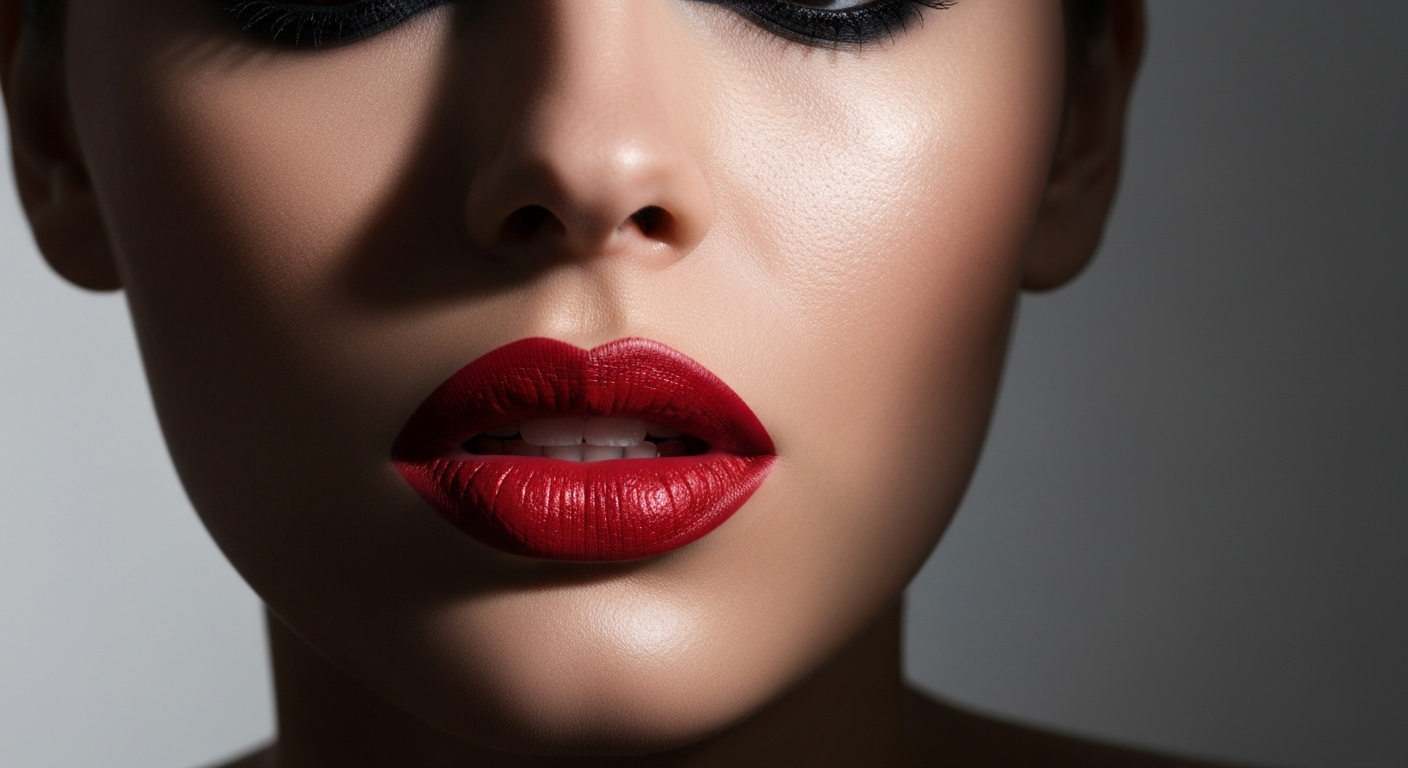

Your lip is swelling for no apparent reason most likely because of an allergic reaction, a minor injury you didn't notice, or an infection — and while most causes are harmless and resolve within hours to days, sudden swelling that affects your breathing or spreads to your throat requires immediate emergency care.
Waking up to a puffy lip or watching your bottom lip balloon out of nowhere can be alarming. The good news is that random lip swelling usually has an identifiable trigger, even if it takes some detective work to find it. Your lips are packed with blood vessels and loose tissue, which makes them swell faster and more dramatically than other parts of your face. Understanding why your lip is swelling up — whether it's one side, the bottom lip, or the whole thing — helps you decide whether you need a doctor, an antihistamine, or just some patience.
Lip swelling happens when fluid accumulates in the tissue, triggered by inflammation, trauma, infection, or immune system reactions — and the specific cause determines whether the swelling is on one side, affects your bottom lip, or involves both lips equally.
Your lips have minimal structural support compared to the rest of your face. They contain no bones and very little fat, just skin, muscle, and a dense network of tiny blood vessels. When something irritates or damages the tissue, inflammatory chemicals like histamine flood the area. These chemicals cause blood vessels to leak fluid into surrounding tissue, producing visible swelling within minutes.
The location of your swelling often provides clues. Swelling on one side typically points to localized causes like an insect bite, a canker sore, or trauma to that specific area. When your bottom lip is swelling while the top remains normal, the culprit is often something that contacted only that lip — a food allergen, a new lip product, or even sunburn. Symmetrical swelling affecting both lips equally suggests a systemic cause like a medication reaction or a food allergy.
Allergic reactions are the most common reason lips swell without obvious cause, and they can happen even to substances you've used safely for years.
Your immune system can suddenly decide that a previously tolerated substance is a threat. This phenomenon, called sensitization, explains why your lip might swell from a lipstick you've worn dozens of times or a food you've eaten your whole life. Common lip allergy triggers include:
| Trigger Category | Specific Examples |
|---|---|
| Cosmetics | Lipstick, lip balm, lip gloss, lip liner, matte liquid lips |
| Oral care products | Toothpaste (especially cinnamon or mint), mouthwash |
| Foods | Tree nuts, shellfish, eggs, soy, wheat, sesame |
| Medications | NSAIDs (ibuprofen), ACE inhibitors, antibiotics |
| Environmental | Latex (from gloves or balloons), pollen, pet dander |
Allergic angioedema — the medical term for allergy-related swelling in soft tissues — typically develops within minutes to two hours of exposure. The swelling may last 24 to 72 hours even after the trigger is removed.
"Angioedema often occurs together with hives (urticaria), but it can also occur alone. It typically affects areas with loose tissue, including the lips, eyelids, and genitals." — American Academy of Allergy, Asthma & Immunology
Also Read: Why Is My Nostril Swollen? 7 Causes & How to Get Relief
Yes — contact dermatitis from lip products frequently causes asymmetric swelling because most people apply products unevenly, concentrating more on their dominant side.
Contact dermatitis differs from a true allergy. While allergies involve your immune system, contact dermatitis is a localized skin reaction to an irritating or sensitizing substance. You might notice your lip swelling on one side, along with redness, dryness, or tiny blisters.
Common culprits in lip products include:
The reaction can appear immediately or take up to 48 hours to develop. If you recently switched lip products or tried a sample, that's your likely trigger.
| ✓Our Pick |
Quality supplements to support your overall health Trusted by professionals and everyday users alike — a smart investment that pays for itself. Learn More → |
Your bottom lip is more exposed to trauma, sun damage, and contact with irritants than your upper lip, making it more prone to random swelling.
Think about how your lips interact with the world. Your bottom lip juts out slightly, catching more sun exposure and more accidental contact with hot drinks, spicy foods, and dental instruments. Several conditions specifically target the lower lip:
Actinic cheilitis is sun damage to the lips. It primarily affects the bottom lip because of its sun-facing position. Chronic actinic cheilitis causes recurrent swelling, dryness, and cracking. Fair-skinned individuals and those with outdoor occupations are at highest risk.
Cheilitis glandularis is inflammation of the minor salivary glands in the lip. It almost exclusively affects the lower lip, causing persistent swelling, tenderness, and sometimes discharge from tiny gland openings. Middle-aged men are most commonly affected.
Mucoceles are fluid-filled cysts that form when a salivary gland duct becomes blocked. They appear most often on the inner surface of the lower lip after accidental biting or trauma. A mucocele creates a painless, bluish bump that can make your bottom lip appear swollen.
Infections from bacteria, viruses, or fungi cause lip swelling accompanied by pain, warmth, redness, or visible sores — distinguishing them from allergic swelling which is usually painless.
Viral infections are common lip-swelling culprits. Herpes simplex virus (HSV-1) causes cold sores, but swelling often precedes the visible blisters by 24 to 48 hours. You might notice tingling, burning, or itching followed by localized swelling before any sore appears. Roughly 67% of the global population under age 50 carries HSV-1, according to the World Health Organization.
Bacterial infections typically follow a break in the skin — a cracked corner of the mouth, a popped pimple, or an accidental bite. Impetigo and cellulitis can spread rapidly, causing one-sided swelling with increasing redness, warmth, and pain.
"Cellulitis is a common bacterial skin infection that causes redness, swelling, and pain in the infected area of the skin. If untreated, it can spread and cause serious health problems." — Centers for Disease Control and Prevention
Angular cheilitis — cracking and inflammation at the corners of the mouth — can be caused by fungal overgrowth (Candida) or bacterial infection. While it primarily affects the corners, the associated inflammation can extend to the lips themselves.
Also Read: Why Is My Throat Itchy? 8 Causes & How to Get Relief
ACE inhibitors for blood pressure are the most notorious medication cause of lip swelling, but NSAIDs, antibiotics, and even aspirin can trigger it.
Drug-induced angioedema accounts for a significant portion of unexplained lip swelling cases. ACE inhibitors (medications ending in "-pril" like lisinopril, enalapril, and ramipril) cause angioedema in approximately 0.1% to 0.7% of users — but because millions of Americans take these drugs, the absolute number of cases is substantial.
The tricky part: ACE inhibitor angioedema can occur after months or even years of safely taking the medication. Unlike allergic reactions, this type doesn't involve histamine, which means antihistamines won't help much.
Other medications associated with lip swelling include:
If you started any new medication in the past few months and your lip is randomly swelling, discuss the possibility of drug-induced angioedema with your prescribing doctor.
Hereditary angioedema (HAE) is a rare genetic condition causing recurrent swelling episodes without hives, and it should be considered if you experience repeated "unexplained" swelling.
HAE affects roughly 1 in 50,000 people. It results from a deficiency or dysfunction of a protein called C1-inhibitor. Without adequate C1-inhibitor, a cascade of reactions leads to fluid leaking into tissues, causing swelling in the lips, face, hands, feet, genitals, or intestines.
Key characteristics that distinguish HAE from allergic angioedema:
If you've had multiple unexplained swelling episodes — especially without hives — ask your doctor about testing for HAE. Early diagnosis prevents dangerous complications, including throat swelling that can obstruct breathing.
Minor injuries you don't remember — an accidental bite while sleeping, a hot drink burn, or bumping your lip — explain many cases of "random" lip swelling on one side.
Your lips are more delicate than other facial tissues. The skin is thinner, the underlying tissue softer, and the blood supply richer. A minor insult that wouldn't cause noticeable swelling elsewhere produces dramatic puffiness in the lip.
Common trauma-related causes include:
The swelling from minor trauma usually peaks within 24 hours and resolves within three to five days. Ice packs and over-the-counter anti-inflammatory medications speed recovery.
Dry air, extreme temperatures, dehydration, and certain foods can cause your lips to swell without involving a true allergic reaction.
Environmental irritants cause non-allergic swelling through direct tissue irritation. In 2026, with record-breaking temperature swings becoming more common, more people report weather-related lip problems.
Cold weather causes lips to chap and crack. The damaged skin becomes inflamed, leading to swelling. Wind exposure worsens the effect by stripping natural moisture.
Dry indoor air from heating systems in winter and air conditioning in summer dehydrates lip tissue. Chronically dry lips become prone to fissures and inflammation.
Certain foods cause non-allergic swelling through direct irritation. Citrus fruits, tomatoes, spicy peppers, and heavily salted foods can all irritate sensitive lip tissue. This isn't an allergy — it's a chemical or mechanical irritation.
Dehydration reduces blood flow to peripheral tissues, making lips more vulnerable to cracking and subsequent swelling.
Also Read: Why Is My Jaw Swollen? Causes & How to Get Relief
| Symptom Pattern | Likely Causes | Urgency |
|---|---|---|
| Both lips swelling rapidly (minutes) | Allergic reaction, anaphylaxis | Emergency if breathing affected |
| One-sided swelling, painless | Contact dermatitis, insect bite, minor trauma | Low — monitor 24–48 hours |
| Bottom lip only, chronic/recurrent | Sun damage, cheilitis glandularis, mucocele | Schedule doctor visit |
| Swelling with blisters or sores | Herpes simplex, impetigo | Moderate — see doctor within days |
| Swelling with warmth, spreading redness | Cellulitis, bacterial infection | Same-day medical attention |
| Swelling with throat tightness | Anaphylaxis, severe angioedema | Call 911 immediately |
| Recurrent swelling, no hives | Hereditary angioedema, drug reaction | See allergist for evaluation |
Seek emergency care immediately if lip swelling is accompanied by difficulty breathing, throat tightness, swollen tongue, dizziness, or widespread hives — these signs indicate anaphylaxis.
For non-emergency situations, schedule a doctor's appointment if:
An allergist can perform skin prick tests or blood tests to identify specific allergens. If hereditary angioedema is suspected, specialized blood tests measuring C1-inhibitor levels and function provide a diagnosis.
Most non-severe lip swelling responds to cold compresses, antihistamines, and time — but avoid home remedies if you suspect infection or if symptoms are worsening.
For allergic or unexplained swelling:
For trauma-related swelling:
When home treatment isn't working: If swelling worsens despite antihistamines, or if you develop new symptoms like fever or spreading redness, see a healthcare provider promptly. You may need prescription corticosteroids, antibiotics, or specialist evaluation.
Lip swelling without obvious cause usually stems from allergic reactions, contact dermatitis, minor trauma, or infections — and the pattern of swelling helps identify the culprit. One-sided swelling points to localized causes like insect bites or product reactions, while bottom lip swelling often relates to sun exposure or mechanical irritation. Most episodes resolve within 48 to 72 hours with cold compresses and antihistamines. However, rapid swelling affecting breathing, accompanied by throat tightness or widespread hives, requires immediate emergency care. For recurrent unexplained swelling, see an allergist to rule out hereditary angioedema or identify hidden triggers.
One-sided lip swelling indicates a localized cause rather than a systemic reaction. The most common culprits are insect bites, canker sores, contact with an irritant on just that side (like holding a phone against your face), or minor trauma you may not remember. If the swelling is painless, monitor it for 24–48 hours. If it's accompanied by pain, spreading redness, or warmth, see a doctor to rule out infection.
Your
Reviewed and Updated on May 22, 2026 by George Wright